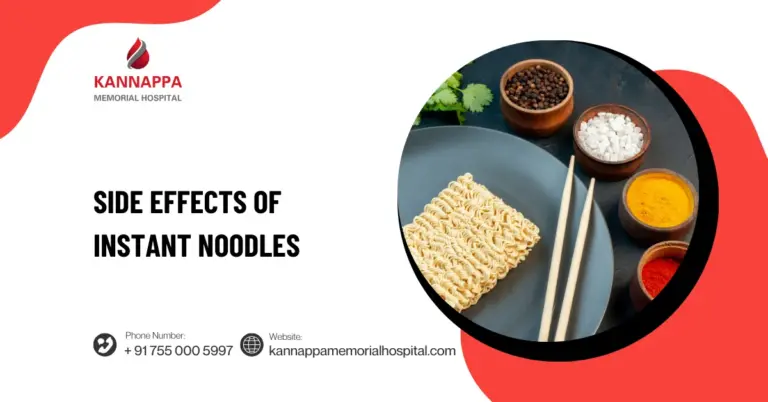
Instant noodles are one of the most popular convenience foods worldwide. They are affordable, easy to prepare, and available in countless flavors, making them a favorite choice for students, busy professionals, and families looking for a quick meal.Despite being convenient and fast to prepare, instant noodles are frequently questioned due to their limited nutritional benefits and possible health impacts.
While eating instant noodles occasionally is unlikely to cause significant health problems, relying on them as a regular part of your diet may contribute to various health concerns. Their high sodium content, low nutritional value, and processed ingredients have raised questions about their long-term impact on overall health. Understanding the potential side effects of instant noodles can help consumers make informed dietary choices and enjoy them more responsibly.
What Are Instant Noodles?
Instant noodles are partially cooked and dehydrated noodle products designed to be prepared quickly with minimal effort. They typically require only a few minutes of cooking in boiling water or soaking in hot water before they are ready to eat.
Instant noodles are typically produced from refined wheat flour, starch, palm oil, salt, and a variety of flavoring agents. They usually come with seasoning packets that contain salt, spices, flavor enhancers, and sometimes monosodium glutamate (MSG). To extend shelf life and maintain texture, manufacturers often process the noodles through steaming and frying or air-drying before packaging. Although convenient, this processing method can affect the nutritional quality of the final product.
Nutritional Profile of Instant Noodles
Instant noodles are a convenient and affordable food choice, but they are generally not considered a nutritionally balanced meal. While the exact nutritional values vary by brand and flavor, most instant noodles share several common characteristics.
- High in Carbohydrates: Instant noodles are primarily made from refined wheat flour, making them rich in carbohydrates that provide quick energy. However, these refined carbs may not keep you full for long.
- Moderate to High Fat Content: Many instant noodle products are pre-fried during processing, which increases their fat content and contributes to their characteristic texture and flavor.
- High in Sodium: The seasoning packets often contain significant amounts of salt and flavor enhancers, resulting in sodium levels that can account for a large portion of the recommended daily intake.
- Low in Protein: Most instant noodles contain only small amounts of protein, making them less effective at supporting muscle maintenance and prolonged satiety.
- Low in Dietary Fiber: Because they are made from refined grains, instant noodles generally provide very little fiber, which is important for digestive health and blood sugar regulation.
- Limited Vitamins and Minerals: Instant noodles typically lack essential nutrients such as iron, calcium, potassium, and various vitamins unless they are specifically fortified.
Overall, instant noodles can provide a quick source of calories and energy, but they are often low in the essential nutrients required for a well-balanced diet. Adding vegetables, lean proteins, and other nutrient-rich ingredients can help improve their nutritional value.
Side Effects of Eating Instant Noodles Regularly
1. High Sodium Content
- A major health concern linked to instant noodles is their elevated sodium levels.. A single serving may provide a substantial amount of the daily recommended sodium intake.
- Excessive sodium consumption can contribute to high blood pressure by causing the body to retain more fluid. Increased fluid retention places additional strain on the heart and blood vessels, potentially increasing the risk of cardiovascular disease over time. People who regularly consume high-sodium foods may also experience bloating, swelling, and increased thirst.
2. Poor Nutritional Value
- Instant noodles provide calories but are often lacking in important nutrients such as vitamins, minerals, fiber, and high-quality protein.
- When consumed frequently without nutrient-rich foods, they may contribute to nutritional deficiencies. A diet that relies heavily on processed foods can make it difficult to meet daily requirements for essential nutrients that support immune function, energy production, and overall well-being.
3. Weight Gain and Obesity Risk
- Regular eating of instant noodles can raise the risk of weight gain, particularly when they are eaten in large portions or paired with calorie-dense foods.
- Because instant noodles are relatively low in fiber and protein, they may not provide lasting fullness. This can lead to increased hunger shortly after eating and a greater tendency to consume additional calories throughout the day. Over time, excess calorie intake can contribute to weight gain and obesity.
4. Increased Risk of Metabolic Syndrome
- Several studies have linked frequent instant noodle consumption with an increased risk of metabolic syndrome. This condition is characterized by a combination of health issues, including elevated blood pressure, high blood sugar levels, excess abdominal fat, and abnormal cholesterol levels.
- Metabolic syndrome is associated with a higher risk of developing major health problems, including heart disease, stroke, and type 2 diabetes. Although instant noodles alone do not cause metabolic syndrome, regular consumption as part of an unhealthy diet may contribute to these risk factors.
5. Blood Sugar Concerns
- Instant noodles are typically made from refined carbohydrates that are digested relatively quickly by the body. This rapid digestion can lead to spikes in blood glucose levels, especially when noodles are consumed without sources of protein or fiber. Frequent blood sugar fluctuations may increase the risk of insulin resistance over time.
- People with diabetes or prediabetes should pay particular attention to portion sizes and meal composition when consuming instant noodles.
6. Digestive Problems
- Because instant noodles contain very little dietary fiber, they may not support healthy digestion when consumed regularly.
- Low fiber consumption may slow digestion and increase the risk of constipation and gastrointestinal discomfort. Some individuals may also experience bloating or feelings of heaviness after eating highly processed foods. Including fiber-rich vegetables and whole foods in the diet can help support digestive health and reduce these effects.
7. Food Additives and Preservatives
- Many instant noodle products contain additives such as MSG, preservatives, and flavor enhancers designed to improve taste, texture, and shelf life.
- While these ingredients are generally considered safe for most people when consumed within recommended limits, some individuals may be sensitive to certain additives. Possible reactions can include headaches, flushing, or digestive discomfort in susceptible individuals. Consumers who are concerned about additives may wish to choose products with simpler ingredient lists.
8. Impact on Heart Health
- The combination of high sodium levels and processed fats found in some instant noodle products may negatively affect heart health when consumed frequently.
- Excess sodium can contribute to hypertension, while diets high in processed foods may be associated with poorer cardiovascular outcomes. Over time, these factors can increase the risk of heart disease and related complications. Maintaining a balanced diet that includes fruits, vegetables, whole grains, and lean proteins can help support long-term cardiovascular health.
Who Should Limit Instant Noodle Consumption?
Although instant noodles can be a convenient meal option, certain individuals should be particularly mindful of how often they consume them due to potential health concerns:
- Children and teenagers: Growing bodies require a balanced intake of proteins, vitamins, minerals, and other essential nutrients. Frequent consumption of instant noodles may replace healthier food choices needed for proper growth and development.
- People with high blood pressure: Most instant noodles contain significant amounts of sodium, which can contribute to elevated blood pressure and increase cardiovascular health risks when consumed regularly.
- Individuals with diabetes or prediabetes: The refined carbohydrates found in instant noodles may cause rapid increases in blood sugar levels, making blood glucose management more challenging.
- Those aiming to lose or maintain weight: Instant noodles are often high in calories but relatively low in fiber and protein, which may leave individuals feeling hungry again shortly after eating and encourage overeating.
- People with heart disease or high cholesterol: High sodium levels and processed fats commonly found in instant noodles may place additional strain on cardiovascular health and should be consumed in moderation.
For these groups, choosing nutrient-rich, minimally processed foods more often can help support overall health and reduce long-term health risks.
How to Make Instant Noodles Healthier?
If you enjoy instant noodles occasionally, a few simple changes can help improve their nutritional value and reduce potential health concerns. Consider the following tips:
- Add plenty of vegetables: Incorporate ingredients such as spinach, carrots, broccoli, mushrooms, bell peppers, or other leafy greens. Vegetables provide fiber, vitamins, minerals, and antioxidants that help create a more balanced meal.
- Include a quality protein source: Adding foods like eggs, grilled chicken, tofu, paneer, shrimp, or canned fish can increase protein content, promote fullness, and support muscle health.
- Reduce the seasoning mix: Using only part of the seasoning packet can significantly lower sodium intake while still providing flavor. You can enhance taste with herbs, spices, garlic, ginger, or a squeeze of lemon instead.
- Choose healthier noodle varieties: Look for whole-grain, high-fiber, baked, or reduced-sodium options whenever available. These alternatives may offer better nutritional value than traditional fried instant noodles.
- Be mindful of portion sizes: Consuming multiple packets at once can substantially increase calorie, sodium, and fat intake. Sticking to a single serving and pairing it with nutritious additions can help maintain a healthier balance.
Even small adjustments can transform instant noodles into a more nutritious meal. When enjoyed in moderation as part of a well-balanced diet, these modifications can help minimize the potential side effects associated with regular instant noodle consumption.
Are Instant Noodles Safe in Moderation?
- For most healthy individuals, eating instant noodles occasionally is generally considered safe. The greatest concerns arise when they become a frequent replacement for balanced meals.
- Moderation is key. Instant noodles can fit into a healthy diet when consumed occasionally and paired with nutrient-rich ingredients such as vegetables and protein sources. The overall quality of a person’s diet matters far more than a single food item.
- Maintaining variety and balance in daily meals helps ensure adequate intake of essential nutrients while reducing the potential risks associated with processed foods.
Conclusion
Instant noodles are a product of modern convenience — fast, affordable, and globally beloved. Being aware of the health risks associated with regular instant noodle consumption is essential for maintaining overall well-being. From sodium-driven hypertension and weight gain to blood sugar instability, metabolic syndrome, and cardiovascular strain, the risks associated with frequent consumption are well-documented and clinically meaningful. Specialists at Kannappa Memorial Hospital consistently emphasize that nutrition is one of the most powerful tools for preventing chronic disease. Processed, nutrient-poor foods like instant noodles — when consumed in excess —erode the dietary foundation that keeps the body functioning optimally.
Read also Foods for Cancer Patients.