Cancer care has evolved significantly over the last few decades, moving from single-modality treatment to highly integrated, personalized, and evidence-based approaches. Medical Oncology Treatment in Chennai is a key component of cancer care, focusing on systemic therapies that work throughout the body to control and treat cancer. Medical oncology is not limited to treating cancer alone; it involves early diagnosis, precise staging, individualized treatment planning, administration of anti-cancer drugs, and long-term survivorship care.
In a fast-evolving healthcare environment such as Chennai, medical oncology is progressively shifting toward precision-based care. Treatments are increasingly guided by individual genetic and molecular profiles, enabling more targeted therapies and the growing use of immunotherapy. This personalized approach is helping improve treatment effectiveness, enhance survival rates, and support a better quality of life for patients.
Medical oncology is based on the principle of systemic cancer treatment, meaning therapy that circulates throughout the entire body via the bloodstream. This approach is essential because cancer is often not a localized disease; even when detected early, microscopic cancer cells may spread beyond the primary site.
The main treatment modalities include:
Together, these modalities form the foundation of modern oncology practice and play a key role in advanced medical oncology treatment in Chennai.
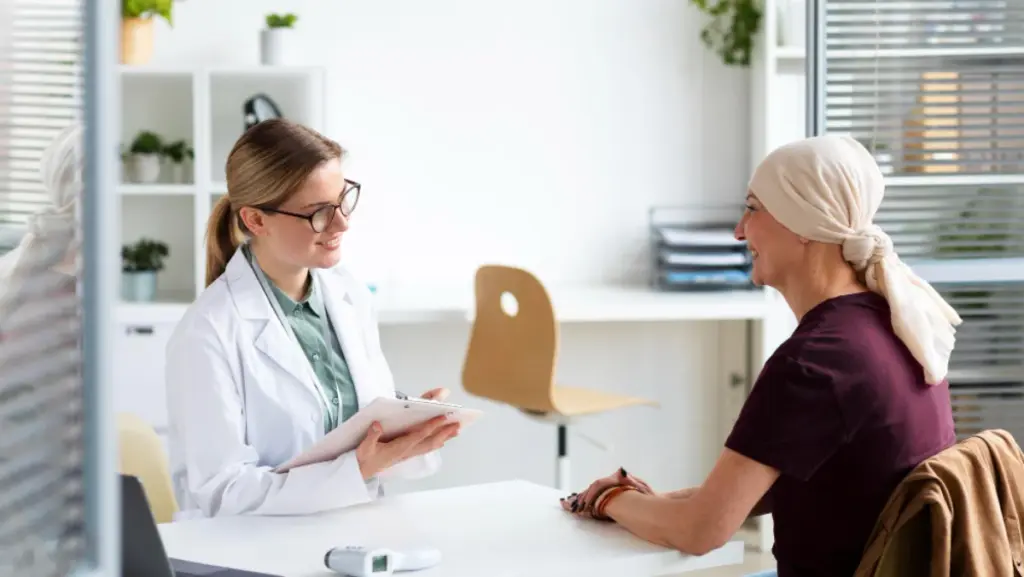
A medical oncologist is a cancer specialist trained in diagnosing, treating, and managing cancer through systemic therapies. Their role covers the full course of patient care, beginning with diagnosis and treatment planning and continuing through long-term follow-up and supportive care.
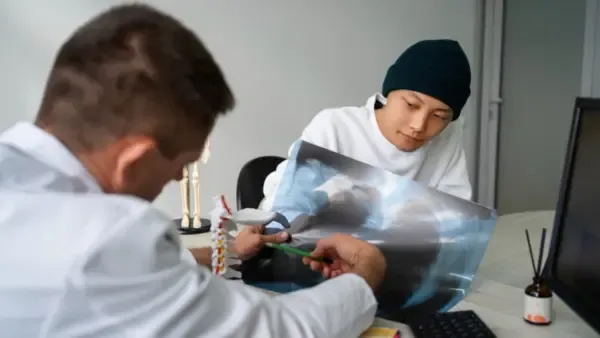
Accurate diagnosis and staging are the cornerstone of effective cancer treatment. Medical oncologists carefully assess each patient’s condition to determine the most appropriate treatment pathway.
Key responsibilities include:
Cancer treatment planning is personalized, evidence-based, and tailored to each patient’s medical condition and treatment goals.
Medical oncologists are responsible for:
Many advanced oncology centers offering Medical Oncology Treatment in Chennai use precision medicine approaches and multidisciplinary tumor boards to optimize treatment outcomes.
Medical oncologists oversee the safe administration of systemic cancer therapies and ensure that treatments are delivered effectively.
Their role includes:
Structured and carefully monitored treatment delivery plays a vital role in improving the safety and effectiveness of Medical Oncology Treatment in Chennai.
Cancer care requires continuous monitoring even after active treatment has begun or completed. Regular follow-up helps evaluate progress and manage ongoing patient needs.
Responsibilities include:
Comprehensive follow-up care ensures that patients continue to receive medical support, symptom management, and long-term health monitoring throughout recovery.
Effective cancer care requires coordinated teamwork between different medical specialties to ensure patients receive complete and well-integrated treatment.
Medical oncologists commonly work alongside:
This multidisciplinary approach helps deliver comprehensive, patient-centered Medical Oncology Treatment in Chennai, improving treatment accuracy, continuity of care, and overall clinical outcomes.
Modern cancer care is delivered through collaboration between various medical specialties, ensuring well-coordinated and comprehensive treatment for patients.
The structure typically includes:
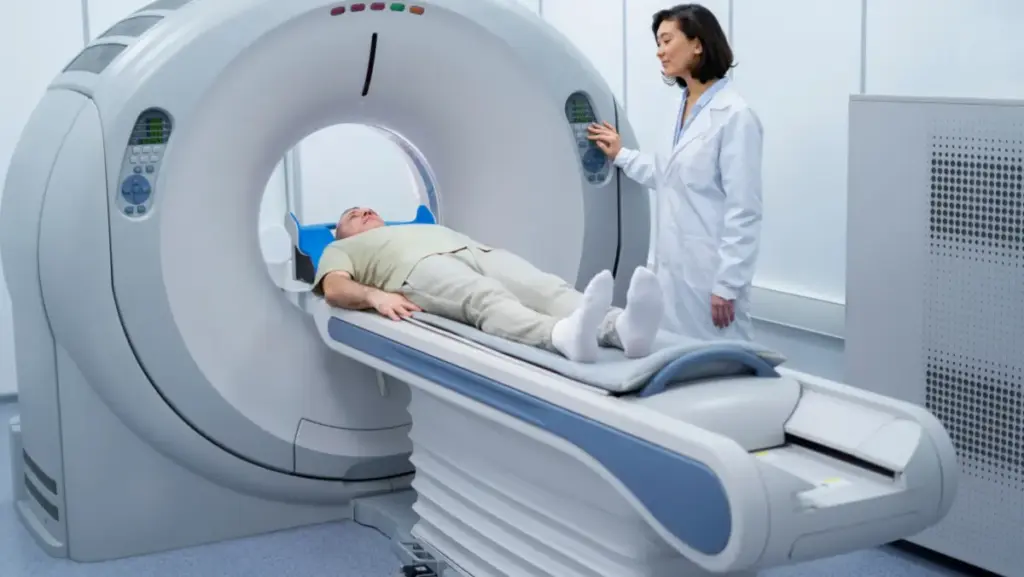
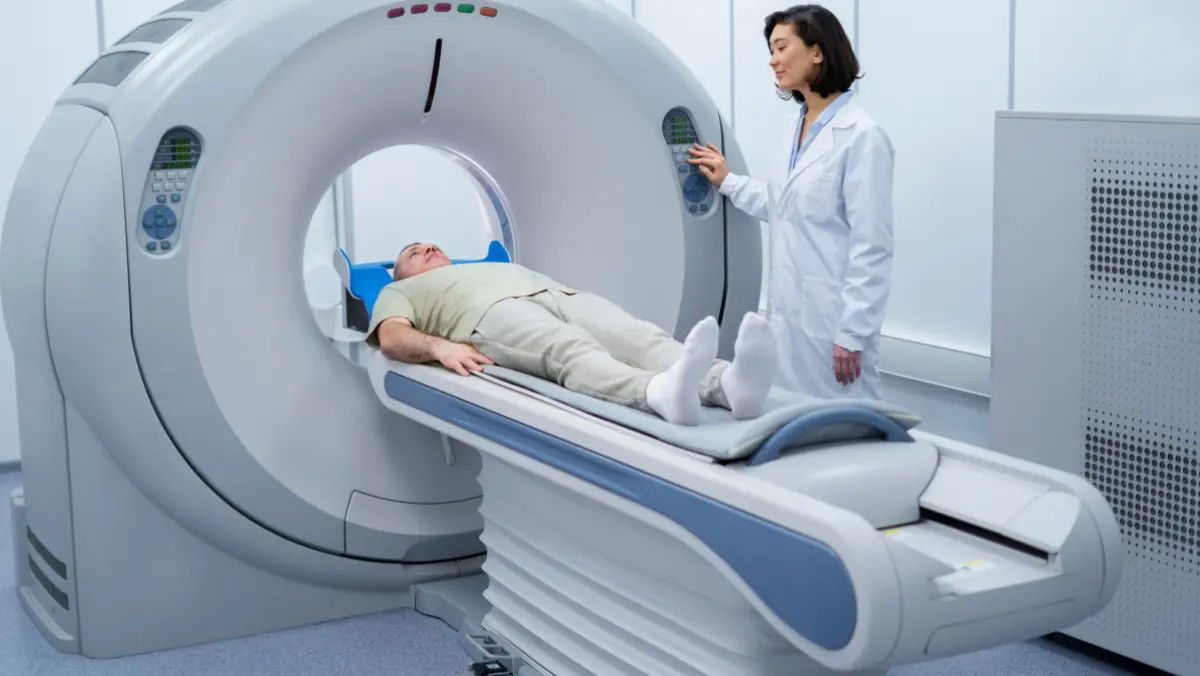
Modern oncology facilities are built to deliver safe, precise, and comprehensive cancer care through advanced infrastructure and integrated treatment systems. These centers are designed to support every stage of oncology management, including diagnosis, therapy administration, monitoring, rehabilitation, and supportive care. Advanced medical technology and specialized oncology infrastructure help improve treatment accuracy, patient safety, and overall clinical outcomes. By bringing multiple services together under one roof, oncology centers can provide coordinated and efficient cancer care tailored to individual patient needs.
Key facilities commonly available in medical oncology centers include:
These facilities allow oncology specialists to deliver multidisciplinary, patient-centered treatment while ensuring comfort, safety, and seamless coordination throughout the cancer care journey.
The cancer care journey follows a structured pathway to ensure timely and effective treatment:
This structured pathway ensures consistency, safety, and precision in Medical Oncology Treatment in Chennai, improving long-term outcomes.
Chennai has become a major hub for advanced cancer care in South India. Hospitals here are increasingly adopting global standards in oncology practice, including molecular diagnostics, precision therapy, and integrated care models. Institutions such as Kannappa Memorial Hospital contribute to the growing healthcare ecosystem by providing structured oncology services and multidisciplinary cancer management approaches.
These centers focus on:
Such advancements have significantly strengthened Medical Oncology Treatment in Chennai, making the city a preferred destination for comprehensive cancer care.
Modern oncology is guided by evidence-based medicine and international clinical guidelines. However, patient-centric care remains equally important.
Key principles include:
In Chennai, oncology specialists increasingly combine scientific innovation with compassionate care, ensuring that Medical Oncology Treatment in Chennai addresses both clinical outcomes and human needs.
The future of cancer treatment is rapidly evolving with advancements in:
These innovations are expected to further enhance survival rates and reduce treatment side effects, making oncology care more precise and effective.
Medical oncology is a cornerstone of modern cancer management, focusing on systemic and targeted treatment approaches that improve survival and quality of life. Through chemotherapy, immunotherapy, targeted therapy, and hormonal therapy, medical oncologists play a vital role in every stage of cancer care.
The structured approach of Medical Oncology Treatment in Chennai includes diagnosis, personalized planning, treatment delivery, monitoring, and long-term follow-up, all supported by a multidisciplinary team. With advanced healthcare infrastructure, experienced specialists, and evolving treatment technologies, Chennai continues to strengthen its position as a major center for comprehensive and evidence-based.
Cancer care has evolved significantly over the last few decades, moving from single-modality treatment to highly integrated, personalized, and evidence-based approaches. Medical Oncology Treatment in Chennai is a key component of cancer care, focusing on systemic therapies that work throughout the body to control and treat cancer. Medical oncology is not limited to treating cancer alone; it involves early diagnosis, precise staging, individualized treatment planning, administration of anti-cancer drugs, and long-term survivorship care.
In a fast-evolving healthcare environment such as Chennai, medical oncology is progressively shifting toward precision-based care. Treatments are increasingly guided by individual genetic and molecular profiles, enabling more targeted therapies and the growing use of immunotherapy. This personalized approach is helping improve treatment effectiveness, enhance survival rates, and support a better quality of life for patients.
Core Concept of Medical Oncology
Role of a Medical Oncologist
Multidisciplinary Cancer Care Structure
Facilities
Patient Care Pathway
Role of Advanced Oncology Centers in Chennai
Importance of Evidence-Based and Patient-Centric Care
Future of Medical Oncology
Conclusion
Medical oncology is based on the principle of systemic cancer treatment, meaning therapy that circulates throughout the entire body via the bloodstream. This approach is essential because cancer is often not a localized disease; even when detected early, microscopic cancer cells may spread beyond the primary site.
The main treatment modalities include:
Together, these modalities form the foundation of modern oncology practice and play a key role in advanced medical oncology treatment in Chennai.
A medical oncologist is a cancer specialist trained in diagnosing, treating, and managing cancer through systemic therapies. Their role covers the full course of patient care, beginning with diagnosis and treatment planning and continuing through long-term follow-up and supportive care.
Accurate diagnosis and staging are the cornerstone of effective cancer treatment. Medical oncologists carefully assess each patient’s condition to determine the most appropriate treatment pathway.
Key responsibilities include:
Cancer treatment planning is personalized, evidence-based, and tailored to each patient’s medical condition and treatment goals.
Medical oncologists are responsible for:
Many advanced oncology centers offering Medical Oncology Treatment in Chennai use precision medicine approaches and multidisciplinary tumor boards to optimize treatment outcomes.
Medical oncologists oversee the safe administration of systemic cancer therapies and ensure that treatments are delivered effectively.
Their role includes:
Structured and carefully monitored treatment delivery plays a vital role in improving the safety and effectiveness of Medical Oncology Treatment in Chennai.
Cancer care requires continuous monitoring even after active treatment has begun or completed. Regular follow-up helps evaluate progress and manage ongoing patient needs.
Responsibilities include:
Comprehensive follow-up care ensures that patients continue to receive medical support, symptom management, and long-term health monitoring throughout recovery.
Effective cancer care requires coordinated teamwork between different medical specialties to ensure patients receive complete and well-integrated treatment.
Medical oncologists commonly work alongside:
This multidisciplinary approach helps deliver comprehensive, patient-centered Medical Oncology Treatment in Chennai, improving treatment accuracy, continuity of care, and overall clinical outcomes.
Modern cancer care is delivered through collaboration between various medical specialties, ensuring well-coordinated and comprehensive treatment for patients.
The structure typically includes:
Modern oncology facilities are built to deliver safe, precise, and comprehensive cancer care through advanced infrastructure and integrated treatment systems. These centers are designed to support every stage of oncology management, including diagnosis, therapy administration, monitoring, rehabilitation, and supportive care. Advanced medical technology and specialized oncology infrastructure help improve treatment accuracy, patient safety, and overall clinical outcomes. By bringing multiple services together under one roof, oncology centers can provide coordinated and efficient cancer care tailored to individual patient needs.
Key facilities commonly available in medical oncology centers include:
These facilities allow oncology specialists to deliver multidisciplinary, patient-centered treatment while ensuring comfort, safety, and seamless coordination throughout the cancer care journey.
The cancer care journey follows a structured pathway to ensure timely and effective treatment:
This structured pathway ensures consistency, safety, and precision in Medical Oncology Treatment in Chennai, improving long-term outcomes.
Chennai has become a major hub for advanced cancer care in South India. Hospitals here are increasingly adopting global standards in oncology practice, including molecular diagnostics, precision therapy, and integrated care models. Institutions such as Kannappa Memorial Hospital contribute to the growing healthcare ecosystem by providing structured oncology services and multidisciplinary cancer management approaches.
These centers focus on:
Such advancements have significantly strengthened Medical Oncology Treatment in Chennai, making the city a preferred destination for comprehensive cancer care.
Modern oncology is guided by evidence-based medicine and international clinical guidelines. However, patient-centric care remains equally important.
Key principles include:
In Chennai, oncology specialists increasingly combine scientific innovation with compassionate care, ensuring that Medical Oncology Treatment in Chennai addresses both clinical outcomes and human needs.
The future of cancer treatment is rapidly evolving with advancements in:
These innovations are expected to further enhance survival rates and reduce treatment side effects, making oncology care more precise and effective.
Medical oncology is a cornerstone of modern cancer management, focusing on systemic and targeted treatment approaches that improve survival and quality of life. Through chemotherapy, immunotherapy, targeted therapy, and hormonal therapy, medical oncologists play a vital role in every stage of cancer care.
The structured approach of Medical Oncology Treatment in Chennai includes diagnosis, personalized planning, treatment delivery, monitoring, and long-term follow-up, all supported by a multidisciplinary team. With advanced healthcare infrastructure, experienced specialists, and evolving treatment technologies, Chennai continues to strengthen its position as a major center for comprehensive and evidence-based.
Medical oncology refers to the branch of medicine that deals with the treatment of cancer using non-surgical methods such as chemotherapy, immunotherapy, hormone therapy, and targeted therapy. It is a key component of comprehensive cancer care, focused on eradicating cancer cells while minimizing damage to healthy tissues. Medical oncologists also manage side effects, monitor disease progression, and coordinate with other specialists for integrated treatment.
Oncology is the study and treatment of tumors or cancers. It encompasses three main specialties: medical oncology, surgical oncology, and radiation oncology. The term derives from the Greek word “onkos,” meaning mass or bulk, and “logia,” meaning study. Oncology involves diagnosing cancer, staging its severity, planning therapy, and supporting patients through treatment and recovery. It also includes cancer prevention and palliative care.
Yes, medical oncology is a highly rewarding career both intellectually and emotionally. It combines research, patient care, and innovation, offering the opportunity to impact lives meaningfully. Oncologists often work in multidisciplinary teams and engage with cutting-edge treatments like immunotherapy and precision medicine. The field demands continuous learning but provides personal satisfaction through helping patients combat one of the most challenging diseases.