
Prostate cancer treatment is one of the most common cancers in men, making awareness and early detection vital. The prostate, a small gland beneath the bladder, produces seminal fluid essential for reproduction. Cancer develops when prostate cells grow uncontrollably, forming tumors that may remain localized or spread if untreated. Many men who receive timely diagnosis and treatment can continue to live long, healthy lives. Understanding prostate cancer involves knowing key risk factors age, family history, race, and lifestyle recognizing early warning signs, and being aware of modern treatments like surgery, radiation, hormone therapy, and immunotherapy, which have greatly improved outcomes.
Early-Stage Symptoms
In its initial stages, prostate cancer often shows no symptoms, making early detection difficult. Many men may remain unaware of the disease until it is discovered through routine screening. Because of this asymptomatic nature, regular medical check-ups and awareness of personal risk factors especially for men over 50 or those with a family history of prostate cancer are essential.
Warning Signs in Later Stages
As the disease progresses, prostate cancer may produce a variety of urinary, sexual, and systemic symptoms. While these can overlap with benign conditions such as benign prostatic hyperplasia (BPH), they should always be evaluated by a healthcare professional:
Early recognition of these symptoms and prompt medical consultation are crucial for effective treatment.
Cellular and Genetic Factors
Hormonal Influences
Lifestyle and Environmental Factors
Prostate cancer is not a single disease it includes several distinct types with different behaviors and treatment approaches:
Cancer staging helps guide treatment and predict outcomes. Prostate cancer is classified into four stages:
Several elements can increase a man’s likelihood of developing prostate cancer:
Age: Prostate cancer occurs more frequently in men over 50. As men age, their risk grows, making regular screenings increasingly important.
Family History: Having a close relative, such as a father or brother, diagnosed with prostate cancer can significantly raise risk. Inherited genetic mutations, including BRCA1 and BRCA2, also contribute to familial susceptibility.
Race & Ethnicity: African American men have higher prostate cancer incidence and often experience more aggressive forms. This disparity is influenced by a combination of genetic factors, socioeconomic conditions, and access to healthcare.
Lifestyle Factors
Daily habits can impact prostate cancer risk:
Accurate and timely diagnosis of prostate cancer is crucial for effective treatment. Early-stage prostate cancer often develops silently, so multiple approaches screening tests, physical examination, imaging, and tissue analysis are usually needed. Early detection expands treatment options and improves survival.
Blood Tests
Physical Examination
Biopsy
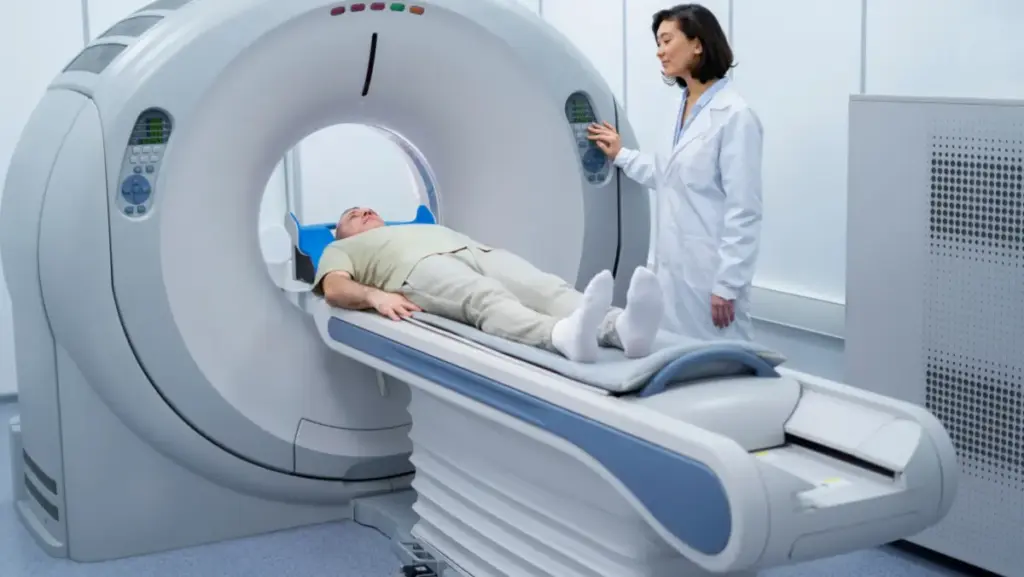
Imaging
Treatment depends on cancer stage, grade, overall health, and patient preference.
Active Surveillance
For slow-growing cancers, active surveillance involves monitoring with PSA tests, DREs, and occasional biopsies, delaying treatment until necessary. This approach reduces side effects while ensuring timely intervention if the cancer progresses.
Surgery
Prostatectomy removes the prostate gland. Minimally invasive techniques, such as robotic-assisted surgery, often lead to faster recovery and fewer complications. Surgery is typically recommended for localized cancers where complete removal is likely.
Radiation Therapy
Radiation uses high-energy rays to destroy cancer cells. It can be delivered externally or internally (brachytherapy, with radioactive seeds implanted in the prostate). Radiation is effective for early and locally advanced cancers.
Hormone Therapy
Hormone therapy lowers testosterone levels to slow the growth of cancer cells. It is mainly used for advanced or recurrent cases, sometimes alongside other treatments.
Chemotherapy
Chemotherapy targets rapidly dividing cancer cells and is usually reserved for advanced or hormone-resistant prostate cancer. It can be combined with hormone therapy for better results.
Immunotherapy & Targeted Therapy
Immunotherapy boosts the immune system’s ability to fight cancer, while targeted therapy focuses on specific genetic or molecular features. These personalized approaches are becoming increasingly important in prostate cancer care.
Combination Therapy
Sometimes treatments are combined such as surgery followed by radiation or hormone therapy to lower recurrence risk. Tailored approaches maximize effectiveness based on the individual’s cancer characteristics.
Prostate cancer is complex, but modern medicine offers multiple options for early detection and treatment. Understanding risk factors, attending regular screenings, and recognizing early warning signs are key to better outcomes.Advances in surgery, radiation, hormone therapy, and newer treatments like immunotherapy allow many men to lead long, active lives after diagnosis. Support from family, friends, and healthcare providers also plays a vital role in emotional well-being and quality of life.
Ultimately, awareness, proactive medical care, and timely treatment are essential in managing prostate cancer effectively, giving men the confidence to face the disease with hope.
Prostate cancer treatment is one of the most common cancers in men, making awareness and early detection vital. The prostate, a small gland beneath the bladder, produces seminal fluid essential for reproduction. Cancer develops when prostate cells grow uncontrollably, forming tumors that may remain localized or spread if untreated. Many men who receive timely diagnosis and treatment can continue to live long, healthy lives. Understanding prostate cancer involves knowing key risk factors age, family history, race, and lifestyle recognizing early warning signs, and being aware of modern treatments like surgery, radiation, hormone therapy, and immunotherapy, which have greatly improved outcomes.
Signs & Symptoms
Causes of Prostate Cancer
Types of Prostate Cancer
Stages of Prostate Cancer
Risk Factors
Diagnosis & Evaluation
Treatment Options
Conclusion
Early-Stage Symptoms
In its initial stages, prostate cancer often shows no symptoms, making early detection difficult. Many men may remain unaware of the disease until it is discovered through routine screening. Because of this asymptomatic nature, regular medical check-ups and awareness of personal risk factors especially for men over 50 or those with a family history of prostate cancer are essential.
Warning Signs in Later Stages
As the disease progresses, prostate cancer may produce a variety of urinary, sexual, and systemic symptoms. While these can overlap with benign conditions such as benign prostatic hyperplasia (BPH), they should always be evaluated by a healthcare professional:
Early recognition of these symptoms and prompt medical consultation are crucial for effective treatment.
Cellular and Genetic Factors
Hormonal Influences
Lifestyle and Environmental Factors
Prostate cancer is not a single disease it includes several distinct types with different behaviors and treatment approaches:
Cancer staging helps guide treatment and predict outcomes. Prostate cancer is classified into four stages:
Several elements can increase a man’s likelihood of developing prostate cancer:
Age: Prostate cancer occurs more frequently in men over 50. As men age, their risk grows, making regular screenings increasingly important.
Family History: Having a close relative, such as a father or brother, diagnosed with prostate cancer can significantly raise risk. Inherited genetic mutations, including BRCA1 and BRCA2, also contribute to familial susceptibility.
Race & Ethnicity: African American men have higher prostate cancer incidence and often experience more aggressive forms. This disparity is influenced by a combination of genetic factors, socioeconomic conditions, and access to healthcare.
Lifestyle Factors
Daily habits can impact prostate cancer risk:
Accurate and timely diagnosis of prostate cancer is crucial for effective treatment. Early-stage prostate cancer often develops silently, so multiple approaches screening tests, physical examination, imaging, and tissue analysis are usually needed. Early detection expands treatment options and improves survival.
Blood Tests
Physical Examination
Biopsy
Imaging
Treatment depends on cancer stage, grade, overall health, and patient preference.
Active Surveillance
For slow-growing cancers, active surveillance involves monitoring with PSA tests, DREs, and occasional biopsies, delaying treatment until necessary. This approach reduces side effects while ensuring timely intervention if the cancer progresses.
Surgery
Prostatectomy removes the prostate gland. Minimally invasive techniques, such as robotic-assisted surgery, often lead to faster recovery and fewer complications. Surgery is typically recommended for localized cancers where complete removal is likely.
Radiation Therapy
Radiation uses high-energy rays to destroy cancer cells. It can be delivered externally or internally (brachytherapy, with radioactive seeds implanted in the prostate). Radiation is effective for early and locally advanced cancers.
Hormone Therapy
Hormone therapy lowers testosterone levels to slow the growth of cancer cells. It is mainly used for advanced or recurrent cases, sometimes alongside other treatments.
Chemotherapy
Chemotherapy targets rapidly dividing cancer cells and is usually reserved for advanced or hormone-resistant prostate cancer. It can be combined with hormone therapy for better results.
Immunotherapy & Targeted Therapy
Immunotherapy boosts the immune system’s ability to fight cancer, while targeted therapy focuses on specific genetic or molecular features. These personalized approaches are becoming increasingly important in prostate cancer care.
Combination Therapy
Sometimes treatments are combined such as surgery followed by radiation or hormone therapy to lower recurrence risk. Tailored approaches maximize effectiveness based on the individual’s cancer characteristics.
Prostate cancer is complex, but modern medicine offers multiple options for early detection and treatment. Understanding risk factors, attending regular screenings, and recognizing early warning signs are key to better outcomes.Advances in surgery, radiation, hormone therapy, and newer treatments like immunotherapy allow many men to lead long, active lives after diagnosis. Support from family, friends, and healthcare providers also plays a vital role in emotional well-being and quality of life.
Ultimately, awareness, proactive medical care, and timely treatment are essential in managing prostate cancer effectively, giving men the confidence to face the disease with hope.
Yes, many men recover from prostate cancer, especially when it’s detected early. With modern prostate cancer treatment options like surgery, radiation, or active surveillance, survival rates are very high. Recovery depends on the stage, overall health, and how the cancer responds to treatment, but long-term remission and healthy living are absolutely possible.
For early stage prostate cancer, the best treatment depends on age, health, and personal preferences. Options include active surveillance, surgery (prostatectomy), or radiation therapy. Active surveillance may be chosen if the cancer is slow-growing. Doctors tailor prostate cancer treatment by stage to balance effectiveness with quality of life, ensuring the most personalized care.
In many cases, prostate cancer can be cured, especially if found before it spreads beyond the prostate. Surgery and radiation are highly effective for localized disease. While advanced stages are harder to cure, modern therapies can control the cancer and extend life. Early detection and timely prostate cancer treatment give the best chance for cure.