Knee pain is one of the most common musculoskeletal complaints seen across all age groups. From young athletes to older adults, it can affect daily movement, work productivity, and overall quality of life. Whether it starts suddenly after an injury or develops gradually over time, ignoring knee pain is rarely a good idea.When identified early, many knee problems can be managed without surgery. Delayed treatment, on the other hand, can lead to worsening pain, joint damage, and long-term mobility issues.
At Kannappa Memorial Hospital, a structured and patient-focused approach helps identify the root cause and guide the right treatment pathway.
Knee pain can often be understood based on where it occurs. The location of pain gives important clues about the underlying problem.
Pain at the front of the knee is commonly related to the kneecap (patella). It is often seen in conditions like Patellofemoral Pain Syndrome and may worsen while climbing stairs, squatting, or sitting for long periods.
Pain on the inner side of the knee usually involves the medial structures, such as ligaments or cartilage. It is frequently associated with injuries like a Medial Meniscus Tear or early Osteoarthritis.
Pain on the outer side of the knee may be linked to lateral structures. A common cause is Iliotibial Band Syndrome, especially in runners or cyclists.
Pain behind the knee can result from muscle strain, ligament issues, or fluid-filled swelling such as a Baker’s Cyst. It may feel tight or uncomfortable, particularly when bending the knee.
Knee pain can present differently in each person. The symptoms vary depending on the underlying condition.
Pain is the most obvious symptom.It can feel sharp, dull, or throbbing. Swelling can occur due to inflammation or fluid buildup, making the knee look puffy. Stiffness often limits how much you can bend or straighten your leg, especially after rest.
Some people feel like their knee is “giving way” while walking or standing. This instability can be linked to ligament injuries. Popping or clicking sounds during movement may indicate cartilage damage or joint wear.
Simple activities like climbing stairs, sitting cross-legged, or even walking can become difficult. Over time, reduced movement can weaken muscles and worsen the condition.
Identifying the cause of knee pain is essential for selecting the right treatment.
Injuries: Sports injuries, falls, or accidents can damage ligaments, tendons, or cartilage in the knee. Common examples include ACL tears, meniscus injuries, and fractures.
Arthritis: Arthritis is one of the leading causes of long-term knee pain. Osteoarthritis, in particular, leads to gradual wear and tear of joint cartilage. Rheumatoid arthritis causes inflammation due to immune system activity.
Mechanical Issues: Problems like misalignment of the kneecap, loose bone fragments, or abnormal gait patterns can lead to persistent knee discomfort.
Lifestyle Factors: Sedentary lifestyle, poor posture, and repetitive strain from certain occupations can contribute to knee pain. Overuse without adequate recovery is a common trigger.
Certain factors can increase the likelihood of developing knee pain or knee-related problems over time.
Age and Obesity: With increasing age, natural wear and tear of the joints becomes more common. In addition, excess body weight places extra stress on the knee joint, which can accelerate cartilage damage and contribute to conditions such as Osteoarthritis.
Physical Activity or Inactivity: Both extremes can increase risk. High-impact sports or improper training techniques may lead to injuries, while a lack of regular exercise can weaken the muscles that support the knee, making it more vulnerable to strain and instability.
Previous Injuries: A history of knee injury can significantly increase the risk of future problems. If not properly treated or rehabilitated, it may lead to long-term weakness, instability, or recurring pain.
Not all knee pain requires urgent medical attention, but certain warning signs should not be ignored. Early evaluation can help prevent worsening of the condition and support faster recovery.
Persistent Pain: If knee pain lasts for more than a few days, keeps returning, or gradually worsens, it should be medically evaluated to identify the underlying cause.
Swelling or Redness: Visible swelling, warmth, or redness around the knee may indicate significant inflammation or, in some cases, infection. These symptoms require prompt assessment.
Difficulty Walking: If you are unable to stand comfortably, walk normally, or place weight on the affected knee, you should consult a specialist without delay.
Ignoring knee pain may seem harmless at first, but over time it can lead to more serious and long-term problems.
Chronic Pain: Untreated knee conditions can develop into persistent pain that interferes with everyday activities like walking, climbing stairs, or even resting comfortably.
Joint Damage: Ongoing inflammation or repeated injury can gradually damage the cartilage and other structures within the knee. This can lead to degenerative conditions such as Osteoarthritis, making the joint less stable and more painful over time.
Reduced Mobility: As pain and stiffness increase, movement becomes limited. This can reduce independence, especially in older adults, and may eventually affect overall quality of life.
While not all knee problems can be completely avoided, adopting the right habits can significantly reduce your risk and protect your joints over time.
Regular Exercise: Engaging in regular, low-impact activities like walking, cycling, or swimming helps keep the knee joint healthy. Strengthening exercises especially for the quadriceps and hamstrings improve stability and reduce strain on the knee.
Weight Management: Maintaining a healthy body weight is crucial. Excess weight puts additional pressure on the knee joint, increasing the risk of wear and tear, including conditions like Osteoarthritis.
Proper Posture and Techniques: Using correct form during exercise, lifting, and daily movements helps prevent unnecessary stress on the knee. Simple habits like avoiding sudden twisting movements, using proper footwear, and maintaining good posture can make a big difference.
Understanding common knee conditions can help you recognize symptoms early and seek timely care.
Ligament Injuries: Ligaments such as the Anterior Cruciate Ligament (ACL) and Posterior Cruciate Ligament (PCL) play a key role in stabilizing the knee. Injuries to these ligaments are common in sports or sudden twisting movements and can lead to pain, swelling, and a feeling of instability or the knee “giving way.”
Cartilage Damage: The meniscus is a C-shaped piece of cartilage in the knee that acts as a cushion between the thigh bone (femur) and the shin bone (tibia), helping to absorb shock and stabilize the joint. A Meniscus Tear can cause pain, swelling, locking, or difficulty in fully bending or straightening the knee.
Arthritis: Conditions like Osteoarthritis or inflammatory arthritis can gradually wear down the joint. This leads to pain, stiffness, swelling, and reduced mobility, especially with age.
Tendonitis: Inflammation of the tendons often due to overuse or repetitive strain is known as Patellar Tendonitis. It typically causes pain during movement, especially while jumping, running, or climbing stairs.
A proper and accurate diagnosis is essential before starting any treatment for knee pain. It helps identify the exact cause and ensures the most effective management plan.
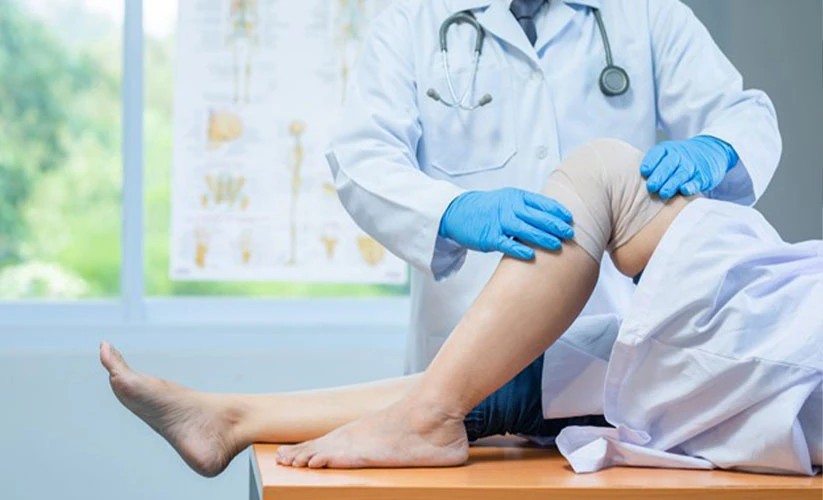
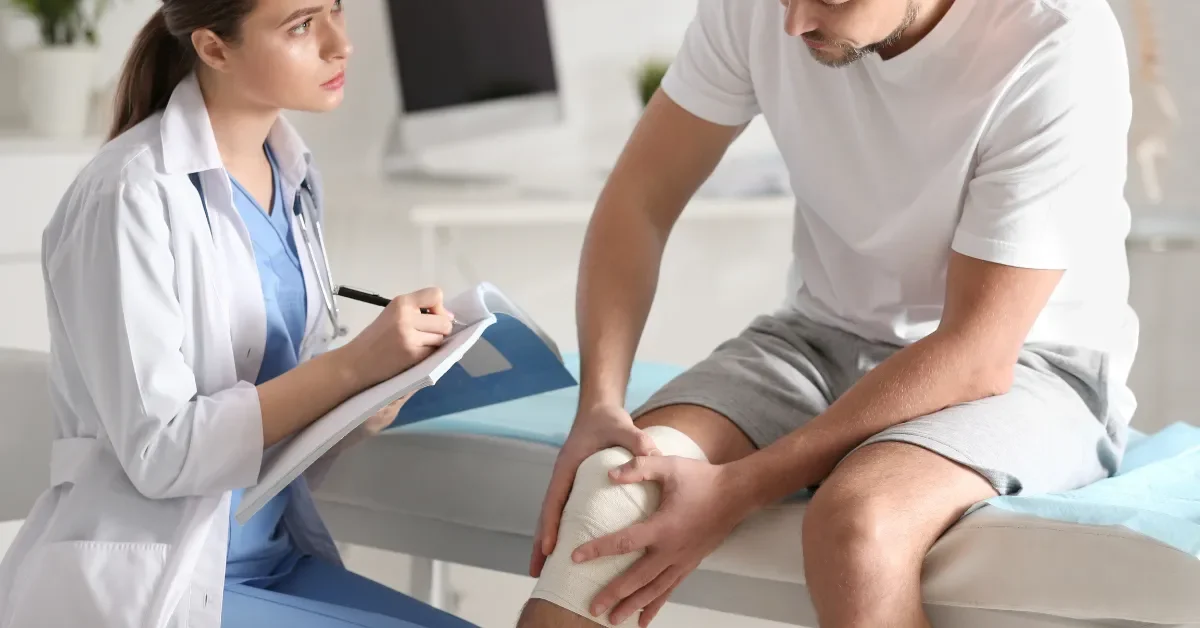
The doctor begins by assessing pain location, swelling, range of motion, and joint stability. Simple movement tests help determine whether ligaments, cartilage, or other structures may be involved.
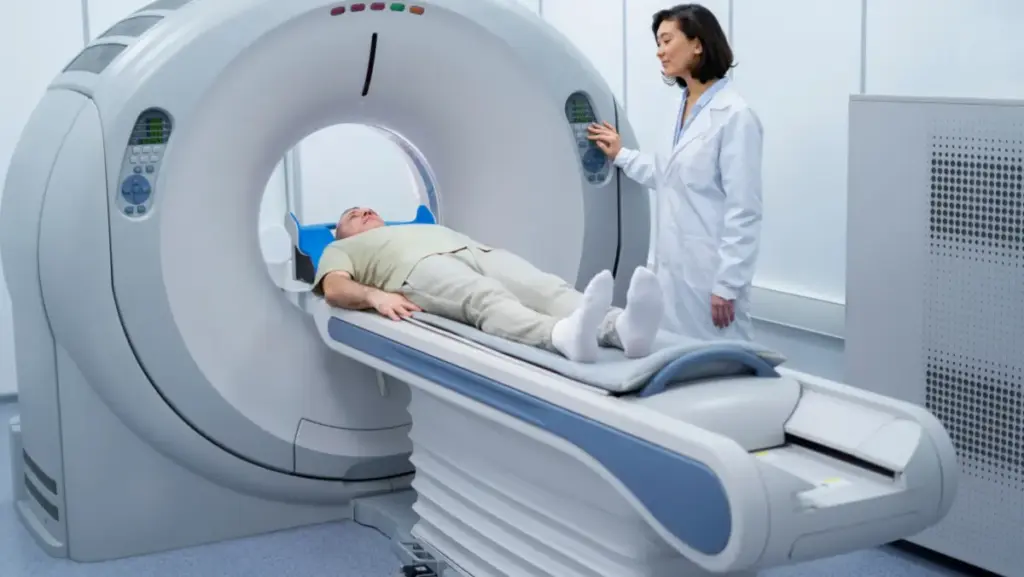
Depending on the findings, the following investigations may be recommended:
At Kannappa Memorial Hospital, knee pain evaluation is done in a structured and stepwise manner. This systematic approach helps ensure accurate diagnosis, avoids unnecessary treatments, and supports better long-term outcomes for patients.
Knee pain treatment depends on the underlying cause, severity, and duration of symptoms. A step-by-step approach is usually followed, starting with simple measures and progressing to advanced options when needed.
For mild to moderate knee pain, non-surgical methods are usually recommended first:
These measures can significantly improve symptoms in early stages.
Pain relievers and anti-inflammatory medications may be prescribed to control pain and swelling. These should always be taken under medical supervision to avoid side effects and long-term complications.
Physiotherapy is a key part of knee pain recovery and long-term joint health:
Regular physiotherapy can improve outcomes and, in many cases, reduce the need for surgical intervention.
When basic treatments are not sufficient, minimally invasive injection therapies may be considered:
These options may help delay or avoid surgery in selected patients.
Modern pain management and regenerative techniques are increasingly used for persistent knee pain. These minimally invasive procedures aim to reduce pain, improve function, and enhance quality of life without major surgery.
Arthroscopy is a minimally invasive procedure used to diagnose and treat internal joint problems such as ligament or cartilage damage.
In advanced cases of severe arthritis or joint destruction, Knee Replacement Surgery may be recommended. This procedure replaces damaged joint surfaces with artificial components, significantly improving mobility and reducing chronic pain.
When required, comprehensive evaluation and advanced surgical care are provided at Kannappa Memorial Hospital, with a focus on accurate diagnosis, precision treatment, and faster recovery.
Knee pain should not be ignored or simply “pushed through.” The good news is that most knee conditions are treatable at all stages, from early discomfort to advanced joint problems. A wide range of treatment options is available today, including simple lifestyle modifications, physiotherapy, minimally invasive procedures, and advanced surgical care when required. This ensures that most patients can achieve significant pain relief and improved mobility.
At Kannappa Memorial Hospital, patients receive comprehensive knee care from accurate diagnosis to advanced non-surgical and surgical treatment options ensuring individualized care and better recovery outcomes.
Knee pain is one of the most common musculoskeletal complaints seen across all age groups. From young athletes to older adults, it can affect daily movement, work productivity, and overall quality of life. Whether it starts suddenly after an injury or develops gradually over time, ignoring knee pain is rarely a good idea.When identified early, many knee problems can be managed without surgery. Delayed treatment, on the other hand, can lead to worsening pain, joint damage, and long-term mobility issues.
At Kannappa Memorial Hospital, a structured and patient-focused approach helps identify the root cause and guide the right treatment pathway.
Types of Knee Pain
Symptoms
Causes
Risk Factors
When to See a Doctor
Complications
Prevention
Common Knee Problems
Diagnosis
Treatment
Patient Testimonals
Conclusion
Knee pain can often be understood based on where it occurs. The location of pain gives important clues about the underlying problem.
Pain at the front of the knee is commonly related to the kneecap (patella). It is often seen in conditions like Patellofemoral Pain Syndrome and may worsen while climbing stairs, squatting, or sitting for long periods.
Pain on the inner side of the knee usually involves the medial structures, such as ligaments or cartilage. It is frequently associated with injuries like a Medial Meniscus Tear or early Osteoarthritis.
Pain on the outer side of the knee may be linked to lateral structures. A common cause is Iliotibial Band Syndrome, especially in runners or cyclists.
Pain behind the knee can result from muscle strain, ligament issues, or fluid-filled swelling such as a Baker’s Cyst. It may feel tight or uncomfortable, particularly when bending the knee.
Knee pain can present differently in each person. The symptoms vary depending on the underlying condition.
Pain is the most obvious symptom.It can feel sharp, dull, or throbbing. Swelling can occur due to inflammation or fluid buildup, making the knee look puffy. Stiffness often limits how much you can bend or straighten your leg, especially after rest.
Some people feel like their knee is “giving way” while walking or standing. This instability can be linked to ligament injuries. Popping or clicking sounds during movement may indicate cartilage damage or joint wear.
Simple activities like climbing stairs, sitting cross-legged, or even walking can become difficult. Over time, reduced movement can weaken muscles and worsen the condition.
Identifying the cause of knee pain is essential for selecting the right treatment.
Injuries: Sports injuries, falls, or accidents can damage ligaments, tendons, or cartilage in the knee. Common examples include ACL tears, meniscus injuries, and fractures.
Arthritis: Arthritis is one of the leading causes of long-term knee pain. Osteoarthritis, in particular, leads to gradual wear and tear of joint cartilage. Rheumatoid arthritis causes inflammation due to immune system activity.
Mechanical Issues: Problems like misalignment of the kneecap, loose bone fragments, or abnormal gait patterns can lead to persistent knee discomfort.
Lifestyle Factors: Sedentary lifestyle, poor posture, and repetitive strain from certain occupations can contribute to knee pain. Overuse without adequate recovery is a common trigger.
Certain factors can increase the likelihood of developing knee pain or knee-related problems over time.
Age and Obesity: With increasing age, natural wear and tear of the joints becomes more common. In addition, excess body weight places extra stress on the knee joint, which can accelerate cartilage damage and contribute to conditions such as Osteoarthritis.
Physical Activity or Inactivity: Both extremes can increase risk. High-impact sports or improper training techniques may lead to injuries, while a lack of regular exercise can weaken the muscles that support the knee, making it more vulnerable to strain and instability.
Previous Injuries: A history of knee injury can significantly increase the risk of future problems. If not properly treated or rehabilitated, it may lead to long-term weakness, instability, or recurring pain.
Not all knee pain requires urgent medical attention, but certain warning signs should not be ignored. Early evaluation can help prevent worsening of the condition and support faster recovery.
Persistent Pain: If knee pain lasts for more than a few days, keeps returning, or gradually worsens, it should be medically evaluated to identify the underlying cause.
Swelling or Redness: Visible swelling, warmth, or redness around the knee may indicate significant inflammation or, in some cases, infection. These symptoms require prompt assessment.
Difficulty Walking: If you are unable to stand comfortably, walk normally, or place weight on the affected knee, you should consult a specialist without delay.
Ignoring knee pain may seem harmless at first, but over time it can lead to more serious and long-term problems.
Chronic Pain: Untreated knee conditions can develop into persistent pain that interferes with everyday activities like walking, climbing stairs, or even resting comfortably.
Joint Damage: Ongoing inflammation or repeated injury can gradually damage the cartilage and other structures within the knee. This can lead to degenerative conditions such as Osteoarthritis, making the joint less stable and more painful over time.
Reduced Mobility: As pain and stiffness increase, movement becomes limited. This can reduce independence, especially in older adults, and may eventually affect overall quality of life.
While not all knee problems can be completely avoided, adopting the right habits can significantly reduce your risk and protect your joints over time.
Regular Exercise: Engaging in regular, low-impact activities like walking, cycling, or swimming helps keep the knee joint healthy. Strengthening exercises especially for the quadriceps and hamstrings improve stability and reduce strain on the knee.
Weight Management: Maintaining a healthy body weight is crucial. Excess weight puts additional pressure on the knee joint, increasing the risk of wear and tear, including conditions like Osteoarthritis.
Proper Posture and Techniques: Using correct form during exercise, lifting, and daily movements helps prevent unnecessary stress on the knee. Simple habits like avoiding sudden twisting movements, using proper footwear, and maintaining good posture can make a big difference.
Understanding common knee conditions can help you recognize symptoms early and seek timely care.
Ligament Injuries: Ligaments such as the Anterior Cruciate Ligament (ACL) and Posterior Cruciate Ligament (PCL) play a key role in stabilizing the knee. Injuries to these ligaments are common in sports or sudden twisting movements and can lead to pain, swelling, and a feeling of instability or the knee “giving way.”
Cartilage Damage: The meniscus is a C-shaped piece of cartilage in the knee that acts as a cushion between the thigh bone (femur) and the shin bone (tibia), helping to absorb shock and stabilize the joint. A Meniscus Tear can cause pain, swelling, locking, or difficulty in fully bending or straightening the knee.
Arthritis: Conditions like Osteoarthritis or inflammatory arthritis can gradually wear down the joint. This leads to pain, stiffness, swelling, and reduced mobility, especially with age.
Tendonitis: Inflammation of the tendons often due to overuse or repetitive strain is known as Patellar Tendonitis. It typically causes pain during movement, especially while jumping, running, or climbing stairs.
A proper and accurate diagnosis is essential before starting any treatment for knee pain. It helps identify the exact cause and ensures the most effective management plan.
The doctor begins by assessing pain location, swelling, range of motion, and joint stability. Simple movement tests help determine whether ligaments, cartilage, or other structures may be involved.
Depending on the findings, the following investigations may be recommended:
At Kannappa Memorial Hospital, knee pain evaluation is done in a structured and stepwise manner. This systematic approach helps ensure accurate diagnosis, avoids unnecessary treatments, and supports better long-term outcomes for patients.
Knee pain treatment depends on the underlying cause, severity, and duration of symptoms. A step-by-step approach is usually followed, starting with simple measures and progressing to advanced options when needed.
For mild to moderate knee pain, non-surgical methods are usually recommended first:
These measures can significantly improve symptoms in early stages.
Pain relievers and anti-inflammatory medications may be prescribed to control pain and swelling. These should always be taken under medical supervision to avoid side effects and long-term complications.
Physiotherapy is a key part of knee pain recovery and long-term joint health:
Regular physiotherapy can improve outcomes and, in many cases, reduce the need for surgical intervention.
When basic treatments are not sufficient, minimally invasive injection therapies may be considered:
These options may help delay or avoid surgery in selected patients.
Modern pain management and regenerative techniques are increasingly used for persistent knee pain. These minimally invasive procedures aim to reduce pain, improve function, and enhance quality of life without major surgery.
Arthroscopy is a minimally invasive procedure used to diagnose and treat internal joint problems such as ligament or cartilage damage.
In advanced cases of severe arthritis or joint destruction, Knee Replacement Surgery may be recommended. This procedure replaces damaged joint surfaces with artificial components, significantly improving mobility and reducing chronic pain.
When required, comprehensive evaluation and advanced surgical care are provided at Kannappa Memorial Hospital, with a focus on accurate diagnosis, precision treatment, and faster recovery.
Knee pain should not be ignored or simply “pushed through.” The good news is that most knee conditions are treatable at all stages, from early discomfort to advanced joint problems. A wide range of treatment options is available today, including simple lifestyle modifications, physiotherapy, minimally invasive procedures, and advanced surgical care when required. This ensures that most patients can achieve significant pain relief and improved mobility.
At Kannappa Memorial Hospital, patients receive comprehensive knee care from accurate diagnosis to advanced non-surgical and surgical treatment options ensuring individualized care and better recovery outcomes.
Natural knee care focuses on improving strength, flexibility, and reducing stress on the joint. Regular low-impact exercises like walking, cycling, or swimming help support knee health. Strengthening the thigh and calf muscles improves stability, while stretching exercises enhance flexibility and movement. Maintaining a healthy body weight and using proper posture also reduces pressure on the knees. If pain continues, medical evaluation is important to rule out conditions like Osteoarthritis or ligament injuries.
Weak knees often show early warning signs such as pain while climbing stairs, difficulty standing up from a seated position, or a feeling that the knee may “give way.” Some people also notice stiffness, reduced balance, or instability while walking. Occasional popping or clicking sounds and reduced ability to perform daily activities like squatting or bending can also indicate weakened knee support muscles or joint issues.
Knee pain can often be reduced by a combination of simple home care and lifestyle changes. Resting the joint during flare-ups, applying ice to reduce swelling, and avoiding activities that strain the knee are helpful first steps. Gentle stretching and strengthening exercises improve muscle support around the knee and reduce pressure on the joint. Maintaining a healthy body weight also plays a major role in reducing stress on the knees. In persistent cases, medical evaluation is important to identify the underlying cause and guide proper treatment.