Orthopedic care is essential for maintaining mobility and quality of life. The musculoskeletal system includes bones, joints, muscles, ligaments, and the spine, all of which support daily movement. Orthopedic issues are increasing due to aging, sedentary lifestyles, sports injuries, and long working hours. Common conditions include fractures, arthritis, ligament injuries, back pain, and joint disorders. Diagnosis involves physical exams and imaging, while treatments range from medication and physiotherapy to minimally invasive surgery. Preventive measures like exercise, proper posture, and ergonomics are important. Hospitals like Kannappa Memorial Hospital provide comprehensive, patient-centered care for faster recovery.
Orthopedics is a branch of medical science that focuses on diagnosing, treating, preventing, and rehabilitating disorders related to the musculoskeletal system.
It covers:
Orthopedic specialists, also known as orthopedic surgeons, manage a wide range of conditions from simple fractures to complex spinal deformities. The goal of orthopedics is not just treatment but also restoring function, improving mobility, and enhancing a patient’s quality of life.
Orthopedic problems can occur in people of any age group. The most frequently treated issues include:
These conditions require timely Orthopedic treatment in Chennai to prevent complications and long-term disability.
Orthopedic problems may arise due to multiple reasons:
Identifying warning signs at an early stage can help prevent complications and ensure faster recovery.
Common Warning Signs Include:
If these symptoms persist, seeking timely Orthopedic treatment in Chennai is important to avoid worsening conditions.
An accurate diagnosis forms the basis of effective orthopedic treatment. Specialists follow a clear and step-by-step approach to identify the exact problem and plan proper treatment.
Physical Examination
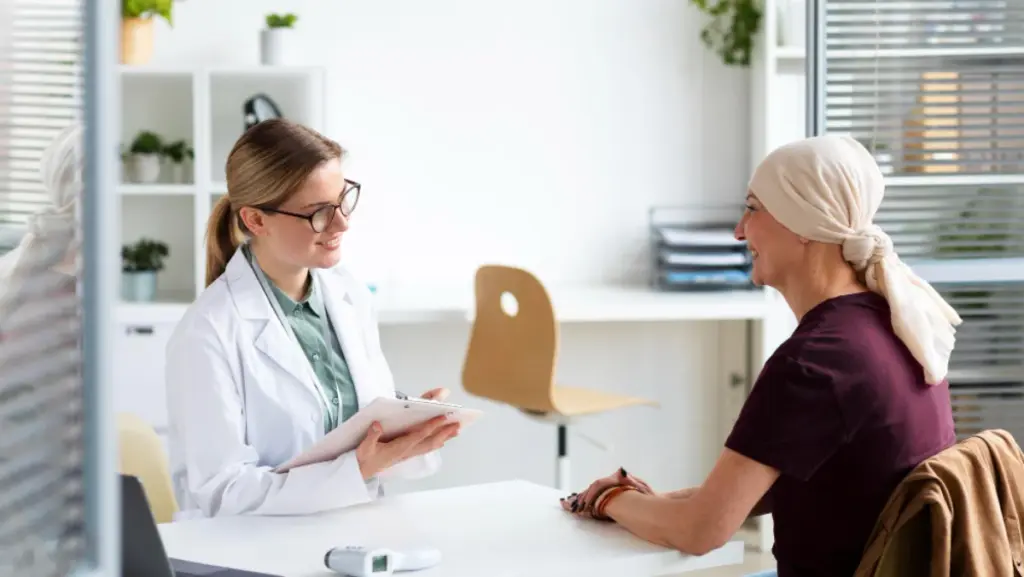
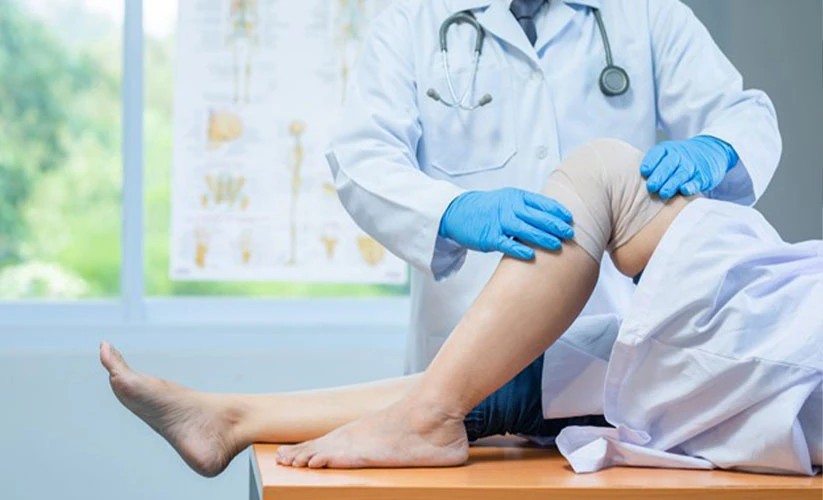
Doctors check pain levels, joint movement, swelling, and posture. This helps understand how the condition is affecting daily activities and mobility.
Medical History Review Past injuries, lifestyle habits, and existing health conditions are reviewed. This gives important clues about the possible cause and severity of the issue.
Imaging Tests
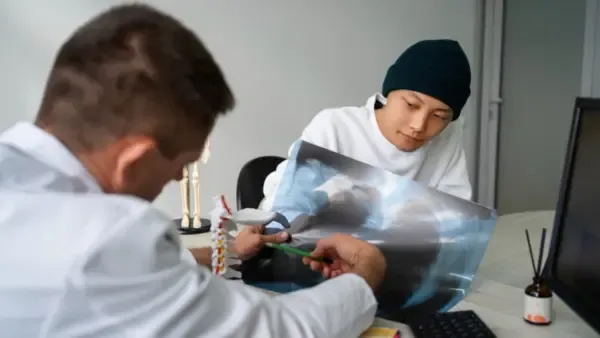
X-ray: Detects fractures and bone problems
MRI: Shows detailed images of soft tissues, ligaments, and discs
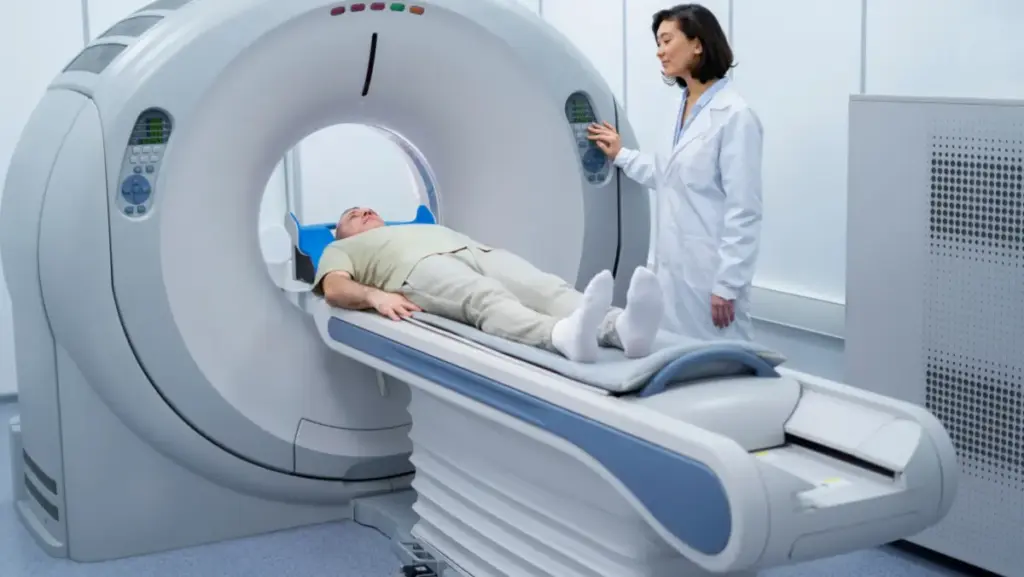
CT Scan: Provides advanced and clear views of bones and joints for accurate diagnosis
Movement & Joint Assessment
Doctors evaluate flexibility, strength, and stability of the affected areas. This helps in identifying functional limitations and planning suitable treatment.
At reputed centers like Kannappa Memorial Hospital, advanced diagnostic tools and expert evaluation ensure accurate diagnosis, leading to effective and personalized orthopedic treatment in Chennai.
Orthopedic treatments are broadly classified into non-surgical and surgical approaches, depending on the severity of the condition and the patient’s overall health.
With medical advancements, orthopedic care has evolved significantly:
Facilities offering advanced Orthopedic treatment in Chennai, such as Kannappa Memorial Hospital, focus on combining technology with expert care for better patient outcomes.
Recovery is a crucial phase in orthopedic treatment and often determines long-term success. A well-planned rehabilitation process helps patients regain strength, mobility, and confidence after injury or surgery.
A structured rehabilitation program is a key part of successful orthopedic treatment, helping patients achieve optimal recovery and improved quality of life.
Preventing orthopedic issues is always better than treating them. Adopting healthy daily habits can protect your bones, joints, and muscles for the long term.
These preventive measures significantly reduce the risk of orthopedic problems and support a healthier, more active life.
It is advisable to see an orthopedic specialist if you notice any of the following symptoms:
Early consultation ensures timely Orthopedic treatment in Chennai, preventing complications and improving recovery outcomes.
Very good service, too kind staffs and nurses. Great doctors. Clean hygiene atmosphere. Accurate treatment and advice on time. My Thanks to the hospital and everyone belongs to it. Requesting to continue the same.
Maintaining strong orthopedic health is important for staying active and free from pain. Issues involving the bones, joints, muscles, or spine can interfere with everyday activities if not addressed early. With timely diagnosis, modern treatments, and proper rehabilitation, most orthopedic conditions can be managed successfully.
Modern Orthopedic treatment in Chennai offers a wide range of solutions—from non-surgical therapies to advanced robotic-assisted surgeries—ensuring personalized care for every patient.Hospitals like Kannappa Memorial Hospital play a crucial role in delivering comprehensive orthopedic services backed by experienced specialists, advanced technology, and patient-centered care.
Read Also: Hematology Treatment in Chennai
Orthopedic care is essential for maintaining mobility and quality of life. The musculoskeletal system includes bones, joints, muscles, ligaments, and the spine, all of which support daily movement. Orthopedic issues are increasing due to aging, sedentary lifestyles, sports injuries, and long working hours. Common conditions include fractures, arthritis, ligament injuries, back pain, and joint disorders. Diagnosis involves physical exams and imaging, while treatments range from medication and physiotherapy to minimally invasive surgery. Preventive measures like exercise, proper posture, and ergonomics are important. Hospitals like Kannappa Memorial Hospital provide comprehensive, patient-centered care for faster recovery.
What is Orthopedics?
Common Orthopedic Problems
Causes & Risk Factors
Symptoms
Diagnosis Process
Treatment Options
Advanced Orthopedic Care
Recovery & Rehabilitation
Prevention Tips
When to See a Doctor
Patient Testimonals
Conclusion
Orthopedics is a branch of medical science that focuses on diagnosing, treating, preventing, and rehabilitating disorders related to the musculoskeletal system.
It covers:
Orthopedic specialists, also known as orthopedic surgeons, manage a wide range of conditions from simple fractures to complex spinal deformities. The goal of orthopedics is not just treatment but also restoring function, improving mobility, and enhancing a patient’s quality of life.
Orthopedic problems can occur in people of any age group. The most frequently treated issues include:
These conditions require timely Orthopedic treatment in Chennai to prevent complications and long-term disability.
Orthopedic problems may arise due to multiple reasons:
Identifying warning signs at an early stage can help prevent complications and ensure faster recovery.
Common Warning Signs Include:
If these symptoms persist, seeking timely Orthopedic treatment in Chennai is important to avoid worsening conditions.
An accurate diagnosis forms the basis of effective orthopedic treatment. Specialists follow a clear and step-by-step approach to identify the exact problem and plan proper treatment.
Physical Examination
Doctors check pain levels, joint movement, swelling, and posture. This helps understand how the condition is affecting daily activities and mobility.
Medical History Review Past injuries, lifestyle habits, and existing health conditions are reviewed. This gives important clues about the possible cause and severity of the issue.
Imaging Tests
X-ray: Detects fractures and bone problems
MRI: Shows detailed images of soft tissues, ligaments, and discs
CT Scan: Provides advanced and clear views of bones and joints for accurate diagnosis
Movement & Joint Assessment
Doctors evaluate flexibility, strength, and stability of the affected areas. This helps in identifying functional limitations and planning suitable treatment.
At reputed centers like Kannappa Memorial Hospital, advanced diagnostic tools and expert evaluation ensure accurate diagnosis, leading to effective and personalized orthopedic treatment in Chennai.
Orthopedic treatments are broadly classified into non-surgical and surgical approaches, depending on the severity of the condition and the patient’s overall health.
With medical advancements, orthopedic care has evolved significantly:
Facilities offering advanced Orthopedic treatment in Chennai, such as Kannappa Memorial Hospital, focus on combining technology with expert care for better patient outcomes.
Recovery is a crucial phase in orthopedic treatment and often determines long-term success. A well-planned rehabilitation process helps patients regain strength, mobility, and confidence after injury or surgery.
A structured rehabilitation program is a key part of successful orthopedic treatment, helping patients achieve optimal recovery and improved quality of life.
Preventing orthopedic issues is always better than treating them. Adopting healthy daily habits can protect your bones, joints, and muscles for the long term.
These preventive measures significantly reduce the risk of orthopedic problems and support a healthier, more active life.
It is advisable to see an orthopedic specialist if you notice any of the following symptoms:
Early consultation ensures timely Orthopedic treatment in Chennai, preventing complications and improving recovery outcomes.
Very good service, too kind staffs and nurses. Great doctors. Clean hygiene atmosphere. Accurate treatment and advice on time. My Thanks to the hospital and everyone belongs to it. Requesting to continue the same.
Maintaining strong orthopedic health is important for staying active and free from pain. Issues involving the bones, joints, muscles, or spine can interfere with everyday activities if not addressed early. With timely diagnosis, modern treatments, and proper rehabilitation, most orthopedic conditions can be managed successfully.
Modern Orthopedic treatment in Chennai offers a wide range of solutions—from non-surgical therapies to advanced robotic-assisted surgeries—ensuring personalized care for every patient.Hospitals like Kannappa Memorial Hospital play a crucial role in delivering comprehensive orthopedic services backed by experienced specialists, advanced technology, and patient-centered care.
Read Also: Hematology Treatment in Chennai
Common orthopedic treatments include medications for pain and inflammation, physiotherapy, and exercise therapy to restore movement and strength. Doctors may also recommend braces, splints, or supports for stability. In some cases, injections are used to reduce pain and swelling. If needed, surgical options such as arthroscopy, fracture fixation, or joint replacement are performed to repair or replace damaged bones and joints.
The most painful orthopedic procedures are usually major surgeries involving bones and joints. Total knee replacement and spinal surgery are often considered highly painful due to extensive tissue and bone work, followed by a significant recovery period. Other painful procedures include hip replacement and complex fracture repairs. However, modern anesthesia, pain management, and physiotherapy help reduce discomfort and improve recovery.
The easiest orthopedic surgeries to recover from are typically minimally invasive procedures like arthroscopy. These involve small incisions, less tissue damage, and faster healing. Arthroscopy of the knee or shoulder for minor repairs often allows quick return to normal activities. Simple fracture fixations and minor ligament repairs also heal relatively quickly with proper rest, physiotherapy, and post-operative care.