Infectious diseases continue to be one of the most significant health challenges worldwide, ranging from mild seasonal infections to life-threatening systemic illnesses. In a densely populated city like Chennai, timely diagnosis and expert management are crucial to prevent complications and community spread.
At Kannappa Memorial Hospital, we provide advanced and evidence-based infectious diseases treatment in Chennai, combining clinical expertise, modern diagnostics, and patient-centered care. Our goal is not just to treat infections but to identify the root cause, prevent recurrence, and ensure long-term recovery.With a dedicated team of specialists and advanced infection control protocols, we deliver safe, accurate, and personalized treatment for all types of infectious diseases.
Infectious diseases are illnesses caused by harmful microorganisms such as bacteria, viruses, fungi, or parasites that enter the body and multiply, leading to illness. These diseases can range from mild conditions like the common cold to serious infections such as tuberculosis or dengue.
They often spread from one person to another through air, contaminated food or water, insect bites, or direct contact with infected individuals or surfaces.
At Kannappa Memorial Hospital, we manage a wide range of infections using advanced diagnostic and therapeutic methods.
These infections are caused by bacteria, which are single-celled microorganisms that can live in different environments, including the human body.
These are caused by viruses, which are very tiny infectious agents that cannot survive or reproduce without entering a living host cell.
These infections are caused by fungi such as yeasts and molds, which thrive in warm and moist environments.
Each of these conditions requires specialized evaluation and targeted care. Our infectious diseases treatment in Chennai ensures accurate diagnosis and effective management tailored to each patient’s condition.
Infectious diseases are caused by different types of microorganisms that enter the human body, multiply, and disrupt normal physiological functions. These disease-causing organisms are mainly bacteria, viruses, fungi, protozoa, and helminths.
Thus, infectious diseases arise when these pathogens enter the body, survive, and interfere with normal biological processes.
Early recognition of symptoms plays a critical role in preventing complications.
You should seek medical attention if you experience:
Ignoring these symptoms may lead to delayed diagnosis and severe health outcomes. At Kannappa Memorial Hospital, early evaluation ensures effective infectious diseases treatment in Chennai with better recovery rates.
While many common infections can be managed with routine medical care, some conditions require the expertise of an infectious disease specialist for accurate diagnosis and effective treatment. Early consultation can help prevent complications and ensure faster recovery.
At Kannappa Memorial Hospital, our experienced infectious disease specialists are equipped to manage both routine and complex infections. We provide advanced, evidence-based infectious diseases treatment in Chennai with a strong focus on accuracy, safety, and patient-centered care.
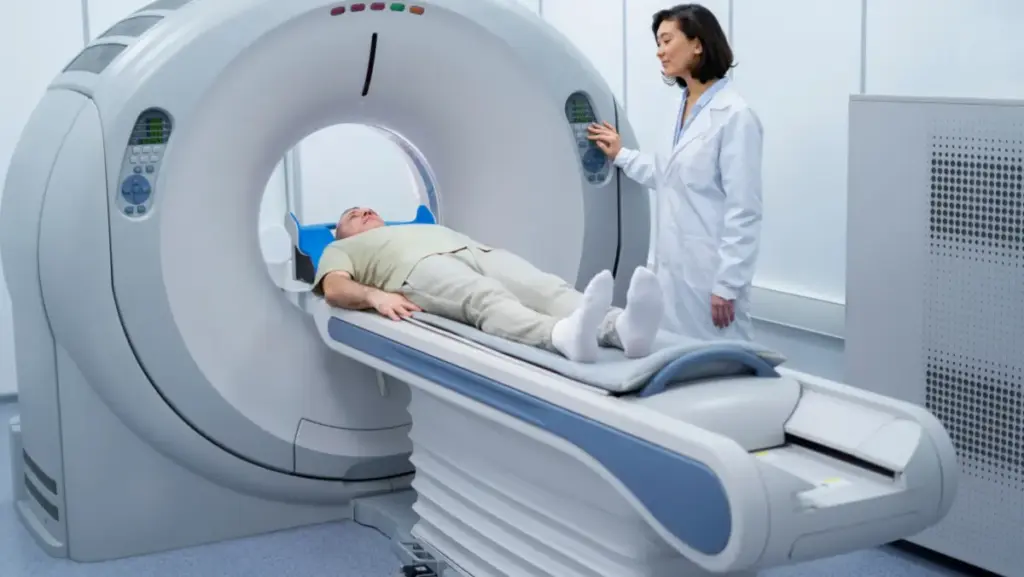
Accurate diagnosis forms the foundation of effective treatment. At Kannappa Memorial Hospital, we use state-of-the-art diagnostic tools to identify infections quickly and precisely.
Diagnostic Methods Include:
Treatment is not just about prescribing medication—it is about comprehensive care and recovery.
Our Treatment Methods Include:
At Kannappa Memorial Hospital, every treatment plan is personalized based on the patient’s condition, ensuring safe and effective infectious diseases treatment in Chennai with optimal outcomes.
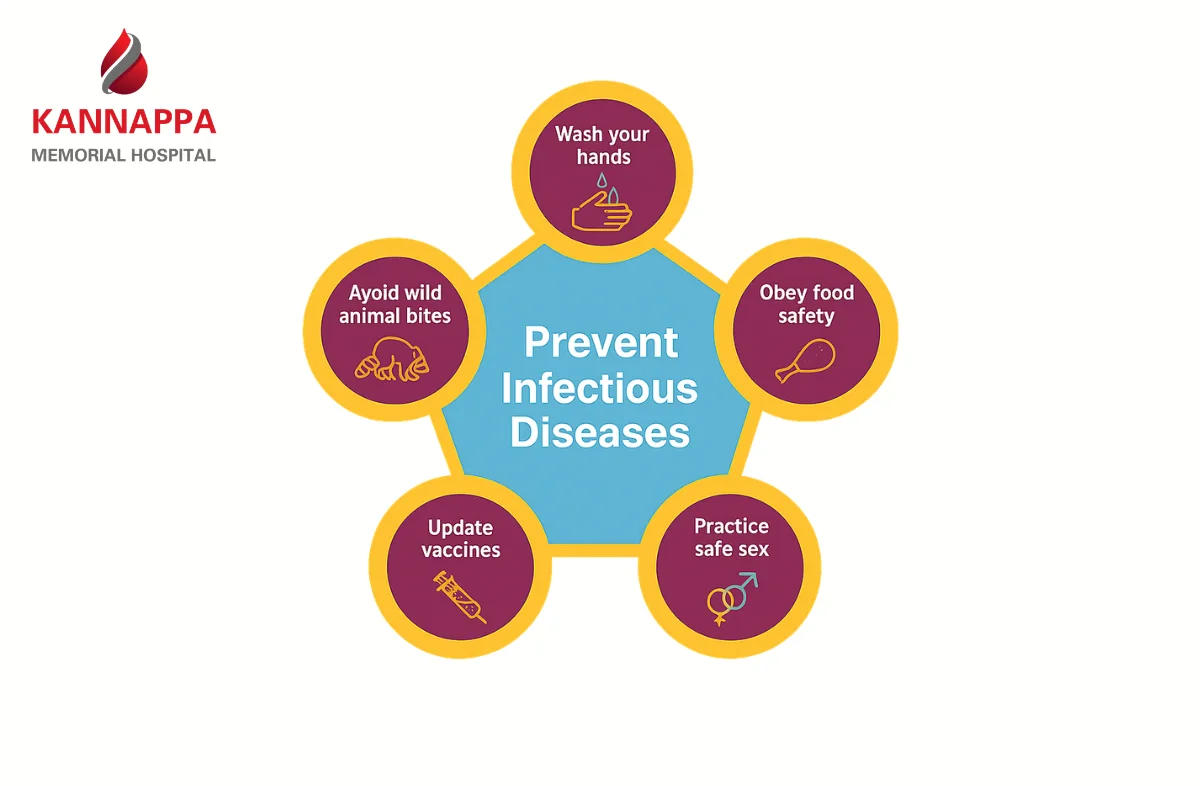
Preventing infections is just as important as treating them. Our hospital focuses strongly on long-term health protection.
Preventive Measures Include:
We also educate patients on maintaining long-term immunity and preventing reinfection.
Selecting the right hospital plays a vital role in ensuring effective diagnosis, treatment, and recovery from infectious diseases.
At Kannappa Memorial Hospital, we integrate advanced medical knowledge with compassionate patient care to offer dependable infectious disease treatment in Chennai.
Our commitment goes beyond treating illnesses—we aim for complete recovery, improved health outcomes, and long-term well-being for every patient.
Infectious diseases require timely diagnosis, expert intervention, and consistent follow-up care. With rising health challenges in urban environments like Chennai, access to specialized care becomes essential.
At Kannappa Memorial Hospital, we are committed to delivering advanced, safe, and effective infectious diseases treatment in Chennai through a combination of modern diagnostics, expert specialists, and patient-centered care. From prevention to diagnosis and treatment, our comprehensive approach ensures that every patient receives the highest standard of medical care. Whether it is a common infection or a complex chronic condition, we are here to support your journey to recovery with trust, expertise, and compassion.
Infectious diseases continue to be one of the most significant health challenges worldwide, ranging from mild seasonal infections to life-threatening systemic illnesses. In a densely populated city like Chennai, timely diagnosis and expert management are crucial to prevent complications and community spread.
At Kannappa Memorial Hospital, we provide advanced and evidence-based infectious diseases treatment in Chennai, combining clinical expertise, modern diagnostics, and patient-centered care. Our goal is not just to treat infections but to identify the root cause, prevent recurrence, and ensure long-term recovery.With a dedicated team of specialists and advanced infection control protocols, we deliver safe, accurate, and personalized treatment for all types of infectious diseases.
What Are Infectious Diseases?
Types of Infectious Diseases
Causes of Infectious Diseases
Symptoms You Should Not Ignore
When to Consult an Infectious Disease Doctor
Diagnosis & Advanced Testing
Treatment Approach
Prevention & Long-Term Care
Why Choose Us
Conclusion
Infectious diseases are illnesses caused by harmful microorganisms such as bacteria, viruses, fungi, or parasites that enter the body and multiply, leading to illness. These diseases can range from mild conditions like the common cold to serious infections such as tuberculosis or dengue.
They often spread from one person to another through air, contaminated food or water, insect bites, or direct contact with infected individuals or surfaces.
At Kannappa Memorial Hospital, we manage a wide range of infections using advanced diagnostic and therapeutic methods.
These infections are caused by bacteria, which are single-celled microorganisms that can live in different environments, including the human body.
These are caused by viruses, which are very tiny infectious agents that cannot survive or reproduce without entering a living host cell.
These infections are caused by fungi such as yeasts and molds, which thrive in warm and moist environments.
Each of these conditions requires specialized evaluation and targeted care. Our infectious diseases treatment in Chennai ensures accurate diagnosis and effective management tailored to each patient’s condition.
Infectious diseases are caused by different types of microorganisms that enter the human body, multiply, and disrupt normal physiological functions. These disease-causing organisms are mainly bacteria, viruses, fungi, protozoa, and helminths.
Thus, infectious diseases arise when these pathogens enter the body, survive, and interfere with normal biological processes.
Early recognition of symptoms plays a critical role in preventing complications.
You should seek medical attention if you experience:
Ignoring these symptoms may lead to delayed diagnosis and severe health outcomes. At Kannappa Memorial Hospital, early evaluation ensures effective infectious diseases treatment in Chennai with better recovery rates.
While many common infections can be managed with routine medical care, some conditions require the expertise of an infectious disease specialist for accurate diagnosis and effective treatment. Early consultation can help prevent complications and ensure faster recovery.
At Kannappa Memorial Hospital, our experienced infectious disease specialists are equipped to manage both routine and complex infections. We provide advanced, evidence-based infectious diseases treatment in Chennai with a strong focus on accuracy, safety, and patient-centered care.
Accurate diagnosis forms the foundation of effective treatment. At Kannappa Memorial Hospital, we use state-of-the-art diagnostic tools to identify infections quickly and precisely.
Diagnostic Methods Include:
Treatment is not just about prescribing medication—it is about comprehensive care and recovery.
Our Treatment Methods Include:
At Kannappa Memorial Hospital, every treatment plan is personalized based on the patient’s condition, ensuring safe and effective infectious diseases treatment in Chennai with optimal outcomes.
Preventing infections is just as important as treating them. Our hospital focuses strongly on long-term health protection.
Preventive Measures Include:
We also educate patients on maintaining long-term immunity and preventing reinfection.
Selecting the right hospital plays a vital role in ensuring effective diagnosis, treatment, and recovery from infectious diseases.
At Kannappa Memorial Hospital, we integrate advanced medical knowledge with compassionate patient care to offer dependable infectious disease treatment in Chennai.
Our commitment goes beyond treating illnesses—we aim for complete recovery, improved health outcomes, and long-term well-being for every patient.
Infectious diseases require timely diagnosis, expert intervention, and consistent follow-up care. With rising health challenges in urban environments like Chennai, access to specialized care becomes essential.
At Kannappa Memorial Hospital, we are committed to delivering advanced, safe, and effective infectious diseases treatment in Chennai through a combination of modern diagnostics, expert specialists, and patient-centered care. From prevention to diagnosis and treatment, our comprehensive approach ensures that every patient receives the highest standard of medical care. Whether it is a common infection or a complex chronic condition, we are here to support your journey to recovery with trust, expertise, and compassion.
The best treatment for infectious diseases depends on the cause. Bacterial infections need antibiotics, viral infections may need antivirals or supportive care, fungal infections require antifungals, and parasitic infections need antiparasitic drugs. Proper diagnosis, rest, fluids, and good nutrition help recovery. Severe cases may require hospital care. Always use medicines prescribed by a doctor.
To remove an infection from the body, the cause must be treated with appropriate medicines such as antibiotics, antivirals, antifungals, or antiparasitics depending on the organism. Rest, hydration, and nutrition support immune function. Maintain hygiene, complete prescribed medication, and monitor symptoms. Seek medical care early for severe or worsening infection to prevent complications and spread and further health risks avoided.
Infections are caused by microorganisms and related factors. The main causes include bacteria, viruses, fungi, and parasites. Other causes are contaminated food or water, poor hygiene or sanitation, and weakened immunity due to illness, stress, or malnutrition. These agents enter the body, multiply, and trigger disease. Preventive care like hygiene and vaccination reduces risk significantly.