
Hip pain is a common musculoskeletal condition that affects people of all ages from young athletes to elderly individuals. It can range from mild discomfort to severe pain that interferes with daily activities like walking, climbing stairs, sitting, or even sleeping. When left untreated, hip pain can significantly reduce mobility and overall quality of life.
In a growing healthcare hub like Chennai, patients are increasingly searching for effective hip pain treatment in Chennai and consulting a trusted hip specialist Chennai for long-term relief. Early diagnosis and proper treatment are crucial to prevent complications and restore normal function. At Kannappa Memorial Hospital, patients receive advanced orthopedic care backed by experienced specialists, modern diagnostics, and personalized treatment plans.
The hip joint is among the largest joints in the human body. It connects your thigh bone (femur) to your pelvis and helps you move your legs smoothly. It is a very strong joint because it supports your full body weight when you stand, walk, or run.
The hip joint is referred to as a ball-and-socket joint.
The hip joint is one of the most important joints for everyday movement. It allows the leg to move in different directions smoothly, which helps in normal daily activities without strain.
With a healthy hip joint, a person can comfortably perform actions such as:
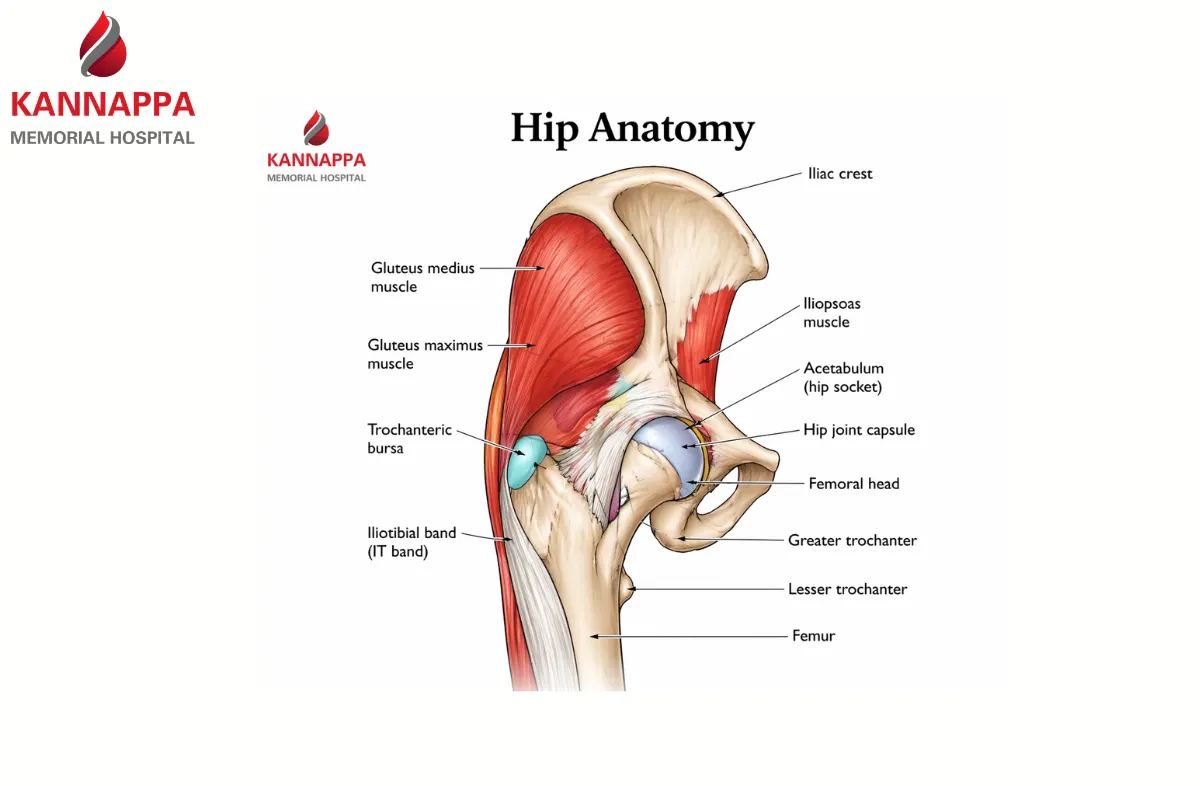
Understanding the underlying cause of hip pain is essential for choosing the right treatment approach. At Kannappa Memorial Hospital, specialists focus on identifying the exact cause before recommending a personalized treatment plan.
Osteoarthritis: Osteoarthritis is the leading cause of hip pain, especially in older adults. It occurs when the protective cartilage in the hip joint gradually wears down, leading to pain, stiffness, and reduced mobility. Early management can slow progression and improve joint function.
Rheumatoid Arthritis: This is an autoimmune condition where the body’s immune system attacks the joints, causing inflammation, swelling, and pain. It can affect both hips and may lead to long-term joint damage if not treated early.
Bursitis / Tendonitis: Inflammation of the bursae (fluid-filled sacs) or tendons around the hip can cause sharp pain, especially during movement or pressure. This is often due to repetitive stress or prolonged sitting.
Labral Tear: The labrum is a ring of cartilage that stabilizes the hip joint. A tear can occur due to injury, structural abnormalities, or repetitive motion, leading to pain, clicking, or locking sensations.
Sports Injuries / Overuse: Athletes and physically active individuals may experience hip pain due to muscle strains, ligament injuries, or overuse. Improper training techniques and lack of recovery time can worsen the condition.
Hip Fractures: Common in elderly individuals, especially those with osteoporosis, hip fractures usually result from falls or trauma.
Recognizing symptoms early can help you seek timely care from a hip specialist in Chennai and prevent the condition from worsening.
Early recognition of these symptoms allows for timely diagnosis and appropriate treatment, helping to maintain mobility and improve quality of life.
Accurate diagnosis forms the cornerstone of effective treatment, enabling precise care planning and better patient outcomes.A proper evaluation helps identify the exact cause of hip pain and ensures the right treatment plan is chosen.
Clinical Examination: The first step involves a detailed physical assessment by an orthopedic specialist. This includes evaluating range of motion, identifying pain points, checking gait, and assessing overall joint function.
X-ray: An X-ray is commonly used to detect bone-related issues such as fractures, joint space narrowing, and conditions like Osteoarthritis.
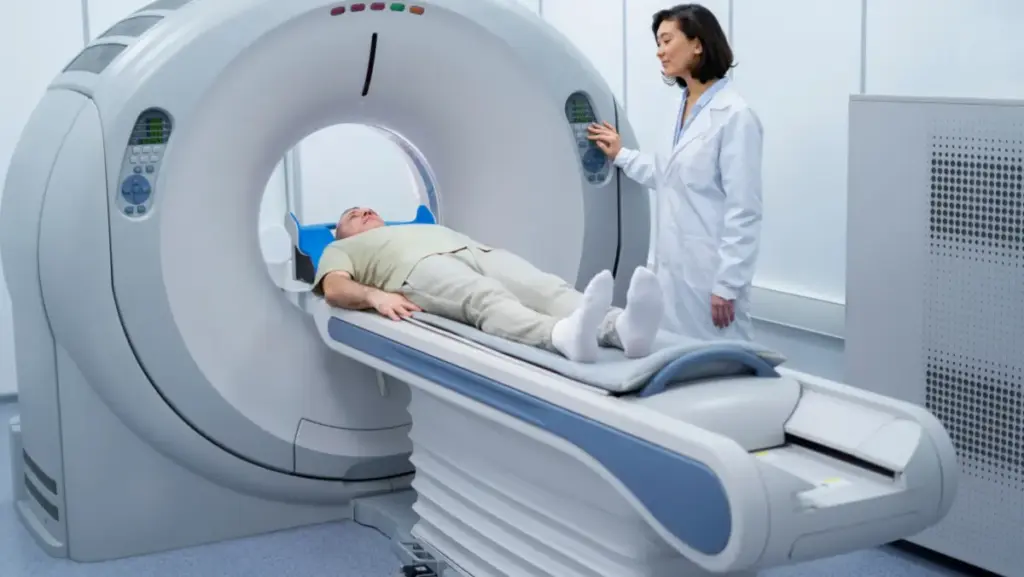
MRI Scan: Magnetic Resonance Imaging provides detailed images of soft tissues, helping diagnose damage to cartilage, ligaments, tendons, and muscles. It is especially useful in detecting early-stage conditions and internal injuries not visible on X-rays.
Ultrasound: Ultrasound imaging is effective for identifying inflammation, fluid accumulation, and soft tissue injuries around the hip joint. It is often used for guided injections as well.
Blood Tests: Blood investigations help rule out infections and detect autoimmune disorders such as Rheumatoid Arthritis that may affect the hip joint.
Get accurate diagnosis in Chennai at advanced orthopedic centers for precise treatment planning and better recovery outcomes.
Hip pain treatment in Chennai is tailored based on the severity of the condition, underlying cause, and patient lifestyle. A stepwise approach is usually followed, starting with conservative care and progressing to advanced options if required.
For mild to moderate hip conditions, non-surgical treatments are often highly effective in reducing pain and improving function.
Advanced treatment options focus on tissue healing, pain reduction, and improved joint function in selected patients.
Surgery is considered when conservative and advanced treatments do not provide sufficient relief or when joint damage is severe.
Persistent hip pain should never be overlooked, as delaying care can lead to worsening symptoms and long-term joint issues. Seeking medical attention early allows for accurate diagnosis and timely treatment.
You should consult a specialist if you notice:
Early consultation with an orthopedic specialist in Chennai can help identify the underlying cause and begin the right treatment before the condition progresses.
Hip conditions vary from person to person, so a single treatment plan does not work for everyone. Effective management depends on individual factors such as age, severity of the condition, lifestyle, and overall health.
Treatment approaches are often guided by the patient’s age and activity level:
The stage of the condition determines the treatment strategy:
A structured, step-by-step approach ensures safe and effective care:
This personalized approach helps ensure better outcomes, avoids unnecessary procedures, and supports long-term pain relief while restoring hip function and mobility.
Recovery is just as important as treatment. A proper rehab plan helps you heal faster, avoid future problems, and get back to normal life. At Kannappa Memorial Hospital, rehab programs are simple, safe, and customized for each patient.
Physiotherapy Plan: You will get simple exercises to reduce pain, improve movement, and make your hip stronger step by step.
Strengthening Exercises: Exercises focus on strengthening your hip, thigh, and core muscles so your joint becomes more stable and less painful.
Gait Training: If your walking pattern has changed due to pain, doctors will help you walk properly again with correct posture and balance.
Return-to-Activity Timeline: You will slowly return to daily activities, work, and sports in stages. This helps prevent re-injury.
Choosing the right treatment plan for hip pain can significantly improve both physical health and overall well-being. With advanced orthopedic care available at Kannappa Memorial Hospital, patients can experience long-lasting relief and better mobility.
Proper treatment offers multiple advantages:
Preventing hip pain is possible with consistent lifestyle habits and joint-friendly practices. The following measures can help reduce strain on the hip joint and maintain long-term mobility:
Very good service, too kind staffs and nurses. Great doctors. Clean hygiene atmosphere. Accurate treatment and advice on time. My Thanks to the hospital and everyone belongs to it. Requesting to continue the same.
Hip pain can affect every aspect of life, from mobility to mental well-being. Early diagnosis, expert care, and a personalized treatment approach are key to effective recovery. Whether it’s conservative therapy or advanced surgical solutions, choosing the right healthcare provider makes all the difference.
For those seeking reliable hip pain treatment in Chennai and consultation with an experienced hip specialist Chennai, advanced centers like Kannappa Memorial Hospital provide comprehensive care using modern techniques and patient-focused treatment strategies.
Hip pain is a common musculoskeletal condition that affects people of all ages from young athletes to elderly individuals. It can range from mild discomfort to severe pain that interferes with daily activities like walking, climbing stairs, sitting, or even sleeping. When left untreated, hip pain can significantly reduce mobility and overall quality of life.
In a growing healthcare hub like Chennai, patients are increasingly searching for effective hip pain treatment in Chennai and consulting a trusted hip specialist Chennai for long-term relief. Early diagnosis and proper treatment are crucial to prevent complications and restore normal function. At Kannappa Memorial Hospital, patients receive advanced orthopedic care backed by experienced specialists, modern diagnostics, and personalized treatment plans.
Hip Joint Overview
Causes of Hip Pain
Symptoms of Hip Conditions
Diagnosis of Hip Conditions
Treatment Options
When to See a Doctor
Personalized Treatment
Rehabilitation & Recovery
Benefits Of Treatment
Prevention Tips
Patient Testimonal
Conclusion
The hip joint is among the largest joints in the human body. It connects your thigh bone (femur) to your pelvis and helps you move your legs smoothly. It is a very strong joint because it supports your full body weight when you stand, walk, or run.
The hip joint is referred to as a ball-and-socket joint.
The hip joint is one of the most important joints for everyday movement. It allows the leg to move in different directions smoothly, which helps in normal daily activities without strain.
With a healthy hip joint, a person can comfortably perform actions such as:
Understanding the underlying cause of hip pain is essential for choosing the right treatment approach. At Kannappa Memorial Hospital, specialists focus on identifying the exact cause before recommending a personalized treatment plan.
Osteoarthritis: Osteoarthritis is the leading cause of hip pain, especially in older adults. It occurs when the protective cartilage in the hip joint gradually wears down, leading to pain, stiffness, and reduced mobility. Early management can slow progression and improve joint function.
Rheumatoid Arthritis: This is an autoimmune condition where the body’s immune system attacks the joints, causing inflammation, swelling, and pain. It can affect both hips and may lead to long-term joint damage if not treated early.
Bursitis / Tendonitis: Inflammation of the bursae (fluid-filled sacs) or tendons around the hip can cause sharp pain, especially during movement or pressure. This is often due to repetitive stress or prolonged sitting.
Labral Tear: The labrum is a ring of cartilage that stabilizes the hip joint. A tear can occur due to injury, structural abnormalities, or repetitive motion, leading to pain, clicking, or locking sensations.
Sports Injuries / Overuse: Athletes and physically active individuals may experience hip pain due to muscle strains, ligament injuries, or overuse. Improper training techniques and lack of recovery time can worsen the condition.
Hip Fractures: Common in elderly individuals, especially those with osteoporosis, hip fractures usually result from falls or trauma.
Recognizing symptoms early can help you seek timely care from a hip specialist in Chennai and prevent the condition from worsening.
Early recognition of these symptoms allows for timely diagnosis and appropriate treatment, helping to maintain mobility and improve quality of life.
Accurate diagnosis forms the cornerstone of effective treatment, enabling precise care planning and better patient outcomes.A proper evaluation helps identify the exact cause of hip pain and ensures the right treatment plan is chosen.
Clinical Examination: The first step involves a detailed physical assessment by an orthopedic specialist. This includes evaluating range of motion, identifying pain points, checking gait, and assessing overall joint function.
X-ray: An X-ray is commonly used to detect bone-related issues such as fractures, joint space narrowing, and conditions like Osteoarthritis.
MRI Scan: Magnetic Resonance Imaging provides detailed images of soft tissues, helping diagnose damage to cartilage, ligaments, tendons, and muscles. It is especially useful in detecting early-stage conditions and internal injuries not visible on X-rays.
Ultrasound: Ultrasound imaging is effective for identifying inflammation, fluid accumulation, and soft tissue injuries around the hip joint. It is often used for guided injections as well.
Blood Tests: Blood investigations help rule out infections and detect autoimmune disorders such as Rheumatoid Arthritis that may affect the hip joint.
Get accurate diagnosis in Chennai at advanced orthopedic centers for precise treatment planning and better recovery outcomes.
Hip pain treatment in Chennai is tailored based on the severity of the condition, underlying cause, and patient lifestyle. A stepwise approach is usually followed, starting with conservative care and progressing to advanced options if required.
For mild to moderate hip conditions, non-surgical treatments are often highly effective in reducing pain and improving function.
Advanced treatment options focus on tissue healing, pain reduction, and improved joint function in selected patients.
Surgery is considered when conservative and advanced treatments do not provide sufficient relief or when joint damage is severe.
Persistent hip pain should never be overlooked, as delaying care can lead to worsening symptoms and long-term joint issues. Seeking medical attention early allows for accurate diagnosis and timely treatment.
You should consult a specialist if you notice:
Early consultation with an orthopedic specialist in Chennai can help identify the underlying cause and begin the right treatment before the condition progresses.
Hip conditions vary from person to person, so a single treatment plan does not work for everyone. Effective management depends on individual factors such as age, severity of the condition, lifestyle, and overall health.
Treatment approaches are often guided by the patient’s age and activity level:
The stage of the condition determines the treatment strategy:
A structured, step-by-step approach ensures safe and effective care:
This personalized approach helps ensure better outcomes, avoids unnecessary procedures, and supports long-term pain relief while restoring hip function and mobility.
Recovery is just as important as treatment. A proper rehab plan helps you heal faster, avoid future problems, and get back to normal life. At Kannappa Memorial Hospital, rehab programs are simple, safe, and customized for each patient.
Physiotherapy Plan: You will get simple exercises to reduce pain, improve movement, and make your hip stronger step by step.
Strengthening Exercises: Exercises focus on strengthening your hip, thigh, and core muscles so your joint becomes more stable and less painful.
Gait Training: If your walking pattern has changed due to pain, doctors will help you walk properly again with correct posture and balance.
Return-to-Activity Timeline: You will slowly return to daily activities, work, and sports in stages. This helps prevent re-injury.
Choosing the right treatment plan for hip pain can significantly improve both physical health and overall well-being. With advanced orthopedic care available at Kannappa Memorial Hospital, patients can experience long-lasting relief and better mobility.
Proper treatment offers multiple advantages:
Preventing hip pain is possible with consistent lifestyle habits and joint-friendly practices. The following measures can help reduce strain on the hip joint and maintain long-term mobility:
Very good service, too kind staffs and nurses. Great doctors. Clean hygiene atmosphere. Accurate treatment and advice on time. My Thanks to the hospital and everyone belongs to it. Requesting to continue the same.
Hip pain can affect every aspect of life, from mobility to mental well-being. Early diagnosis, expert care, and a personalized treatment approach are key to effective recovery. Whether it’s conservative therapy or advanced surgical solutions, choosing the right healthcare provider makes all the difference.
For those seeking reliable hip pain treatment in Chennai and consultation with an experienced hip specialist Chennai, advanced centers like Kannappa Memorial Hospital provide comprehensive care using modern techniques and patient-focused treatment strategies.
Cancers that can cause hip pain include bone cancer and cancers that spread to bone such as breast, prostate, lung, kidney cancer, and multiple myeloma. Hip pain usually occurs when cancer metastasizes to the pelvis or femur, leading to persistent deep pain, often worse at night and not related to movement or activity.
The best way to relieve hip pain is to first rest the joint and avoid activities that worsen pain. Applying ice or heat can reduce discomfort. Gentle stretching and physiotherapy help improve flexibility and strength. Maintaining a healthy weight reduces pressure on the hip joint. Pain-relief medications may be used if needed. If pain persists, consulting a specialist for proper diagnosis and hip pain treatment in Chennai is important for long-term relief.
Early signs of hip problems include pain in the hip, groin, or buttock, stiffness in the joint, and reduced range of motion. You may also notice discomfort while walking, climbing stairs, or getting up from a chair. Some people experience clicking, locking, or weakness in the hip. Pain that worsens with activity or prolonged sitting can also indicate an underlying hip condition.