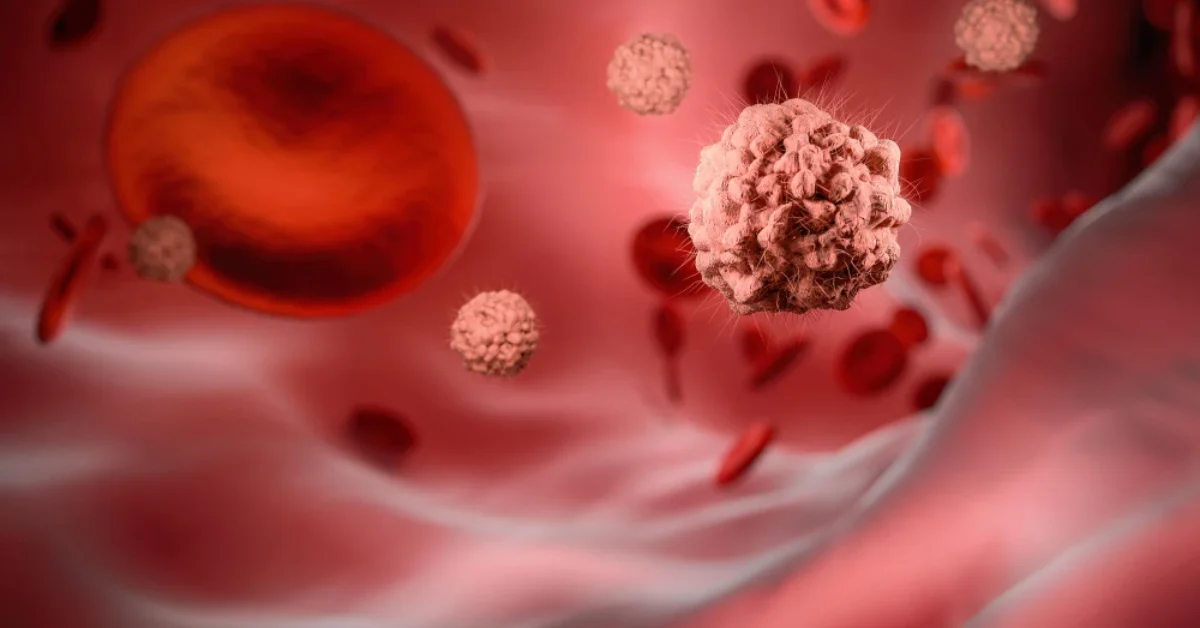
Blood cancer, also known as hematologic cancer, refers to a group of cancers that affect the blood, bone marrow, and lymphatic system. Unlike solid tumors that form in specific organs, blood cancers interfere with the production and function of blood cells, disrupting the body’s ability to fight infections, transport oxygen, and maintain normal clotting. It is one of the most serious forms of cancer, but advances in medical science have significantly improved diagnosis, treatment, and survival rates.
Blood cancer begins in the bone marrow, where most blood is produced. Normal bone marrow produces three types of blood cells:
In blood cancer, abnormal blood cells grow uncontrollably, crowding out healthy cells and impairing normal blood function. Depending on the type, it may affect immunity, oxygen delivery, or clotting ability.
Can progress into acute leukemia in severe cases.
Blood cancer develops when abnormal blood cells grow uncontrollably, interfering with the body’s normal blood function. While the exact cause is often unknown, research has identified several significant risk factors that increase the likelihood of developing the disease.
Blood cancer often develops quietly, and its early symptoms can be subtle, easily mistaken for minor illnesses or fatigue. Recognizing these warning signs is crucial for early diagnosis and effective treatment.
Because these symptoms overlap with other conditions, persistent signs should prompt immediate medical evaluation to ensure timely diagnosis and treatment. Early detection significantly improves outcomes and survival rates.
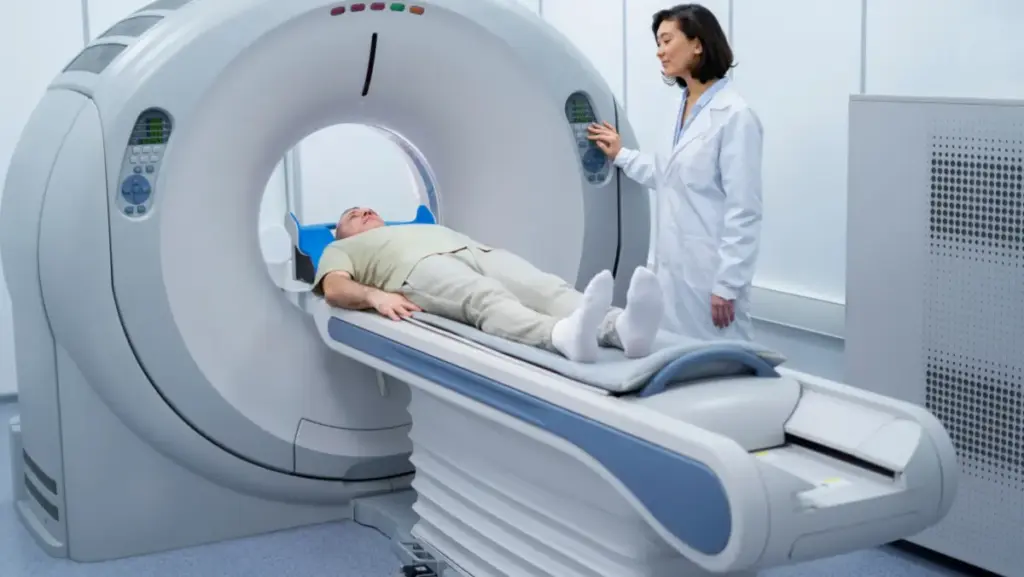
Diagnosing blood cancer requires a combination of tests to accurately detect abnormal blood cells, determine the type of cancer, and assess its progression. Timely and accurate diagnosis is crucial for effective treatment.
By combining these tests, doctors can confirm the diagnosis, classify the cancer type, and design a personalized treatment plan, improving the chances of successful outcomes.
Treatment depends on cancer type, stage, age, and overall health. Modern therapies aim to destroy cancer cells while preserving healthy ones.
Managing blood cancer involves more than just medical treatments like chemotherapy or radiation—it requires a holistic approach that focuses on overall well-being to support recovery, reduce complications, and improve quality of life.
By combining medical treatment with nutrition, exercise, emotional support, and infection prevention, patients can enhance recovery, reduce side effects, and maintain a better quality of life throughout their journey with blood cancer.
Medical science has made remarkable strides in the fight against blood cancer, introducing innovative therapies that improve survival rates and quality of life.
These innovations collectively demonstrate that blood cancer treatment is moving from broad, one-size-fits-all approaches to highly personalized, effective, and targeted therapies, offering hope for better outcomes and long-term survival.
There is no guaranteed way to prevent blood cancer, but risk can be reduced:
Survival depends on type, stage, and response to treatment:
The outlook is improving every year, thanks to research and better treatments.
Blood cancer is a life-changing diagnosis, but it is no longer the untreatable disease it once was. With early detection, advanced therapies, and supportive care, patients can achieve long-term remission and maintain quality of life. Raising awareness, encouraging regular health screenings, and supporting ongoing research are crucial to winning the fight against blood cancer.
Blood cancer, also known as hematologic cancer, refers to a group of cancers that affect the blood, bone marrow, and lymphatic system. Unlike solid tumors that form in specific organs, blood cancers interfere with the production and function of blood cells, disrupting the body’s ability to fight infections, transport oxygen, and maintain normal clotting. It is one of the most serious forms of cancer, but advances in medical science have significantly improved diagnosis, treatment, and survival rates.
What Is Blood Cancer?
Types of Blood Cancer
Causes and Risk Factors
Common Symptoms of Blood Cancer
Diagnosis of Blood Cancer
Treatment Options for Blood Cancer
Living with Blood Cancer
Advances in Blood Cancer Research
Prevention and Early Detection
Prognosis and Survival
Conclusion
Blood cancer begins in the bone marrow, where most blood is produced. Normal bone marrow produces three types of blood cells:
In blood cancer, abnormal blood cells grow uncontrollably, crowding out healthy cells and impairing normal blood function. Depending on the type, it may affect immunity, oxygen delivery, or clotting ability.
Can progress into acute leukemia in severe cases.
Blood cancer develops when abnormal blood cells grow uncontrollably, interfering with the body’s normal blood function. While the exact cause is often unknown, research has identified several significant risk factors that increase the likelihood of developing the disease.
Blood cancer often develops quietly, and its early symptoms can be subtle, easily mistaken for minor illnesses or fatigue. Recognizing these warning signs is crucial for early diagnosis and effective treatment.
Because these symptoms overlap with other conditions, persistent signs should prompt immediate medical evaluation to ensure timely diagnosis and treatment. Early detection significantly improves outcomes and survival rates.
Diagnosing blood cancer requires a combination of tests to accurately detect abnormal blood cells, determine the type of cancer, and assess its progression. Timely and accurate diagnosis is crucial for effective treatment.
By combining these tests, doctors can confirm the diagnosis, classify the cancer type, and design a personalized treatment plan, improving the chances of successful outcomes.
Treatment depends on cancer type, stage, age, and overall health. Modern therapies aim to destroy cancer cells while preserving healthy ones.
Managing blood cancer involves more than just medical treatments like chemotherapy or radiation—it requires a holistic approach that focuses on overall well-being to support recovery, reduce complications, and improve quality of life.
By combining medical treatment with nutrition, exercise, emotional support, and infection prevention, patients can enhance recovery, reduce side effects, and maintain a better quality of life throughout their journey with blood cancer.
Medical science has made remarkable strides in the fight against blood cancer, introducing innovative therapies that improve survival rates and quality of life.
These innovations collectively demonstrate that blood cancer treatment is moving from broad, one-size-fits-all approaches to highly personalized, effective, and targeted therapies, offering hope for better outcomes and long-term survival.
There is no guaranteed way to prevent blood cancer, but risk can be reduced:
Survival depends on type, stage, and response to treatment:
The outlook is improving every year, thanks to research and better treatments.
Blood cancer is a life-changing diagnosis, but it is no longer the untreatable disease it once was. With early detection, advanced therapies, and supportive care, patients can achieve long-term remission and maintain quality of life. Raising awareness, encouraging regular health screenings, and supporting ongoing research are crucial to winning the fight against blood cancer.
Blood cancers are sometimes curable, but it depends on the type, stage, and patient’s overall health. Leukemia, lymphoma, and myeloma respond differently to treatments like chemotherapy, radiation, targeted therapy, stem cell transplant, or immunotherapy. Some patients achieve complete remission and long-term survival, while others may require lifelong management. Early detection significantly improves treatment success and survival outcomes.
Life expectancy in blood cancer varies widely based on cancer type, stage, treatment response, and patient health. Some patients live many years in remission with proper therapy, while others may experience aggressive forms requiring continuous treatment. Advancements in modern medicine, stem cell transplants, and targeted therapies have significantly increased survival rates, offering hope for longer and healthier lives.
Blood cancer symptoms may include persistent fatigue, frequent infections, unexplained weight loss, easy bruising or bleeding, night sweats, swollen lymph nodes, bone pain, and shortness of breath. Many symptoms resemble common illnesses, making early detection challenging. If these issues persist or worsen, consulting a doctor for further evaluation and timely diagnosis is essential for better treatment outcomes.