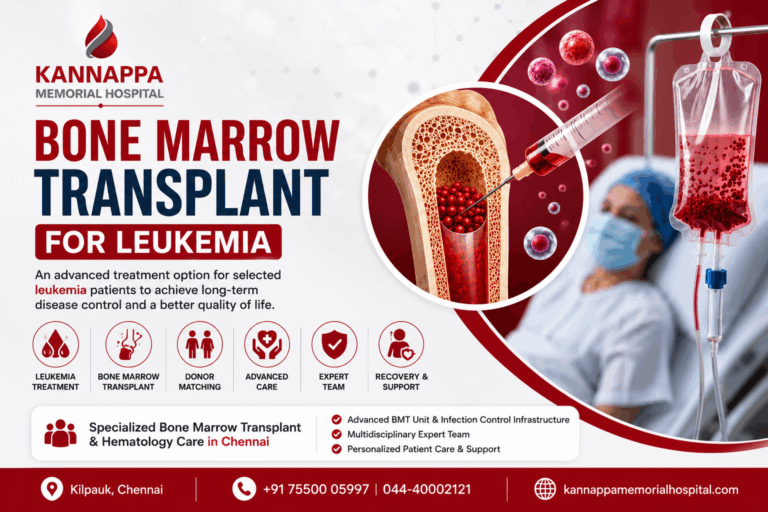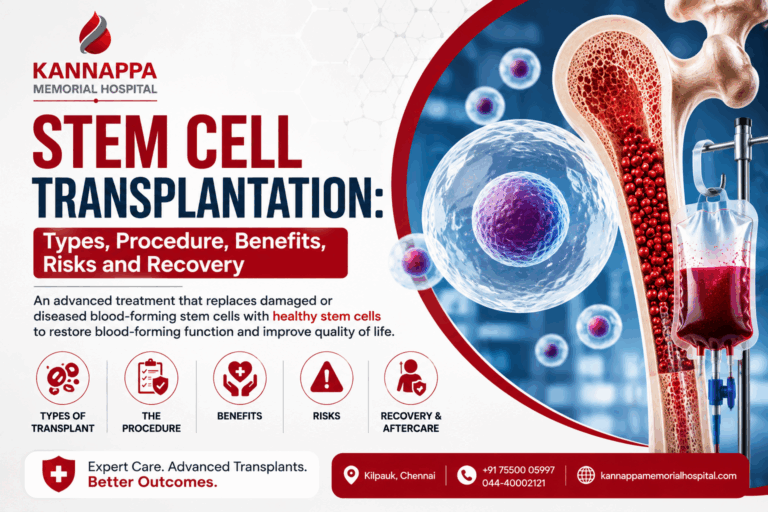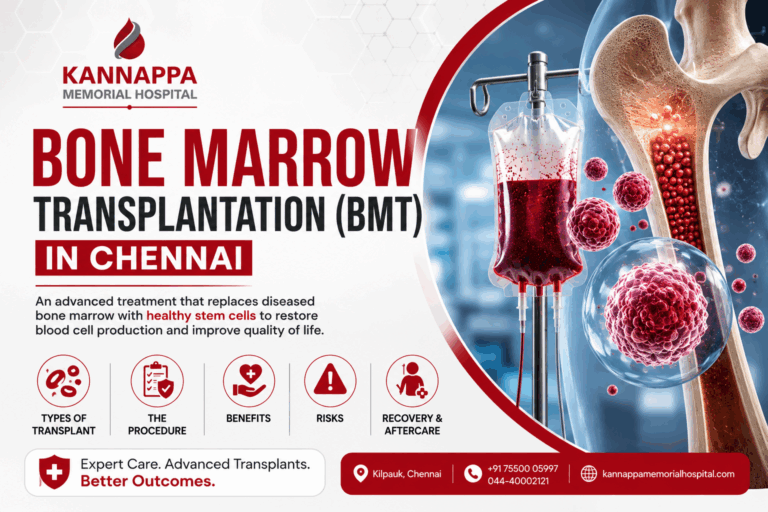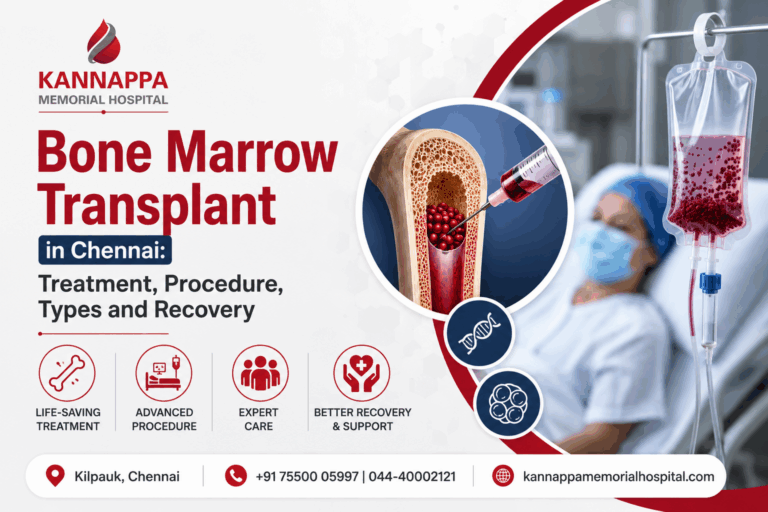
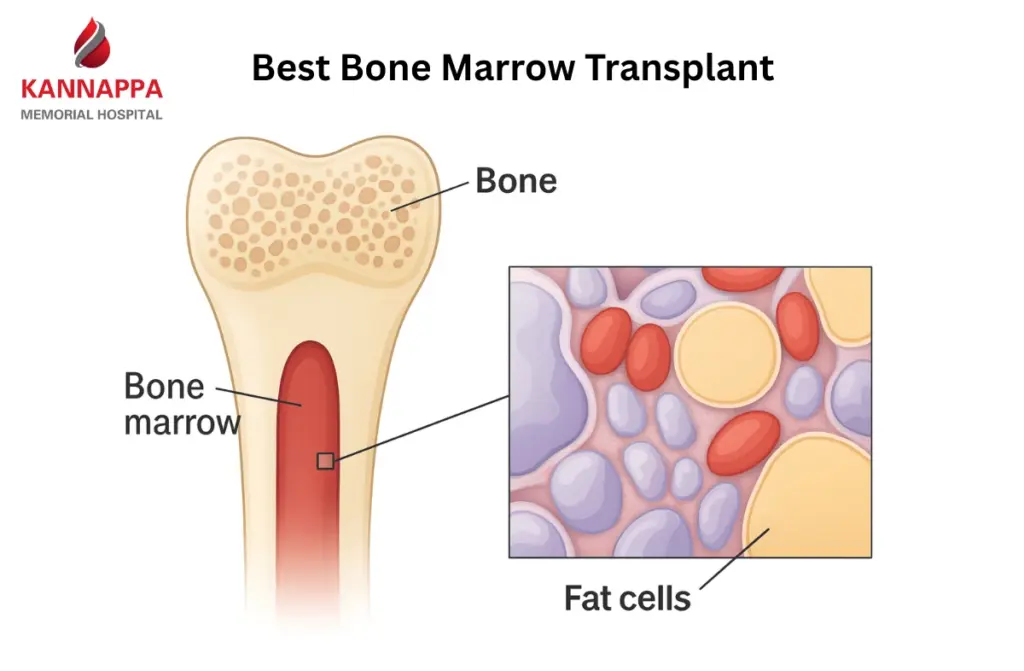
When your body’s blood-making factory the bone marrow stops working properly due to cancer or a severe immune disorder, life takes a sharp, overwhelming turn. That is where a bone marrow transplant steps in, offering not just hope, but a second chance at life. Whether battling leukemia, lymphoma, or aplastic anemia, choosing the best bone marrow transplant hospital in India is a decision that can define outcomes. It is not just about cutting-edge treatment it is about trust, care, and survival. The right hospital provides not only advanced medical expertise but also the compassion and support needed to navigate this challenging journey, giving patients and their families the confidence to move forward toward healing.
What is a Bone Marrow Transplant?
A bone marrow transplant (BMT) is a procedure that replaces damaged or destroyed bone marrow with healthy stem cells.It helps treat various conditions such as:
- Blood Cancers: Leukemia, lymphoma, multiple myeloma
- Bone Marrow Failure Disorders: Aplastic anemia
- Genetic Blood Disorders: Thalassemia, sickle cell disease
- Immune & Metabolic Disorders: Certain immune deficiencies
Types of Transplants:
- Autologous: Uses the patient’s own stem cells
- Allogeneic: Uses stem cells from a compatible donor, either a sibling or unrelated
- Haploidentical: Uses a partially matched family donor
Stem cells are collected from bone marrow, peripheral blood, or umbilical cord blood. The process involves high-dose chemotherapy or radiation followed by stem cell infusion, with patients staying in sterile, HEPA-filtered isolation units for several weeks.
When is a Bone Marrow Transplant Needed?
A bone marrow transplant is recommended when:
- The bone marrow cannot produce sufficient healthy blood cells.
- A strong therapeutic approach is needed to eliminate malignant cells
Conditions such as acute leukemia, lymphomas, multiple myeloma, aplastic anemia, thalassemia major, sickle cell disease, or certain metabolic diseases are present
Types of Bone Marrow Transplants
Autologous Transplant
In this type, the patient’s own stem cells are collected and stored before high-dose chemotherapy or radiation. After treatment, the healthy stem cells are reinfused back into the patient. Since the cells come from the patient, there is no risk of rejection. It is commonly used for multiple myeloma and certain lymphomas.
Allogeneic Transplant
Stem cells are obtained from a donor. The donor may be a matched sibling, an unrelated matched donor from a registry, or a partially matched family member (haploidentical). This type provides an immune-based effect where the donor’s cells help fight remaining cancer cells. It is used for leukemia, aplastic anemia, and genetic blood disorders.
Cord Blood Transplant
Stem cells are collected from umbilical cord blood of newborns. These cells do not require a perfect match, making this option ideal for children or adults who lack a fully matched donor. The stem cells are frozen in cord blood banks until needed for transplantation.
Bone Marrow Transplant Procedure
A bone marrow transplant replaces diseased bone marrow with healthy stem cells. The process follows four phases:
- Evaluation & Preparation: Doctors perform blood tests and scans to assess your health. A central line is placed in your chest for medications and the transplant. For allogeneic transplants, a donor (sibling or unrelated) is identified.
- Conditioning: For 5 to 10 days, you receive high-dose chemotherapy (and sometimes radiation) to destroy diseased cells and suppress your immune system. Side effects, including nausea and fatigue, are effectively controlled using appropriate supportive treatments.
- Transplant (Infusion Day): Healthy stem cells are infused through your central line like a blood transfusion. The procedure is painless and takes 30 minutes to a few hours.
- Recovery & Engraftment: Over 2 to 6 weeks in the hospital, you wait for the new cells to “engraft” (start producing blood cells). You remain in sterile isolation to prevent infection until your blood counts recover.
Bone Marrow Transplant Cost in India
India offers world-class BMT at significantly lower costs than Western countries. Estimated costs are:
- Autologous Transplant (Self-donor): ₹15 – 25 lakhs ($18,000 – $30,000 USD)
- Allogeneic Transplant (Sibling Donor): ₹20 – 35 lakhs ($24,000 – $42,000 USD)
- Allogeneic Transplant (Unrelated Donor): ₹30 – 45+ lakhs ($36,000 – $54,000+ USD)
Hospital packages typically include evaluation, room rent, chemotherapy, the infusion procedure, and basic lab tests. Additional costs may apply for transfusions, ICU care, or post-discharge medications.
Bone Marrow Transplant Success Rate
Success rates vary based on disease, patient age, and remission status at the time of transplant.
- Thalassemia: 85 – 90%+ (best in younger patients with good iron management)
- Aplastic Anemia: 80 – 90%+ (best if performed before extensive transfusions)
- Leukemia (ALL/AML): 50 – 80% (significantly higher when done in complete remission)
- Lymphoma (Autologous): 60 – 80%
Engraftment success rates (the cells starting to produce blood) exceed 95% in most leading centers.
Top Bone Marrow Transplant Hospitals in India
When choosing the best bone marrow transplant hospital in India, expertise, infrastructure, survival rates, and patient-centric care matter more than anything. These hospitals are recognized for providing comprehensive bone marrow transplant services, combining advanced facilities, high success rates, and expert multidisciplinary teams. Below is a list of the top Bone Marrow Transplant hospitals in India, renowned for their clinical expertise and patient-focused care.

Kannappa Memorial Hospital, Chennai
Kannappa Memorial Hospital, situated in Chennai, is recognized as one of India’s leading bone marrow transplant centers, providing advanced and specialized care in both bone marrow and stem cell transplantation for patients of all ages. The hospital is highly regarded for its ethical practices, cutting-edge infrastructure, and patient-centered approach, ensuring safety and comfort throughout the treatment journey. It offers a full range of transplants, including autologous and allogeneic procedures, performed in HEPA‑filtered sterile units to minimize infection risk. Every case undergoes thorough evaluation by a skilled multidisciplinary team of specialists to deliver personalized care and achieve the best possible outcomes for each patient.
Key Features:
- Expert Care: Offers both autologous and allogeneic transplants in ultra-sterile HEPA-filtered environments
- Multidisciplinary Team: Each case is reviewed by a panel of experienced specialists
- 24/7 Dedicated Transplant ICU: Skilled nursing staff available round the clock
- On-Site Lab Services: Includes HLA typing for swift donor matching
- Infection Control: Rigorous measures that improve survival rates
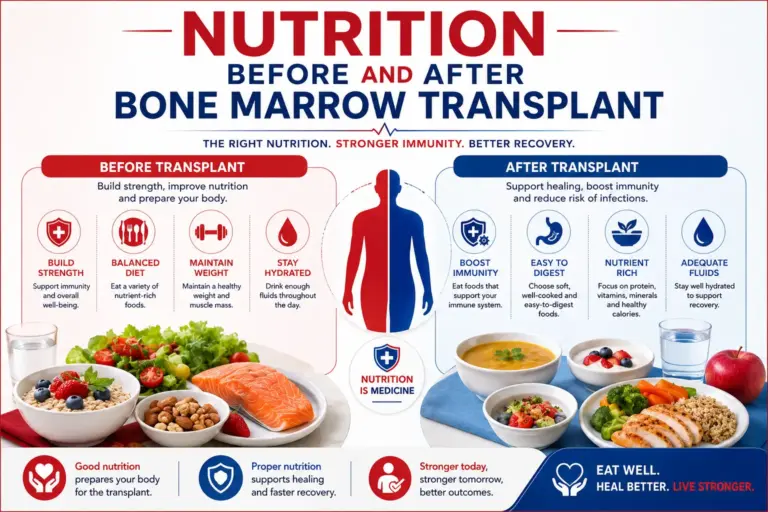
- Personalized Post-Transplant Care: Includes nutritional counseling and recovery support
- Financial Aid Programs: Available for underprivileged patients
The hospital blends medical excellence with compassionate, affordable care, making it a trusted choice for patients seeking the best bone marrow transplant hospital in India.
Facilities Required for Bone Marrow Transplant (BMT)
Hospitals performing bone marrow transplants must be equipped with specialized infrastructure to ensure patient safety and maximize positive outcomes. Key facilities include:
- Dedicated BMT Unit with HEPA Filtration: Sterile, positive-pressure rooms that protect patients from airborne infections, crucial since post-transplant immunity is extremely low.
- Stem Cell Processing Laboratory: On-site or immediate access to labs for collecting, processing, freezing, and storing stem cells efficiently.
- HLA Typing & Apheresis Services: Expertise in precise donor matching and stem cell collection for allogeneic transplants.
- 24/7 ICU and Support Services: Fully equipped intensive care units with trained intensivists, alongside continuous access to blood banks, radiology, and laboratory services.
- Multidisciplinary Care Team: A coordinated team of BMT specialists, transplant coordinators, nutritionists, physical therapists, psychologists, and infectious disease experts to manage all aspects of patient care.
Risks and Complications of Bone Marrow Transplant
While BMT can be life-saving, it is not without risks. Choosing a top-tier hospital is critical to minimizing complications, as experienced centers provide sterile infrastructure, rigorous monitoring, and expert intervention.
Common risks include:
- Graft-versus-Host Disease (GVHD): Often occurs in allogeneic transplants when donor cells attack recipient tissues, affecting the skin, liver, or intestines. Expert hospitals manage GVHD through close monitoring and immunosuppressive medications.
- Infections: Weakened immunity after transplant increases susceptibility to bacterial, viral, and fungal infections. High-standard hospitals provide HEPA-filtered rooms, protective isolation, and preventive treatments.
- Organ Damage: Pre-transplant chemotherapy or radiation may impact organs like the liver, lungs, or kidneys. Top hospitals perform thorough pre-transplant assessments to reduce this risk.
- Graft Failure: When the new marrow fails to engraft, persistent low blood counts can occur. Advanced donor matching and conditioning regimens help lower this risk.
- Emotional and Psychological Impact: Long hospital stays, isolation, and treatment stress can cause anxiety or depression. Leading hospitals provide psychosocial support and counseling to address mental well-being.
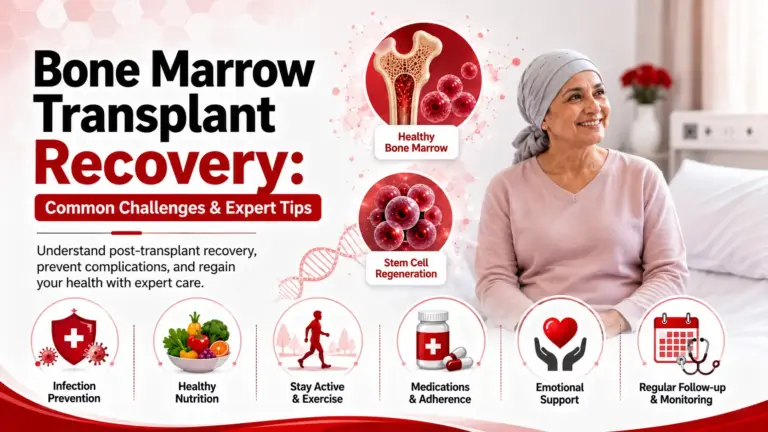
Recovery After Bone Marrow Transplant
Recovery after a BMT is gradual and occurs in stages:
- Days 0–30: Hospitalization & Engraftment: Patients stay in sterile isolation for 2–6 weeks. During this period, side effects such as fatigue and nausea are managed, while stem cells engraft and begin producing blood cells. Daily blood tests, transfusions, and medications monitor progress.
- 1–3 Months: Discharge & Close Monitoring: After stabilization, patients are discharged but must remain near the hospital for frequent check-ups (2–3 times per week). Immunity is still weak, requiring strict hygiene, masks, and avoiding crowds.
- 3–12 Months: Immune System Recovery: The immune system gradually strengthens. Patients continue with routine follow-ups, and prescribed medications aid in preventing infections and controlling GVHD when necessary. Patients can slowly resume normal activities, with rest and nutrition being essential.
- 1–2+ Years: Long-Term Recovery: Full immune recovery may take over a year. Patients may require revaccination, and ongoing monitoring addresses any late complications. Most patients eventually regain full health and resume normal life activities.
How to Choose the Best BMT Hospital
Choosing the appropriate hospital is key to achieving the best possible results.Consider the following factors:
- Accreditations: Look for JCI or NABH-certified hospitals, which indicate adherence to high safety and quality standards.
- Transplant Volume: Hospitals performing a high number of BMTs annually generally achieve better outcomes due to greater experience and process efficiency.
- Multidisciplinary Team: Ensure the hospital has a HEPA-filtered BMT unit, advanced stem cell lab, and 24/7 ICU, with a coordinated team of specialists, nurses, coordinators, and support staff.
- Success Rates: Transparent hospitals provide data on survival and engraftment rates for specific conditions.
- International Patient Support: For overseas patients, dedicated services for visas, accommodation, airport transfers, and language support are valuable.
- Personal Consultation: Meeting with the BMT specialist allows assessment of experience, comfort level, and confidence in the treatment plan.
Conclusion
Choosing the best bone marrow transplant hospital in India is about more than state-of-the-art infrastructure it is about entrusting your care to a team that understands the medical and emotional challenges of this journey. Leading centers provide expert hematologists, strict infection control protocols, and comprehensive multidisciplinary support, ensuring not only successful outcomes but also a compassionate patient experience.
For patients facing a bone marrow transplant, selecting a hospital with experience, ethical practices, and genuine care can make all the difference. Make an informed choice choose expertise, choose quality care, choose life.
Read Also: Best Hematology Hospital in Chennai.