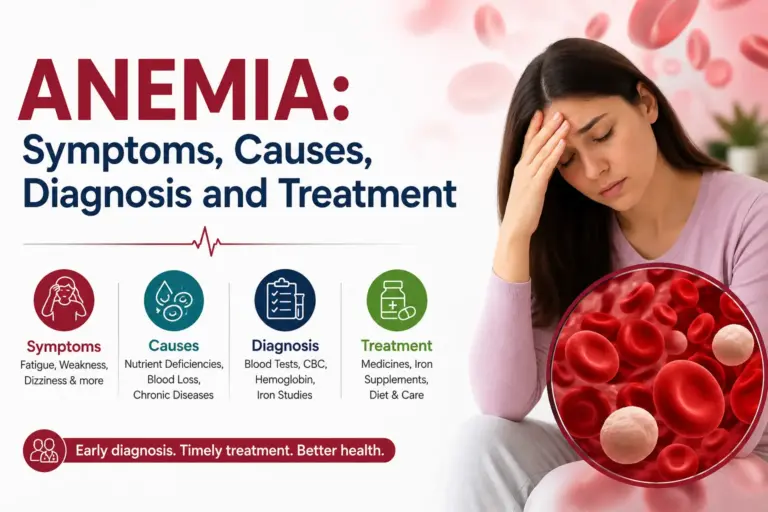
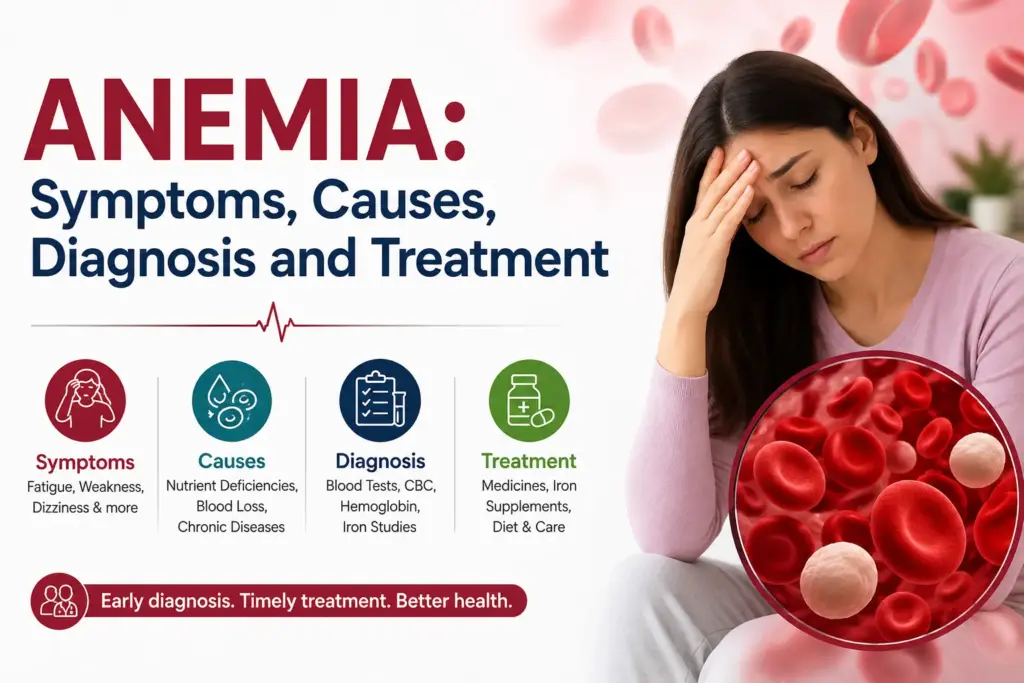
Feeling tired after a busy day is normal. However, feeling tired all the time may sometimes be a sign of an underlying health condition. One possible cause is anemia, a condition in which the body does not have enough healthy red blood cells or hemoglobin to carry adequate oxygen to the body’s tissues.
Anemia symptoms can range from mild tiredness and weakness to dizziness, headaches, shortness of breath and a rapid heartbeat. The severity of symptoms can vary depending on the type and severity of anemia and how quickly it develops.
Understanding the signs of anemia, possible causes, diagnostic tests and treatment options can help you understand when it may be time to consult a healthcare professional.
For professional evaluation of blood-related conditions, patients can explore hematology services at Kannappa Memorial Hospital.
What Is Anemia?
Anemia occurs when the blood does not contain enough healthy red blood cells or sufficient hemoglobin to transport oxygen effectively.
Hemoglobin is a protein found inside red blood cells. It carries oxygen from the lungs to different tissues and organs throughout the body.
When hemoglobin levels are low, the body may compensate by increasing the heart rate and breathing rate. This can contribute to fatigue and anemia, weakness and reduced ability to perform physical activities.
The severity of anemia can vary considerably. Some people may have mild anemia without obvious symptoms, while others may experience significant tiredness, dizziness or breathlessness.
Is Constant Tiredness a Sign of Anemia?
One of the most common symptoms of anemia is unexplained tiredness. A person may feel exhausted even after getting enough sleep or may find that normal daily activities require more effort than before.
However, feeling tired all the time does not necessarily mean that you have anemia. Fatigue can also be associated with poor sleep, stress, infections, thyroid problems, nutritional deficiencies and several other health conditions.
Persistent tiredness combined with dizziness, pale skin, weakness or shortness of breath should be evaluated by a healthcare professional.
A simple blood test can help determine whether anemia is present.
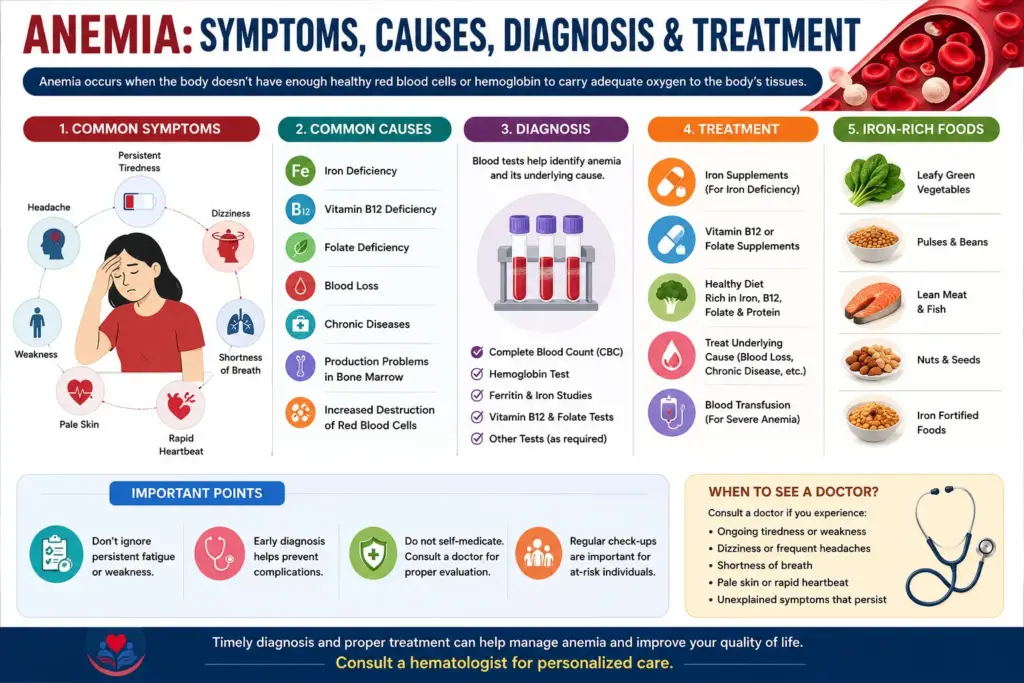
Common Anemia Symptoms
The severity of anemia symptoms depends on how low the hemoglobin level is and how quickly the condition develops.
Common symptoms may include:
- Persistent tiredness
- Weakness
- Dizziness
- Headaches
- Pale skin
- Shortness of breath
- Rapid heartbeat
- Reduced exercise tolerance
- Difficulty concentrating
- Cold hands and feet
Some people may experience only one or two symptoms, while others may have several symptoms at the same time.
Recognizing these signs of anemia can encourage timely medical evaluation.
Fatigue and Weakness
Weakness and anemia commonly occur together because reduced oxygen delivery can affect the body’s ability to perform normal activities efficiently.
You may notice that activities such as walking, climbing stairs, exercising or completing household work make you feel more tired than usual.
If tiredness continues for several weeks without an obvious explanation, it is worth discussing the symptoms with a doctor.
Dizziness and Headaches
Dizziness and anemia can occur, particularly when anemia is significant.
Some people may experience:
- Light-headedness
- Dizziness when standing
- Headaches
- Reduced concentration
- Feeling faint
However, dizziness and headaches can have many other causes. These symptoms should not be used alone to diagnose anemia.
Shortness of Breath
Shortness of breath and anemia may occur because the body attempts to compensate for reduced oxygen-carrying capacity.
A person may notice breathlessness while exercising, walking quickly or climbing stairs.
Severe or sudden breathlessness requires prompt medical assessment because it can have causes other than anemia.
Pale Skin and Rapid Heartbeat
Pale skin and anemia can occur when hemoglobin levels are significantly reduced.
Some people may also notice a faster heartbeat or palpitations because the body attempts to deliver enough oxygen to tissues.
These symptoms should be evaluated together with blood test results rather than being used alone to diagnose anemia.
What Causes Anemia?
There are many anemia causes, and identifying the underlying cause is an important part of treatment.
Common causes include:
- Iron deficiency
- Vitamin B12 deficiency
- Folate deficiency
- Blood loss
- Chronic diseases
- Problems affecting red blood cell production
- Increased destruction of red blood cells
The cause can vary from person to person. Therefore, simply treating low hemoglobin without identifying the underlying reason may not fully address the problem.
Iron Deficiency Anemia
Iron deficiency anemia is one of the most common forms of anemia.
Iron is necessary for the production of hemoglobin. If the body does not receive enough iron, cannot absorb sufficient iron or loses iron through blood loss, anemia can develop.
Dietary deficiency is one possible cause. However, doctors may also investigate possible blood loss, particularly when iron deficiency occurs without an obvious dietary explanation.
Vitamin B12 Deficiency Anemia
Vitamin B12 is important for healthy red blood cell production.
A deficiency can lead to anemia and may also cause neurological symptoms in some people.
If vitamin B12 deficiency is suspected, a doctor may recommend blood testing before deciding on appropriate treatment.
Folate Deficiency Anemia
Folate is another nutrient required for normal red blood cell production.
Inadequate folate intake and certain medical conditions can contribute to folate deficiency anemia.
The appropriate treatment depends on confirming the deficiency and understanding why it developed.
Anemia Due to Blood Loss
Blood loss is another important anemia cause.
Possible sources include:
- Heavy menstrual bleeding
- Gastrointestinal bleeding
- Surgery
- Injuries
- Other sources of blood loss
Unexplained anemia caused by blood loss requires medical evaluation to identify and manage the underlying source.
Anemia Due to Chronic Disease
Certain chronic conditions can affect red blood cell production and contribute to anemia.
This may sometimes be referred to as anemia of chronic disease or anemia of inflammation.
Doctors may consider a person’s medical history, symptoms and laboratory results when determining whether an underlying chronic condition may be contributing to anemia.
How Is Anemia Diagnosed?
If you experience persistent anemia symptoms, your doctor may recommend blood tests.
A complete blood count for anemia, commonly called a CBC, is one of the primary tests used to evaluate hemoglobin and red blood cell measurements.
A CBC may provide information about:
- Hemoglobin
- Hematocrit
- Red blood cell count
- Mean corpuscular volume
- White blood cell count
- Platelet count
Additional tests may be recommended depending on the initial results.
Hemoglobin Test
A hemoglobin test measures the amount of hemoglobin in the blood.
A low hemoglobin result may indicate anemia, although interpretation depends on factors such as age, sex, pregnancy status and laboratory reference ranges.
Doctors use the result along with symptoms, medical history and other test findings to determine the appropriate anemia diagnosis.
Ferritin and Iron Tests
A ferritin test for anemia can help assess the body’s stored iron.
Doctors may also recommend:
- Serum iron
- Transferrin saturation
- Total iron-binding capacity
- Other iron studies
These investigations can help determine whether iron deficiency anemia is contributing to low hemoglobin.
Vitamin B12 and Folate Tests
If nutritional deficiency is suspected, doctors may recommend vitamin B12 and folate testing.
The exact anemia blood test requirements depend on the individual’s symptoms, medical history and initial blood results.
Anemia Treatment
The appropriate anemia treatment depends on the underlying cause.
Treating low hemoglobin alone may not solve the problem if the underlying cause remains unidentified.
For example, iron deficiency anemia treatment may involve iron replacement, but doctors may also investigate why iron levels became low.
Depending on the cause, treatment may include:
- Iron supplementation
- Vitamin B12 replacement
- Folic acid supplementation
- Treatment of an underlying disease
- Management of blood loss
- Blood transfusion in selected severe cases
The treatment plan should be determined by a healthcare professional based on the diagnosis.
Iron Supplements for Anemia
Iron supplements for anemia may be recommended when iron deficiency is confirmed or strongly suspected.
The dose and duration should be determined by a healthcare professional.
Taking unnecessary iron supplements without confirming iron deficiency is not recommended because excessive iron can also cause health problems.
Anemia Diet and Nutrition
A balanced diet can support healthy blood formation, particularly when nutritional deficiency contributes to anemia.
Foods containing iron include:
- Lean meat
- Fish
- Eggs
- Beans
- Lentils
- Green leafy vegetables
- Fortified foods
- Nuts and seeds
Vitamin C-containing foods can help improve the absorption of non-heme iron from plant-based foods.
However, diet alone may not be sufficient for moderate or severe anemia. Medical evaluation is important when symptoms persist.
When Should You See a Doctor?
You should consider medical evaluation if you experience:
- Persistent fatigue
- Weakness
- Dizziness
- Breathlessness
- Pale skin
- Rapid heartbeat
- Recurrent headaches
- Unexplained reduced exercise tolerance
You should not assume that feeling tired all the time is simply due to a busy lifestyle, especially if the fatigue is persistent or getting worse.
A doctor can assess your symptoms and determine whether a blood test for low hemoglobin or additional investigations are appropriate.
Seek urgent medical attention for severe breathlessness, chest pain, fainting, significant bleeding or other severe symptoms.
Anemia in Women
Anemia in women can have several causes.
Menstrual blood loss is an important consideration, particularly when periods are heavy or prolonged.
Pregnancy can also increase the body’s requirement for iron and other nutrients. Pregnant women should discuss anemia screening and supplementation with their obstetrician rather than self-treating.
Anemia in Men
Anemia in men should also be investigated carefully.
Iron deficiency in adult men may require evaluation for possible sources of blood loss, including gastrointestinal causes.
The appropriate diagnostic approach depends on the individual’s symptoms, medical history and test results.
Anemia in Children
Children can also develop anemia, particularly when nutritional requirements are not adequately met.
Anemia in children may sometimes be associated with:
- Tiredness
- Reduced concentration
- Irritability
- Poor exercise tolerance
Pediatric evaluation is important because the underlying cause should be identified before treatment begins.
Can Anemia Be Prevented?
Some forms of anemia can be prevented or reduced through a balanced diet and appropriate management of underlying health conditions.
Eating a varied diet containing iron, vitamin B12 and folate can support normal blood formation.
However, nutritional prevention cannot prevent every type of anemia.
People with recurrent anemia should undergo appropriate medical evaluation instead of repeatedly taking supplements without identifying the underlying cause.
Anemia Treatment in Chennai
People searching for anemia treatment in Chennai can consult a physician or hematologist for proper evaluation.
Depending on the findings, the doctor may recommend:
- CBC
- Hemoglobin testing
- Ferritin testing
- Iron studies
- Vitamin B12 testing
- Folate testing
- Additional investigations when required
A hematologist in Chennai can evaluate persistent or unexplained anemia and help determine whether it is related to nutritional deficiency, blood loss, chronic disease or another blood disorder.
Patients can explore hematology and blood-disorder services at Kannappa Memorial Hospital.
Conclusion
Persistent tiredness should not always be dismissed as lack of sleep or a busy lifestyle. Anemia symptoms can sometimes be subtle, and fatigue may be the first noticeable sign.
Because there are many anemia causes, identifying the underlying problem is essential. Blood tests such as a CBC, hemoglobin measurement and iron studies can help doctors determine whether anemia is present and what may be causing it.
If you are experiencing persistent fatigue, weakness, dizziness, breathlessness or other unexplained symptoms, consider speaking with a healthcare professional. Appropriate anemia treatment can help address the underlying cause and support better health.
For patients looking for anemia treatment in Chennai, professional evaluation by a physician or hematologist can help determine the appropriate diagnostic and treatment pathway.