Introduction
A bone marrow transplant, also known as a stem cell transplant, is an important treatment for certain blood cancers and other blood-related disorders. During the treatment journey, the body may experience significant physical stress because of chemotherapy, radiation therapy, infections and other treatments. Maintaining good nutrition can therefore be an important part of supportive care.
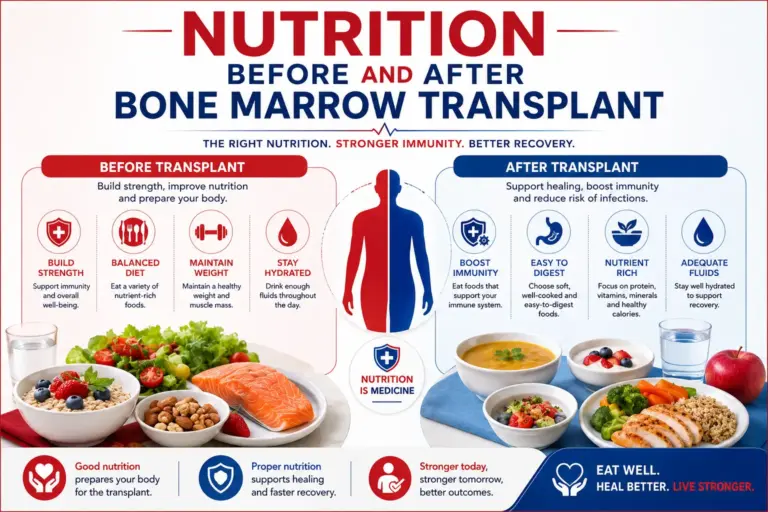
Nutrition Before and After Bone Marrow Transplant focuses on helping patients maintain adequate energy, protein, fluids, vitamins and minerals while managing treatment-related eating difficulties. A suitable nutritional plan may help patients maintain strength and support their overall recovery.
However, there is no single diet that is appropriate for every transplant patient. Nutritional requirements can vary depending on the type of transplant, underlying disease, treatment protocol, age, weight, blood counts, kidney and liver function and other medical conditions.
This guide explains Bone Marrow Transplant Nutrition, what patients may need before and after transplantation, common BMT Side Effects, food safety and practical dietary considerations during recovery.
What Is a Bone Marrow Transplant?
A bone marrow transplant replaces damaged or unhealthy blood-forming stem cells with healthy stem cells. Depending on the patient’s condition, the stem cells may come from the patient or a donor.
Before transplantation, patients may receive high-dose chemotherapy and, in some cases, radiation therapy. This preparation is called conditioning. It helps eliminate abnormal cells and prepares the body to receive the new stem cells.
After transplantation, the new stem cells begin producing healthy blood cells. During this period, the immune system can be weak, and patients require close medical monitoring.
Nutrition is one part of supportive care throughout this process.
Why Is Nutrition Important During Bone Marrow Transplant?
Good nutrition provides the body with energy and nutrients required for normal body functions. During intensive treatment, patients may have difficulty eating because of nausea, vomiting, mouth sores, taste changes, diarrhoea, constipation or loss of appetite.
Adequate nutrition may help patients:
- Maintain body weight
- Preserve muscle strength
- Support tissue repair
- Maintain energy levels
- Support normal body functions
- Improve the ability to tolerate treatment
- Support recovery after intensive therapy
This is why Stem Cell Transplant Nutrition should be considered an important part of the overall treatment and recovery plan.
Patients should work with their oncologist, transplant team and qualified dietitian to create an individualised nutrition plan.
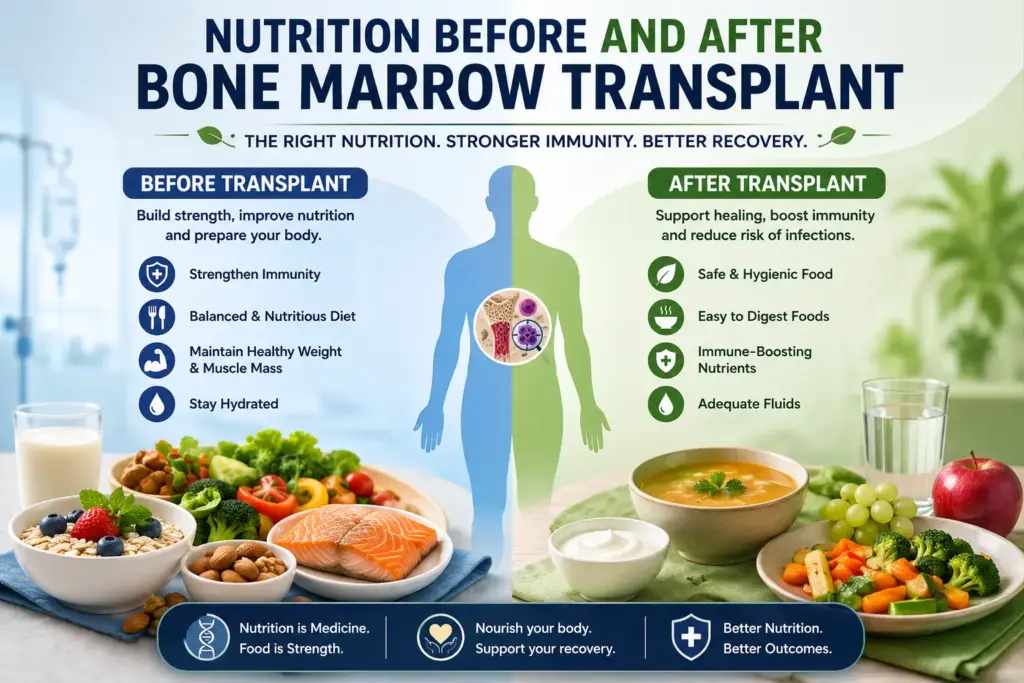
Nutrition Before Bone Marrow Transplant
Why Is Diet Before Bone Marrow Transplant Important?
Preparing the body nutritionally before transplantation can be helpful. Patients who are already experiencing weight loss, poor appetite or nutritional deficiencies may face additional challenges once treatment begins.
The goal of the Diet Before Bone Marrow Transplant is not to follow a restrictive or fashionable diet. Instead, it is generally focused on providing sufficient calories, protein and fluids while following the medical team’s recommendations.
A healthcare professional may assess:
- Current body weight
- Recent weight changes
- Appetite
- Food intake
- Muscle strength
- Existing nutritional deficiencies
- Kidney and liver function
- Other medical conditions
Based on this assessment, the dietitian may recommend an individual BMT Diet Plan.
What Should a BMT Diet Plan Include?
A BMT Diet Plan should be personalised rather than copied from another patient.
1. Protein-Rich Foods
Protein helps maintain muscle and supports tissue repair. Depending on the patient’s medical condition, suitable protein sources may include:
- Eggs
- Fish
- Chicken
- Milk
- Curd
- Paneer
- Dal
- Lentils
- Beans
- Other suitable protein foods
If appetite is low, smaller meals containing protein may be easier to manage than large meals.
2. Energy-Rich Foods
Patients experiencing weight loss may need additional calories. A dietitian can recommend suitable calorie-dense foods based on individual needs.
The objective is to prevent unnecessary loss of weight and muscle during treatment.
3. Carbohydrates
Rice, chapati, oats, idli and other suitable carbohydrate sources can provide energy. The choice should depend on tolerance, appetite and the patient’s medical condition.
4. Vegetables and Fruits
Vegetables and fruits can provide important nutrients and fibre. However, patients undergoing transplantation may receive specific food-safety instructions regarding preparation, washing and consumption.
Always follow the transplant centre’s instructions.
5. Adequate Fluids
Hydration is important during treatment, but the amount of fluid required varies between individuals.
Patients with certain kidney, heart or other medical conditions may require fluid restrictions. Therefore, the recommended fluid intake should come from the treating medical team.
Nutrition During BMT
Nutrition During BMT can become challenging because treatment-related side effects may interfere with eating.
Some common problems include:
- Nausea
- Vomiting
- Poor appetite
- Mouth ulcers
- Sore throat
- Dry mouth
- Taste changes
- Diarrhoea
- Constipation
- Fatigue
The diet may need to change temporarily depending on symptoms.
For example, patients with mouth soreness may tolerate soft foods better, while someone experiencing nausea may prefer smaller meals throughout the day.
The transplant team should be informed if symptoms significantly reduce food or fluid intake.
Managing Common Bone Marrow Transplant Side Effects Through Nutrition
Nausea and Vomiting
Nausea is one of the common Bone Marrow Transplant Side Effects associated with intensive treatment.
Patients may find it easier to eat:
- Small portions
- Mild foods
- Foods with less strong smell
- Easily digestible foods recommended by the healthcare team
Taking prescribed anti-nausea medication as directed can also help.
If vomiting continues or prevents adequate hydration, contact the medical team promptly.
Mouth Sores and Mouth Pain
Chemotherapy can cause inflammation and sores inside the mouth and throat.
Patients may find soft and moist foods easier to eat. Very spicy, acidic, rough or extremely hot foods may cause additional discomfort.
Possible options, depending on medical advice, include:
- Soft rice
- Porridge
- Soft cooked vegetables
- Suitable soups
- Soft eggs
- Other easy-to-swallow foods
Good oral care should also be maintained according to the transplant team’s instructions.
Taste Changes
Some patients notice that familiar foods taste different during cancer treatment.
Metallic, bitter or unusual tastes may reduce appetite.
Patients can discuss food preferences with their dietitian and experiment with different safe foods to identify what is easier to tolerate.
Diarrhoea
Diarrhoea may occur because of treatment, medications, infections or other complications.
Persistent diarrhoea should always be reported to the transplant team because the underlying cause needs to be identified.
The healthcare team may recommend temporary dietary changes and appropriate fluids depending on the patient’s condition.
Constipation
Reduced physical activity, medications, changes in food intake and inadequate fluids can contribute to constipation.
Appropriate fluid intake, movement and dietary adjustments may help some patients. However, patients undergoing transplantation should discuss constipation with their medical team before making major dietary changes.
Food Safety After Bone Marrow Transplant
Food Safety After Bone Marrow Transplant is especially important because the immune system may be weakened during the recovery period.
Foodborne infections can be dangerous for people with weakened immunity. Patients and caregivers should carefully follow the food-safety guidelines provided by the transplant centre.
General precautions may include:
- Wash hands before handling food.
- Keep kitchen surfaces clean.
- Wash fruits and vegetables properly.
- Cook meat, poultry, seafood and eggs thoroughly.
- Avoid spoiled or expired foods.
- Store food at appropriate temperatures.
- Avoid cross-contamination between raw and cooked foods.
- Follow hospital-specific restrictions.
Different hospitals may have different food-safety policies. Therefore, patients should always follow the instructions given by their transplant team.
Food After Bone Marrow Transplant
The Food After Bone Marrow Transplant should support gradual recovery while taking into account the patient’s tolerance and medical condition.
A balanced diet may gradually include:
- Protein-rich foods
- Suitable carbohydrates
- Cooked vegetables
- Safe fruits
- Dairy products when tolerated
- Healthy fats
- Adequate fluids
Food choices may change throughout the recovery period. Some foods that were difficult to tolerate immediately after treatment may become easier later.
The diet should therefore be adjusted as recovery progresses.
Foods to Eat After BMT
There is no universal list of Foods to Eat After BMT because dietary requirements vary.
Depending on medical advice, patients may be able to include:
Protein Foods
Eggs, fish, chicken, paneer, curd, milk, dal and other suitable protein sources can help support muscle maintenance and recovery.
Energy Foods
Rice, chapati, oats, potatoes and other suitable carbohydrate sources can provide energy.
Cooked Vegetables
Well-cooked vegetables can provide vitamins, minerals and other nutrients while being easier to digest for some patients.
Safe Fruits
Fruits should be prepared and handled according to the transplant team’s food-safety recommendations.
Healthy Fats
Suitable sources of healthy fats can provide concentrated energy. The appropriate amount depends on the patient’s overall diet and medical condition.
BMT Recovery Diet
The BMT Recovery Diet should change according to the patient’s recovery stage.
Immediately after transplantation, the priority may be maintaining adequate food and fluid intake while managing treatment side effects and following strict food-safety precautions.
As recovery progresses, patients may gradually return to a more varied balanced diet.
The long-term focus may include:
- Maintaining a healthy weight
- Adequate protein intake
- Balanced meals
- Appropriate physical activity
- Safe food preparation
- Regular medical follow-up
- Managing treatment-related complications
Nutrition for Cancer Patients
Nutrition for Cancer Patients is not about finding a single food that can cure cancer.
No particular food or diet can replace evidence-based cancer treatment. Instead, good nutrition is part of supportive care and can help patients meet their body’s nutritional needs during treatment.
Patients should be cautious about online claims promoting extreme diets, detox programmes or unproven supplements.
Always discuss supplements and herbal products with the treating doctor before using them.
Oncology Nutrition and Professional Support
Oncology Nutrition focuses on nutritional care for people undergoing cancer treatment.
An oncology dietitian can help assess nutritional needs and develop a personalised plan based on:
- Cancer type
- Treatment plan
- Weight
- Appetite
- Symptoms
- Food tolerance
- Medical conditions
- Laboratory results
- Nutritional requirements
Professional guidance can be particularly helpful when a patient has significant weight loss, difficulty swallowing, persistent vomiting, prolonged diarrhoea or very poor food intake.
Supplements After Bone Marrow Transplant
Patients may wonder whether they should take multivitamins, iron, herbal products or other supplements.
Supplements should not be started automatically.
Some supplements can interact with medicines or may not be appropriate during certain stages of cancer treatment.
If a nutritional deficiency is identified, the healthcare team can recommend an appropriate supplement and dose.
Bone Marrow Transplant Recovery and Nutrition
Bone Marrow Transplant Recovery is a gradual process. Patients may experience fatigue and changes in appetite even after leaving the hospital.
Regular follow-up appointments are important because the medical team can monitor blood counts, infections, nutritional status and other potential complications.
Patients should report symptoms such as:
- Persistent vomiting
- Severe diarrhoea
- Difficulty swallowing
- Significant weight loss
- Inability to eat
- Dehydration
- Fever
- New abdominal symptoms
Prompt communication with the medical team can help identify complications early.
Practical Tips for Patients and Caregivers
Families can make nutrition easier by:
- Preparing small meals more frequently.
- Keeping safe and suitable foods available.
- Following food-storage and food-preparation instructions.
- Monitoring weight as advised by the medical team.
- Encouraging appropriate fluid intake.
- Keeping track of symptoms that affect eating.
- Informing the healthcare team about persistent problems.
- Avoiding unapproved supplements and herbal remedies.
- Following the transplant centre’s dietary instructions.
- Working with a qualified oncology dietitian when needed.
Conclusion
Nutrition Before and After Bone Marrow Transplant is an important part of supportive care during the cancer treatment journey. Good nutrition can help patients maintain energy, preserve muscle strength and meet their body’s nutritional requirements while undergoing intensive treatment.
Before transplantation, the focus is generally on maintaining nutritional status and preparing the body for treatment. During transplantation, the priority may shift toward managing nausea, mouth sores, taste changes, diarrhoea and poor appetite. After transplantation, food safety, adequate nutrition and gradual recovery become increasingly important.
A personalised approach is always best. Patients should work closely with their oncologist, transplant team and qualified dietitian rather than following generic diets found online.
For expert medical guidance and individualised care, patients can consult the healthcare professionals at Kannappa Memorial Hospital and discuss their nutritional requirements as part of their overall bone marrow transplant treatment and recovery plan.