
Why BMT Patients Need Extra Winter Care: Infections and Risks
Bone Marrow Transplant (BMT), also known as a stem cell transplant, is a life-saving treatment for patients with blood cancers, bone marrow disorders, and certain immune system diseases. While the transplant itself is a major milestone, recovery continues for several months—or even years—as the immune system rebuilds. During this period, patients are especially vulnerable to infections, making seasonal changes an important consideration.
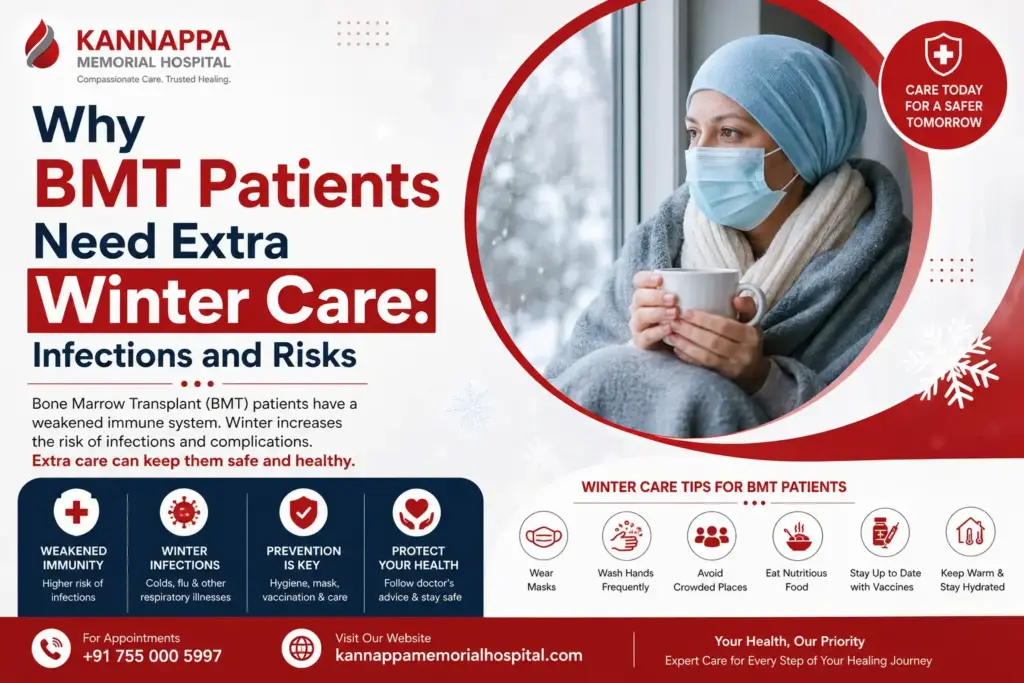
Winter is one of the most challenging seasons for individuals recovering from a bone marrow transplant. Cold weather often brings an increase in viral infections such as influenza, respiratory syncytial virus (RSV), the common cold, and COVID-19. These infections may be mild for healthy individuals but can become severe or even life-threatening for transplant recipients with weakened immunity.
Understanding Why BMT Patients Need Extra Winter Care is essential for preventing complications, maintaining recovery, and protecting overall health. By following appropriate preventive measures, patients and caregivers can significantly reduce the risk of infections and enjoy a safer recovery during the winter months.
Understanding Bone Marrow Transplant
A Bone Marrow Transplant replaces damaged or diseased bone marrow with healthy blood-forming stem cells. These stem cells produce red blood cells, white blood cells, and platelets that are essential for normal body function.
The procedure is commonly performed to treat:
- Leukemia
- Lymphoma
- Multiple Myeloma
- Aplastic Anemia
- Myelodysplastic Syndrome
- Certain inherited blood disorders
Although the transplant introduces healthy stem cells, rebuilding the immune system takes time. During this period, Bone Marrow Transplant Recovery requires close medical monitoring and careful infection prevention.
Why Winter Is More Challenging for BMT Patients
Cold weather creates conditions that increase the spread of viruses and bacteria. People spend more time indoors, where infections spread more easily through coughing, sneezing, and close contact.
For patients with Low Immunity After Bone Marrow Transplant, even minor respiratory infections can become serious.
Several factors make winter especially risky:
- Increased circulation of seasonal viruses
- Dry air that irritates the respiratory tract
- Reduced sunlight and Vitamin D levels
- More indoor gatherings
- Greater exposure to flu and cold viruses
- Higher incidence of pneumonia
These factors explain Why BMT Patients Need Extra Winter Care and why extra precautions are recommended during colder months.
Why the Immune System Remains Weak After BMT
Following transplantation, the immune system does not recover immediately.
Patients often experience:
- Low white blood cell counts
- Reduced antibody production
- Delayed immune response
- Increased susceptibility to fungal infections
- Higher bacterial infection risk
The duration of immune recovery varies depending on:
- Type of transplant
- Patient age
- Underlying disease
- Medications
- Presence of Graft-versus-Host Disease (GVHD)
Because of Immune System Recovery After BMT, patients may remain vulnerable for 6–24 months after transplantation.
Common Winter Infections That Affect BMT Patients
1. Influenza (Flu)
Influenza spreads rapidly during winter and may cause:
- High fever
- Severe cough
- Muscle pain
- Fatigue
- Pneumonia
For transplant recipients, influenza can lead to hospitalization if not treated promptly.
2. Common Cold
Although often mild in healthy individuals, the common cold can cause prolonged illness in patients undergoing Post Bone Marrow Transplant Care.
Symptoms include:
- Runny nose
- Sneezing
- Sore throat
- Mild fever
- Persistent cough
3. COVID-19
COVID-19 continues to pose risks for individuals with weakened immune systems.
Patients recovering from Stem Cell Transplant Recovery should continue practicing infection prevention measures recommended by their healthcare team.
4. Respiratory Syncytial Virus (RSV)
RSV can cause serious lung infections in adults with compromised immunity.
Symptoms include:
- Wheezing
- Persistent cough
- Difficulty breathing
- Fever
Early medical evaluation is essential.
5. Pneumonia
One of the most dangerous complications after transplantation.
Patients with Post-Transplant Infection Risks should seek immediate medical care if they experience:
- Chest pain
- Breathlessness
- Persistent fever
- Severe cough
Essential Winter Precautions After Bone Marrow Transplant
Following appropriate Winter Precautions After Bone Marrow Transplant helps reduce infection risks.
Maintain Excellent Hand Hygiene
Frequent handwashing remains one of the most effective ways to prevent infections.
Wash hands:
- Before eating
- After using the restroom
- After touching public surfaces
- After coughing or sneezing
- Before taking medications
Alcohol-based hand sanitizers are useful when soap and water are unavailable.
Wear a Mask in Crowded Areas
Masks provide additional protection against airborne respiratory infections.
Patients should consider wearing a mask:
- In hospitals
- During travel
- At shopping centers
- During family gatherings
- In public transportation
This simple habit plays a key role in Preventing Infections After Bone Marrow Transplant.
Avoid Contact with Sick IndividualsEven mild viral illnesses can become dangerous for transplant recipients.
Avoid:
- Visitors with fever
- Family members experiencing cold symptoms
- Crowded indoor events during peak infection seasons
Caregivers should also practice good hygiene to protect patients.
Keep Your Home CleanRegular cleaning reduces exposure to germs.
Pay special attention to:
- Door handles
- Mobile phones
- Remote controls
- Kitchen surfaces
- Bathroom fixtures
- Frequently touched objects
Good environmental hygiene supports Bone Marrow Transplant Winter Care.
Stay Warm
Cold temperatures can place additional stress on the body.
Patients should:
- Wear layered clothing
- Protect hands and feet
- Avoid sudden exposure to cold weather
- Keep indoor temperatures comfortable
Staying warm helps maintain overall well-being during recovery.
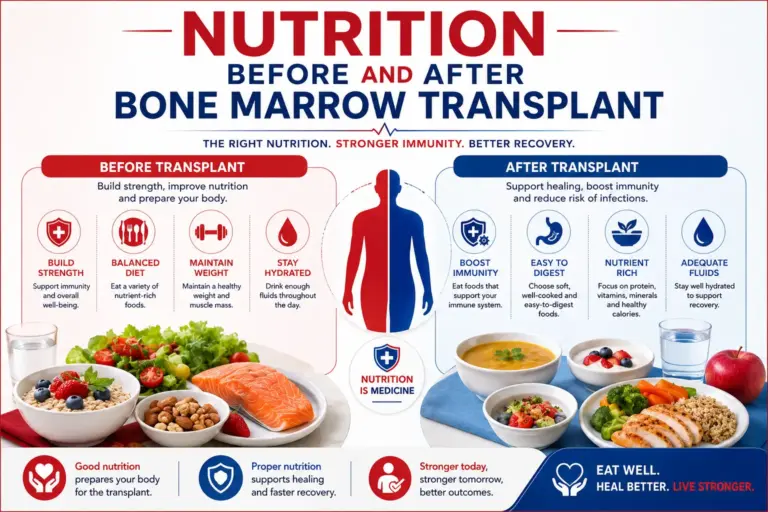
Eat a Nutritious Diet
A balanced diet supports healing and immune recovery.
Include:
- Protein-rich foods
- Fresh fruits (as advised)
- Cooked vegetables
- Whole grains
- Adequate fluids
Patients should follow food safety recommendations provided by their transplant team.
Stay Hydrated
Dry winter air can contribute to dehydration.
Drink adequate fluids unless restricted by your healthcare provider.
Proper hydration supports circulation, kidney function, and overall recovery.
Continue Prescribed Medications
Never stop:
- Immunosuppressants
- Antiviral medications
- Antifungal drugs
- Antibiotics (if prescribed)
These medications are essential during Post Bone Marrow Transplant Care.
Vaccinations: An Important Part of Winter Protection
Vaccinations play a vital role in reducing the risk of serious infections after a bone marrow transplant. Since the immune system is rebuilt after transplantation, many patients need to receive vaccinations again according to a schedule recommended by their transplant specialist.
Commonly recommended vaccines may include:
- Seasonal influenza vaccine
- COVID-19 vaccine and boosters (as advised)
- Pneumococcal vaccine
- Other routine vaccines based on your recovery stage
Patients should never receive vaccinations without consulting their Bone Marrow Transplant Specialist Chennai or transplant physician, as the timing depends on immune recovery.
Understanding GVHD and Winter Risks
One of the most important complications following an allogeneic transplant is Graft-versus-Host Disease (GVHD). This occurs when the donor’s immune cells attack the recipient’s healthy tissues.
Winter infections can increase inflammation and may worsen existing GVHD symptoms.
Common organs affected include:
- Skin
- Liver
- Eyes
- Mouth
- Gastrointestinal tract
- Lungs
Proper GVHD Prevention After Bone Marrow Transplant includes:
- Taking prescribed immunosuppressive medications
- Attending regular follow-up appointments
- Avoiding exposure to infections
- Reporting new symptoms immediately
Neutropenia: Why It Increases Infection Risk
Many transplant patients experience Neutropenia After Bone Marrow Transplant, a condition where the body has very low levels of neutrophils (a type of white blood cell that fights bacterial infections).
During neutropenia, patients are more susceptible to:
- Bacterial infections
- Fungal infections
- Bloodstream infections
- Severe respiratory infections
Doctors may recommend:
- Protective isolation (if necessary)
- Preventive antibiotics or antifungal medications
- Frequent blood count monitoring
Understanding neutropenia is an important part of Post Bone Marrow Transplant Care and helps patients recognize why infection prevention is so critical.
Caregiver Precautions During Winter
Caregivers play a key role in protecting transplant recipients from infections.
They should:
- Wash hands frequently
- Wear a mask if feeling unwell
- Avoid visiting when sick
- Keep vaccinations up to date
- Maintain a clean home environment
- Prepare food safely
- Encourage medication adherence
A healthy caregiver contributes significantly to successful Bone Marrow Transplant Recovery.
Safe Travel Tips During Winter
Travel may expose transplant patients to crowded places where infections spread more easily.
Before traveling:
- Consult your transplant specialist.
- Carry all medications.
- Wear a well-fitting mask in public places.
- Carry alcohol-based hand sanitizer.
- Avoid unnecessary travel during outbreaks of influenza or other respiratory illnesses.
- Stay hydrated and well-rested.
Patients recovering from Stem Cell Transplant Recovery should carefully evaluate travel plans, especially during the first year after transplant.
Can BMT Patients Exercise During Winter?
Yes, but exercise should be appropriate to the patient’s health and recovery stage.
Recommended activities include:
- Indoor walking
- Gentle stretching
- Breathing exercises
- Light yoga (with medical approval)
- Physiotherapist-guided exercises
Regular physical activity supports:
- Better circulation
- Improved lung function
- Muscle strength
- Mental well-being
- Immune recovery
Avoid outdoor exercise during extreme cold or poor air quality.
Mental Health Matters During Recovery
Recovery after a bone marrow transplant can be physically and emotionally demanding. Winter may also contribute to feelings of isolation, especially if patients are advised to avoid crowds.
To support mental well-being:
- Stay connected with family and friends through phone or video calls.
- Practice relaxation techniques or meditation.
- Follow a regular sleep schedule.
- Discuss emotional concerns with your healthcare team.
- Seek professional counseling if needed.
Good mental health supports overall healing and recovery.
When Should You Contact Your Doctor Immediately?
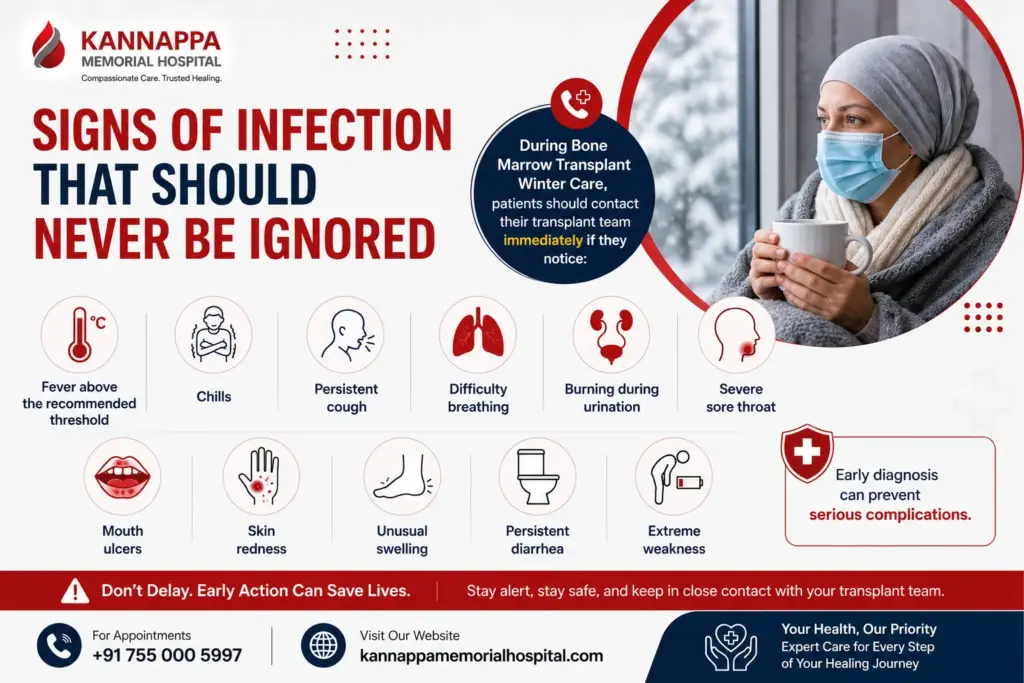
During Why BMT Patients Need Extra Winter Care, prompt medical attention is essential if you experience:
- Fever or chills
- Persistent cough
- Difficulty breathing
- Chest pain
- Severe sore throat
- New skin rashes
- Bleeding or unusual bruising
- Persistent vomiting or diarrhea
- Reduced urine output
- Extreme fatigue or confusion
Do not delay seeking medical advice, as early treatment can prevent serious complications.
Long-Term Recovery After Bone Marrow Transplant
Recovery does not end after leaving the hospital. Long-term follow-up is essential to monitor:
- Immune system recovery
- Blood counts
- Organ function
- Nutritional status
- Vaccination schedule
- Late complications
- Overall quality of life
Patients should continue attending scheduled appointments and follow their transplant team’s advice for ongoing Bone Marrow Transplant Recovery.
Why Choose an Experienced Hematology Center?
Successful transplant care extends beyond the procedure itself. An experienced center offers:
- Specialized hematologists
- Dedicated transplant specialists
- Advanced infection control protocols
- Comprehensive laboratory support
- Personalized follow-up care
- Nutritional guidance
- Rehabilitation services
- Psychological support
Choosing a trusted Hematology Hospital Chennai with expertise in Blood Cancer Treatment Chennai and bone marrow transplantation can improve long-term outcomes and provide coordinated care throughout recovery.
Conclusion
Understanding Why BMT Patients Need Extra Winter Care is essential for protecting health during one of the most challenging seasons for transplant recipients. Cold weather, increased circulation of respiratory viruses, and a recovering immune system all contribute to a higher risk of serious infections. By following recommended Winter Precautions After Bone Marrow Transplant, maintaining good hygiene, adhering to medications, attending regular follow-up visits, and seeking prompt medical attention for concerning symptoms, patients can significantly reduce complications and support a smoother recovery.
With guidance from an experienced transplant team, careful monitoring, and healthy lifestyle habits, individuals recovering from a bone marrow transplant can navigate the winter months safely and continue building a stronger immune system.
Call to Action
Protect Your Health This Winter
If you or a loved one has undergone a bone marrow transplant and would like expert guidance on winter precautions, infection prevention, or long-term recovery, consult an experienced hematology and transplant specialist. Personalized care and regular follow-up are key to staying healthy and supporting successful recovery.