Leukemia is a type of blood cancer that affects the blood-forming tissues, particularly the bone marrow and blood cells. It can develop rapidly or progress slowly depending on the type of leukemia. Since leukemia includes different diseases, Leukemia Treatment is not the same for every patient.
The right Leukemia Treatment depends on the type of leukemia, the patient’s age, overall health, genetic and molecular characteristics, disease risk and response to initial treatment. Modern treatment may include chemotherapy, targeted therapy, immunotherapy, supportive care and stem cell transplantation for selected patients.
At Kannappa Memorial Hospital, patients can seek specialist evaluation and an individualized treatment approach based on their diagnosis and overall health.
What Is Leukemia?
Leukemia is a cancer involving abnormal blood-forming cells. It usually begins in the bone marrow, where healthy blood cells are produced. Abnormal cells can interfere with the normal production of red blood cells, white blood cells and platelets.
The four major types are:
- Acute Myeloid Leukemia (AML)
- Acute Lymphoblastic Leukemia (ALL)
- Chronic Myeloid Leukemia (CML)
- Chronic Lymphocytic Leukemia (CLL)
Acute leukemia can progress quickly and may require prompt treatment, while some chronic forms can progress more slowly.
Understanding the exact type of leukemia is an important first step in planning Leukemia Treatment.
How Is Leukemia Diagnosed?
Before beginning Leukemia Treatment, doctors need to establish an accurate diagnosis. Depending on the suspected leukemia type, investigations may include:
- Complete blood count
- Peripheral blood examination
- Bone marrow aspiration and biopsy
- Flow cytometry
- Chromosome testing
- Molecular testing
- Genetic testing
These tests help identify the leukemia subtype and characteristics that may influence treatment selection.
Accurate diagnosis is particularly important when planning treatment for acute forms of leukemia because different subtypes can require different approaches.
What Are the Main Leukemia Treatment Options?
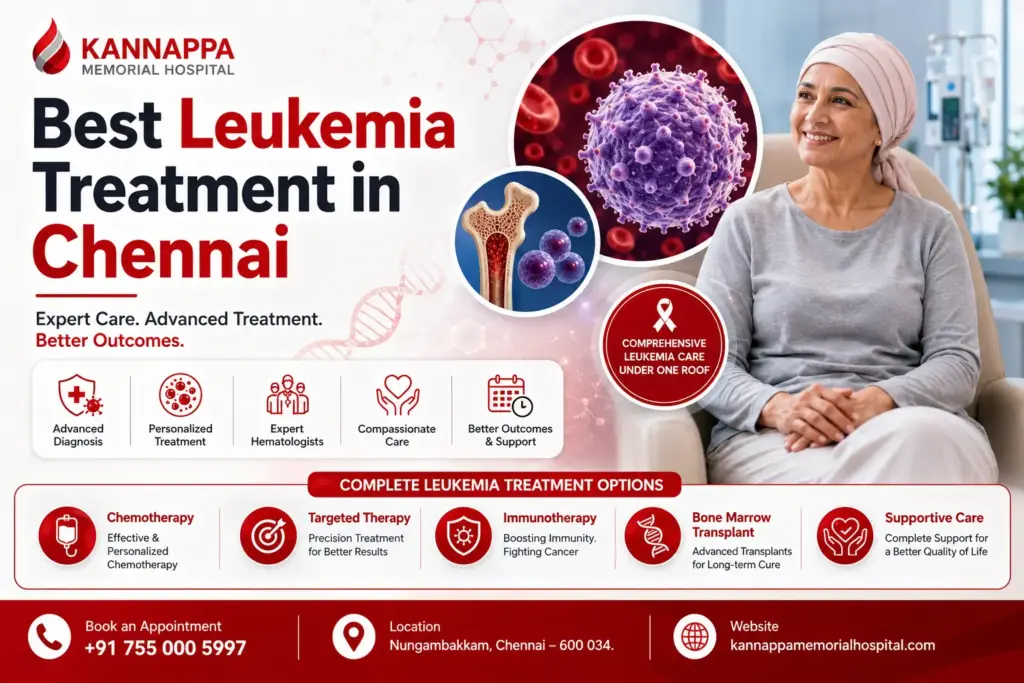
Modern leukemia treatment options may include chemotherapy, targeted therapy, immunotherapy, supportive care and stem cell transplantation.
The treatment plan is selected according to individual factors such as:
- Type and subtype of leukemia
- Age
- Overall health
- Genetic and molecular findings
- Disease risk
- Response to initial treatment
- Risk of relapse
Doctors may use one treatment or combine different approaches as part of an individualized Leukemia Treatment plan.
Leukemia Chemotherapy
Leukemia chemotherapy remains an important part of Leukemia Treatment, especially for many patients with acute leukemia.
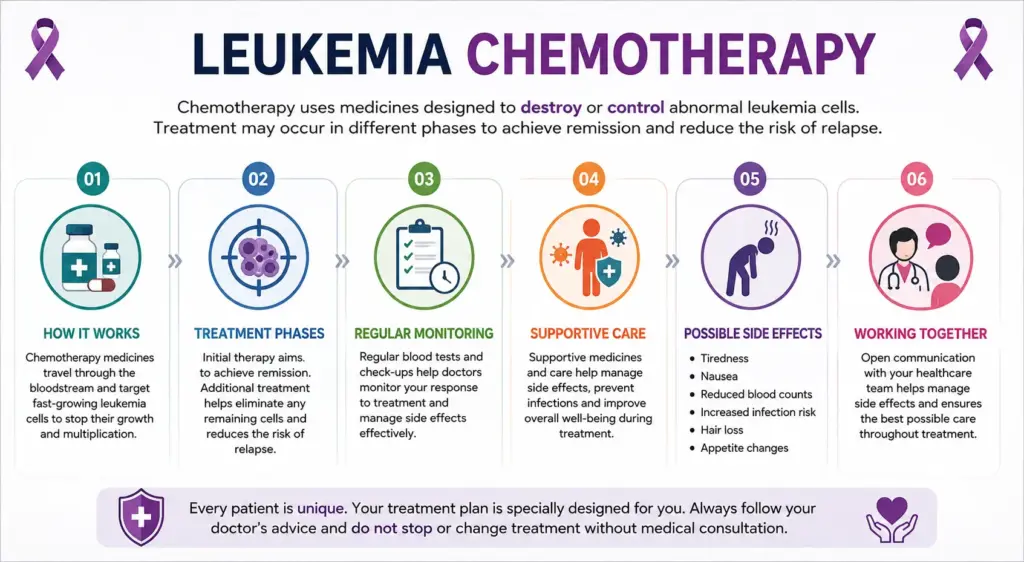
Chemotherapy uses medicines designed to destroy or control abnormal leukemia cells. Treatment may occur in different phases. Initial therapy may aim to achieve remission, followed by additional treatment intended to reduce the risk of relapse.
Possible side effects can include:
- Tiredness
- Nausea
- Reduced blood counts
- Increased infection risk
- Hair loss
- Appetite changes
Supportive medicines and regular monitoring can help doctors manage these effects during Leukemia Treatment.
The medicines and duration of leukemia chemotherapy depend on the leukemia subtype and the patient’s individual circumstances.
Leukemia Targeted Therapy
Leukemia targeted therapy has become an important part of modern Leukemia Treatment.
Unlike conventional chemotherapy, targeted medicines are designed to act on particular molecules, proteins or pathways that help leukemia cells survive and multiply.
Molecular and genetic testing can help doctors identify whether a patient may benefit from targeted treatment.
For example, targeted medicines called tyrosine kinase inhibitors are commonly used in certain patients with chronic myeloid leukemia.
The selection of leukemia targeted therapy depends on the specific characteristics of the disease.
Immunotherapy for Leukemia
Immunotherapy is another developing area of Leukemia Treatment. It works by helping the immune system recognize and attack abnormal cells.
Certain immunotherapy approaches may be considered for selected patients, particularly when leukemia has returned or has not responded adequately to standard therapy.
Some approaches use specially designed antibodies, while other advanced approaches modify immune cells to recognize cancer cells more effectively.
The suitability of immunotherapy depends on the leukemia subtype, previous treatment, disease characteristics and overall health.
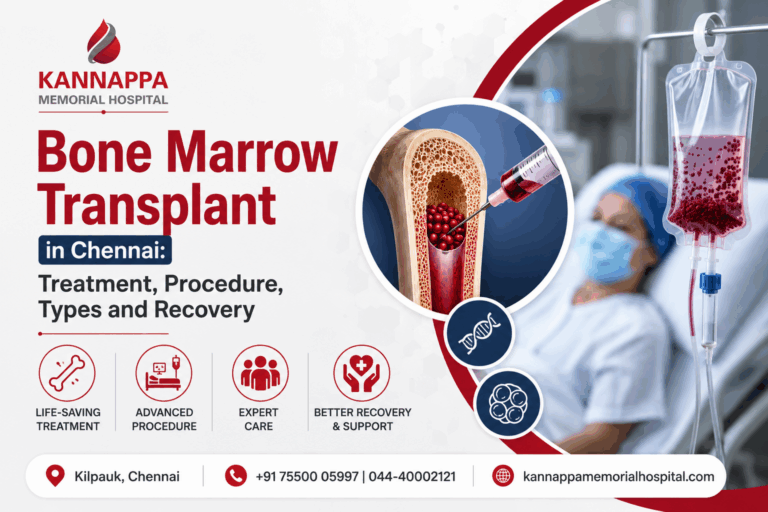
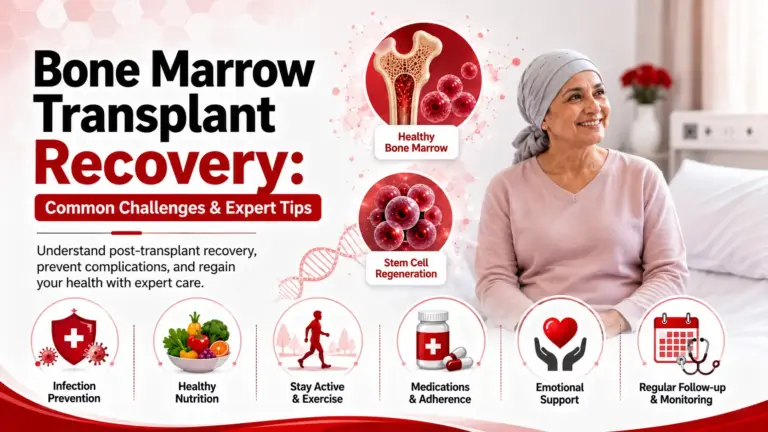
Stem Cell Transplant for Leukemia
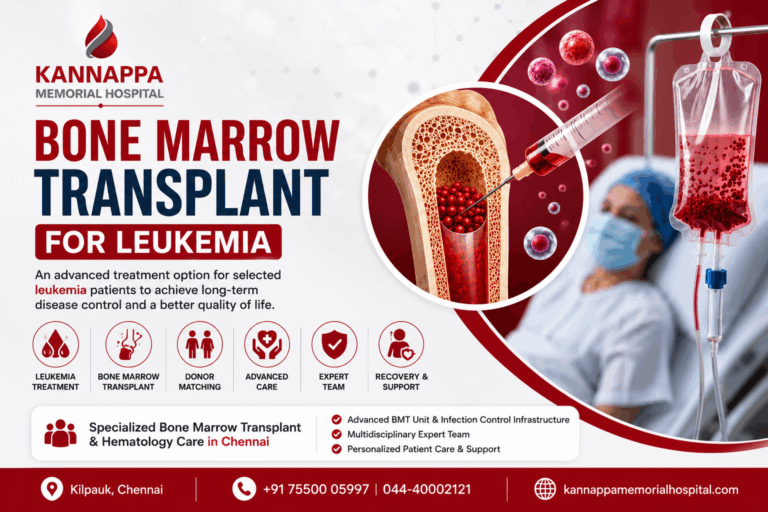
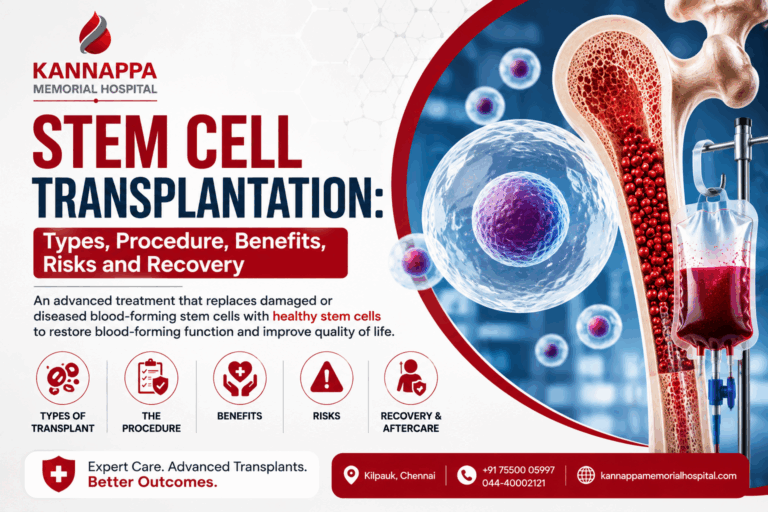
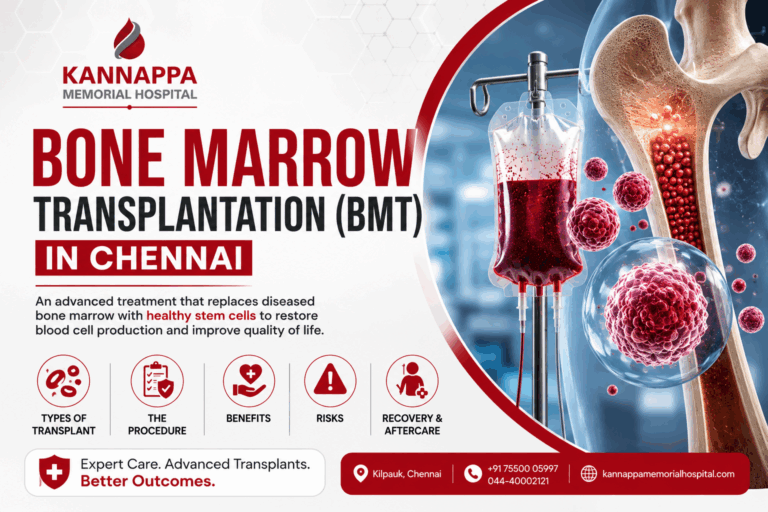
A stem cell transplant for leukemia may be considered for selected patients who have a high risk of relapse, have relapsed disease or have certain high-risk disease characteristics.
An allogeneic transplant uses healthy blood-forming stem cells from a donor. The donor may be a matched sibling, another family member, a haploidentical donor or a matched unrelated donor.
The process generally involves conditioning treatment followed by infusion of donor stem cells.
A stem cell transplant for leukemia can help establish new blood formation and may provide an immune-mediated effect against remaining leukemia cells.
However, transplantation is an intensive procedure and may involve complications such as infections, graft-versus-host disease and other treatment-related problems.
Doctors therefore carefully evaluate the potential benefits and risks before recommending transplantation as part of Leukemia Treatment.
Leukemia Treatment for Acute Leukemia
Acute leukemia can progress rapidly and generally requires prompt medical evaluation and treatment.
The treatment approach depends on the exact subtype, patient’s age, general health, genetic findings and response to initial therapy.
Treatment may involve chemotherapy, targeted medicines, immunotherapy, supportive care and stem cell transplantation in selected patients.
Regular monitoring helps doctors evaluate how well the Leukemia Treatment is working and whether the treatment plan needs to be adjusted.
Leukemia Treatment for Chronic Leukemia
Chronic leukemia may progress more slowly than acute leukemia. Treatment depends on the specific type, symptoms, blood counts, disease progression and molecular characteristics.
Some patients may initially require close monitoring rather than immediate intensive treatment.
When treatment becomes necessary, options may include targeted medicines, chemotherapy, antibody-based treatments or other systemic therapies.
The treating specialist will determine the most appropriate Leukemia Treatment according to the patient’s disease characteristics.
Supportive Care During Leukemia Treatment
Supportive care is an important part of Leukemia Treatment. Both leukemia and its treatment can reduce blood cell counts and increase the risk of infection, anemia and bleeding.
Supportive care may include:
- Blood transfusions
- Platelet transfusions
- Infection prevention and treatment
- Medicines to control nausea
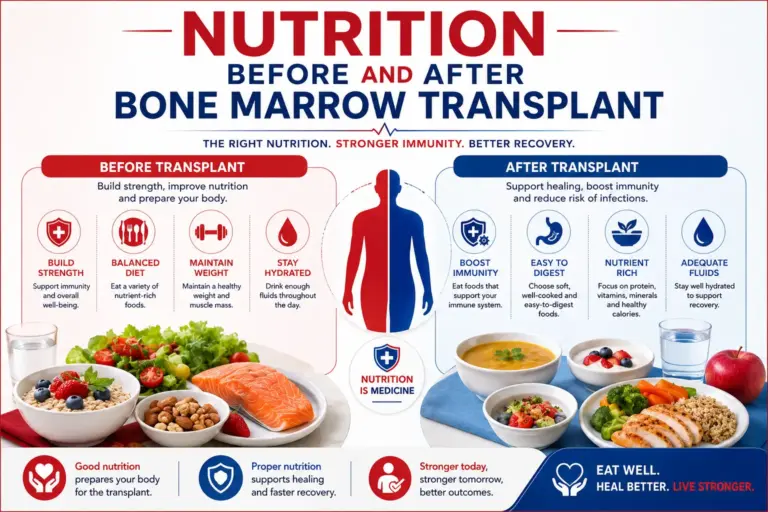
- Nutritional support
- Regular blood-count monitoring
- Management of treatment-related complications
Patients receiving intensive therapy may sometimes require hospitalization when blood counts are very low or complications develop.
Leukemia Treatment for Relapsed Disease
Sometimes leukemia can return after an initial response. This is known as relapse.
In this situation, leukemia treatment options depend on the leukemia subtype, previous treatment and characteristics of the recurrent disease.
Doctors may consider different chemotherapy combinations, targeted medicines, immunotherapy, clinical trials or a stem cell transplant for leukemia for selected patients.
The treatment decision should be based on a detailed evaluation by the treating specialist.
Leukemia Treatment Success Rate
Patients often search for the Leukemia Treatment success rate, but there is no single percentage that applies to every patient.
Treatment outcomes depend on:
- Leukemia subtype
- Patient age
- Genetic and molecular characteristics
- Disease risk
- Response to initial treatment
- Overall health
- Treatment-related complications
- Risk of relapse
Some forms of leukemia can be cured, while others may be controlled for many years with appropriate treatment.
The expected outcome should therefore be discussed with the treating hematologist after reviewing the patient’s diagnostic and treatment information.
Leukemia Treatment Cost
The cost of Leukemia Treatment can vary considerably from one patient to another.
Factors that may affect treatment expenses include:
- Type of leukemia
- Medicines used
- Duration of treatment
- Hospitalization
- Laboratory investigations
- Supportive care
- Targeted medicines
- Stem cell transplantation
Patients should request an individualized estimate from their treatment centre because the total cost can vary according to the treatment plan and duration.
Leukemia Treatment in Chennai
Patients looking for leukemia treatment in Chennai should consult a qualified hematologist or hemato-oncologist for accurate diagnosis and individualized treatment planning.
When choosing a centre for leukemia treatment in Chennai, patients may consider:
- Specialist experience
- Diagnostic facilities
- Molecular and genetic testing
- Chemotherapy facilities
- Supportive care
- Blood and platelet transfusion support
- Stem cell transplantation facilities when required
- Follow-up services
Kannappa Memorial Hospital can be considered by patients seeking specialist evaluation and cancer-care services.
Why Choose a Leukemia Treatment Hospital?
Choosing an experienced leukemia treatment hospital is an important decision for patients and families.
A comprehensive centre may provide access to:
- Hematology and oncology specialists
- Diagnostic investigations
- Pathology services
- Molecular and genetic testing
- Chemotherapy
- Targeted treatment
- Supportive care
- Blood and platelet transfusion support
- Stem cell transplantation when indicated
A multidisciplinary approach can help coordinate diagnosis, treatment, monitoring and follow-up.
Conclusion
Leukemia is not one single disease, and Leukemia Treatment varies considerably between different types and individual patients.
Modern leukemia treatment options include chemotherapy, targeted therapy, immunotherapy, supportive care and stem cell transplantation for selected patients.
Early diagnosis, accurate classification and appropriate testing are important for developing an individualized treatment strategy.
If you or a family member has been diagnosed with leukemia, consult a qualified specialist to understand the diagnosis, available treatment options, potential benefits and possible risks.
For patients exploring leukemia treatment in Chennai, Kannappa Memorial Hospital can be considered for specialist evaluation and comprehensive cancer-care services.