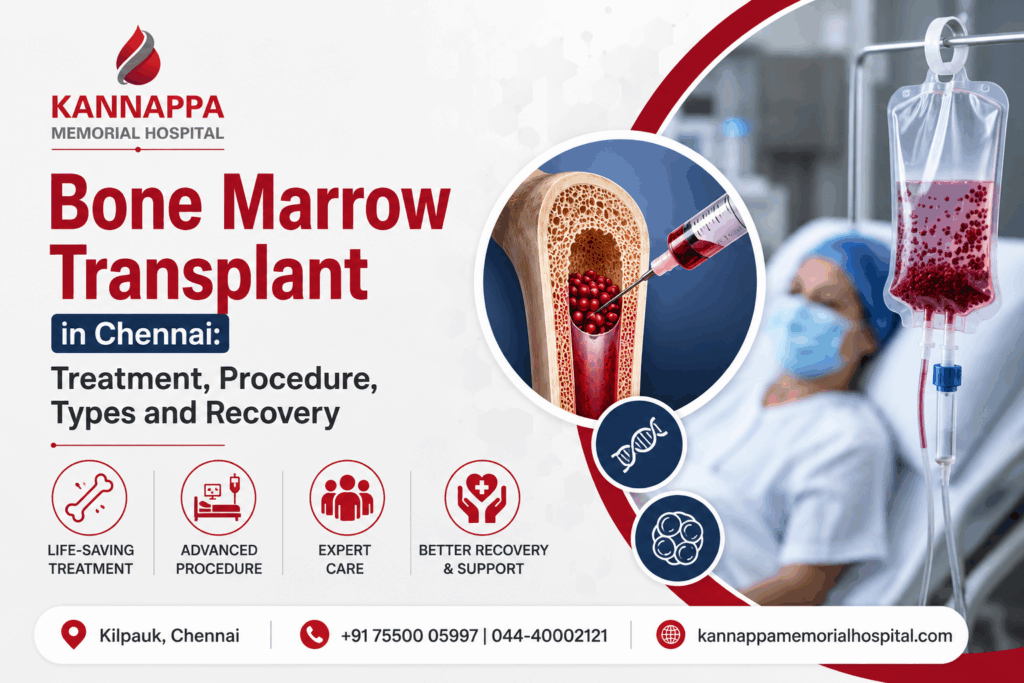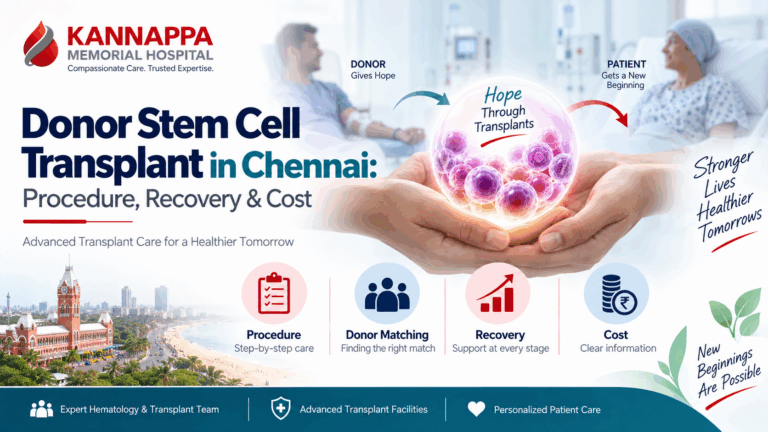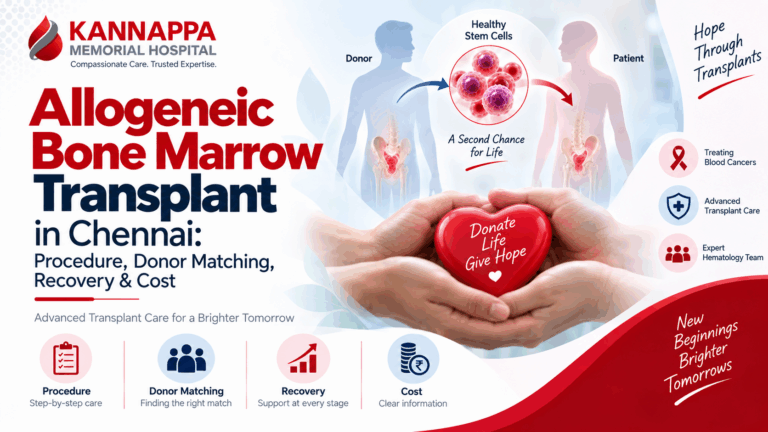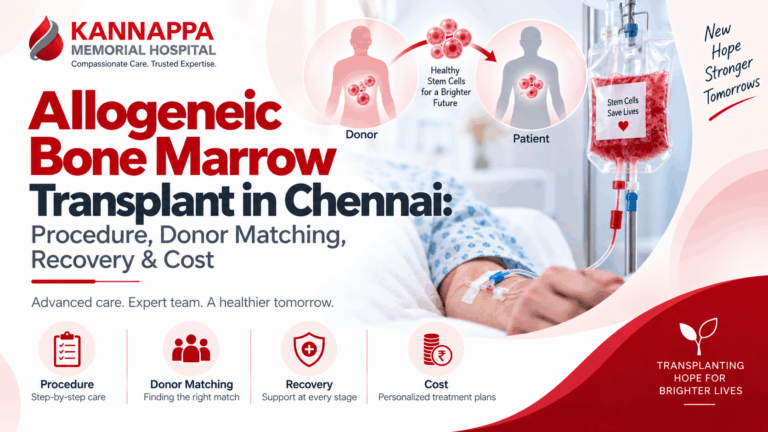
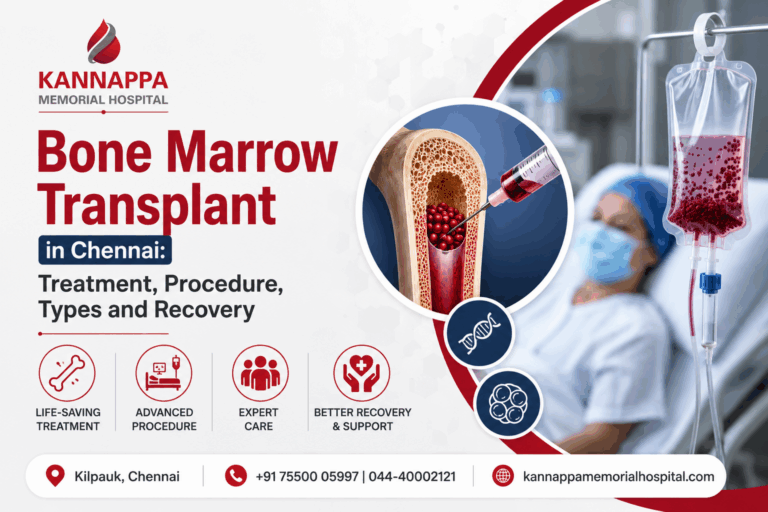
A bone marrow transplant in Chennai can be an important treatment option for people diagnosed with certain blood cancers, bone marrow disorders, and other serious blood-related conditions. Also known as hematopoietic stem cell transplantation (HSCT), a bone marrow transplant replaces damaged or diseased blood-forming stem cells with healthy stem cells.
Kannappa Memorial Hospital provides specialized care for patients requiring bone marrow transplantation and stem cell transplantation in Chennai, supported by a multidisciplinary medical team and transplant-care facilities.
If you or a family member has been advised to undergo a bone marrow transplant, understanding the procedure, types of transplant, eligibility, preparation, recovery, and expected costs can help you make informed decisions about treatment.
What Is a Bone Marrow Transplant?
Bone marrow is the soft tissue found inside certain bones. It produces important blood cells, including red blood cells, white blood cells, and platelets.
In some diseases, the bone marrow may become damaged or may produce abnormal blood cells. A bone marrow transplant (BMT) involves replacing unhealthy or damaged blood-forming stem cells with healthy stem cells.
Bone Marrow Transplant → https://kannappamemorialhospital.com/bone-marrow/]
The healthy stem cells may come from:
- The patient themselves
- A suitable donor
- A related or unrelated donor, depending on the treatment plan
The type of transplant recommended depends on the patient’s condition, age, overall health, previous treatment, donor availability, and other medical factors.
Who May Need a Bone Marrow Transplant?
A bone marrow transplant may be considered as part of treatment for selected patients with certain blood cancers and bone marrow disorders.
Conditions that may require stem cell transplantation can include:
- Acute myeloid leukemia (AML)
- Acute lymphoblastic leukemia (ALL)
- Certain cases of chronic leukemia
- Lymphoma
- Multiple myeloma
- Aplastic anemia
- Thalassemia
- Certain bone marrow failure disorders
- Other selected blood and immune-system disorders
However, BMT is not appropriate for every patient with these conditions. A hematologist or transplant specialist evaluates the individual case before recommending transplantation.
Types of Bone Marrow Transplant
There are different types of stem cell transplantation. The most appropriate option depends on the patient’s disease and treatment plan.
For a detailed explanation of the different transplant approaches, see Types of Bone Marrow Transplant → https://kannappamemorialhospital.com/bone-marrow/types-of-tranhttps://kannappamemorialhospital.com/bone-marrow/splant/].
1. Autologous Stem Cell Transplant
In an autologous transplant, the patient’s own stem cells are collected and stored before intensive treatment. After the conditioning treatment, the collected stem cells are returned to the patient’s body.
This type of transplant is commonly considered for selected conditions such as multiple myeloma and certain lymphomas.
2. Allogeneic Stem Cell Transplant
In an allogeneic transplant, the stem cells come from another person who is considered a suitable donor.
The donor may be a sibling or another compatible donor. Donor matching, including HLA testing, is an important part of the evaluation.
3. Haploidentical Transplant
A haploidentical transplant uses stem cells from a partially matched family donor. This approach may provide another donor option when a fully matched donor is not available.
The suitability of this approach depends on the patient’s disease, treatment requirements, donor characteristics, and transplant team’s assessment.
How Does a Bone Marrow Transplant Work?
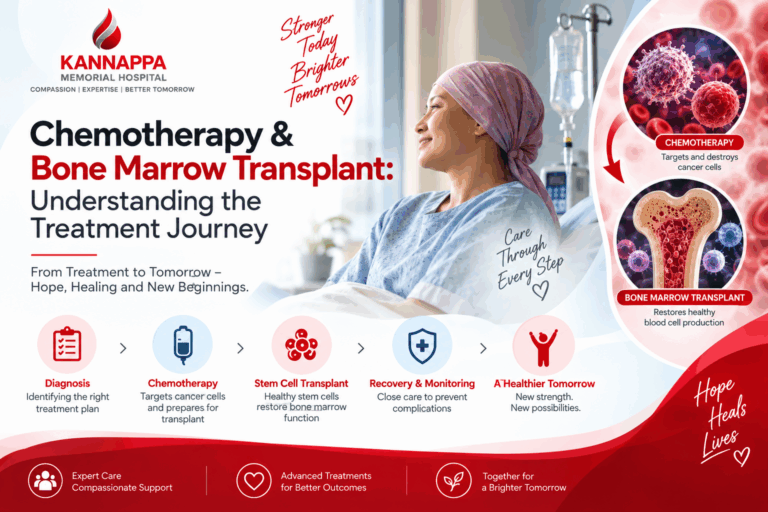
Although the exact treatment plan varies from patient to patient, a BMT generally involves several stages.
Step 1: Detailed Evaluation
Before transplantation, the medical team performs a comprehensive evaluation. This may include blood tests, imaging, disease-specific investigations, organ-function assessment, and other tests required to determine transplant suitability.
The patient’s overall health and disease status are carefully assessed.
Step 2: Stem Cell Collection
Depending on the transplant type, stem cells may be collected from the patient or a donor.
For peripheral blood stem cell transplantation, stem cells can be collected from the bloodstream using a specialized collection procedure.
Step 3: Conditioning Treatment
Before the stem cells are infused, the patient may receive chemotherapy and, in selected cases, other treatments known as conditioning therapy.
The purpose and intensity of conditioning depend on the disease and transplant strategy.
Step 4: Stem Cell Infusion
The collected stem cells are infused into the patient’s bloodstream through an intravenous line or central venous access.
The stem cells then travel to the bone marrow, where they can begin producing new blood cells.
For more information about the transplantation process, visit [Bone Marrow Transplant Procedure → https://kannappamemorialhospital.com/bone-marrow/transplant-procedure/].
Step 5: Monitoring and Recovery
After transplantation, close monitoring is required. The medical team watches blood counts, infections, organ function, and other possible complications.
Recovery varies considerably between patients and depends on the type of transplant, underlying disease, treatment intensity, and overall health.
What Is the Role of a BMT Specialist?
A BMT specialist in Chennai plays an important role throughout the transplant journey.
The transplant team may be involved in:
- Evaluating transplant eligibility
- Selecting the appropriate transplant approach
- Assessing donor compatibility
- Planning conditioning treatment
- Coordinating stem cell collection
- Monitoring the patient after transplantation
- Managing infections and other complications
- Providing follow-up care
Patients looking for specialist care can learn more about the [Best Bone Marrow Transplant Doctor in Chennai → https://kannappamemorialhospital.com/best-bone-marrow-transplant-doctor-in-chennai/].
Bone marrow transplantation is a complex treatment, so coordinated care between hematologists, transplant specialists, nurses, laboratory teams, and other healthcare professionals is important.
2.Bone Marrow Transplant Recovery
Recovery after a bone marrow transplant in Chennai is different for every patient.
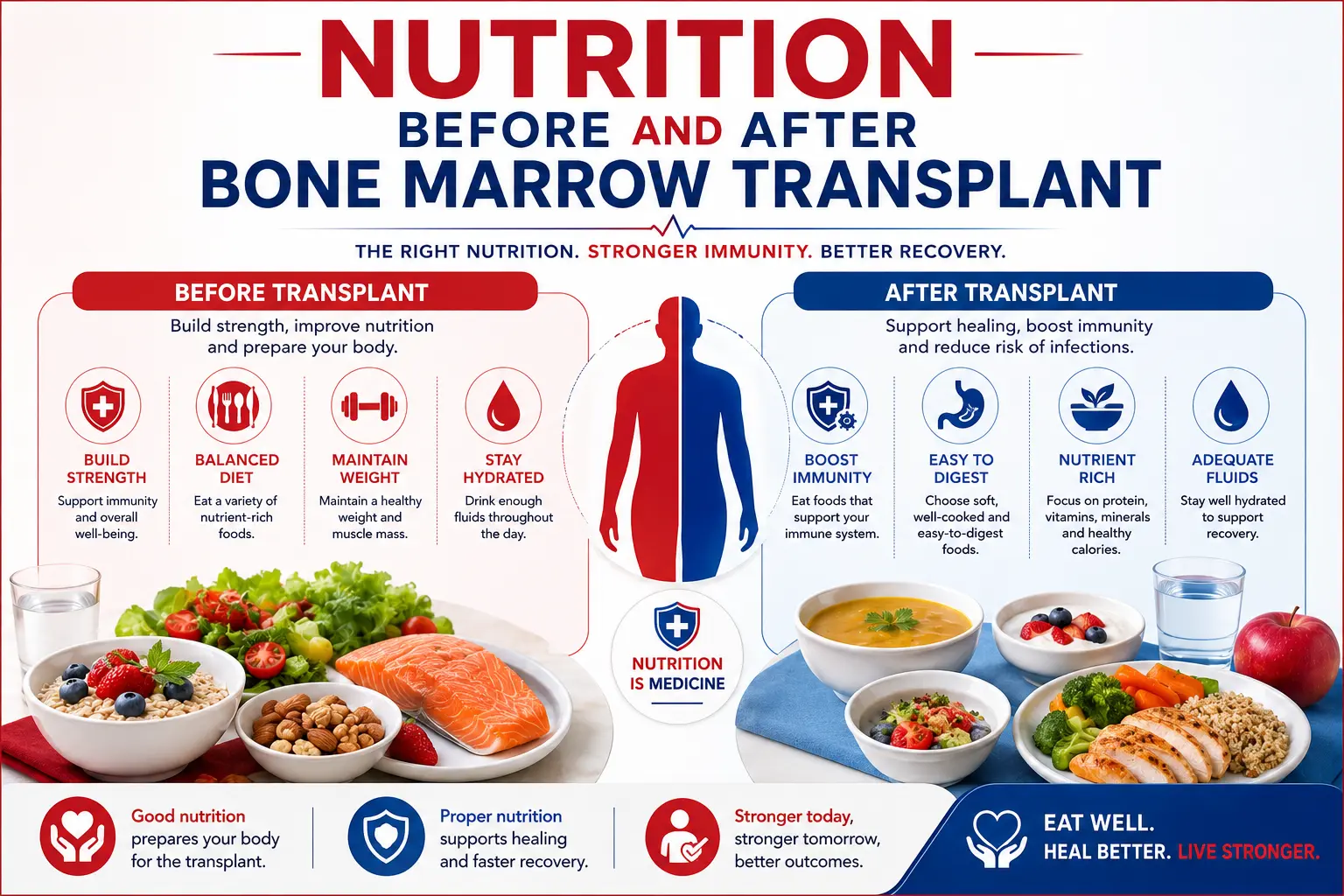
During the early recovery period, the patient’s blood counts may remain low and close medical monitoring is required. Patients may be advised to follow precautions related to infection prevention, nutrition, medicines, and follow-up appointments.
Depending on the transplant type and individual circumstances, recovery may take several weeks to months.
Follow-up visits are important to monitor blood counts, treatment response, infections, immune recovery, and other possible complications.
For more information about long-term recovery and follow-up, visit [ Post-Transplant Care & Survivorship → https://kannappamemorialhospital.com/bone-marrow/post-transplant-care-survivorship/].
Patients should follow the instructions provided by their transplant team and immediately report symptoms such as fever, breathing difficulty, persistent vomiting, unusual bleeding, or other concerning changes.
Possible Risks and Complications
Like other major medical treatments, bone marrow transplantation can have potential risks.
Possible complications may include:
- Infections
- Low blood cell counts
- Bleeding
- Nausea and vomiting
- Fatigue
- Organ-related complications
- Reactions to treatment
- Graft-versus-host disease (GVHD) following certain allogeneic transplants
- Other transplant-related complications
The risks vary depending on the patient’s condition, transplant type, conditioning regimen, age, overall health, and other factors.
Your transplant specialist can explain the potential benefits and risks specific to your individual treatment plan.
For additional information, see Bone Marrow Transplant Risks and Complications → https://kannappamemorialhospital.com/bone-marrow/risks-complications/].
Bone Marrow Transplant Cost in Chennai
One of the most common questions patients have is about bone marrow transplant cost in Chennai.
The total cost can vary significantly from one patient to another. Factors that may influence the overall treatment cost include:
- Type of transplant
- Underlying disease
- Donor-related investigations
- Pre-transplant evaluation
- Conditioning treatment
- Duration of hospitalisation
- Medicines
- Blood and platelet support
- Management of complications
- Follow-up care
Therefore, there is no single cost that applies to every patient.
For detailed information about the factors affecting treatment expenses, visit [ Bone Marrow Transplant Cost in Chennai → https://kannappamemorialhospital.com/bone-marrow-transplant-cost-in-chennai/].
Patients should discuss the expected treatment plan and estimated expenses with the hospital before beginning transplantation.
Why Choose a Specialized BMT Hospital in Chennai?
Bone marrow transplantation requires specialized medical expertise, appropriate infrastructure, infection-control measures, laboratory support, and close patient monitoring.
When selecting a BMT hospital in Chennai, patients and families may consider:
- Experience of the transplant team
- Availability of hematology and transplant specialists
- Transplant infrastructure
- Infection-control facilities
- Blood bank and laboratory support
- Intensive monitoring and supportive care
- Emergency medical support
- Follow-up services
Choosing a hospital with a dedicated transplant-care team can help ensure that the patient’s treatment is coordinated throughout the transplant journey.
Bone Marrow Transplant at Kannappa Memorial Hospital
Kannappa Memorial Hospital provides specialized medical services for patients with blood and bone marrow disorders, including bone marrow transplantation and stem cell transplantation in Chennai.
The hospital’s transplant services are supported by a multidisciplinary team involved in patient evaluation, transplant planning, stem cell transplantation, monitoring, and follow-up care.
Patients who have been advised to undergo BMT can consult the hospital’s hematology and transplant specialists to understand whether transplantation may be appropriate for their specific condition.
The treatment plan is individualized based on the patient’s diagnosis, medical history, disease status, donor availability, and overall health.
When Should You Consult a BMT Specialist?
You may consider consulting a bone marrow transplant specialist in Chennai if you or a family member has been diagnosed with a condition for which stem cell transplantation may be considered.
A specialist consultation can help answer questions such as:
- Is bone marrow transplantation suitable for my condition?
- Which type of transplant may be appropriate?
- Do I need a donor?
- What tests are required before transplantation?
- How long does the treatment take?
- What precautions are required after transplantation?
- What factors can affect the overall treatment cost?
An early consultation allows the medical team to evaluate the condition and discuss possible treatment options.
Conclusion
A bone marrow transplant in Chennai can be an important treatment option for selected patients with leukemia, lymphoma, multiple myeloma, thalassemia, aplastic anemia, and other serious blood or bone marrow disorders.
The transplantation process involves detailed evaluation, stem cell collection, conditioning treatment, stem cell infusion, and careful post-transplant monitoring. Since every patient’s condition is different, the type of transplant and treatment approach must be determined by a qualified hematology and transplant team.
Kannappa Memorial Hospital provides specialized BMT and stem cell transplant care in Chennai, with a multidisciplinary approach to transplant evaluation, treatment, monitoring, and follow-up.
If you or your family member has been advised to consider a bone marrow transplant, consult a qualified BMT specialist to understand the available treatment options and whether transplantation is appropriate for your individual condition.
Frequently Asked Questions (FAQs)
1. What is a bone marrow transplant?
A bone marrow transplant is a treatment in which healthy blood-forming stem cells are infused into a patient to replace damaged or diseased blood-forming cells.
2. Is bone marrow transplant available in Chennai?
Yes. Specialized hospitals in Chennai provide bone marrow and stem cell transplantation services. Kannappa Memorial Hospital provides BMT and stem cell transplant care for eligible patients.
3. How much does a bone marrow transplant cost in Chennai?
The cost varies depending on the type of transplant, disease, investigations, medicines, hospital stay, donor requirements, and management of complications. Patients should obtain an individualized estimate from the hospital.
For more information, visit [Bone Marrow Transplant Cost in Chennai → https://kannappamemorialhospital.com/bone-marrow-transplant-cost-in-chennai/].
4. What diseases can require a bone marrow transplant?
BMT may be considered for selected patients with conditions such as leukemia, lymphoma, multiple myeloma, aplastic anemia, thalassemia, and certain other bone marrow disorders.
5. What is the difference between autologous and allogeneic transplantation?
Autologous transplantation uses the patient’s own collected stem cells, while allogeneic transplantation uses stem cells from a suitable donor.
6. How long does recovery take after BMT?
Recovery varies from person to person. Some aspects of recovery may take weeks, while immune-system recovery and complete rehabilitation can take considerably longer depending on the type of transplant and individual circumstances.
7. Is a donor always required for a bone marrow transplant?
No. A donor is not required for an autologous transplant because the patient’s own stem cells are used. Allogeneic transplantation requires stem cells from a suitable donor.
8. How do I know if I am eligible for a bone marrow transplant?
Eligibility depends on several factors, including the underlying disease, disease status, previous treatment, overall health, organ function, and transplant risk. A BMT specialist must evaluate the individual patient.
9. Where can I consult a BMT specialist in Chennai?
Patients can consult the hematology and transplant team at Kannappa Memorial Hospital in Chennai for evaluation and guidance regarding bone marrow and stem cell transplantation.
10. Is bone marrow transplantation a major treatment?
Yes. BMT is a complex treatment that requires specialized medical care, close monitoring, and follow-up. The transplant team will explain the expected benefits, risks, treatment process, and recovery requirements before transplantation.
3.Hematopoietic Stem Cell Transplantation: Types, Procedure, Benefits, Risks and Recovery
Hematopoietic Stem Cell Transplantation (HSCT) is an advanced treatment used for certain blood cancers, bone marrow disorders, immune system disorders and other serious conditions affecting blood-forming cells. It involves replacing damaged or diseased blood-forming stem cells with healthy stem cells obtained either from the patient or a suitable donor.
Hematopoietic stem cells are responsible for producing red blood cells, white blood cells and platelets. When these cells are severely damaged by disease or intensive chemotherapy, hematopoietic stem cell transplantation can help restore the body’s ability to produce healthy blood cells.
For patients considering stem cell transplantation in Chennai, understanding the procedure, types, eligibility, risks and recovery process can help them discuss appropriate treatment options with their medical team.
What Is Hematopoietic Stem Cell Transplantation?
Hematopoietic stem cell transplantation, commonly called HSCT, is a medical procedure in which healthy blood-forming stem cells are infused into a patient to restore bone marrow function.
The transplanted stem cells can come from:
- The patient’s own body
- A related or unrelated donor
- An identical twin in selected cases
- Umbilical cord blood in selected situations
The stem cells may be collected from peripheral blood, bone marrow or cord blood. After infusion, the cells travel to the bone marrow and begin producing new blood cells.
Unlike an organ transplant, the stem cells are generally given through an intravenous catheter, similar to a blood transfusion.
Why Is Hematopoietic Stem Cell Transplantation Done?
HSCT may be considered when intensive treatment is required or when the patient’s bone marrow or blood-forming system is severely affected.
It may be used in the treatment of selected:
- Leukemias
- Lymphomas
- Multiple myeloma
- Myelodysplastic syndromes
- Aplastic anemia
- Sickle cell disease
- Certain immune system disorders
- Selected inherited blood disorders
The suitability of HSCT depends on several factors, including the disease, stage of disease, previous treatment, overall health, availability of a donor and the patient’s ability to tolerate intensive therapy.
Therefore, not every patient with a blood disorder requires a stem cell transplant. A hematologist or transplant specialist evaluates each patient individually before recommending HSCT.
Types of Hematopoietic Stem Cell Transplantation
There are several types of hematopoietic stem cell transplantation. The two major types are autologous HSCT and allogeneic HSCT.
For more information about the different transplant approaches, see Types of Transplant.
1. Autologous Stem Cell Transplant
In an autologous stem cell transplant, the patient’s own healthy stem cells are collected and stored before intensive treatment.
The general process involves:
- Mobilizing stem cells into the bloodstream.
- Collecting the stem cells through a procedure called apheresis.
- Processing and storing the collected stem cells.
- Giving high-dose chemotherapy or another preparative treatment.
- Infusing the stored stem cells back into the patient.
The transplanted cells help restore blood-forming function after intensive treatment. Autologous transplantation is commonly used for selected blood cancers, including multiple myeloma and some lymphomas.
2. Allogeneic Stem Cell Transplant
In an allogeneic stem cell transplant, the stem cells come from another person. The donor may be a family member or an unrelated donor who has an appropriate tissue match.
Before transplantation, doctors perform tests to determine compatibility between the donor and recipient. Human leukocyte antigen, or HLA, matching is an important part of donor selection.
Allogeneic transplantation may be recommended for certain leukemias, lymphomas and other blood or immune system disorders.
One important potential benefit of an allogeneic transplant is the graft-versus-leukemia or graft-versus-tumor effect, in which donor immune cells may recognize and attack remaining cancer cells.
3. Syngeneic Transplant
A syngeneic transplant uses stem cells from an identical twin. This type of transplantation is relatively uncommon and is possible only when the patient has an identical twin who can serve as a donor.
Where Do Stem Cells Come From?
Stem cells used for HSCT can be collected from different sources.
Peripheral Blood Stem Cells
Peripheral blood stem cells are collected from the bloodstream using an apheresis machine. The machine separates stem cells from the blood and returns the remaining blood components to the donor or patient.
Peripheral blood is a commonly used source of stem cells for transplantation.
Bone Marrow
Bone marrow contains blood-forming stem cells. Stem cells can be collected directly from the bone marrow when appropriate.
Umbilical Cord Blood
Cord blood collected after childbirth can also provide blood-forming stem cells for selected patients.
The choice of stem cell source depends on the patient’s condition, transplant type, donor availability and the transplant team’s assessment.
How Does the HSCT Procedure Work?
The hematopoietic stem cell transplant procedure generally involves several stages. Patients can learn more about the individual stages in the hospital’s Transplant Procedure guide.
Step 1: Evaluation and Testing
Before transplantation, the medical team evaluates the patient’s overall health and disease status. Tests may include blood investigations, imaging, heart and lung assessments and other examinations depending on the patient’s condition.
For allogeneic transplantation, donor testing and HLA matching are also performed.
Step 2: Stem Cell Collection
For autologous transplantation, the patient’s stem cells are collected and stored before intensive treatment.
For allogeneic transplantation, stem cells are collected from the selected donor.
Step 3: Conditioning Treatment
The patient receives a preparative or conditioning regimen, which may involve high-dose chemotherapy and, in some cases, radiation therapy.
This treatment is designed to treat the underlying disease and prepare the body for the transplant.
Step 4: Stem Cell Infusion
The stem cells are infused through an intravenous catheter. This stage is often referred to as Day 0 of the transplant process.
The infusion itself is generally similar to receiving blood through an IV line.
Step 5: Engraftment and Recovery
After infusion, the stem cells travel to the bone marrow and begin producing new blood cells. This process is called engraftment.
During this period, doctors closely monitor blood counts, infections, bleeding and other possible complications.
What Are the Benefits of HSCT?
The potential benefits of hematopoietic stem cell transplantation depend on the underlying disease and the type of transplant.
Potential benefits may include:
- Restoring blood-forming stem cells after intensive treatment
- Providing a treatment option for certain blood cancers
- Replacing damaged or diseased bone marrow
- Supporting recovery of blood cell production
- Providing a potential donor immune response against certain cancers in allogeneic transplantation
- Offering a treatment option for selected non-malignant blood and immune disorders
HSCT can be an intensive treatment, so the potential benefits must always be weighed against possible complications.
What Are the Risks and Side Effects of HSCT?
Like any major medical treatment, stem cell transplantation can have side effects. The risks vary according to the patient’s disease, age, overall health, conditioning regimen and transplant type.
For additional information, patients can read about risks and complications of bone marrow transplantation.
Possible short-term side effects include:
- Fatigue
- Nausea and vomiting
- Reduced appetite
- Mouth sores
- Hair loss
- Increased risk of infection
- Low blood counts
- Bleeding
- Skin reactions
Long-term complications can include fertility problems, organ-related complications and other health effects.
Patients receiving an allogeneic transplant may also develop graft-versus-host disease (GVHD). GVHD occurs when donor immune cells recognize the recipient’s tissues as foreign and attack them. It can affect organs such as the skin, liver and gastrointestinal tract.
Because complications can be serious, HSCT should be performed in a specialized transplant centre with appropriate monitoring and supportive care.
Recovery After Hematopoietic Stem Cell Transplantation
Recovery after HSCT is gradual and differs from patient to patient.
During the initial recovery period, patients may require close monitoring of blood counts, infection symptoms, nutrition and other potential complications.
Once the transplanted stem cells begin producing blood cells, blood counts gradually recover. However, recovery of the immune system can take considerably longer.
Regular follow-up appointments are important during this period. The transplant team may monitor blood counts, disease status, infections, medication effects and other aspects of recovery.
Patients and caregivers can also learn more about post-transplant care and survivorship to understand the importance of continued monitoring after transplantation.
Choosing a Stem Cell Transplant Centre
Choosing the right stem cell transplant hospital in Chennai is an important decision. Patients and families may consider factors such as:
- Experience of the transplant team
- Availability of hematology and oncology specialists
- Dedicated transplant facilities
- Infection-control protocols
- Availability of intensive supportive care
- Laboratory and diagnostic facilities
- Donor matching and stem cell collection services
- Long-term follow-up and monitoring
Patients should discuss their diagnosis and treatment options with a qualified hematologist or transplant specialist before making a treatment decision.
Those looking for a specialist can learn more about the bone marrow transplant doctors in Chennai and the transplant services available at Kannappa Memorial Hospital.
Hematopoietic Stem Cell Transplantation in Chennai
For patients searching for hematopoietic stem cell transplantation in Chennai, access to experienced hematology specialists and dedicated transplant care is important.
Kannappa Memorial Hospital provides bone marrow transplant and hematology care in Chennai, including evaluation and treatment for patients who may require transplantation.
A transplant is not a single procedure but a complete treatment journey involving evaluation, stem cell collection, conditioning therapy, stem cell infusion, engraftment and long-term follow-up.
At Kannappa Memorial Hospital, patients can discuss their blood disorder or cancer diagnosis with the appropriate medical team and understand whether stem cell transplantation may be suitable for their individual condition.
The decision to undergo HSCT should always be based on a detailed medical evaluation and a personalized discussion between the patient, family and transplant team.
Conclusion
Hematopoietic Stem Cell Transplantation (HSCT) is an important treatment option for selected patients with blood cancers, bone marrow disorders and certain other serious diseases. Depending on the condition, patients may receive an autologous transplant using their own stem cells or an allogeneic transplant using stem cells from a suitable donor.
The HSCT journey includes detailed evaluation, stem cell collection, conditioning treatment, transplantation, engraftment and long-term follow-up. Although transplantation can involve significant risks, advances in transplant medicine, donor matching and supportive care continue to improve the management of patients undergoing this treatment.
If you or a family member has been advised to consider a hematopoietic stem cell transplant, consult a qualified hematologist or transplant specialist to understand the potential benefits, risks and alternatives based on the individual medical condition.
Frequently Asked Questions About Hematopoietic Stem Cell Transplantation
1. What is hematopoietic stem cell transplantation?
Hematopoietic stem cell transplantation is a treatment in which healthy blood-forming stem cells are infused into a patient to restore blood and bone marrow function after intensive treatment or for certain blood disorders.
2. What is the difference between HSCT and bone marrow transplantation?
HSCT is a broader term for transplantation of blood-forming stem cells. These cells may come from peripheral blood, bone marrow or cord blood. A bone marrow transplant specifically refers to stem cells obtained from bone marrow.
3. What is an autologous stem cell transplant?
An autologous transplant uses the patient’s own stem cells. They are collected before intensive treatment, stored and later infused back into the patient.
4. What is an allogeneic stem cell transplant?
An allogeneic transplant uses healthy blood-forming stem cells from another person, such as a suitable related or unrelated donor.
5. How are stem cells collected?
Stem cells can be collected from peripheral blood using apheresis, from bone marrow or, in selected circumstances, from umbilical cord blood.
6. How long does recovery take after HSCT?
Recovery varies between individuals and depends on the type of transplant and overall health. Blood counts generally recover as the transplanted cells engraft, while complete immune recovery can take much longer.
7. Is hematopoietic stem cell transplantation suitable for everyone?
No. Eligibility depends on the disease, disease status, previous treatments, overall health, donor availability and other medical factors. A transplant specialist must evaluate each patient individually.
8. Where can I seek hematopoietic stem cell transplantation in Chennai?
Patients looking for hematopoietic stem cell transplantation in Chennai should consult a specialized hematology or transplant centre where the medical team can evaluate the diagnosis and determine whether HSCT is an appropriate treatment option. Learn more about bone marrow transplant services at Kannappa Memorial Hospital.