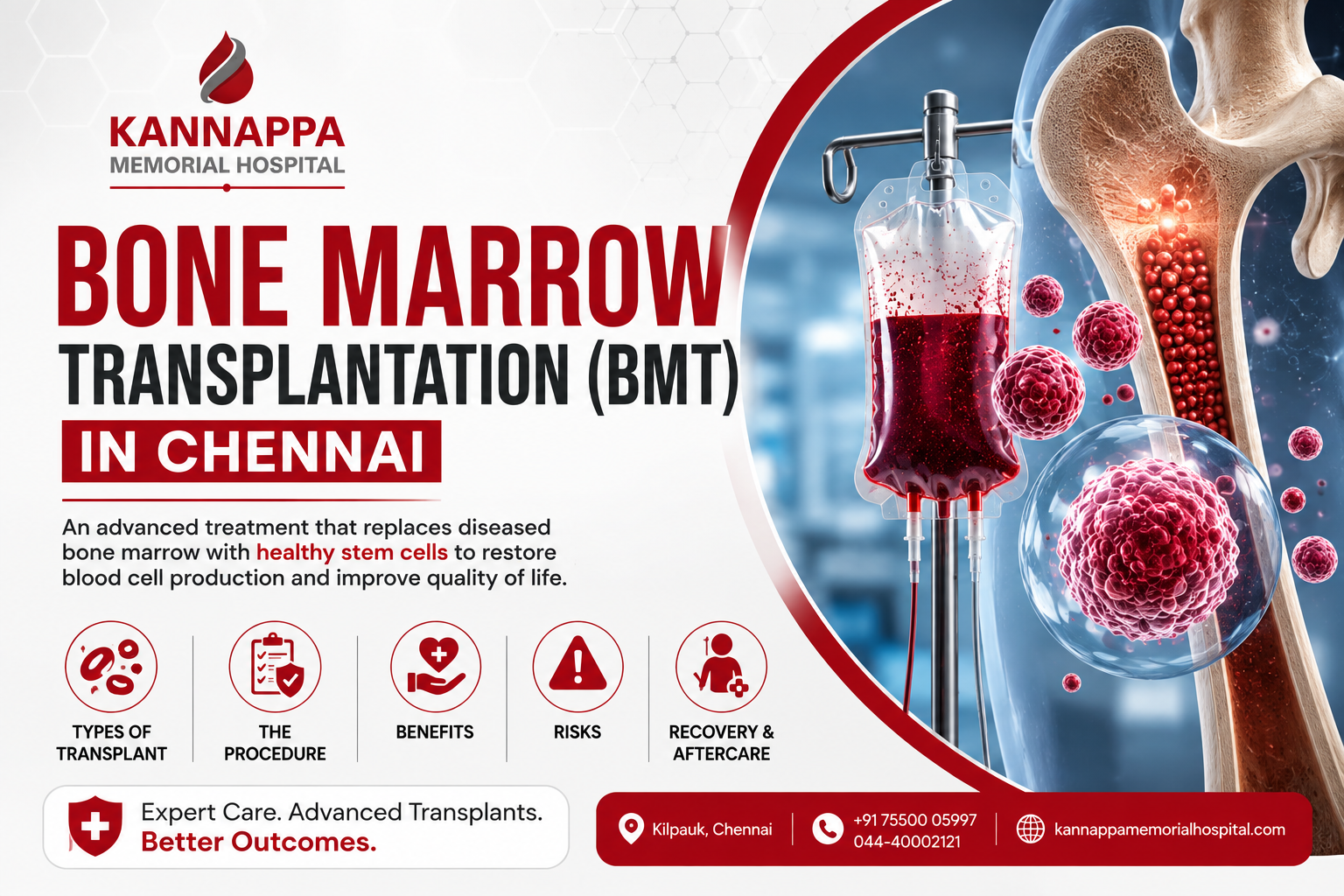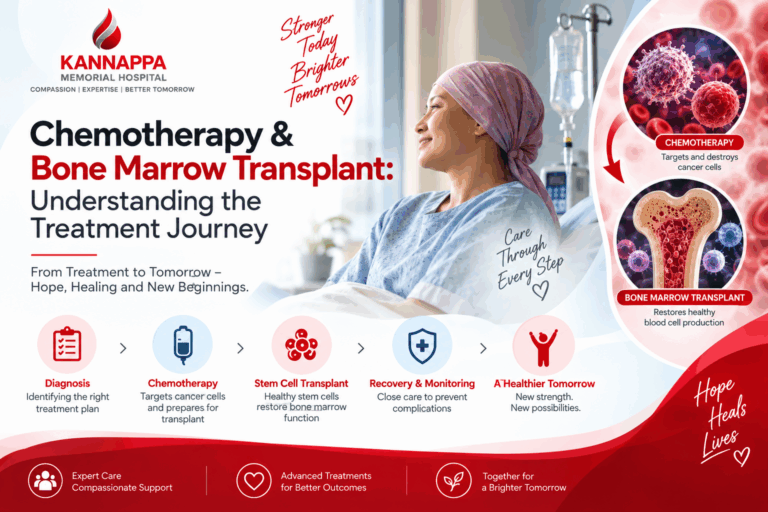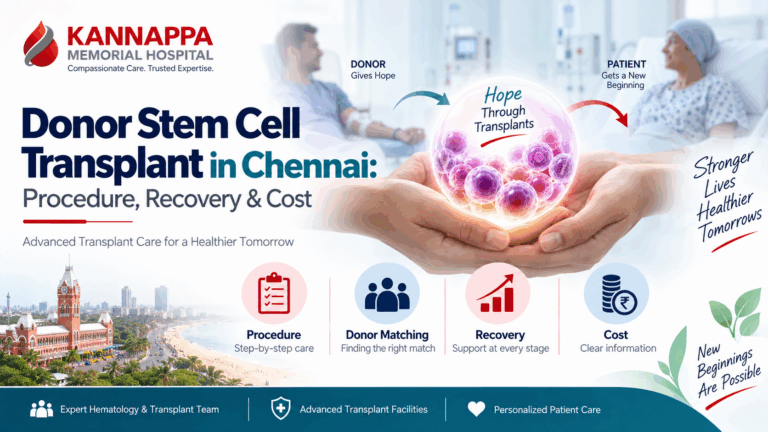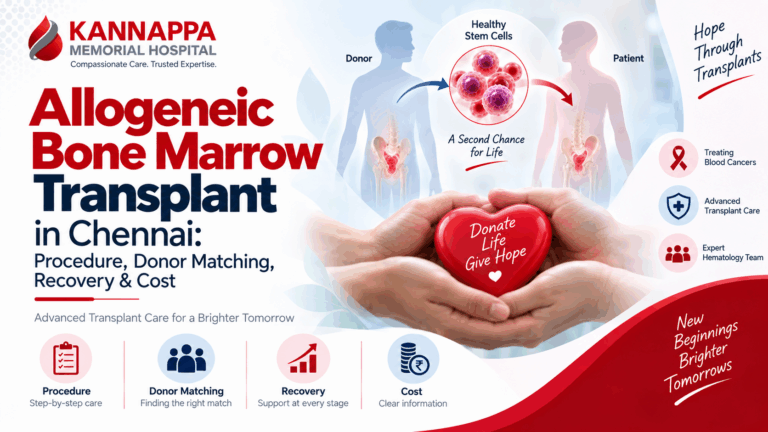
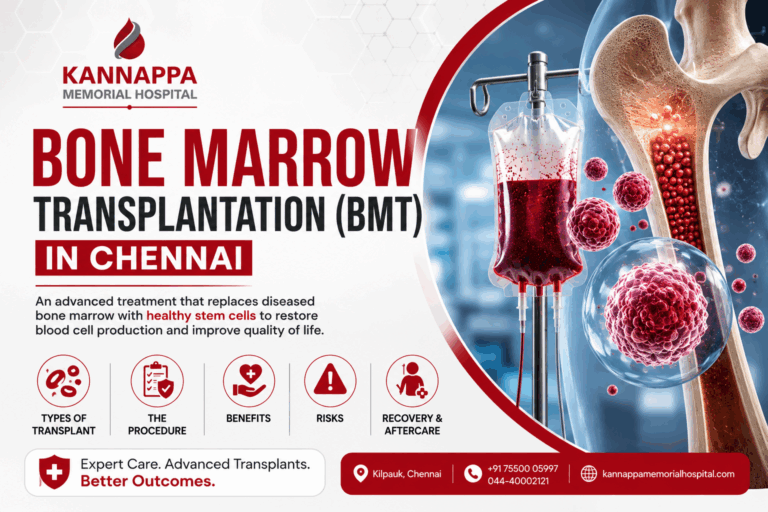
Bone Marrow Transplantation (BMT) is an advanced medical treatment used for selected blood cancers, bone marrow disorders and certain immune and inherited conditions. Also known as a stem cell transplant, the procedure replaces damaged or diseased blood-forming stem cells with healthy stem cells.
Bone marrow is a soft tissue found inside certain bones and is responsible for producing important blood cells, including red blood cells, white blood cells and platelets. When the bone marrow is damaged by disease or intensive treatment, it may no longer produce healthy blood cells effectively. A bone marrow transplant can help restore blood cell production in appropriately selected patients.
For patients searching for bone marrow transplantation in Chennai, understanding the procedure, types, eligibility, benefits, risks and recovery process can help them have informed discussions with their healthcare team.
What Is Bone Marrow Transplantation?
A bone marrow transplant is a procedure in which healthy blood-forming stem cells are introduced into the patient’s body to help restore normal bone marrow function.
The transplanted stem cells can come from the patient or from a suitable donor. Depending on the patient’s condition, doctors may recommend an autologous transplant, which uses the patient’s own stem cells, or an allogeneic transplant, which uses stem cells from a donor.
Although the term “bone marrow transplant” is commonly used, many modern transplants use hematopoietic stem cells collected from the bloodstream rather than directly from bone marrow.
After the stem cells are infused, they travel to the bone marrow and begin producing new blood cells. The process through which the transplanted cells establish themselves and start producing blood cells is called engraftment.
Why Is a Bone Marrow Transplant Done?
A bone marrow transplant may be considered when the patient’s bone marrow is affected by disease or when intensive treatment has damaged the blood-forming system.
BMT may be used for selected patients with conditions such as:
- Leukemia
- Lymphoma
- Multiple myeloma
- Myelodysplastic syndromes
- Aplastic anemia
- Certain inherited blood disorders
- Selected immune system disorders
- Other serious bone marrow and blood-related conditions
The decision to recommend a transplant depends on several factors. These may include the patient’s diagnosis, disease stage, previous treatments, age, general health, organ function and availability of a suitable donor.
Patients with blood cancers such as leukemia can learn more about leukemia treatment and care as part of understanding their available treatment options.
Not every patient with a blood disorder requires a bone marrow transplant. A hematologist or transplant specialist carefully evaluates the individual before recommending BMT.
Types of Bone Marrow Transplantation
There are two major types of bone marrow transplantation: autologous and allogeneic.
For more information about transplant approaches, patients can explore the hospital’s bone marrow transplant services.
1. Autologous Bone Marrow Transplant
An autologous bone marrow transplant uses the patient’s own blood-forming stem cells.
The patient’s stem cells are collected and stored before the patient receives high-dose chemotherapy or another intensive treatment. Once the treatment is completed, the stored stem cells are returned to the patient’s bloodstream.
The general process includes:
- Stem cell mobilization
- Stem cell collection
- Processing and storage
- Conditioning treatment
- Stem cell infusion
- Engraftment and recovery
Autologous transplantation may be used for selected patients with conditions such as multiple myeloma and certain lymphomas.
Patients diagnosed with myeloma can also learn more about myeloma treatment and available treatment approaches.
2. Allogeneic Bone Marrow Transplant
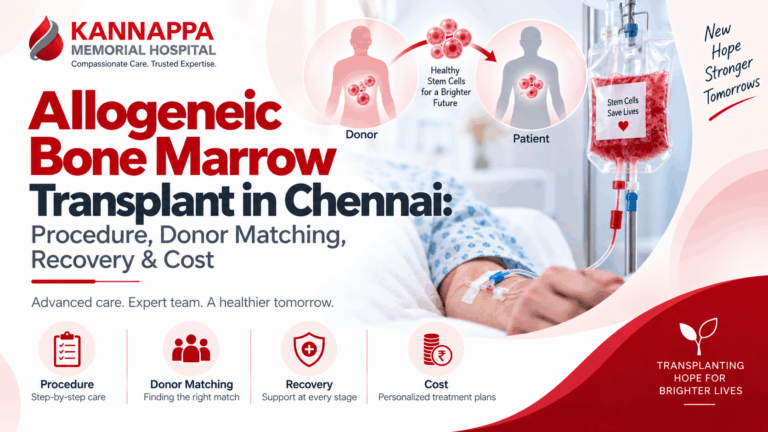
An allogeneic bone marrow transplant uses blood-forming stem cells from another person.
The donor may be a family member or an unrelated donor who has a suitable tissue match. Doctors perform detailed donor-recipient testing, including HLA matching, before transplantation.
Allogeneic transplantation may be used for selected patients with leukemia, myelodysplastic syndromes and other serious blood or bone marrow disorders.
One potential benefit of an allogeneic transplant is the graft-versus-leukemia effect. Donor immune cells may recognize and attack remaining abnormal cells.
However, allogeneic transplantation can also involve complications such as graft-versus-host disease, making careful monitoring and specialized transplant care essential.
Where Do Bone Marrow Transplant Stem Cells Come From?
Despite the name, stem cells for a bone marrow transplant can be obtained from several sources.
Peripheral Blood Stem Cells
Peripheral blood stem cells are collected from the bloodstream using a procedure called apheresis. The blood passes through a specialized machine that separates the stem cells and returns the remaining blood components.
Peripheral blood is commonly used for many stem cell transplants.
Bone Marrow
Stem cells can also be collected directly from bone marrow. This is generally performed under anesthesia using specialized medical techniques.
Umbilical Cord Blood
Umbilical cord blood can also be a source of blood-forming stem cells for selected transplant patients.
The transplant team decides the most appropriate stem cell source based on the patient’s disease, transplant type, donor availability and other medical factors.
Bone Marrow Transplant Procedure
The bone marrow transplant procedure involves multiple stages rather than a single treatment.
Patients can learn more about the stages involved in the bone marrow transplant procedure.
Step 1: Medical Evaluation
Before transplantation, the patient undergoes a detailed medical evaluation.
This may include:
- Blood tests
- Bone marrow tests
- Imaging studies
- Heart evaluation
- Lung evaluation
- Kidney and liver function tests
- Infection screening
- Disease-status assessment
The transplant team uses these results to determine whether the patient can safely undergo transplantation.
Step 2: Donor Matching
For an allogeneic transplant, doctors search for an appropriate donor.
HLA matching plays an important role in identifying a suitable donor. Potential donors may include siblings, relatives or unrelated volunteer donors, depending on the patient’s circumstances.
Step 3: Stem Cell Collection
For an autologous transplant, stem cells are collected from the patient and stored.
For an allogeneic transplant, stem cells are collected from the selected donor.
Step 4: Conditioning Therapy
Before the transplant, patients generally receive a conditioning regimen.
This may involve chemotherapy and, in selected cases, radiation therapy. The purpose of conditioning varies depending on the disease and transplant approach. It may help control the underlying disease and prepare the body for the transplanted stem cells.
Step 5: Stem Cell Infusion
The collected stem cells are infused into the patient’s bloodstream through an intravenous line or central venous catheter.
The infusion is generally similar to receiving blood or other intravenous treatments.
Step 6: Engraftment
Following the infusion, the stem cells travel to the bone marrow and begin producing new blood cells.
This stage is known as engraftment.
During this period, the patient requires close monitoring because blood cell counts can remain low and the risk of infections and bleeding may increase.
Benefits of Bone Marrow Transplantation
For appropriately selected patients, BMT can provide an important treatment option for serious diseases.
Potential benefits include:
- Restoring blood-forming stem cells
- Supporting recovery after intensive treatment
- Treating selected blood cancers
- Replacing damaged or diseased bone marrow
- Providing a donor immune response against certain cancers
- Offering treatment for selected non-cancerous blood disorders
- Potentially providing long-term disease control or remission in appropriate cases
The potential benefits vary considerably depending on the disease and individual patient.
Risks and Complications of Bone Marrow Transplant
A bone marrow transplant is an intensive treatment and can have significant side effects. The risks depend on the patient’s health, underlying disease, transplant type, conditioning treatment and other factors.
Patients can learn more about bone marrow transplant risks and complications before discussing treatment with their medical team.
Possible short-term complications include:
- Fatigue
- Nausea and vomiting
- Loss of appetite
- Mouth sores
- Hair loss
- Low blood cell counts
- Increased risk of infection
- Bleeding
- Fever
- Skin reactions
Patients receiving an allogeneic transplant may also develop graft-versus-host disease (GVHD). This occurs when donor immune cells recognize the recipient’s tissues as foreign and attack them.
GVHD can affect organs including the skin, liver and gastrointestinal tract.
Other possible complications can include organ-related problems, fertility issues, infections and other long-term effects.
Because of these risks, bone marrow transplantation should be performed in a specialized centre with experienced transplant professionals and appropriate supportive care.
Recovery After Bone Marrow Transplantation
Recovery after a bone marrow transplant is different for every patient.
Immediately after transplantation, the medical team closely monitors:
- Blood cell counts
- Signs of infection
- Bleeding
- Nutrition and hydration
- Medication effects
- Organ function
- Signs of graft-versus-host disease in allogeneic transplant patients
As the transplanted stem cells begin producing new blood cells, blood counts gradually improve.
However, recovery of the immune system may take considerably longer. Patients may therefore require continued medical follow-up even after leaving the hospital.
For information about ongoing monitoring and care, patients can explore post-transplant care and survivorship.
Follow-up appointments can help doctors monitor blood counts, disease status, infections, medication side effects and other aspects of recovery.
Patients should follow their transplant team’s recommendations regarding medicines, diet, hygiene, activity and follow-up care.
How Long Does Bone Marrow Transplant Recovery Take?
There is no single recovery period that applies to every patient.
The time required depends on factors such as:
- Type of transplant
- Underlying disease
- Conditioning regimen
- Age
- General health
- Complications
- Immune-system recovery
Blood counts generally begin recovering after engraftment, but complete immune recovery can take much longer.
Regular follow-up is therefore an important part of the transplant journey.
Choosing a Bone Marrow Transplant Hospital in Chennai
Choosing an appropriate bone marrow transplant hospital in Chennai is an important decision for patients and families.
When evaluating a transplant centre, patients may consider:
- Experience of the transplant team
- Expertise in hematology and oncology
- Dedicated transplant facilities
- Infection-control measures
- Availability of diagnostic laboratories
- Stem cell collection and processing facilities
- Donor matching support
- Intensive supportive care
- Emergency medical support
- Long-term follow-up services
Patients can also consult experienced specialists through the bone marrow transplant team in Chennai.
Patients should discuss the treatment plan, expected outcomes, potential complications and alternatives with their treating specialist.
Bone Marrow Transplantation in Chennai
Patients searching for bone marrow transplantation in Chennai should seek evaluation from an experienced hematology and transplant team.
Kannappa Memorial Hospital provides specialized care for patients with blood disorders and conditions that may require bone marrow transplantation and stem cell transplantation.
The transplant journey begins with a detailed assessment of the patient’s disease and overall health. If transplantation is considered appropriate, the medical team can guide the patient and family through donor evaluation, treatment planning, conditioning, transplantation and follow-up.
Every transplant decision is individualized. Patients should speak with a qualified hematologist or transplant specialist to determine whether BMT is appropriate for their specific condition.
Conclusion
Bone Marrow Transplantation (BMT) is an advanced treatment that can help selected patients with blood cancers, bone marrow disorders and certain other serious diseases. Depending on the patient’s condition, doctors may recommend an autologous transplant using the patient’s own stem cells or an allogeneic transplant using stem cells from a suitable donor.
The process involves medical evaluation, stem cell collection, conditioning treatment, stem cell infusion, engraftment and long-term follow-up. While bone marrow transplantation can involve significant risks, advances in transplant medicine and supportive care have improved the ability to manage many transplant-related complications.
If you or a family member has been advised to consider a bone marrow transplant, consult an experienced hematologist or transplant specialist to understand the available treatment options, potential benefits, risks and expected recovery.