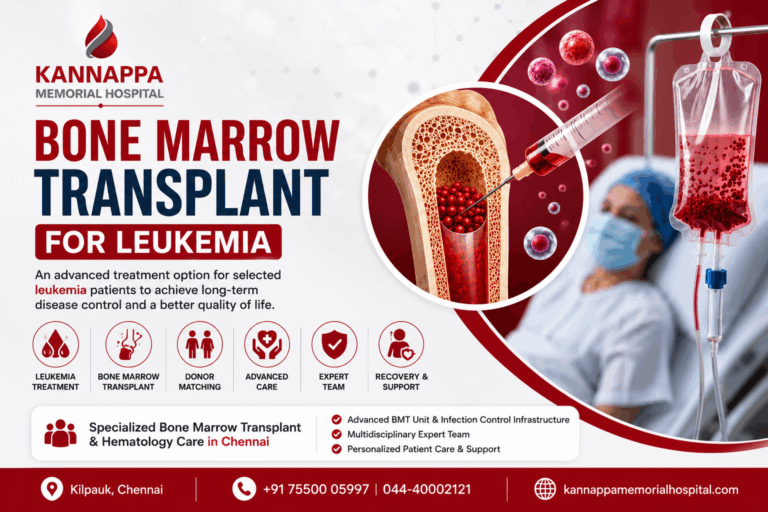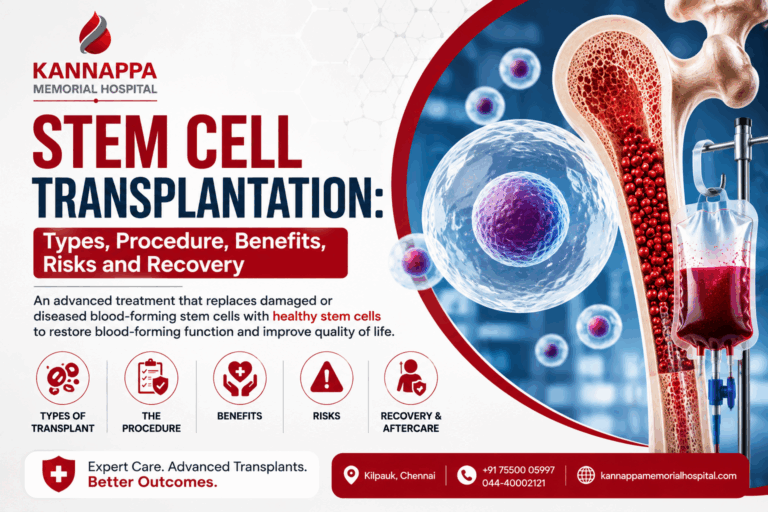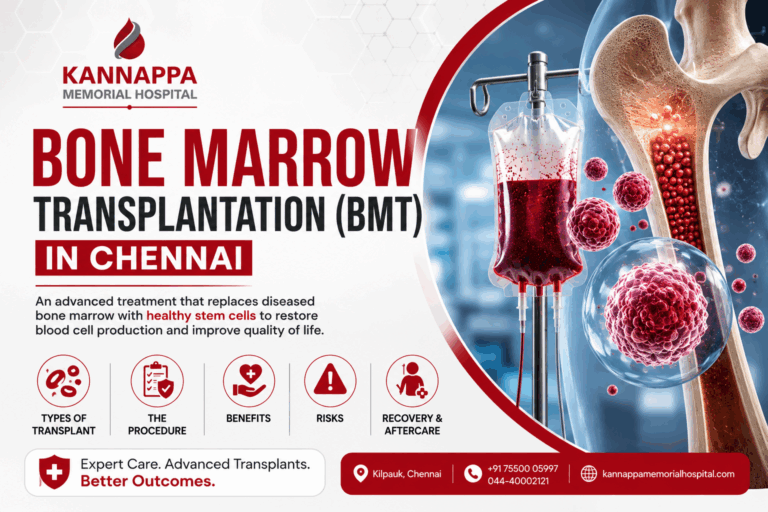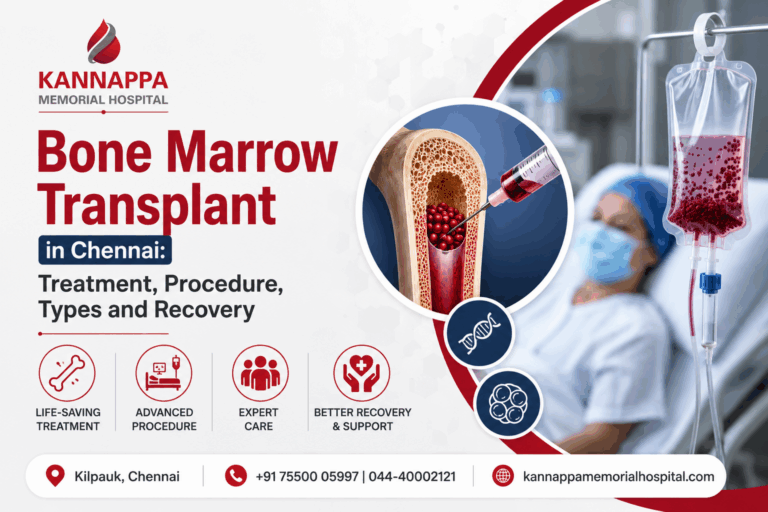

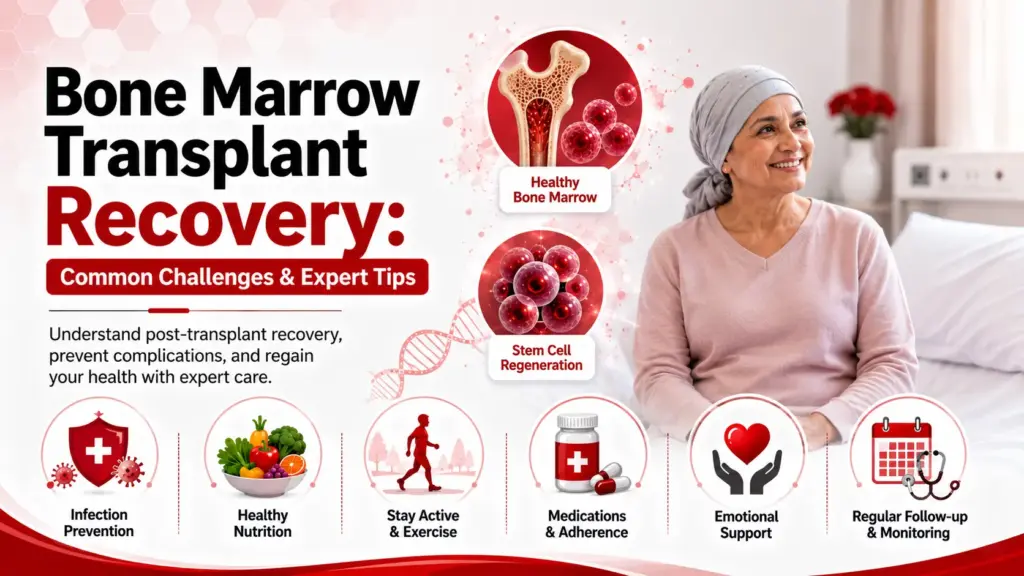
A successful Bone Marrow Transplant Recovery requires expert medical care, patience, and consistent follow-up. At Kannappa Memorial Hospital, recognized as a trusted Bone Marrow Transplant Hospital Chennai, our specialists provide comprehensive Post Bone Marrow Transplant Care to help patients regain their strength, reduce complications, and improve their quality of life after transplantation.
Every patient’s recovery is unique. Some individuals recover quickly, while others experience physical and emotional challenges that require ongoing medical support. Understanding these common post-transplant challenges can help patients and caregivers prepare for recovery and recognize when to seek medical attention.
At Kannappa Memorial Hospital, our Bone Marrow Transplant team provides comprehensive care before, during, and after transplantation, helping patients safely navigate each stage of recovery through personalized treatment plans, infection prevention strategies, nutritional guidance, and long-term follow-up.
Understanding Bone Marrow Transplant Recovery
Every patient’s Bone Marrow Transplant Recovery journey is unique. While some recover within a few months, others may require a longer healing period depending on the type of transplant, overall health, and immune system recovery. Following a structured Bone Marrow Transplant Recovery Timeline helps both patients and caregivers understand what to expect during each stage of healing.
The recovery period may last several months or even longer, depending on:
- Type of transplant (Autologous or Allogeneic)
- Patient’s age
- Overall health
- Underlying disease
- Response to treatment
- Presence of complications
- Immune system recovery
Although many patients feel stronger as their blood counts improve, continued monitoring remains essential because complications can occur weeks or months after transplantation.
Why Post-Transplant Care Is So Important
Effective Post Bone Marrow Transplant Care involves much more than taking medications. It includes infection prevention, regular blood tests, nutritional counseling, physiotherapy, emotional support, and continuous monitoring by experienced transplant specialists. Following a personalized Post Bone Marrow Transplant Care plan significantly reduces complications and promotes faster healing.
Regular follow-up visits allow the transplant team to:
- Monitor blood counts
- Detect infections early
- Assess organ function
- Adjust medications
- Monitor immune recovery
- Screen for transplant-related complications
- Provide rehabilitation and nutritional support
Early identification of potential problems often leads to better outcomes and a smoother recovery.
Common Challenges After a Bone Marrow Transplant
During the recovery period, patients may experience several Bone Marrow Transplant Side Effects such as fatigue, nausea, low blood counts, infections, mouth ulcers, and digestive issues. Although these Bone Marrow Transplant Side Effects can be challenging, they are usually manageable with early medical intervention, medications, nutritional support, and regular follow-up appointments.
1. Increased Risk of Infection
One of the most significant challenges after a bone marrow transplant is an increased susceptibility to infections. Since the immune system requires time to rebuild, patients may have difficulty fighting bacteria, viruses, and fungi.
Common infections include:
- Respiratory infections
- Viral illnesses
- Fungal infections
- Urinary tract infections
- Skin infections
- Bloodstream infections
Symptoms That Should Never Be Ignored
Contact your transplant team immediately if you experience:
- Fever
- Chills
- Persistent cough
- Difficulty breathing
- Burning while urinating
- Mouth sores
- Severe sore throat
- Skin redness
- Unusual swelling
- Persistent diarrhea
- Extreme weakness
Prompt medical attention can prevent serious complications and improve recovery outcomes.
How to Reduce Infection Risk
Patients should follow infection prevention measures carefully:
- Wash hands frequently with soap and water.
- Avoid crowded places during early recovery.
- Wear a mask when advised by your transplant team.
- Maintain good oral hygiene.
- Follow food safety recommendations.
- Avoid contact with sick individuals.
- Keep the home environment clean.
- Attend all scheduled follow-up appointments.
These simple precautions can significantly reduce the risk of infection while the immune system recovers.
2. Fatigue and Weakness
Feeling tired after a bone marrow transplant is completely normal. Many patients experience fatigue for weeks or months, even after their blood counts improve.
Fatigue may result from:
- Chemotherapy
- Radiation therapy
- Low red blood cell counts
- Poor nutrition
- Muscle weakness
- Sleep disturbances
- Emotional stress
Managing Fatigue
Patients can gradually rebuild their strength by:
- Getting adequate rest
- Following a nutritious diet
- Staying hydrated
- Performing light physical activity as recommended
- Avoiding overexertion
- Maintaining a regular sleep schedule
Recovery should progress gradually, and patients should avoid comparing their recovery timeline with others.
3. Nutritional Challenges
Maintaining proper nutrition is essential after a bone marrow transplant, but many patients experience:
- Loss of appetite
- Taste changes
- Nausea
- Mouth ulcers
- Difficulty swallowing
- Weight loss
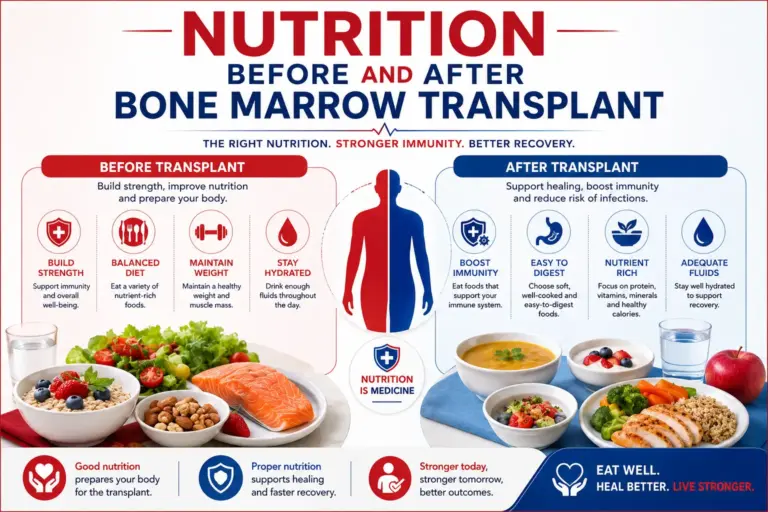
A balanced diet supports immune recovery, wound healing, and energy levels.
Nutritional Tips
Patients are often encouraged to:
- Eat small, frequent meals.
- Include protein-rich foods.
- Drink enough fluids.
- Avoid raw or undercooked foods if advised.
- Follow food safety precautions.
- Consult a dietitian for personalized guidance.
Good nutrition plays a vital role in supporting recovery and reducing complications.
4. Emotional and Mental Health Challenges
A bone marrow transplant can be emotionally demanding. Patients may experience:
- Anxiety
- Fear of relapse
- Depression
- Stress
- Mood changes
- Difficulty adjusting to daily life
Emotional recovery is just as important as physical healing.
Support from family, friends, counselors, and the transplant team can help patients cope with these feelings and improve their overall quality of life.
5. Graft-versus-Host Disease (GVHD)
For patients who undergo an allogeneic bone marrow transplant (using stem cells from a donor), Graft-versus-Host Disease (GVHD) is one of the most important complications to monitor.
One of the most important complications after an allogeneic transplant is Graft Versus Host Disease (GVHD). Graft Versus Host Disease occurs when the donor’s immune cells recognize the recipient’s healthy tissues as foreign and begin attacking them. Early diagnosis of Graft Versus Host Disease allows specialists to initiate prompt treatment, helping prevent severe complications and improving long-term recovery.
Common Symptoms of GVHD
Depending on the organs involved, symptoms may include:
- Skin rash or redness
- Dry, itchy skin
- Mouth ulcers or dryness
- Dry eyes
- Persistent diarrhea
- Abdominal pain
- Nausea
- Liver function abnormalities
- Yellowing of the skin or eyes (jaundice)
- Joint stiffness
- Shortness of breath
Not every transplant patient develops GVHD, and many cases are successfully managed with early diagnosis and appropriate medications.
How GVHD Is Managed
The transplant team may recommend:
- Immunosuppressive medications
- Regular blood tests
- Liver function monitoring
- Skin assessments
- Eye examinations
- Dietary adjustments
- Frequent follow-up visits
Patients should never stop or change their medications without consulting their transplant specialist.
6. Delayed Blood Cell Recovery
After transplantation, the newly transplanted stem cells need time to establish themselves and begin producing healthy blood cells. During this period, patients may have:
- Low white blood cell counts
- Low red blood cell counts
- Low platelet counts
This stage is closely monitored because blood counts directly affect immunity, oxygen delivery, and blood clotting.
Possible Symptoms
Low blood counts may cause:
- Frequent infections
- Fever
- Extreme tiredness
- Pale skin
- Shortness of breath
- Easy bruising
- Bleeding gums
- Nosebleeds
Regular blood tests help the transplant team monitor progress and determine whether supportive treatments such as transfusions or medications are required.
7. Medication Side Effects
Recovery after a bone marrow transplant often involves several medications, including antibiotics, antiviral drugs, antifungal medicines, and immunosuppressants.
While these medications are essential, some patients may experience side effects such as:
- Nausea
- Vomiting
- Diarrhea
- Constipation
- Increased blood sugar levels
- High blood pressure
- Tremors
- Kidney function changes
- Liver function changes
- Sleep disturbances
Patients should report any new symptoms promptly so their healthcare team can adjust treatment if needed.
8. Digestive Problems
The digestive system may take time to recover after chemotherapy, radiation therapy, and transplantation.
Common digestive issues include:
- Loss of appetite
- Mouth sores
- Nausea
- Vomiting
- Diarrhea
- Constipation
- Taste changes
- Difficulty swallowing
Tips to Support Digestive Recovery
Patients may benefit from:
- Eating smaller meals more frequently
- Choosing soft, easy-to-digest foods
- Drinking enough fluids
- Avoiding spicy or greasy foods if they worsen symptoms
- Following the diet recommended by the transplant team
- Maintaining good oral hygiene to reduce discomfort from mouth sores
Proper nutrition helps support immune recovery and overall healing.
9. Skin and Hair Changes
Many patients notice temporary changes in their skin and hair following chemotherapy and transplantation.
These may include:
- Dry skin
- Increased skin sensitivity
- Temporary hair loss
- Hair thinning
- Nail changes
- Skin discoloration
Caring for Your Skin
Patients are often advised to:
- Use gentle, fragrance-free moisturizers
- Protect their skin from excessive sun exposure
- Wear sunscreen when outdoors
- Stay hydrated
- Avoid harsh soaps or skin products unless approved by the transplant team
Hair usually begins to regrow gradually over time, although texture or color may initially differ.
10. Organ Health Monitoring
A bone marrow transplant and its associated treatments can affect various organs. Regular follow-up helps detect changes early.
The transplant team may monitor:
- Heart function
- Lung function
- Liver function
- Kidney function
- Bone health
- Hormone levels
Routine evaluations allow potential complications to be identified and managed before they become more serious.
Returning to Daily Activities
One of the most common questions patients ask is, “When can I return to my normal routine?”
The answer varies from person to person. Recovery depends on:
- The type of transplant
- Overall health
- Presence of complications
- Immune system recovery
- Nature of work or daily activities
Many patients gradually resume normal activities under the guidance of their transplant team.
General Recommendations
Patients are encouraged to:
- Increase activity slowly
- Avoid heavy lifting during early recovery
- Follow medical advice regarding work or school
- Avoid exposure to infections
- Keep all follow-up appointments
- Maintain healthy sleep habits
Patience is essential, as recovery is often gradual rather than immediate.
The Importance of Gentle Exercise
Regular physical activity can play an important role in Bone Marrow Transplant Recovery.
Potential benefits include:
- Improved muscle strength
- Better circulation
- Reduced fatigue
- Improved mood
- Better balance
- Enhanced flexibility
- Increased energy levels
Suitable activities may include:
- Walking
- Stretching
- Breathing exercises
- Light physiotherapy exercises (as recommended)
Always consult your transplant specialist before beginning a new exercise routine.
Bone Marrow Transplant Recovery Timeline
Recovery timelines vary widely, but many patients experience the following phases:
First Month
- Frequent hospital visits
- Blood count monitoring
- Infection prevention
- Medication adjustments
Months 2–6
- Gradual immune recovery
- Increasing physical activity
- Continued nutritional support
- Regular follow-up appointments
Beyond 6 Months
- Ongoing monitoring
- Vaccination planning (if recommended)
- Long-term survivorship care
- Return to work or normal daily activities for many patients, depending on recovery progress
Every patient heals at a different pace, so individualized follow-up remains essential.
Long-Term Survivorship After a Bone Marrow Transplant
Completing a Bone Marrow Transplant (BMT) is a significant milestone, but long-term follow-up is equally important. Even after blood counts return to normal, patients should continue regular medical check-ups to monitor overall health and detect any late complications.
Long-term survivorship focuses on helping patients regain their quality of life while reducing the risk of future health issues.
Long-Term Follow-Up May Include:
- Routine blood tests
- Bone marrow evaluations (when required)
- Monitoring heart, liver, kidney, and lung function
- Vaccination planning as advised by the transplant team
- Nutritional assessments
- Bone health monitoring
- Hormonal evaluations (if needed)
- Cancer surveillance (when appropriate)
- Psychological support and counseling
These follow-up visits allow the healthcare team to address concerns early and provide personalized guidance for a healthier future.
Lifestyle Tips for a Healthy Recovery
Essential BMT Recovery Tips
Following simple BMT Recovery Tips can greatly improve recovery outcomes after transplantation.
- Wash your hands frequently.
- Eat a balanced, protein-rich diet.
- Stay well hydrated.
- Avoid crowded places.
- Take medications exactly as prescribed.
- Attend every follow-up visit.
- Stay physically active with light exercise.
- Get enough sleep.
These BMT Recovery Tips help rebuild the immune system while reducing the risk of infections and other complications.
1. Eat a Balanced Diet
Choose foods rich in:
- Lean protein
- Fresh fruits (as permitted by your care team)
- Cooked vegetables
- Whole grains
- Healthy fats
- Adequate fluids
Follow any dietary restrictions recommended by your transplant specialist, especially during the early recovery period.
2. Stay Physically Active
Regular, gentle exercise can help:
- Improve muscle strength
- Reduce fatigue
- Enhance flexibility
- Support heart health
- Improve emotional well-being
Walking, stretching, and supervised physiotherapy are often recommended as recovery progresses.
3. Protect Yourself from Infections
Because the immune system may take months to recover fully, infection prevention remains essential.
Continue to:
- Wash your hands frequently.
- Avoid close contact with people who are unwell.
- Maintain good oral hygiene.
- Keep vaccinations up to date, as advised.
- Practice safe food handling.
- Wear a mask in crowded or high-risk settings if recommended by your transplant team.
4. Take Medications Exactly as Prescribed
Never stop or adjust medications without consulting your healthcare provider.
Immunosuppressants, antibiotics, antivirals, and other supportive medicines play a vital role in preventing complications and supporting recovery.
5. Prioritize Mental Well-Being
Recovery is not only physical but also emotional.
Patients may benefit from:
- Family support
- Counseling
- Support groups
- Relaxation techniques
- Meditation
- Stress management strategies
Maintaining emotional health can positively influence overall recovery and quality of life.
When Should You Contact Your Transplant Team?
Seek immediate medical advice if you experience:
- Fever (as defined by your transplant team)
- Persistent chills
- Difficulty breathing
- New or worsening cough
- Severe diarrhea or vomiting
- Bleeding or unusual bruising
- Persistent skin rash
- Yellowing of the eyes or skin
- Severe mouth sores
- Sudden swelling
- Reduced urine output
- Extreme fatigue
- Any new or concerning symptoms
Early intervention can prevent minor issues from developing into serious complications.
Bone Marrow Transplant Recovery Timeline
A clear Bone Marrow Transplant Recovery Timeline helps patients understand each stage of healing.
First Month
- Hospital visits
- Infection monitoring
- Blood count monitoring
Months 2–6
- Improving immunity
- Increased physical activity
- Nutritional rehabilitation
Beyond Six Months
- Continued monitoring
- Vaccination schedule
- Return to work and normal activities
Every patient’s Bone Marrow Transplant Recovery Timeline is different, so regular follow-up with transplant specialists remains essential.
Why Choose Kannappa Memorial Hospital for Bone Marrow Transplant Care?
If you are searching for a trusted Bone Marrow Transplant Hospital Chennai, Kannappa Memorial Hospital offers advanced transplant facilities, experienced hematologists, HEPA-filtered transplant rooms, personalized rehabilitation programs, and comprehensive long-term follow-up care. As a leading Bone Marrow Transplant Hospital Chennai, we are committed to delivering world-class treatment with compassion and excellence.
Our Strengths
- Dedicated Bone Marrow Transplant Program
- Experienced Hematologists and Oncologists
- Advanced Diagnostic and Laboratory Support
- HEPA-Filtered Transplant Rooms
- Personalized Treatment Plans
- Infection Prevention Protocols
- Nutritional Counseling
- Rehabilitation Services
- Long-Term Survivorship Care
- Compassionate, Patient-CCentered Support
Our goal is to help every patient recover safely and achieve the best possible quality of life after transplantation
Conclusion
A successful Bone Marrow Transplant Recovery depends on expert medical care, healthy lifestyle choices, and timely follow-up. Understanding possible Bone Marrow Transplant Side Effects, recognizing symptoms of Graft Versus Host Disease, following recommended BMT Recovery Tips, and adhering to proper Post Bone Marrow Transplant Care can significantly improve recovery outcomes. If you are looking for a trusted Bone Marrow Transplant Hospital Chennai, Kannappa Memorial Hospital offers comprehensive transplant care, advanced treatment, and dedicated support to help patients achieve the best possible recovery and long-term health.