
Pelvic cancers are a major health concern affecting both men and women. They develop in organs and tissues within the pelvic region and may involve the reproductive, urinary, or digestive systems. Pelvic oncology focuses on the diagnosis, treatment, and management of these cancers using advanced medical approaches. Early detection is essential for improving survival rates and reducing complications.
Modern advancements such as imaging techniques, minimally invasive surgery, targeted therapy, and precision medicine have improved treatment outcomes. At Kannappa Memorial Hospital, care is provided through a multidisciplinary team of specialists, ensuring accurate diagnosis, personalized treatment, and continuous patient support.
Pelvic cancers are a group of cancers that begin in the organs situated within the pelvic cavity. These cancers may affect the reproductive organs, urinary tract, digestive tract, lymph nodes, or surrounding tissues.
The pelvic region includes several important vital organs, such as:
The specialty of Pelvic Oncology focuses on identifying these cancers early and providing specialized treatment strategies that improve long-term outcomes while preserving quality of life whenever possible.

The symptoms of pelvic cancers vary depending on the affected organ, but certain warning signs should never be ignored.
Common symptoms include:
Many pelvic cancer symptoms may resemble non-cancerous conditions, which is why early medical evaluation is essential. Specialized Pelvic Oncology assessment helps determine the exact cause and ensures timely treatment.
Pelvic cancers can develop due to a combination of lifestyle, environmental, genetic, and medical factors.
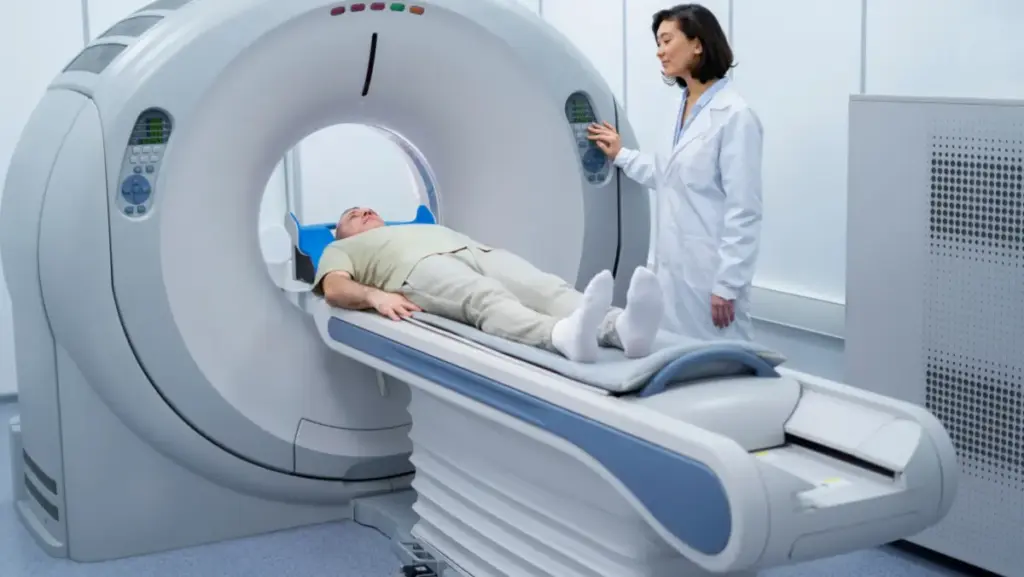
Early and accurate diagnosis plays a major role in successful Pelvic Oncology treatment. Doctors use a combination of clinical examinations, imaging tests, and laboratory investigations to detect pelvic cancers and determine their stage.
At Kannappa Memorial Hospital, advanced diagnostic technologies and expert pathology evaluation help ensure precise and timely cancer diagnosis.
Cancer staging helps doctors understand the size of the tumor and how far the cancer has spread. In Pelvic Oncology, staging is important for choosing the right treatment plan.
Stage I: Cancer is limited to the organ where it started.
Stage II: Cancer has spread to nearby pelvic tissues.
Stage III: Cancer extends to nearby lymph nodes or surrounding structures.
Stage IV: Cancer spreads to distant organs such as the lungs, liver, or bones.
Accurate staging is one of the most critical components of Pelvic Oncology, as treatment recommendations depend heavily on the cancer stage and overall patient health.
Treatment for pelvic cancers varies depending on cancer type, stage, location, and patient condition.
At Kannappa Memorial Hospital, advanced Pelvic Oncology care combines experienced cancer specialists, modern treatment technologies, and personalized care plans to provide comprehensive and effective treatment for pelvic cancers.
Successful cancer treatment requires collaboration among multiple specialists. A multidisciplinary approach ensures every aspect of patient care is carefully coordinated.
Key specialists involved include:
This integrated model allows doctors to create individualized treatment plans while addressing physical, emotional, and supportive care needs.
Cancer recovery extends beyond treatment completion. Rehabilitation and supportive care help patients regain strength, improve quality of life, and manage long-term effects.
At Kannappa Memorial Hospital, comprehensive rehabilitation and supportive care programs are designed to help pelvic cancer patients recover safely, improve their quality of life, and return to normal living with confidence and ongoing support.
Timely detection of cancer significantly improves treatment success rates and helps lower cancer-related mortality.
Benefits of early diagnosis include:
Routine health screenings, awareness of warning signs, and timely medical consultation are essential for detecting pelvic cancers before they progress to advanced stages.
Specialized cancer centers provide advanced expertise, accurate diagnosis, and comprehensive treatment options for better patient outcomes. In Pelvic Oncology, specialized care plays a vital role in effectively diagnosing and treating complex cancers affecting the pelvic organs.
Benefits of specialized pelvic oncology care include:
At Kannappa Memorial Hospital, patients receive comprehensive cancer care supported by modern technology, skilled specialists, and individualized treatment strategies focused on improving recovery and quality of life.
Very good treatment, very happy, will recommend for my known persons for treatment, Ms Vijaya Lakshmi ( Ms Nazreen and Ms Hemachitra ) and entire Staffs and Sisters are very kind and friendly.
Dr Margret and Team ( especially Dr Anuraga ) kindness and expertise made a real difference.
Chairman Dr Ganesh sir ,
kindness , dedication and compasionate care is very big support to us.
Thank you all, haven’t mentioned many names.
Pelvic cancers can affect multiple organs and seriously impact health if not diagnosed and treated early. Advances in pelvic oncology have improved care through early detection, minimally invasive surgery, precision medicine, targeted therapies, and multidisciplinary treatment planning. Regular screenings, awareness of symptoms, and timely medical consultation are essential for better outcomes and higher survival rates.
Specialized cancer care ensures accurate diagnosis, personalized treatment, and continuous patient support. At Kannappa Memorial Hospital, expert oncology specialists provide comprehensive pelvic cancer management focused on advanced treatment, patient safety, and improved quality of life. Early diagnosis and intervention are key to successful recovery.
Pelvic cancers are a major health concern affecting both men and women. They develop in organs and tissues within the pelvic region and may involve the reproductive, urinary, or digestive systems. Pelvic oncology focuses on the diagnosis, treatment, and management of these cancers using advanced medical approaches. Early detection is essential for improving survival rates and reducing complications.
Modern advancements such as imaging techniques, minimally invasive surgery, targeted therapy, and precision medicine have improved treatment outcomes. At Kannappa Memorial Hospital, care is provided through a multidisciplinary team of specialists, ensuring accurate diagnosis, personalized treatment, and continuous patient support.
What Are Pelvic Cancers?
Types of Pelvic Cancers
Symptoms of Pelvic Cancer
Causes and Risk Factors
Diagnosis and Screening
Staging of Pelvic Cancer
Treatment for Pelvic Cancers
Multidisciplinary Pelvic Oncology Care
Recovery and Rehabilitation
Importance of Early Detection
Why Choose Specialized Pelvic Oncology Care?
Patient Testimonals
Conclusion
Pelvic cancers are a group of cancers that begin in the organs situated within the pelvic cavity. These cancers may affect the reproductive organs, urinary tract, digestive tract, lymph nodes, or surrounding tissues.
The pelvic region includes several important vital organs, such as:
The specialty of Pelvic Oncology focuses on identifying these cancers early and providing specialized treatment strategies that improve long-term outcomes while preserving quality of life whenever possible.
The symptoms of pelvic cancers vary depending on the affected organ, but certain warning signs should never be ignored.
Common symptoms include:
Many pelvic cancer symptoms may resemble non-cancerous conditions, which is why early medical evaluation is essential. Specialized Pelvic Oncology assessment helps determine the exact cause and ensures timely treatment.
Pelvic cancers can develop due to a combination of lifestyle, environmental, genetic, and medical factors.
Early and accurate diagnosis plays a major role in successful Pelvic Oncology treatment. Doctors use a combination of clinical examinations, imaging tests, and laboratory investigations to detect pelvic cancers and determine their stage.
At Kannappa Memorial Hospital, advanced diagnostic technologies and expert pathology evaluation help ensure precise and timely cancer diagnosis.
Cancer staging helps doctors understand the size of the tumor and how far the cancer has spread. In Pelvic Oncology, staging is important for choosing the right treatment plan.
Stage I: Cancer is limited to the organ where it started.
Stage II: Cancer has spread to nearby pelvic tissues.
Stage III: Cancer extends to nearby lymph nodes or surrounding structures.
Stage IV: Cancer spreads to distant organs such as the lungs, liver, or bones.
Accurate staging is one of the most critical components of Pelvic Oncology, as treatment recommendations depend heavily on the cancer stage and overall patient health.
Treatment for pelvic cancers varies depending on cancer type, stage, location, and patient condition.
At Kannappa Memorial Hospital, advanced Pelvic Oncology care combines experienced cancer specialists, modern treatment technologies, and personalized care plans to provide comprehensive and effective treatment for pelvic cancers.
Successful cancer treatment requires collaboration among multiple specialists. A multidisciplinary approach ensures every aspect of patient care is carefully coordinated.
Key specialists involved include:
This integrated model allows doctors to create individualized treatment plans while addressing physical, emotional, and supportive care needs.
Cancer recovery extends beyond treatment completion. Rehabilitation and supportive care help patients regain strength, improve quality of life, and manage long-term effects.
At Kannappa Memorial Hospital, comprehensive rehabilitation and supportive care programs are designed to help pelvic cancer patients recover safely, improve their quality of life, and return to normal living with confidence and ongoing support.
Timely detection of cancer significantly improves treatment success rates and helps lower cancer-related mortality.
Benefits of early diagnosis include:
Routine health screenings, awareness of warning signs, and timely medical consultation are essential for detecting pelvic cancers before they progress to advanced stages.
Specialized cancer centers provide advanced expertise, accurate diagnosis, and comprehensive treatment options for better patient outcomes. In Pelvic Oncology, specialized care plays a vital role in effectively diagnosing and treating complex cancers affecting the pelvic organs.
Benefits of specialized pelvic oncology care include:
At Kannappa Memorial Hospital, patients receive comprehensive cancer care supported by modern technology, skilled specialists, and individualized treatment strategies focused on improving recovery and quality of life.
Very good treatment, very happy, will recommend for my known persons for treatment, Ms Vijaya Lakshmi ( Ms Nazreen and Ms Hemachitra ) and entire Staffs and Sisters are very kind and friendly.
Dr Margret and Team ( especially Dr Anuraga ) kindness and expertise made a real difference.
Chairman Dr Ganesh sir ,
kindness , dedication and compasionate care is very big support to us.
Thank you all, haven’t mentioned many names.
Pelvic cancers can affect multiple organs and seriously impact health if not diagnosed and treated early. Advances in pelvic oncology have improved care through early detection, minimally invasive surgery, precision medicine, targeted therapies, and multidisciplinary treatment planning. Regular screenings, awareness of symptoms, and timely medical consultation are essential for better outcomes and higher survival rates.
Specialized cancer care ensures accurate diagnosis, personalized treatment, and continuous patient support. At Kannappa Memorial Hospital, expert oncology specialists provide comprehensive pelvic cancer management focused on advanced treatment, patient safety, and improved quality of life. Early diagnosis and intervention are key to successful recovery.
Some of the most painful cancers include bone cancer, due to bone destruction and fractures, pancreatic cancer, because it affects nearby nerves and organs, and brain or spinal cord tumors, which can cause severe pressure-related headaches and nerve pain. Pain varies by stage, location, and individual condition, and effective pain management is an important part of cancer care.
Some cancers are considered difficult to cure, especially when diagnosed at an advanced stage. These include metastatic pancreatic cancer, glioblastoma (an aggressive brain tumor), stage IV lung cancer, and advanced liver cancer. While they may not be fully curable, treatments like chemotherapy, radiation, targeted therapy, and immunotherapy can help control growth, reduce symptoms, and improve quality of life significantly.
Pelvic cancer is serious because it affects vital organs such as the bladder, reproductive system, rectum, and nearby tissues. If not detected early, it can spread to lymph nodes and other organs, making treatment more complex. However, with early diagnosis, advanced imaging, surgery, chemotherapy, and radiation therapy, outcomes can improve significantly and many patients achieve better control and recovery.