Cancer is among the most complex medical conditions, and when surgery is needed, the surgeon’s expertise plays a critical role in the outcome. A surgical oncologist is more than a general surgeon who removes tumors; they are specially trained cancer surgeons who focus on excising malignant growths with high precision while protecting surrounding healthy tissues and maintaining organ function wherever possible.
Choosing the right surgical oncologist is one of the most consequential decisions in a cancer patient’s journey. The surgeon’s skill, advanced technology, and multidisciplinary support system directly influence treatment outcomes, recovery quality, and long-term survival. In this context, Surgical Oncologists in Chennai play a vital role in delivering world-class cancer care with advanced techniques and compassionate treatment. Chennai has emerged as a leading hub with globally trained specialists and modern oncology infrastructure.
Why Choose Our Surgical Oncologists
Our team of surgical oncologists in Chennai is built around one principle: that every cancer patient deserves both the best chance of cure and the best quality of life after treatment. Here is what sets our oncology surgery programme apart:
- Multidisciplinary tumour board approach: Each case is jointly assessed by a multidisciplinary team that includes surgical oncologists, medical oncologists, radiation oncologists, pathologists, and radiologists. This collaborative evaluation helps ensure that the treatment plan is individualized, based on the best available evidence, and consistent with global standards of care before any surgical procedure is undertaken.
- Advanced minimally invasive and robotic surgery: Our surgical oncologists are trained in laparoscopic and robotic-assisted cancer surgery, offering patients smaller incisions, reduced blood loss, lower infection risk, and significantly faster recovery times compared to conventional open surgery.
- Organ-preserving surgical techniques: Wherever clinically appropriate, our surgeons prioritise techniques that preserve healthy organ tissue and normal body function. This is particularly important in breast, rectal, laryngeal, and limb cancers where quality of life after surgery is a defining concern.
- High-volume surgical experience: Our oncology surgery team regularly performs complex, high-stakes procedures including HIPEC, multiorgan resections, and reconstructive surgeries — building the volume-based expertise that directly correlates with better surgical outcomes.
Top 4 Surgical Oncologists in Chennai
Choosing the right surgical oncologist can have a significant impact on a patient’s treatment outcomes, recovery experience, and long-term prognosis. The specialists listed below are well-regarded for their clinical expertise, advanced surgical skills, and patient-focused approach to comprehensive cancer care in Chennai.
Dr. Kenneyy Robert J
- Specialization: Specialized in complex cancer surgeries, with a focus on organ-preserving methods and reconstructive surgical care.
- Experience: 10+ years
- Surgical Approach: Minimally invasive and robotic-assisted cancer surgeries
Dr. Kenneyy Robert is recognized for managing complex and advanced cancer cases with high precision. His focus on organ preservation alongside complete tumor removal supports faster recovery and improved quality of life for patients.
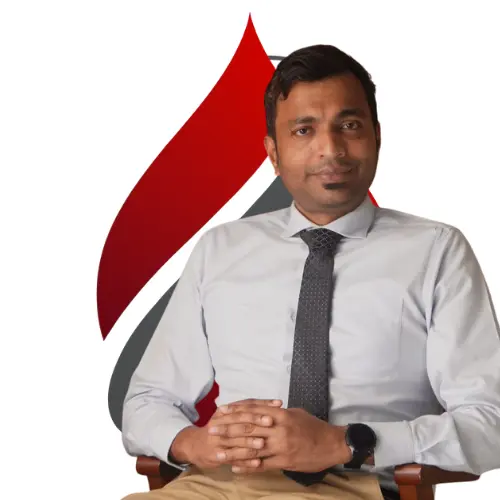
Dr. Venkatachalam Veerappan
- Specialization: Breast, gastrointestinal tract, and head & neck cancers
- Experience: 10+ years
- Surgical Approach: Organ-conserving surgery and multidisciplinary cancer care
Dr. Venkatachalam Veerappan is known for evidence-based surgical planning and meticulous cancer staging. He works closely within multidisciplinary teams to design well-coordinated treatment strategies that enhance patient outcomes.
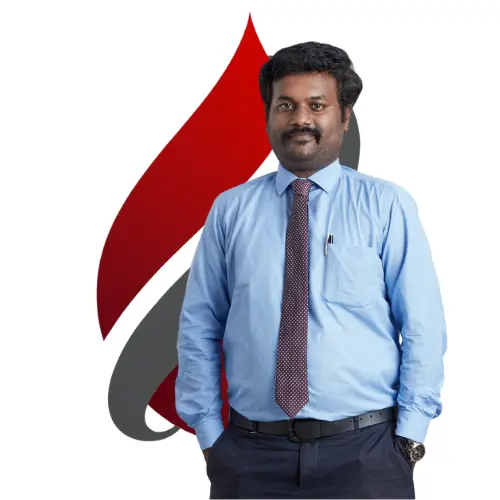
Dr. Thirumanikandan
- Specialization: Minimally invasive and laparoscopic cancer surgery
- Experience: 1+ years
- Surgical Approach: Breast conservation and advanced laparoscopic techniques
Dr. Thirumanikandan specializes in minimally invasive cancer surgeries aimed at reducing surgical trauma, minimizing recovery time, and ensuring precise tumor removal with optimal cosmetic and functional outcomes.
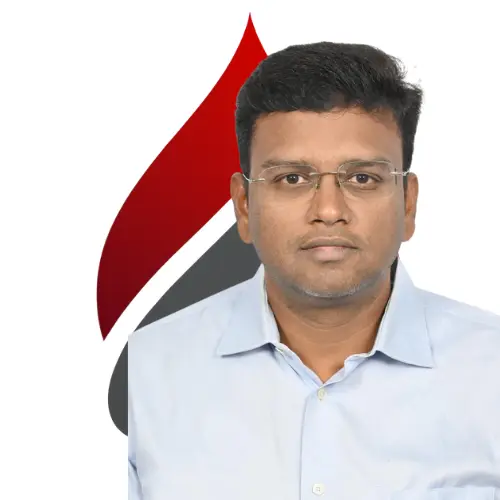
Dr. R. Jesu Pandian
- Specialization: Breast, gastrointestinal, and gynecological cancers
- Experience: 14+ years
- Surgical Approach: Breast-conserving surgery and palliative cancer procedures
Dr. R. Jesu Pandian is an experienced surgical oncologist known for his patient-centered approach. He has expertise in treating both early and advanced stages of cancer through well-planned surgical approaches that focus on patient safety, effective outcomes, and preserving quality of life.
Common Cancers Treated in Chennai
Surgical oncologists in Chennai manage a broad spectrum of cancers using advanced surgical techniques aimed at complete tumor removal, prevention of spread, and improved long-term survival outcomes. With access to cutting-edge infrastructure and multidisciplinary cancer care teams, Chennai has become a leading destination for comprehensive oncology treatment in India.
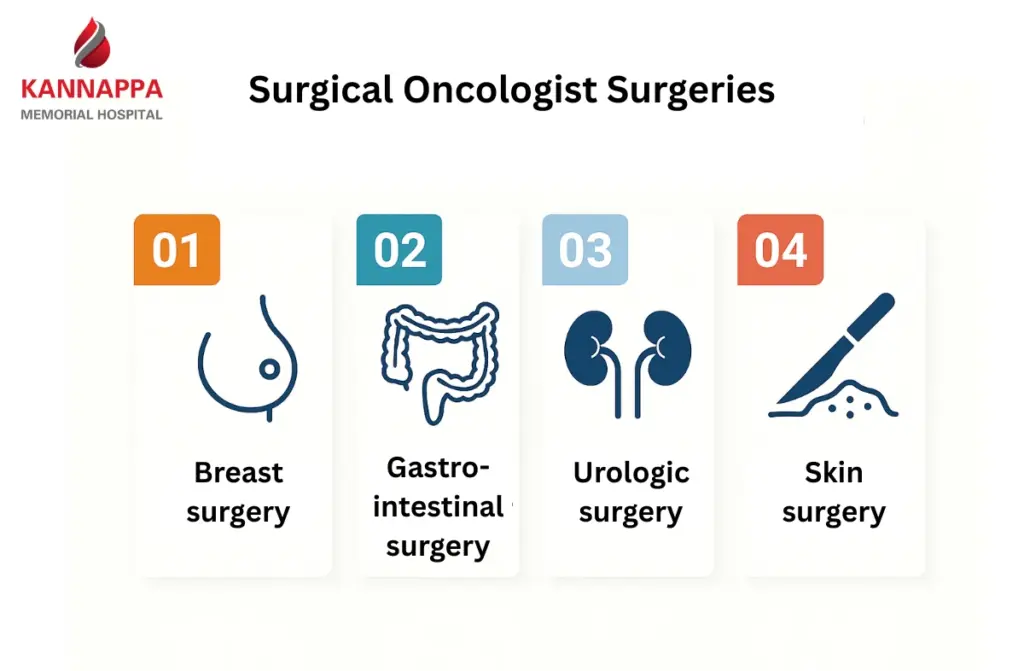
- Breast Cancer: Breast cancer is among the most frequently treated cancers by surgical oncologists. Depending on the stage and tumor type, surgical options may include lumpectomy, mastectomy, sentinel lymph node biopsy, and breast reconstruction procedures. Contemporary breast cancer surgery is designed to achieve complete tumor removal while also prioritizing breast preservation, maintaining function, and supporting the patient’s quality of life wherever feasible.
- Gastrointestinal Cancers: Surgical specialists in Chennai treat cancers of the stomach, liver, colon, rectum, pancreas, and esophagus. These procedures are often complex and may involve partial or complete organ resection, tumor excision, and reconstructive digestive surgeries. The goal is complete cancer clearance while maintaining optimal digestive function.
- Head and Neck Cancers: Head and neck cancer surgeries involve tumors affecting the mouth, tongue, throat, jaw, thyroid, salivary glands, and related structures. Surgical oncologists often collaborate with reconstructive specialists to restore speech, swallowing ability, and facial structure after tumor removal, ensuring both functional and aesthetic rehabilitation.
- Gynecological Cancers: Gynecologic cancers include those affecting the uterus, cervix, ovaries, fallopian tubes, and other reproductive organs. Surgical management may involve hysterectomy, ovarian tumor removal, lymph node dissection, and in selected cases, fertility-preserving procedures tailored to the patient’s condition and goals.
- Lung Cancers: Thoracic surgical oncologists carry out operations like lobectomy, wedge resection, and minimally invasive thoracic procedures as part of lung cancer treatment. Advanced surgical techniques allow precise tumor removal while preserving healthy lung tissue, leading to better respiratory function and faster recovery.
Advanced Surgical Techniques
Modern Surgical Oncologists in Chennai operate in advanced surgical oncology centers that use cutting-edge technologies to improve precision, enhance safety, and achieve better patient outcomes. These innovative techniques help reduce surgical trauma, lower the risk of complications, and support faster recovery for patients.
- Minimally Invasive Surgery: Minimally invasive cancer surgery uses small incisions and specialized instruments to remove tumors with minimal disruption to surrounding tissues. Patients often benefit from less pain, shorter hospital stays, reduced scarring, and quicker recovery compared to conventional open surgery.
- Robotic-Assisted Surgery: Robotic-assisted surgery allows surgeons to carry out complex cancer operations with greater accuracy, improved dexterity, and enhanced control. Advanced 3D visualization and robotic instruments allow for highly accurate movements, making it particularly beneficial for delicate and technically challenging operations.
- Oncoplastic Surgery: Oncoplastic surgery combines cancer removal with reconstructive techniques, most commonly in breast cancer treatment. This approach focuses on achieving effective cancer control while preserving appearance, body symmetry, and overall quality of life.
- Laparoscopic Surgery: Laparoscopic, or keyhole surgery, utilizes a high-definition camera and specialized surgical instruments inserted through small incisions. This technique allows surgeons to perform precise cancer operations while minimizing tissue damage, postoperative discomfort, and recovery time.
- Improved Recovery and Better Outcomes: Advanced surgical techniques contribute to reduced blood loss, lower complication rates, shorter hospital stays, and faster return to daily activities. When integrated with multidisciplinary cancer care, these technologies support personalized treatment plans and help optimize both clinical outcomes and patient well-being.
When to Consult a Surgical Oncologist
You should consider consulting a surgical oncologist if you experience any of the following:
- Cancer is suspected based on medical tests, physical examination, or imaging scans
- A biopsy confirms the presence of malignant (cancerous) cells
- Surgical removal of a tumor has been recommended
- You have symptoms such as persistent pain, abnormal bleeding, or unexplained blockage
- Previous treatments have not produced the expected results
- You want a second opinion regarding a cancer diagnosis or treatment plan
Seeking medical advice early can improve treatment outcomes and increase the chances of successful recovery.
Symptoms of cancer
Many cancers are detected when patients present with symptoms that, individually, may seem non-alarming — but together, or when persistent, warrant urgent oncology review. If you experience any of the following, consult a surgical oncologist in Chennai without delay:
- Persistent Lump or Swelling: Any new lump in the breast, neck, armpit, abdomen, or soft tissue that does not resolve within two to three weeks deserves investigation. Not all lumps are cancerous, but all persistent lumps should be evaluated.
- Unusual Bleeding or Discharge: Blood in the stool, urine, or sputum; post-menopausal vaginal bleeding; or unexplained nipple discharge are warning signs that need immediate diagnostic workup.
- Unexplained Weight Loss and Fatigue: Significant unintentional weight loss — particularly more than five percent of body weight over a few months — combined with persistent fatigue may indicate an underlying malignancy.
- Pain or Functional Issues: Persistent pain in a specific region without clear injury, difficulty swallowing, hoarseness, or changes in bowel and bladder function are symptoms that should not be dismissed.
- Obstructive Symptoms: Increasing difficulty eating or passing stool, a sensation of bloating or fullness, or jaundice may signal a tumour causing internal obstruction — a situation requiring prompt surgical assessment.
Diagnosis and Pre-Surgical Evaluation
Before any cancer surgery is planned, a detailed pre-surgical evaluation is carried out to fully understand the nature and extent of the disease. This step is essential to ensure safe, precise, and effective treatment planning by surgical oncologists in Chennai.
- Imaging Tests: Advanced imaging techniques such as CT scans, MRI, and PET-CT scans are used to determine the tumour’s size, exact location, and its relationship with surrounding organs. The scans provide valuable information about the extent of cancer, including any spread to lymph nodes or distant organs.
- Biopsy Methods: A biopsy confirms the diagnosis of cancer and identifies its type and grade. Depending on the location of the tumour, different methods may be used, including core needle biopsy, fine needle aspiration cytology (FNAC), endoscopic biopsy, or excisional biopsy.
- Molecular and Genetic Testing: For selected cancers such as breast, lung, and colorectal cancers, molecular and genetic testing helps identify specific mutations. This information supports personalized treatment planning and may influence surgical and medical oncology decisions.
- Tumour Board Evaluation: Complex cancer cases are reviewed by a multidisciplinary tumour board, where surgical oncologists, medical oncologists, radiation oncologists, radiologists, and pathologists collectively decide the best treatment approach. This may include surgery first, surgery after chemotherapy, or combined treatment strategies.
- Staging Process: Cancer staging is performed using internationally recognized systems such as AJCC/TNM classification. Accurate staging helps determine the extent of disease and ensures that the surgical plan is appropriately tailored for the best possible outcome.
Types of Cancer Surgeries
Understanding the type of surgery recommended can reduce anxiety and help patients ask more informed questions.
- Wide Tumour Excision: Removal of the tumour along with a margin of healthy tissue to ensure no cancer cells are left at the edges.
- Minimally Invasive and Robotic Surgery: Performed through small ports using cameras and instruments or robotic arms, allowing the surgeon to operate with greater precision and patients to recover faster.
- Breast-Conserving Surgery: Also called lumpectomy or partial mastectomy, this procedure removes the tumour and a surrounding margin of tissue rather than the entire breast. Combined with radiation therapy, outcomes are equivalent to mastectomy in early-stage breast cancer.
- Complex Multiorgan Resections: In cases where cancer has grown into adjacent organs or structures, the surgical plan may involve removing multiple organs in a single operation — requiring the highest level of surgical expertise and operative planning.
- Reconstructive and Palliative Surgeries: Reconstruction restores form and function after cancer resection. Palliative surgery addresses symptoms and complications in advanced-stage patients to improve day-to-day quality of life.
Recovery After Cancer Surgery
Recovery after cancer surgery is an important part of the treatment journey. Comprehensive post-operative care helps patients heal safely, regain strength, and return to their daily activities while supporting long-term health and well-being.
- Enhanced Recovery Protocols: Modern recovery programs are designed to reduce complications, shorten hospital stays, and promote faster healing through evidence-based care practices.
- Pain Management: Effective pain control strategies, including medications and supportive therapies, help minimize discomfort and improve overall recovery.
- Nutritional Support: Personalized nutrition plans provide essential nutrients that support wound healing, strengthen immunity, and enhance recovery.
- Physiotherapy & Rehabilitation: Rehabilitation programs and physical therapy help restore mobility, improve strength, and enable patients to regain independence in everyday activities.
- Regular Follow-Ups: Scheduled consultations, imaging studies, and medical assessments allow doctors to monitor recovery progress and address any concerns promptly.
- Recurrence Monitoring: Ongoing surveillance and follow-up evaluations help identify potential signs of cancer recurrence early, enabling timely treatment when necessary.
Patient Testimonal
Dr satheesh is an excellent oncologist with good professionalism and compassion expert and truely impressive. He explains very clearly and give comfort space to patient.I genuinely recommend this doctor to any one who is in need.
Conclusion
A cancer diagnosis can be life-changing, but the right surgical team can make a meaningful difference in your treatment journey. Whether you are newly diagnosed, seeking a second opinion, or referred for surgical care, our surgical oncologists in Chennai provide expert guidance with compassion and precision. We combine advanced surgical techniques with modern technology to deliver safe and effective treatment tailored to each patient’s needs. From your first consultation through surgery, recovery, and long-term follow-up, we are committed to continuous support and personalized care. Our focus is not just on treatment, but on helping you heal with confidence, dignity, and hope every step of the way.
Read Also: Best Hematologist in Chennai.