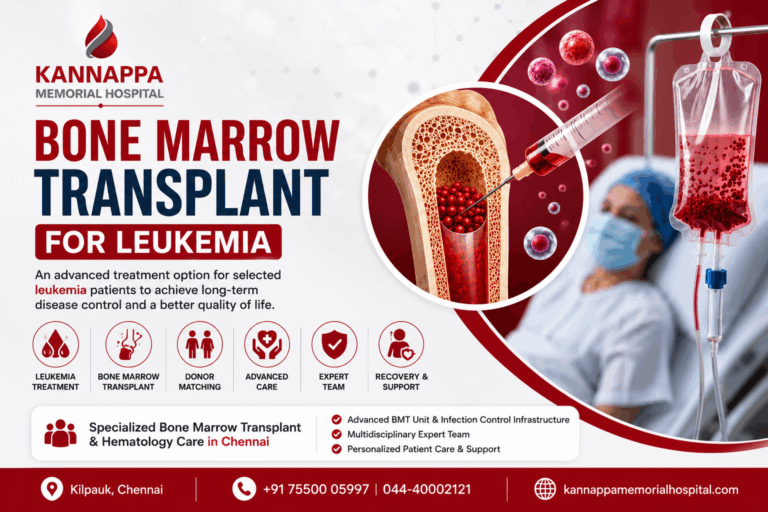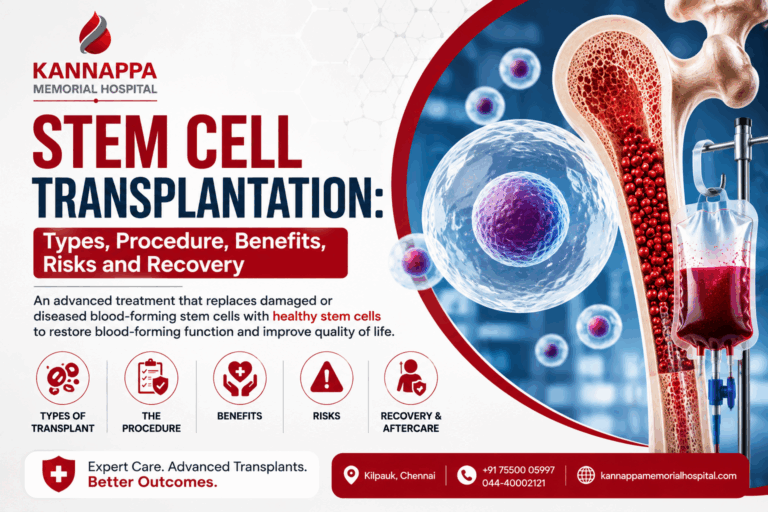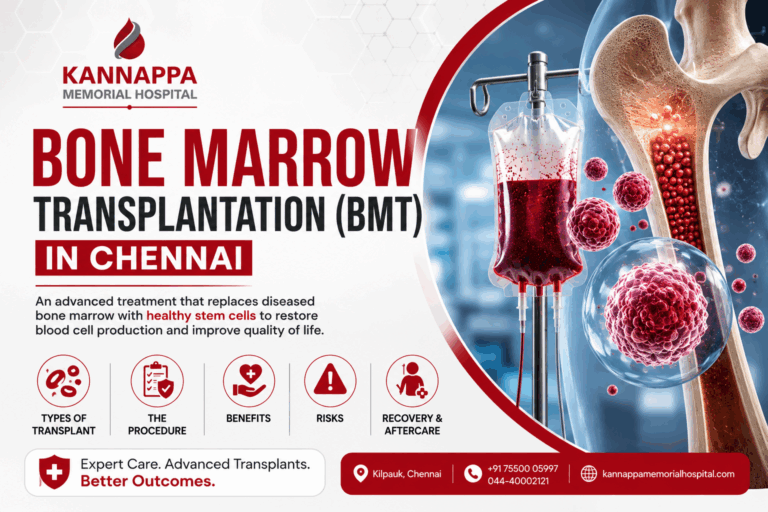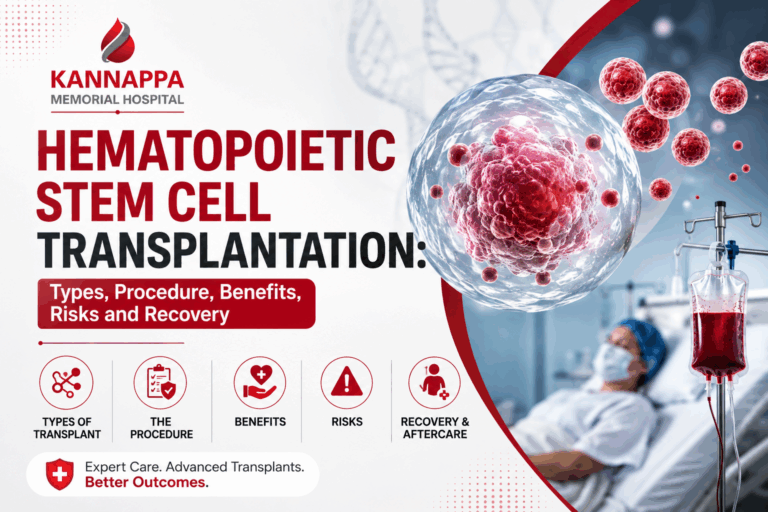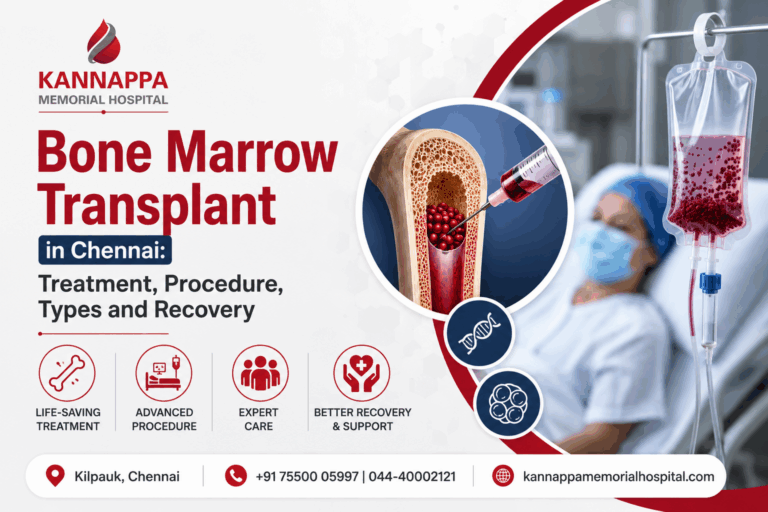
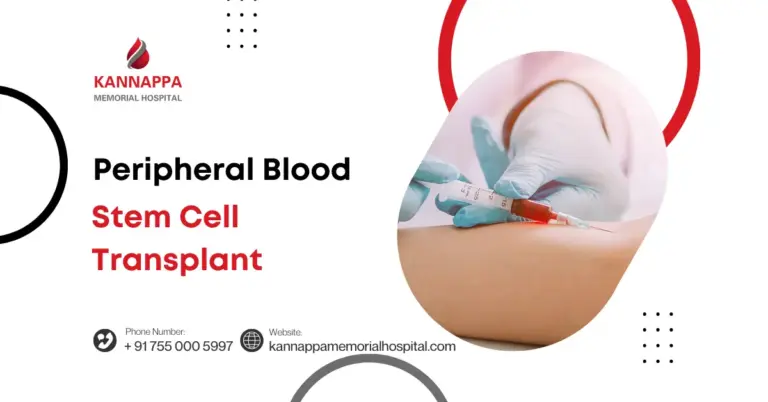
Peripheral Blood Stem Cell Transplant (PBSCT) is a specialized procedure in which healthy blood-forming stem cells are collected from the bloodstream and transplanted into a patient to restore normal bone marrow function. These stem cells help the body produce healthy red blood cells, white blood cells, and platelets after intensive chemotherapy or treatment for blood disorders.
PBSCT has become one of the most commonly performed stem cell transplant procedures because stem cells can be collected through a less invasive process called apheresis and often lead to faster blood count recovery.
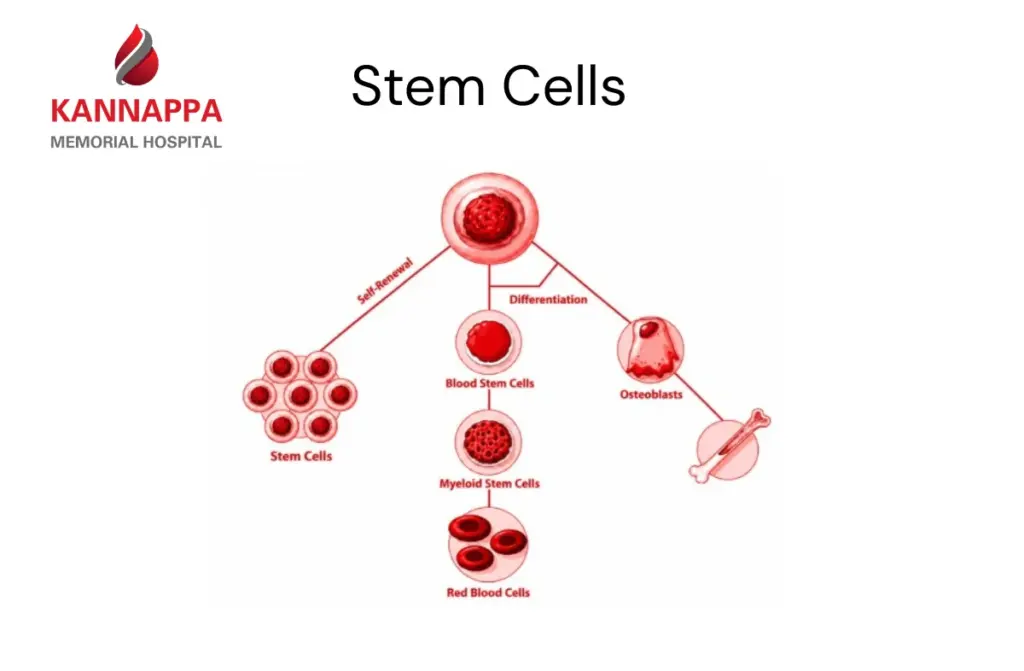
What are Peripheral Blood Stem Cells?
Peripheral blood stem cells are immature cells circulating in the bloodstream that have the ability to develop into:
- Red blood cells
- White blood cells
- Platelets
Although most stem cells are located in the bone marrow, some naturally circulate in the bloodstream. These cells serve as the body’s repair system by replacing damaged or worn-out blood cells and supporting immune function.
Key characteristics include:
- Ability to regenerate healthy blood cells
- Mobilization into the bloodstream using special medications
- Faster immune system recovery after transplantation
- Widely used in modern stem cell transplant programs
Conditions Treated with Peripheral Blood Stem Cell Transplant
Peripheral Blood Stem Cell Transplant (PBSCT) is used to treat a variety of blood cancers, bone marrow disorders, genetic blood diseases, and immune system conditions. Common conditions include:
- Leukemia: A cancer of the blood and bone marrow that affects the production of healthy blood cells.
- Lymphoma: Cancer of the lymphatic system, including Hodgkin and non-Hodgkin lymphoma.
- Multiple Myeloma: A cancer that develops in plasma cells within the bone marrow.
- Aplastic Anemia: A rare disorder in which the bone marrow fails to produce enough blood cells.
- Thalassemia Major: An inherited blood disorder that causes severe anemia and requires ongoing treatment.
- Sickle Cell Disease: A genetic condition that affects the shape and function of red blood cells.
- Myelodysplastic Syndrome (MDS): A group of disorders caused by poorly functioning bone marrow and abnormal blood cell production.
- Primary Immunodeficiency Disorders: Conditions where the immune system is unable to function properly due to genetic defects.
- Certain Autoimmune Diseases: In selected cases, PBSCT may help reset the immune system and control severe autoimmune conditions that do not respond to conventional treatments.
PBSCT can offer long-term disease control and, in some cases, a potential cure by restoring healthy blood-forming stem cells and normal bone marrow function.
Types of Peripheral Blood Stem Cell Transplants
- Autologous Stem Cell Transplant: In an autologous transplant, stem cells are collected from the patient’s own bloodstream and stored before treatment. After high-dose chemotherapy, the stored stem cells are reinfused to help restore healthy bone marrow function and support blood cell production.
- Allogeneic Stem Cell Transplant: An allogeneic transplant uses stem cells from a compatible donor, such as a sibling, family member, or unrelated matched donor. The transplanted stem cells replace diseased bone marrow and help rebuild a healthy blood and immune system.
- Haploidentical Stem Cell Transplant: A haploidentical transplant uses stem cells from a half-matched family donor, typically a parent, child, or sibling. This approach increases donor availability and provides a treatment option for patients who do not have a fully matched donor.
Each type of PBSCT is selected based on the patient’s condition, disease stage, overall health, and donor availability, ensuring the most appropriate treatment approach for the best possible outcome.
What is a PBSC Donation?
PBSC donation is the process of collecting stem cells from a donor’s bloodstream for use in a transplant. Unlike traditional bone marrow harvesting, PBSC donation does not require surgery or anesthesia.
The donation process involves:
- Mobilizing stem cells into the bloodstream with growth-factor injections
- Collecting stem cells through apheresis
- Returning remaining blood components to the donor
This method is safe, effective, and commonly used worldwide.
How are Stem Cells Collected?
Before collection, the donor or patient receives medications that stimulate stem cells to move from the bone marrow into the bloodstream.
During the apheresis procedure:
- Blood is withdrawn through a vein or central line.
- An apheresis machine separates the stem cells.
- Remaining blood components are returned to the donor.
- Collected stem cells are processed and stored until transplantation.
Step-by-Step PBSC Donation Process
- Initial Evaluation and Screening: Before donation, the donor undergoes a thorough assessment to ensure the procedure is safe and suitable. This includes a medical examination, blood tests, review of medical history, and overall donor eligibility evaluation.
- Stem Cell Mobilization: To increase the number of stem cells in the bloodstream, the donor receives growth-factor injections for several days. These medications encourage stem cells to move from the bone marrow into the blood, making collection easier.
- Apheresis Preparation: On the day of collection, needles are placed in the veins of both arms, or a central venous line may be used if necessary. The donor is then connected to an apheresis machine.
- Stem Cell Collection: During the apheresis procedure, blood is drawn from the donor and passed through a specialized machine that separates and collects the stem cells. The remaining blood components are safely returned to the donor. The process typically takes several hours and may be repeated if additional stem cells are needed.
- Recovery After Donation: After donation, most individuals can resume their normal daily activities within a short period. Temporary side effects such as mild fatigue, muscle aches, or tingling sensations may occur but usually resolve within a few days without any long-term effects.
PBSC donation is a safe and well-established procedure that plays a vital role in helping patients receive life-saving stem cell transplants.
Peripheral Blood Stem Cell Transplant Procedure
1. Pre-Transplant Evaluation
Before the transplant, patients undergo a detailed evaluation to assess their overall health and readiness for treatment. This includes comprehensive medical examinations, blood tests, imaging studies, and donor compatibility testing when a donor transplant is planned.
2. Conditioning Therapy
A conditioning regimen is administered to prepare the body for transplantation. This typically involves high-dose chemotherapy, and in some cases radiation therapy, to destroy diseased cells, suppress the immune system, and create space in the bone marrow for new stem cells.
3. Stem Cell Infusion
Once conditioning therapy is complete, the collected stem cells are infused into the bloodstream through a central venous catheter. The procedure is similar to receiving a blood transfusion and is generally painless.
4. Engraftment
After infusion, the transplanted stem cells travel through the bloodstream to the bone marrow, where they begin producing new red blood cells, white blood cells, and platelets. This process, known as engraftment, usually occurs within a few weeks.
5. Recovery and Monitoring
Following the transplant, patients are closely monitored to ensure successful recovery and early detection of any complications. Medical teams regularly assess:
- Blood cell count recovery
- Signs of infection
- Organ function and overall health
- Transplant-related complications, including graft-versus-host disease (GVHD) in donor transplants
Successful recovery requires ongoing follow-up care, supportive treatments, and regular monitoring to promote long-term health and transplant success.
Benefits of Peripheral Blood Stem Cell Transplant
Peripheral Blood Stem Cell Transplant offers several advantages for both donors and patients, making it one of the most widely used stem cell transplant techniques today.
- Less Invasive Stem Cell Collection: Stem cells are collected from the bloodstream through apheresis, avoiding the need for surgical bone marrow harvesting.
- Faster Blood Count Recovery: Transplanted stem cells typically engraft more quickly, helping restore healthy blood cell production sooner.
- Earlier Immune System Recovery: Patients often experience faster immune reconstitution, reducing vulnerability to infections over time.
- No Surgical Bone Marrow Harvesting: The collection process is generally more comfortable and convenient for donors compared to traditional bone marrow donation.
- Potential for Shorter Hospital Stays: In suitable cases, quicker engraftment and recovery may contribute to reduced hospitalization periods.
- Effective Treatment for Serious Blood Disorders: PBSCT is an established treatment option for various blood cancers, bone marrow disorders, and certain genetic and immune system diseases.
- Improved Quality of Life: Successful transplantation can help patients regain normal blood cell production, improve daily functioning, and enhance overall well-being.
- Better Long-Term Outcomes: For many patients, PBSCT can provide long-term disease control and, in some cases, a potential cure, leading to improved survival rates.
With advances in transplant techniques, donor matching, and supportive care, PBSCT continues to offer hope and improved outcomes for patients facing complex hematological conditions.
The Impact of a PBSC Donation
A Peripheral Blood Stem Cell (PBSC) donation can have a profound impact on the life of a patient battling serious blood disorders or cancers. By donating stem cells, donors help provide a vital treatment that may offer renewed health and hope.
- Providing a Chance for Remission: Healthy donor stem cells can replace damaged or diseased bone marrow, helping the body produce normal blood cells and potentially leading to long-term remission or cure.
- Supporting Faster Recovery: PBSC transplants often result in quicker engraftment, allowing blood cell counts to recover faster. This can reduce the risk of infections, bleeding complications, and other treatment-related challenges.
- Creating a Lifesaving Connection: For many patients, a stem cell donor represents a second chance at life. A successful transplant can restore normal bone marrow function, improve quality of life, and provide hope for a healthier future.
Every PBSC donation has the potential to make a meaningful difference, offering patients the opportunity for recovery, renewed strength, and long-term well-being.
Risks and Complications
Peripheral Blood Stem Cell Transplant (PBSCT) is a complex but potentially life-saving procedure. While many patients achieve successful outcomes, certain risks and complications may occur during or after treatment.
Common Side Effects
- Fatigue and weakness
- Nausea and vomiting
- Diarrhea
- Mouth sores (mucositis)
- Bone and muscle pain
- Headache
- Loss of appetite
With expert medical care, regular monitoring, and advances in transplant medicine, many of these risks can be effectively managed, helping patients achieve the best possible outcomes.
What Complications Should You Look Out For After PBSCT?
Following a Peripheral Blood Stem Cell Transplant (PBSCT), it is important to watch for signs of complications and seek medical attention promptly if any concerning symptoms develop. Early diagnosis and treatment can help prevent serious health issues and improve recovery outcomes.
Seek Medical Attention If You Experience:
- Persistent Fever: May indicate an infection that requires immediate evaluation.
- Severe Infections: Symptoms such as chills, persistent cough, or worsening illness should not be ignored.
- Skin Rashes: New or spreading rashes may be a sign of graft-versus-host disease (GVHD) or an allergic reaction.
- Jaundice: Yellowing of the skin or eyes can indicate liver-related complications.
- Severe Diarrhea: Persistent or severe diarrhea may be associated with infection, medication side effects, or GVHD.
- Breathing Difficulties: Shortness of breath, chest tightness, or persistent coughing requires urgent medical assessment.
- Unusual Bruising or Bleeding: May result from low platelet counts or other blood-related complications.
- Rapid Weight Gain: Sudden weight gain can be a sign of fluid retention or organ dysfunction.
- Abdominal Pain: Persistent or severe abdominal discomfort should be evaluated promptly.
- Extreme Fatigue: Excessive weakness or exhaustion may indicate infection, anemia, or other complications.
- Signs of Chronic GVHD: Symptoms such as dry eyes, dry mouth, skin tightening, joint stiffness, or ongoing digestive problems should be reported to your transplant team.
Timely communication with your healthcare provider and regular follow-up visits are essential for identifying complications early and ensuring the best possible recovery after PBSCT.
When to Call Your Healthcare Provider After PBSCT
Following a Peripheral Blood Stem Cell Transplant (PBSCT), it is important to stay alert to any symptoms that may indicate complications. Contact your transplant team or healthcare provider immediately if you experience any of the following:
- Sudden Fever or Chills: A fever or chills may be an early sign of infection and require prompt medical attention, especially when the immune system is weakened.
- Unusual Bleeding or Bruising: Unexpected bruising, bleeding gums, nosebleeds, or prolonged bleeding may indicate low platelet levels and should be evaluated promptly.
- Severe Nausea, Vomiting, or Dehydration: Persistent gastrointestinal symptoms can lead to dehydration and nutritional deficiencies, requiring medical treatment and supportive care.
- Shortness of Breath or Chest Discomfort: Difficulty breathing, chest pain, or chest tightness should be treated as a medical emergency and assessed immediately.
- New Rash, Jaundice, or Persistent Diarrhea: These symptoms may be signs of graft-versus-host disease (GVHD) or other transplant-related complications that require urgent evaluation.
- Confusion or Extreme Weakness: Sudden confusion, dizziness, severe fatigue, or changes in mental status may indicate infection, medication-related side effects, or metabolic imbalances.
Early recognition and prompt treatment of complications are essential for a safe recovery after PBSCT. Always follow your transplant team’s instructions and seek medical advice whenever you have concerns about new or worsening symptoms.
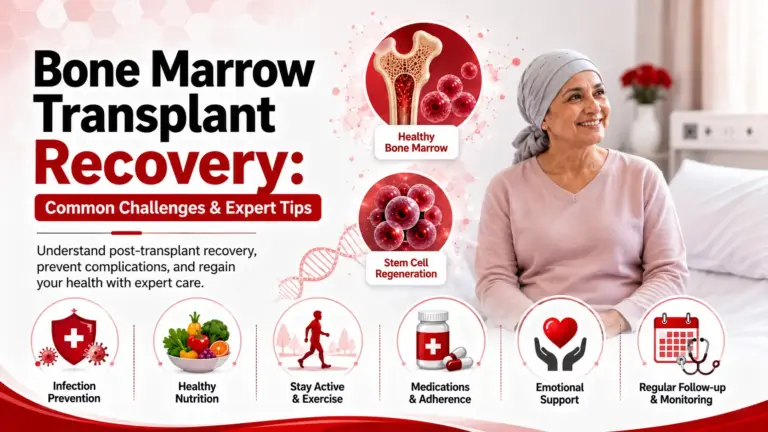
Recovery After Peripheral Blood Stem Cell Transplant (PBSCT)
Recovery after a Peripheral Blood Stem Cell Transplant (PBSCT) varies from patient to patient and depends on factors such as overall health, type of transplant, and response to treatment. The recovery process focuses on restoring normal blood cell production, rebuilding the immune system, and monitoring for potential complications.
- Regular Blood Count Monitoring: Frequent blood tests are performed to track the recovery of red blood cells, white blood cells, and platelets, ensuring successful engraftment and bone marrow function.
- Infection Prevention Measures: Because the immune system remains weakened for a period after transplantation, patients are advised to follow strict hygiene practices, avoid exposure to infections, and take prescribed medications as directed.
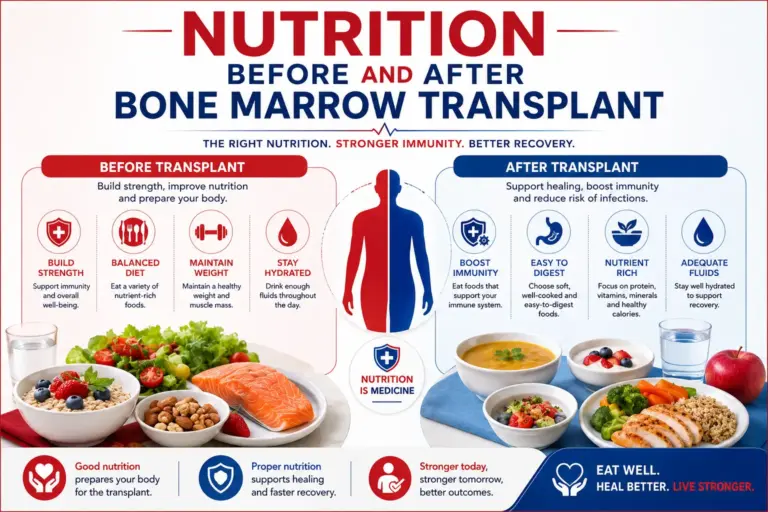
- Nutritional Support: A balanced diet and adequate hydration play an important role in healing, maintaining strength, and supporting immune recovery. Nutritional guidance may be provided to meet individual needs.
- Physical Rehabilitation: Gradual physical activity and rehabilitation programs can help improve strength, reduce fatigue, and enhance overall quality of life during recovery.
- Long-Term Follow-Up Care: Regular follow-up appointments allow the transplant team to monitor recovery, assess organ function, manage side effects, and detect any complications at an early stage.
Warning Signs After PBSCT
Immediate medical attention is required if the patient experiences:
- Persistent fever or chills
- Severe infection symptoms
- Unusual bleeding or bruising
- Shortness of breath or chest pain
- Severe diarrhea or vomiting
- Skin rash or jaundice
- Confusion or extreme weakness
- Rapid weight gain or swelling
Patient Testimonials
HARI KRISHNAN OBOUND CONSULTING
Clearly we had a really good experience at this hospital. The place is super clean and well-kept, which instantly makes you feel at ease. The doctors here are not only great at what they do but also very friendly and approachable. The nurses were so kind and caring, always checking in with a smile, which really made a difference. The coordinator was also very helpful and made sure everything went smoothly. Overall, the whole team was amazing, and I’m really thankful for the care received to my sister, and her father in law
Conclusion
Peripheral Blood Stem Cell Transplant (PBSCT) offers hope for patients facing serious blood cancers and disorders. By replacing damaged bone marrow with healthy stem cells, PBSCT can restore normal blood production, strengthen immunity, and improve long-term survival. With advances in transplant technology, expert medical care, and dedicated follow-up support, many patients can achieve successful recovery and a better quality of life.