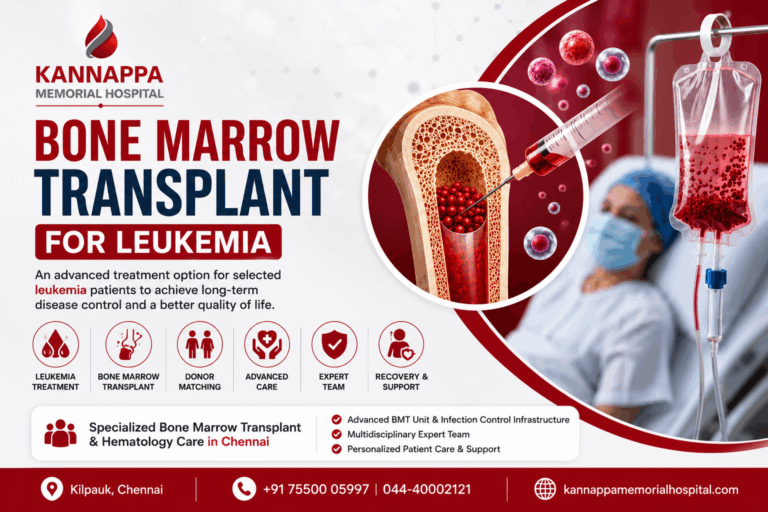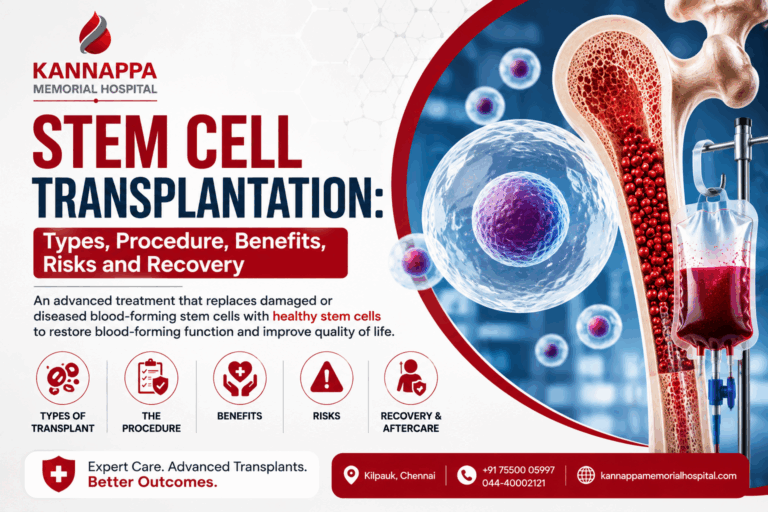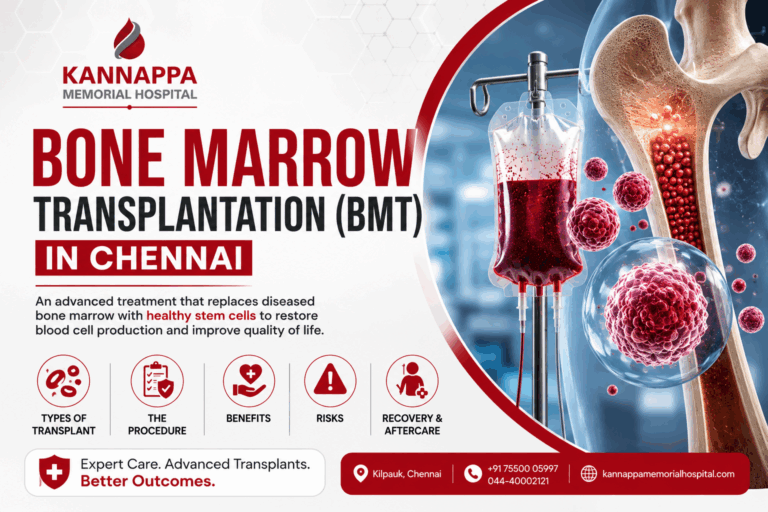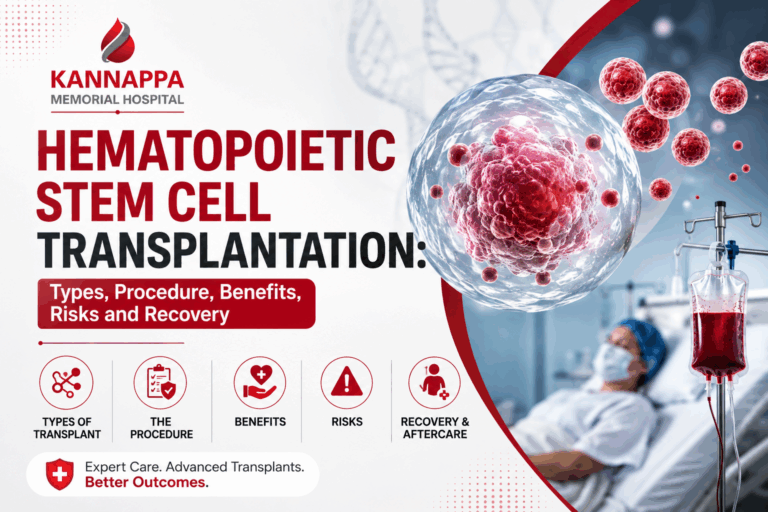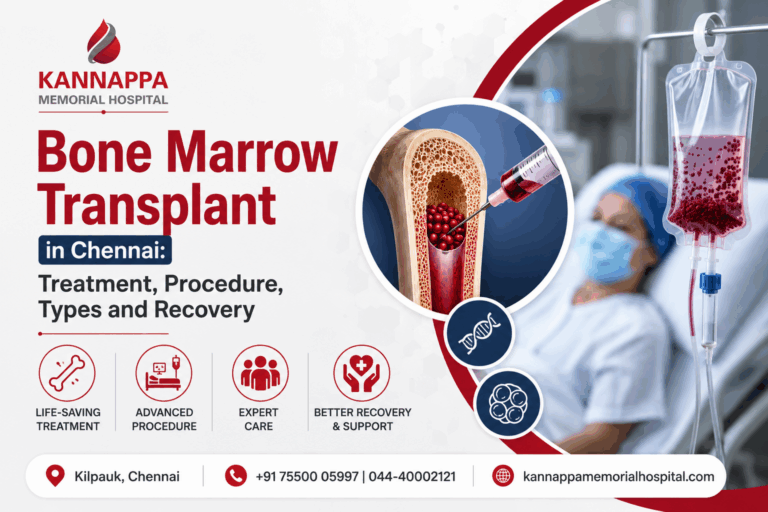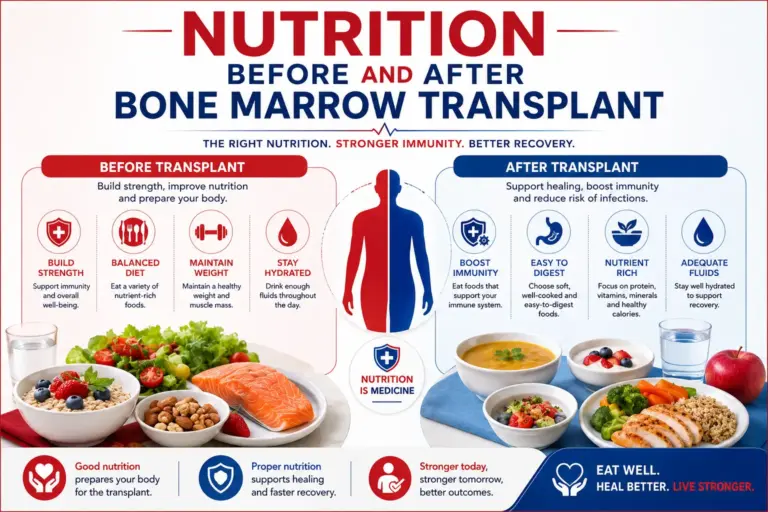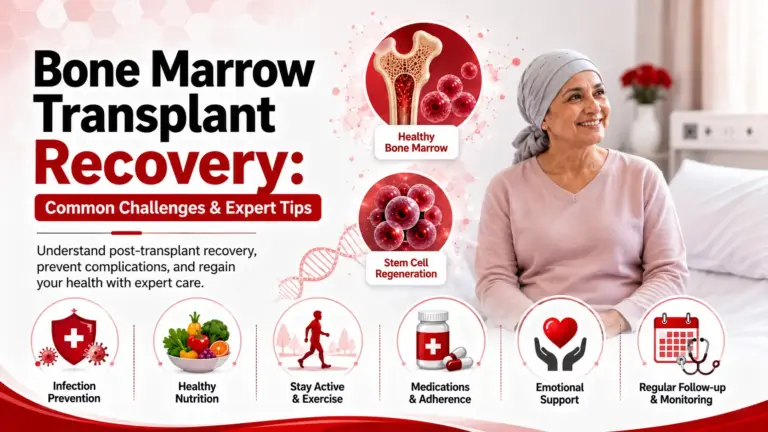
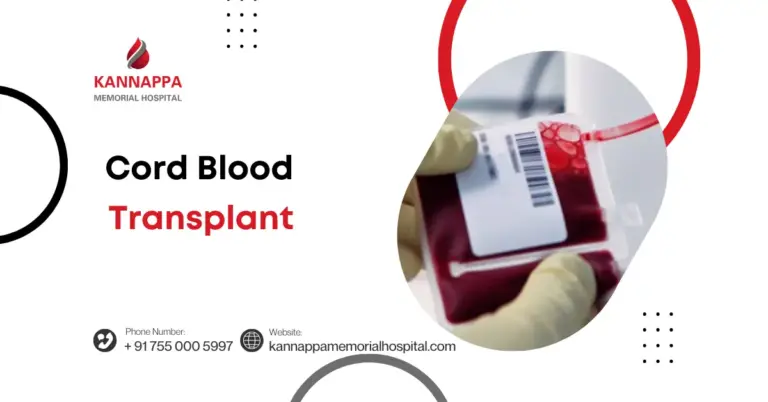
A Cord Blood Transplant is a specialized form of hematopoietic stem cell transplantation (HSCT) that uses stem cells collected from umbilical cord blood after childbirth. These stem cells have the unique ability to develop into different types of blood cells and play a critical role in rebuilding the body’s blood-forming and immune systems.
Cord blood contains a rich source of hematopoietic stem cells capable of replacing damaged or diseased bone marrow. Once transplanted, these cells migrate to the bone marrow, where they begin producing healthy red blood cells, white blood cells, and platelets. This process helps restore normal blood formation and immune function in patients affected by severe blood disorders, cancers, and immune deficiencies.
Who Needs a Cord Blood Transplant?
A Cord Blood Transplant may be recommended for patients with serious blood, bone marrow, immune, genetic, or metabolic disorders when standard treatments are not sufficient. It is commonly used for blood cancers such as leukemia and lymphoma, bone marrow failure disorders including aplastic anemia, and inherited blood diseases such as thalassemia and sickle cell disease. Patients with severe immune deficiencies or certain metabolic disorders may also benefit from transplantation. Before treatment, transplant specialists conduct a comprehensive evaluation to assess the patient’s health, disease status, and donor compatibility to determine whether transplantation is the most suitable option.
How Cord Blood Transplantation Works
Cord blood transplantation is a carefully planned medical procedure designed to restore healthy blood and immune system function in patients with serious disorders.
- Immune System Recovery: As healthy blood cells are generated, the patient’s immune system gradually rebuilds, improving the body’s ability to fight infections and maintain normal blood function.
- Stem Cell Infusion: The process begins with the infusion of healthy stem cells obtained from stored umbilical cord blood. The cells are administered through an intravenous (IV) line, similar to a blood transfusion, and no surgery is required.
- Migration to the Bone Marrow: After entering the bloodstream, the stem cells naturally travel to the bone marrow, the body’s primary site for blood cell production.
- Engraftment and Cell Growth: Once the stem cells reach the bone marrow, they begin a process known as engraftment. During this stage, the transplanted cells establish themselves and start producing new red blood cells, white blood cells, and platelets.
Types of Stem Cell Transplants
Stem cell transplantation, also known as hematopoietic stem cell transplantation (HSCT), is a procedure used to replace damaged or diseased bone marrow with healthy stem cells.
1. Autologous Transplant
In an autologous transplant, stem cells are harvested from the patient and later reinfused for treatment. .These cells are collected and stored before high-dose chemotherapy or radiation therapy and are later reinfused to restore normal blood cell production. Since the cells come from the patient, the risk of immune rejection or graft-versus-host disease (GVHD) is minimal.
2. Allogeneic Transplant
An allogeneic transplant involves stem cells obtained from a compatible donor, such as a sibling, relative, or unrelated matched donor. The donor stem cells replace the patient’s diseased bone marrow and help establish a healthy blood-forming system. However, there is a risk of immune complications, including graft-versus-host disease and graft rejection.
3. Cord Blood Transplant
A cord blood transplant utilizes stem cells obtained from the umbilical cord and placenta following the birth of a baby. These stem cells are stored in specialized cord blood banks and can be used when a suitable match is identified. Cord blood transplants require less stringent donor matching and are often available more quickly than traditional donor sources, although the lower stem cell dose may limit their use in larger adult patients.
Advantages of Cord Blood Transplantation
Cord blood transplantation offers several important benefits that make it a valuable option for patients requiring stem cell therapy.
- Greater Donor Availability: Cord blood transplants can often be performed with less stringent donor-matching requirements than traditional bone marrow transplants. This increases the likelihood of finding a suitable donor, especially for patients with rare tissue types.
- Reduced Risk of Graft-versus-Host Disease: The stem cells found in cord blood are immunologically immature, which is associated with a lower risk and severity of graft-versus-host disease (GVHD) compared with some other stem cell sources.
- Rapid Access to Stem Cells: Cord blood units are collected, screened, and preserved in specialized cord blood banks for future transplantation when a suitable match is found. This can significantly reduce the waiting time for transplantation.
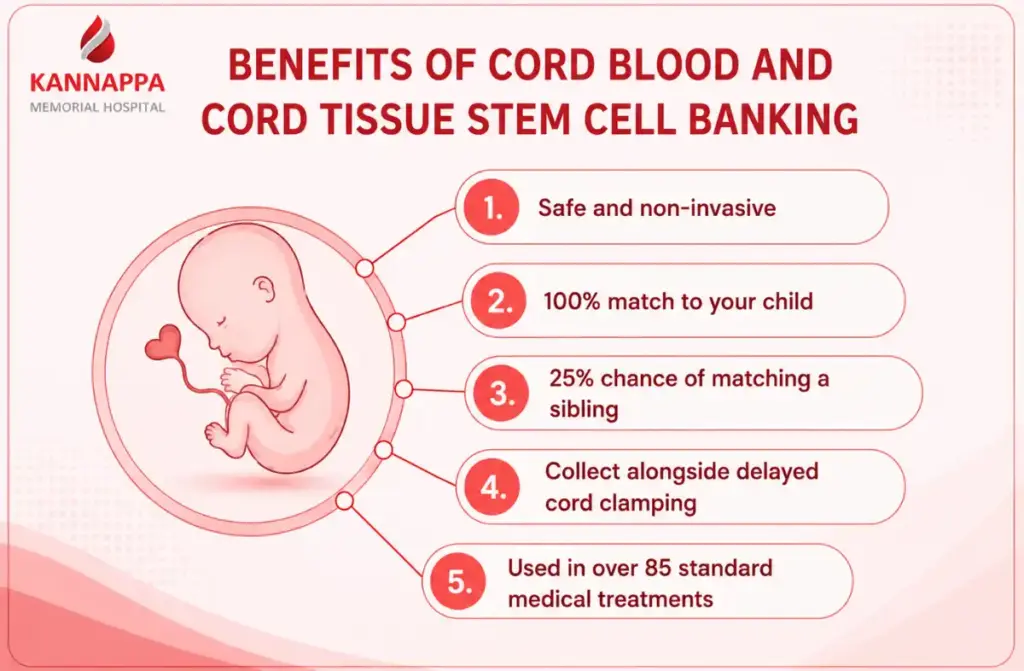
- Safe and Non-Invasive Collection: Cord blood is collected after the birth of a baby from the umbilical cord and placenta. The procedure is painless, non-invasive, and poses no risk to either the mother or the newborn.
- Expanded Access to Transplantation: Cord blood has increased the availability of stem cell transplantation for many patients, particularly those from ethnically diverse populations who may have difficulty finding matched bone marrow donors.
- Valuable Source of Stem Cells: Cord blood contains healthy hematopoietic stem cells capable of regenerating blood and immune systems, making it an effective treatment option for a wide range of blood-related disorders.
Limitations of Cord Blood Transplantation
While cord blood transplantation offers several advantages, it also has certain limitations that can affect treatment outcomes.
- Lower Stem Cell Dose: Cord blood units typically contain a smaller number of stem cells compared with bone marrow or peripheral blood stem cell donations. This may limit their effectiveness in larger adult patients.
- Delayed Engraftment: The transplanted stem cells often take longer to establish themselves in the recipient’s bone marrow, leading to slower recovery of blood cell production.
- Higher Early Infection Risk: Because immune system recovery is gradual, patients may face an increased risk of infections during the early post-transplant period.
- Limited Cell Availability: Once a cord blood unit has been collected and stored, additional stem cells cannot be obtained from the same donor if more cells are needed later.
- Patient Suitability: Cord blood transplantation is particularly well suited for children and smaller adults. However, ongoing advances in transplantation techniques are helping extend its use to larger patients.
Cord Blood Transplant Procedure
The Cord Blood Transplant procedure involves a series of carefully planned steps designed to replace diseased or damaged bone marrow with healthy stem cells collected from umbilical cord blood. The process is performed by a specialized transplant team and requires close monitoring before, during, and after transplantation.
- Patient Conditioning: The first stage is conditioning therapy, which typically involves chemotherapy, radiation therapy, or a combination of both. This treatment helps destroy abnormal blood-forming cells, reduce the burden of disease, suppress the immune system to prevent rejection, and create space within the bone marrow for the new stem cells to grow.
- Cord Blood Preparation: Once a suitable cord blood unit has been identified, it is removed from cryogenic storage and carefully thawed in a specialized laboratory. The sample is assessed for cell viability, quality, and safety before transplantation. These steps ensure that the stem cells remain functional and capable of establishing healthy blood production after infusion.
- Stem Cell Infusion: The prepared stem cells are infused into the patient’s bloodstream through an intravenous (IV) line or central venous catheter. The procedure is similar to a blood transfusion and does not require surgery. After infusion, the stem cells travel through the bloodstream and naturally migrate to the bone marrow.
- Engraftment: Regular blood monitoring is carried out to evaluate recovery and verify successful engraftment, a key milestone indicating that the transplanted stem cells have begun functioning within the bone marrow. This includes red blood cells, white blood cells, and platelets. Regular blood tests are performed to monitor progress and confirm successful engraftment, which marks the beginning of recovery.
- Recovery Phase: Following a Cord Blood Transplant, patients require intensive supportive care while their immune system rebuilds. Recovery may involve infection-prevention measures, antibiotics, blood transfusions, nutritional support, and regular follow-up evaluations. Although blood counts may improve within weeks, complete immune recovery can take several months, making ongoing monitoring essential for long-term transplant success.
Clinical Applications of Cord Blood Transplantation
Cord blood transplantation is an important treatment option in modern hematology and oncology, offering a valuable source of stem cells for patients with serious blood and immune system disorders.
- Hematological Malignancies: Cord blood transplantation is used to treat various blood cancers, including leukemia, lymphoma, and myelodysplastic syndromes, particularly when standard therapies are not sufficient.
- Pediatric Transplantation: Children are often ideal candidates for cord blood transplantation because the stem cell dose available in cord blood is usually adequate for their body size, and donor matching requirements are less stringent.
- Adult Transplantation: Advancements in transplantation techniques, such as double cord blood transplantation and improved supportive care, have expanded the use of cord blood transplants in adult patients.
- High-Risk Blood Disorders: Patients with aggressive, relapsed, or treatment-resistant blood disorders may benefit from cord blood transplantation as part of a comprehensive treatment approach.
- Patients Lacking Matched Donors: Cord blood serves as an effective alternative stem cell source for individuals who cannot find a compatible bone marrow or peripheral blood stem cell donor, increasing access to life-saving transplantation.
Types of Cord Blood Banking
Cord blood banking involves the collection and preservation of stem cell-rich blood from the umbilical cord and placenta after childbirth. These stem cells can be stored for future medical use and may serve as an important resource for transplantation and regenerative therapies.
- Public Cord Blood Banking: Public cord blood banking allows parents to voluntarily donate their baby’s cord blood for the benefit of patients who may require a stem cell transplant. After collection, the cord blood is processed, tested, and stored in a public cord blood bank, where it becomes available to compatible recipients worldwide.
- Private Cord Blood Banking: Private cord blood banking involves storing cord blood exclusively for the child or their family members. Families pay for the collection, processing, and long-term storage of the cord blood unit. This option provides potential access to the stored stem cells if the child or a related family member develops a condition that may benefit from stem cell transplantation in the future.
Advances in Cord Blood Transplantation
Continuous research and technological developments are improving the safety and effectiveness of cord blood transplantation, leading to better patient outcomes.
- Stem Cell Expansion: Researchers are developing laboratory techniques to increase the number of stem cells in cord blood units before transplantation, helping improve transplant success and broaden eligibility for adult patients.
- Faster Engraftment: Innovative approaches are being explored to accelerate the establishment of transplanted stem cells in the bone marrow, reducing the time needed for blood count recovery.
- Enhanced Immune Recovery: New strategies focus on strengthening immune system reconstitution after transplantation, helping decrease the risk of serious infections and related complications.
- Improved GVHD Prevention: Advances in immunotherapy and preventive treatments are reducing the incidence and severity of graft-versus-host disease (GVHD) while maintaining the benefits of transplantation.
- Expanded Donor Options: Modern transplant programs increasingly integrate cord blood transplantation with alternative donor approaches, such as haploidentical transplantation, making stem cell therapy accessible to a larger number of patients.
Treatment Outcomes and Long-Term Benefits
The success of a Cord Blood Transplant depends on several factors, including the underlying disease, patient condition, donor compatibility, and transplant center expertise.
Potential benefits include:
- Restoration of normal bone marrow function
- Recovery of healthy blood cell production
- Rebuilding of the immune system
- Long-term disease control
- Potential cure for selected conditions
- Improved quality of life and survival
Regular follow-up appointments are essential to monitor recovery, detect complications early, and ensure optimal long-term health outcomes.
Conclusion
A Cord Blood Transplant is an advanced stem cell therapy that utilizes preserved umbilical cord blood stem cells to rebuild bone marrow and restore healthy blood and immune system function. It offers a valuable treatment option for patients with leukemia, lymphoma, bone marrow failure disorders, genetic blood diseases, immune deficiencies, and other serious hematological conditions. Although challenges such as slower engraftment and limited stem cell dose remain, ongoing advances in transplant medicine continue to improve safety, effectiveness, and long-term outcomes. With specialized transplant centers, experienced multidisciplinary teams, and continued research innovations, cord blood transplantation remains an important and potentially life-saving therapy for many patients worldwide.