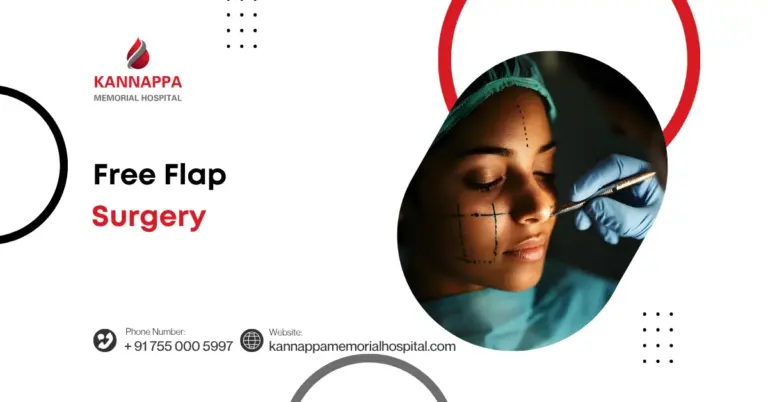
Free flap surgery is an advanced reconstructive surgical procedure used to repair or rebuild damaged tissues in different parts of the body. It is commonly performed after cancer surgery, severe trauma, burns, infections, or congenital defects where large amounts of tissue have been removed or lost. The procedure involves transferring healthy tissue along with its blood vessels from one area of the body to another and reconnecting the blood supply using microsurgical techniques.
Free flap reconstruction plays an important role in restoring both appearance and function. It is widely used in head and neck cancer reconstruction, breast reconstruction after mastectomy, limb salvage procedures, and complex wound repair. Modern microsurgical techniques have significantly improved surgical outcomes, helping patients regain mobility, speech, swallowing function, and quality of life. Because free flap surgery is highly specialized, it is usually performed by experienced reconstructive and microsurgeons in advanced medical centers. Careful planning, surgical expertise, and post-operative monitoring are essential for successful recovery.
What is Free Flap Surgery?
Free flap surgery is a type of reconstructive procedure where healthy tissue is completely detached from one part of the body and transplanted to another area requiring reconstruction. The transferred tissue may include skin, fat, muscle, bone, nerves, or blood vessels depending on the patient’s condition and reconstructive needs.
Unlike local flap procedures where tissue remains partially attached to its original blood supply, free flap surgery requires surgeons to reconnect tiny arteries and veins under a microscope. This microsurgical connection restores blood circulation to the transplanted tissue and helps it survive in the new location. The procedure is commonly performed when simple grafts or local flaps are not sufficient to restore normal structure or function.
Why is Free Flap Surgery Performed?
Free flap surgery is recommended when tissue loss is extensive and requires advanced reconstruction. The procedure helps restore both cosmetic appearance and important bodily functions.
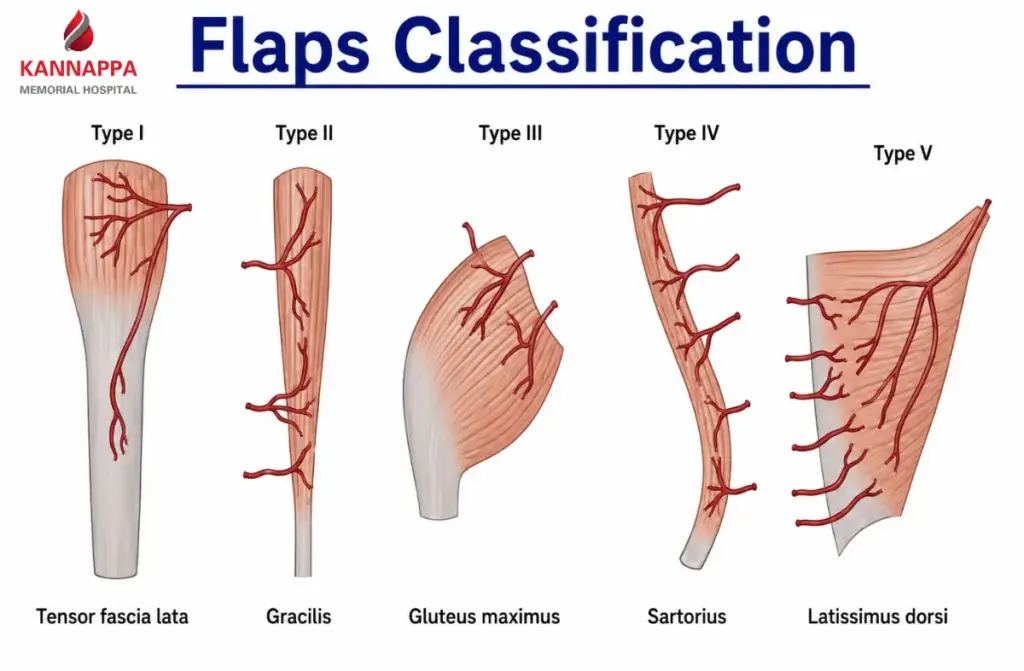
Common Reasons for Free Flap Surgery
- Cancer Reconstruction: Patients undergoing surgery for oral cancer, throat cancer, breast cancer, or skin cancer may require free flap reconstruction after tumor removal. Tissue transfer helps rebuild affected areas and improve function after surgery.
- Traumatic Injuries: Severe accidents, crush injuries, burns, or complex fractures may cause major tissue loss. Free flap surgery helps cover exposed bones, tendons, or nerves and supports healing.
- Breast Reconstructio: Women who undergo mastectomy for breast cancer may choose free flap reconstruction to rebuild the breast using tissue from the abdomen, thigh, or back.
- Congenital Defect: Some individuals are born with facial, limb, or tissue abnormalities that may require reconstructive surgery to improve appearance and function.
- Chronic Wounds and Infections: Large non-healing wounds or tissue damage caused by infections may require healthy tissue transfer for proper closure and recovery.
Types of Free Flap Surgery
Different types of free flaps are selected depending on the size, location, and complexity of the defect.
Skin and Soft Tissue Flaps
These flaps mainly contain skin and fat and are commonly used to cover wounds or reconstruct soft tissue defects.
Common Examples
- Radial forearm free flap
- Anterolateral thigh flap
- Groin flap
These flaps provide flexible tissue coverage and are often used in head and neck reconstruction.
Muscle Free Flaps
Muscle flaps are used when additional tissue bulk or blood supply is needed to support healing.
Common Examples
- Latissimus dorsi flap
- Gracilis muscle flap
Muscle flaps are frequently used in limb reconstruction and large traumatic wounds.
Bone Free Flaps
Bone containing flaps help reconstruct jawbones or major skeletal defects.
Common Examples
- Fibula free flap
- Iliac crest flap
These procedures are commonly performed after oral cancer surgery or severe facial trauma.
Composite Free Flaps
- Composite flaps contain multiple tissue types such as skin, muscle, bone, and nerves together.
- These complex reconstructions are often necessary in major head and neck surgeries where both function and appearance must be restored.
How Free Flap Surgery is Performed
Free flap surgery requires careful planning and advanced microsurgical skills.
Preoperative Planning
Before surgery, doctors evaluate:
- The size and location of the defect
- Blood vessel quality
- Overall patient health
- Smoking history
- Medical conditions such as diabetes
Imaging studies may also be performed to assess blood circulation and tissue availability.
Tissue Harvesting
- Healthy tissue is carefully removed from the donor site along with its arteries and veins. The selected tissue depends on the reconstruction requirements.
- Surgeons preserve the blood vessels carefully to ensure successful transplantation.
Microsurgical Transfer
- The harvested tissue is transferred to the reconstruction site. Using specialized microscopes and fine instruments, surgeons reconnect tiny blood vessels to restore circulation.
- This stage is highly delicate because successful blood flow is essential for flap survival.
Wound Closure
- After the flap is secured, both the donor and recipient sites are closed carefully. Drains may be placed temporarily to prevent fluid accumulation.
- Patients are then closely monitored during recovery.
Common Areas Reconstructed Using Free Flaps
Free flap surgery can reconstruct many parts of the body.
Head and Neck Reconstruction
Free flap surgery is commonly used in head and neck reconstruction after oral cancer treatment or major facial surgeries. Surgeons use healthy tissue from another part of the body to rebuild important structures such as the tongue, jaw, throat, cheek, and floor of the mouth. .
Breast Reconstruction
Autologous breast reconstruction uses the patient’s own tissue to create a natural-looking breast after mastectomy. Abdominal tissue flaps such as DIEP flaps are commonly used because they preserve muscle strength while providing soft tissue reconstruction.
Cancer Spread to Bones
Free flap reconstruction may help save limbs after severe trauma, infection, or tumor removal by covering exposed structures and improving healing.
Benefits of Free Flap Surgery
Free flap reconstruction offers several functional and cosmetic advantages.
- Improved Function: The surgery helps restore important functions such as speaking, swallowing, chewing, walking, or hand movement depending on the reconstruction site.
- Better Cosmetic Results: Using the patient’s own tissue often provides a more natural appearance and texture compared to synthetic implants or grafts.
- Durable Reconstruction: Free flaps have their own blood supply, which improves healing and long-term tissue survival.
- Enhanced Quality of Life: Many patients experience improved confidence, mobility, comfort, and independence after successful reconstruction.
Risks and Complications
Like all major surgeries, free flap surgery carries certain risks.
- Flap Failure: Blood flow problems may prevent the transplanted tissue from surviving. Early detection and urgent intervention are critical to save the flap.
- Infection: Surgical site infections may occur at either the donor or recipient area. Proper wound care and antibiotics help reduce this risk.
- Bleeding and Blood Clots: Postoperative bleeding or clot formation can affect flap circulation and healing.
- Donor Site Complications: Patients may experience pain, weakness, scarring, or reduced function at the tissue donor site.
- Delayed Healing: Smoking, diabetes, poor nutrition, or circulation problems may slow wound healing and recovery.
Recovery After Free Flap Surgery
Recovery depends on the complexity of surgery and the area reconstructed.
- Hospital Monitoring: Patients are closely monitored during the first few days to ensure proper blood flow through the flap. Nurses and surgeons frequently check flap color, warmth, and circulation.
- Pain Management: Pain medications help improve comfort during the healing process. Most patients gradually become more mobile over time.
Physiotherapy and Rehabilitation
- Rehabilitation is often necessary to restore strength, mobility, speech, or swallowing function depending on the surgery performed.
- Physical therapy and speech therapy may play important roles during recovery.
Wound Care
Proper wound care is essential to prevent infection and support healing. Patients receive instructions regarding dressing changes, hygiene, and activity restrictions.
Preparing for Free Flap Surgery
Proper preparation improves surgical safety and recovery outcomes.
Important Preparation Steps
- Stop smoking before surgery
- Manage diabetes and chronic illnesses
- Follow nutritional recommendations
- Complete required medical evaluations
- Discuss medications with the surgeon
Good overall health improves blood circulation and supports better healing after surgery.
When to Seek Medical Attention After Surgery
Patients should contact their healthcare provider immediately if they notice:
- Increasing swelling
- Severe pain
- Bleeding
- Fever
- Changes in flap color
- Foul-smelling discharge
- Sudden loss of function
Early treatment of complications helps protect flap survival and recovery.
Conclusion
Free flap surgery is a highly advanced reconstructive technique that helps restore both appearance and function after major tissue loss caused by cancer, trauma, burns, or congenital conditions. By transferring healthy tissue along with its blood supply, surgeons can rebuild complex structures and significantly improve patient quality of life.
Although recovery may take time, modern microsurgical techniques have greatly improved success rates and long-term outcomes. Early planning, experienced surgical care, rehabilitation, and proper follow-up all play important roles in achieving successful reconstruction and functional recovery.