An oncologist in Chennai is a medical specialist trained to diagnose, treat, and manage the care of patients with cancer.These experts play a crucial role in guiding patients through every stage of cancer care, from early detection and accurate diagnosis to advanced treatment and long-term follow-up.
Chennai is home to some of India’s leading cancer care centers, offering world-class facilities, modern technology, and highly experienced oncology specialists. Oncologists in the city use a multidisciplinary approach, working closely with surgeons, radiologists, and pathologists to provide personalized and effective treatment plans.The goal of an oncologist is not only to treat cancer but also to improve quality of life and support patients throughout their recovery journey.
Oncology Specialists in Chennai
At Kannappa Memorial Hospital, our oncology team includes highly experienced specialists in medical oncology, hemato-oncology, and cancer care — offering evidence-based, patient-focused treatment across every stage of the cancer journey.
Dr. A. Steve Thomas
- Qualification: MBBS, MD (Paediatrics), DM (Clinical Haematology)
- Experience: 10+ Years
- Specialty: Hemato-Oncology & Bone Marrow Transplant
Dr. A. Steve Thomas is a skilled Hemato-Oncologist specialising in blood cancers, bone marrow disorders, and advanced haematology care. He is experienced in managing leukemia, lymphoma, and complex blood-related malignancies with evidence-based treatment protocols tailored to each patient’s clinical needs.
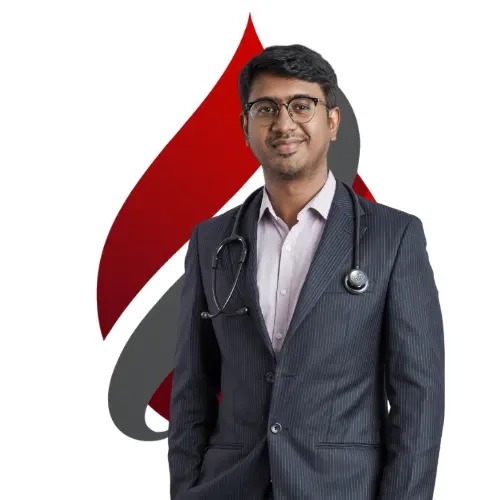
Dr. K. Chandralekha
- Qualification: MD, DMRD, DM, ECMO
- Experience: 6 +Years
- Specialty: Medical Oncology
Dr. K. Chandralekha is a dedicated Medical Oncologist with expertise in cancer diagnosis and systemic treatments including chemotherapy and targeted therapy. She plays a key role in multidisciplinary cancer management at Kannappa Memorial Hospital, ensuring every patient receives a coordinated and comprehensive care plan.
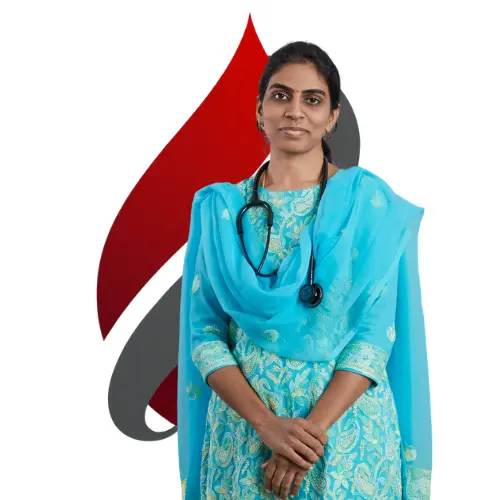
Dr. Kenneyy Robert J
- Qualification: MBBS, MS (General Surgery), MCh (Surgical Oncology)
- Experience: 10+ Years
- Specialty: Surgical Oncology
Dr. Kenneyy Robert is a highly experienced Surgical Oncologist specialising in tumour removal, minimally invasive cancer surgeries, and organ-preserving techniques. Known for his surgical precision and patient-centred approach, he consistently delivers outcomes that prioritise both effective cancer control and quality of life.
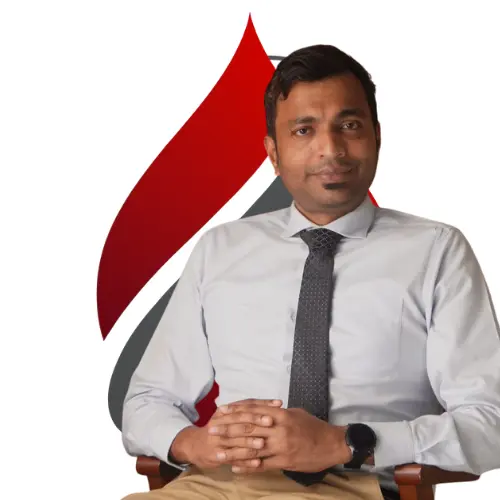
Dr. Vasantha Rooban Narasimman
- Qualification: MD (Radiotherapy), DM (Medical Oncology)
- Experience: 10+ Years
- Specialty: Medical Oncology & Radiation Oncology
Dr. Vasantha Rooban Narasimman brings over a decade of experience in both medical and radiation oncology. He specialises in diagnosing and treating a wide range of solid tumours and blood cancers, delivering advanced evidence-based treatment protocols that integrate systemic and radiation-based care under one specialist.
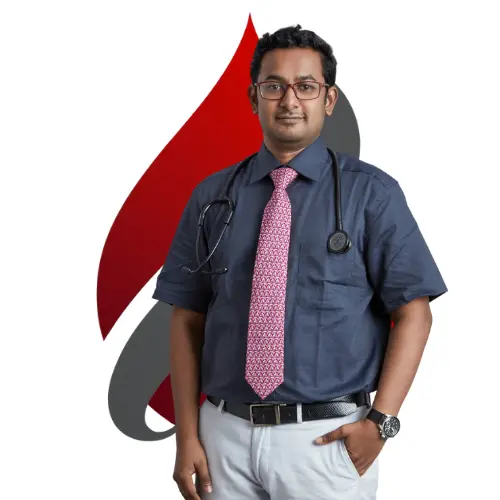
Dr. Venkatachalam Veerappan
- Qualification: MS (General Surgery), MCh (Surgical Oncology), MRCS (UK)
- Experience:10+ Years
- Specialty: Laparoscopic, Surgical & Pelvic Oncology
Dr. Venkatachalam Veerappan is a highly skilled Surgical Oncologist at Kannappa Memorial Hospital, Chennai, with expertise in advanced cancer surgery. He specialises in minimally invasive and laparoscopic techniques for complex solid tumour management — combining precise tumour removal with a multidisciplinary approach that accelerates recovery and improves long-term patient outcomes.
Why Kannappa Memorial Hospital for Cancer Treatment?
- Expert Oncology Team: Every case at Kannappa Memorial Hospital is reviewed through a structured multidisciplinary tumour board — oncologists, surgeons, radiologists, and pathologists collaborating on a single unified plan. The hospital is India’s first facility with in-house Graft Engineering and T-Cell Depletion, placing it at the forefront of haemato-oncology nationally.
- Modern Cancer Technology: On-site capabilities include flow cytometry, NGS-based molecular profiling, cytogenetics, ClinMACS Prodigy-powered graft engineering, advanced IMRT radiotherapy, and robotic surgical platforms — the full diagnostic and therapeutic infrastructure that defines contemporary cancer care.
- Personalised Treatment: Treatment plans are built around each patient’s cancer subtype, molecular profile, stage, and personal circumstances — never standardised across a cohort. Tumour board deliberation ensures every decision reflects collective specialist expertise.
- 24/7 Cancer Emergency Care: Round-the-clock critical care support, a 24-hour blood bank, and specialist physician availability mean patients in treatment never face an acute emergency without immediate expert response.
- Patient-Centered Support: From nutritional counselling and psychological support to pain management, rehabilitation, and survivorship planning — care at Kannappa Memorial Hospital extends to every dimension of a patient’s wellbeing, treating the whole person throughout the entire cancer journey.
Types of Oncologists in Chennai
It comprises several distinct subspecialties, each addressing cancer through a different clinical lens, which is why consulting an Oncologist in Chennai is essential for specialized cancer care.
- Medical Oncologist: Manages cancer primarily through systemic treatments — chemotherapy, targeted therapy, immunotherapy, and hormone therapy. They are typically the lead physician coordinating a patient’s overall cancer care plan.
- Surgical Oncologist: Specialises in removing tumours and cancerous tissue through surgery. Their expertise extends to evaluating cancer spread, performing staging procedures, and reconstructive work following tumour excision.
- Radiation Oncologist: Uses high-energy radiation — delivered externally or internally — to destroy cancer cells. They work closely with medical physicists and dosimetrists to design precise treatment plans that maximise tumour control while protecting surrounding healthy tissue.
- Pediatric Oncologist: Focuses exclusively on cancers arising in children and adolescents, a population with biologically distinct tumour types and treatment tolerances that differ significantly from adults.
- Gynecologic oncologist: Focuses on cancers of the female reproductive system, including cervical, ovarian, endometrial, vulvar, and vaginal cancers, and manages both surgical procedures and medical treatment approaches.
- Hemato-Oncologist: Bridges haematology and oncology, specialising in blood cancers including leukemia, lymphoma, and multiple myeloma, as well as bone marrow disorders requiring transplantation. This subspecialty demands particular expertise in stem cell biology and transplant medicine.
Cancers Treated by Oncologists
Oncologists manage a wide range of cancers, providing specialized diagnosis, treatment, and long-term care tailored to each patient’s condition.
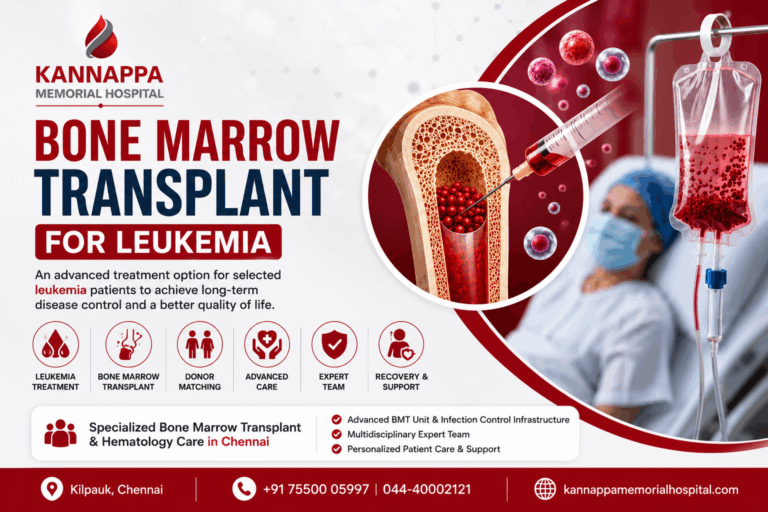
- Blood Cancers: Hematologic malignancies such as leukemia, lymphoma, and multiple myeloma are treated by hemato-oncology specialists. Treatment may include chemotherapy, targeted therapy, immunotherapy, and bone marrow or stem cell transplantation.
- Breast Cancer: Breast cancer remains one of the most prevalent forms of cancer among women. Treatment often involves a combination of surgery, chemotherapy, radiation therapy, hormone therapy, and targeted treatments based on the tumor’s characteristics.
- Lung Cancer: Modern lung cancer treatment includes surgery, chemotherapy, radiation therapy, targeted therapy, and immunotherapy. Molecular testing helps identify genetic mutations that can guide personalized treatment options.
- Colorectal Cancer: Colorectal cancer is commonly treated with surgery and chemotherapy. Depending on the cancer’s genetic profile, targeted therapies and immunotherapies may also be recommended.
- Head and Neck Cancers: These cancers affect areas such as the oral cavity, throat, larynx, thyroid, and salivary glands. Treatment often combines surgery, radiation therapy, and chemotherapy to achieve the best outcomes.
- Gynecologic Cancers: Cancers of the cervix, ovaries, uterus, and other reproductive organs are managed by gynecologic oncologists. Treatment may include surgery, chemotherapy, targeted therapy, and radiation therapy.
- Prostate Cancer: Prostate cancer treatment is tailored according to the cancer’s stage, severity, and rate of growth. These may include active surveillance, hormone therapy, surgery, radiation therapy, or a combination of approaches.
- Gastrointestinal Cancers: Cancers affecting the stomach, liver, pancreas, and esophagus require coordinated care from surgical, medical, and radiation oncology specialists to provide comprehensive treatment.
Cancer Diagnosis — What to Expect
The cancer diagnostic process begins with a comprehensive consultation, during which an Oncologist in Chennai reviews the patient’s medical history, family history, symptoms, and previous medical reports. A detailed physical examination is then performed to identify potential signs of cancer and guide further investigations.
- Diagnostic Tests: Accurate diagnosis often requires a combination of laboratory tests, imaging studies, and tissue analysis.
- Blood Tests and Tumour Markers: Blood tests help evaluate overall health and identify abnormalities that may indicate cancer. Tumour markers such as CA-125, PSA, CEA, and LDH can provide useful information and assist in monitoring treatment response, although they are not usually sufficient to diagnose cancer on their own.
- Biopsy: A biopsy is the most reliable method for confirming a cancer diagnosis. During this procedure, a small tissue sample is collected and examined under a microscope to determine the type, grade, and characteristics of the tumour.
- Imaging Studies: Imaging tests help determine the location and extent of the disease. CT scans provide detailed images of internal organs, MRI offers superior soft-tissue visualization, and PET-CT scans can identify cancer spread throughout the body by detecting areas of increased metabolic activity.
Cancer Treatment Approaches in Chennai
- Chemotherapy — uses cytotoxic agents to kill rapidly dividing cancer cells systemically. While patients may experience side effects, it is still widely used in cancer management and is often administered as part of a combined treatment strategy.
- Targeted therapy — uses drugs designed to block specific molecular drivers of tumour growth — such as imatinib for BCR-ABL-positive leukaemia or EGFR inhibitors for certain lung cancers — with greater precision and often a more favourable side effect profile than conventional chemotherapy.
- Immunotherapy — particularly immune checkpoint inhibitors — unleashes the patient’s own immune system against cancer cells, producing durable responses in a range of tumour types including melanoma, lung, bladder, and some blood cancers.
- Radiation therapy — delivers high-energy beams to tumour sites, either as primary treatment or adjuvant to surgery.
- Surgical oncology — addresses tumours amenable to resection, with the goal of complete removal of all cancerous tissue — achieving what surgeons call R0 resection.
- Hormone therapy is central to breast and prostate cancer management where tumour growth is driven by oestrogen or testosterone signalling.
Advanced Technologies Used by Top Oncologists
Leading oncology centers utilize advanced technologies that improve diagnostic accuracy, personalize treatment, and enhance patient outcomes, ensuring better care under the expertise of an Oncologist in Chennai.
- Precision Oncology : Precision oncology analyzes the genetic and molecular characteristics of a tumor to identify the mutations driving cancer growth. This approach allows oncologists to select targeted treatments tailored to an individual’s cancer biology rather than relying solely on the tumor’s location.
- Next-Generation Sequencing (NGS): NGS enables the simultaneous analysis of hundreds of cancer-related genes from a single sample. It helps identify actionable genetic mutations, assess tumor behavior, and guide the selection of targeted therapies and immunotherapies.
- CAR T-Cell Therapy: CAR T-cell therapy is an innovative treatment for certain relapsed or treatment-resistant blood cancers. The patient’s own immune cells are genetically modified to recognize and attack cancer cells, offering new hope when conventional treatments have failed.
- Robotic-Assisted Surgery: Robotic surgery provides enhanced precision, flexibility, and control during cancer procedures. Benefits often include smaller incisions, reduced blood loss, less postoperative pain, and faster recovery compared to traditional open surgery.
- Advanced Radiation Therapy (LINAC): Modern Linear Accelerator (LINAC) systems deliver highly precise radiation treatments, including Intensity-Modulated Radiation Therapy (IMRT) and Stereotactic Body Radiation Therapy (SBRT). These techniques target tumors accurately while minimizing damage to surrounding healthy tissues.
How to Choose the Best Oncologist
Selecting the right oncologist is a crucial step in ensuring the best possible cancer care. A qualified and experienced specialist can help guide diagnosis, treatment, and long-term management with confidence, especially when consulting an Oncologist in Chennai.
Key Factors to Consider
- Verify Qualifications and Experience: Choose an oncologist with recognized credentials, specialized training, and experience in treating your specific type of cancer.
- Assess Hospital Facilities: Ensure the hospital offers advanced diagnostic services, modern treatment technologies, intensive care support, and comprehensive oncology care.
- Look for a Multidisciplinary Approach: Cancer centers that use tumour boards allow specialists from different fields to collaborate and create personalized treatment plans.
- Review Patient Feedback: Testimonials and reviews can provide insight into the doctor’s communication skills, accessibility, and quality of care.
- Consider Treatment Options: Select an oncologist who offers evidence-based treatments and discusses all available options clearly.
- Evaluate Accessibility: Convenient location, appointment availability, and ongoing follow-up support are important for long-term treatment success.
- Check Cost Transparency: Understand treatment costs, insurance coverage, and financial support services before beginning care.
When to See an Oncologist
You should consult an oncologist if you experience symptoms or receive test results that may indicate cancer. An Oncologist in Chennai can provide early evaluation, leading to timely diagnosis and more effective treatment.
Signs That Require Medical Attention
- Unexplained weight loss
- Persistent fatigue or weakness
- A lump or swelling that does not go away
- Unusual bleeding or bruising
- Ongoing pain without a clear cause
- Changes in bowel or bladder habits
- Persistent cough, hoarseness, or difficulty swallowing
Prognosis and Follow-Up Car
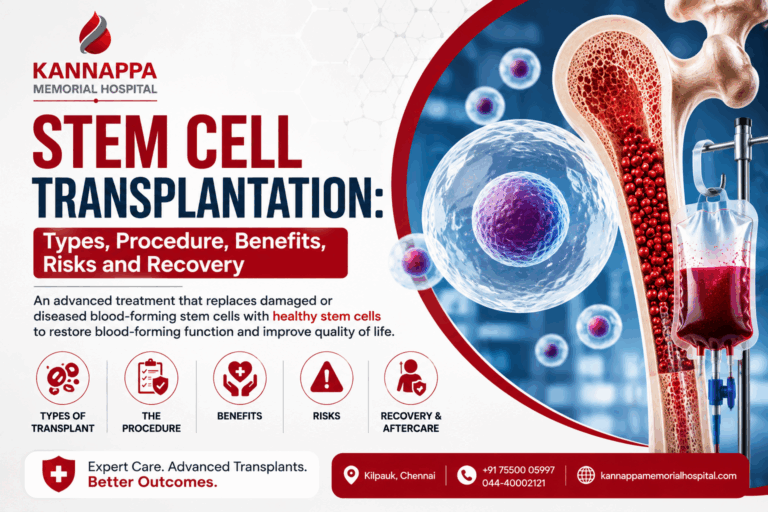
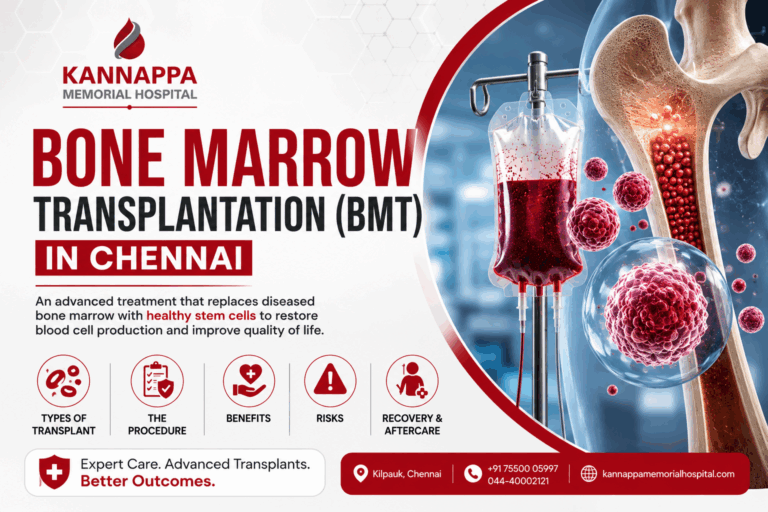
The prognosis of bone marrow disorders varies considerably depending on the underlying disease, its severity, the patient’s age, overall health status, and response to treatment. Some conditions, such as nutritional anemias, can be successfully treated with excellent outcomes, while others, including severe aplastic anemia, myelodysplastic syndromes (MDS), leukemia, and inherited bone marrow failure syndromes, may require long-term management or specialized therapies such as hematopoietic stem cell transplantation.
Follow-Up Care
Long-term follow-up is essential to monitor disease progression, treatment response, and potential complications. Follow-up care may include:
- Regular complete blood count (CBC) testing to assess blood cell levels.
- Periodic bone marrow examinations when clinically indicated.
- Monitoring for infections, bleeding episodes, or signs of disease recurrence.
- Assessment of treatment-related side effects, including complications from chemotherapy.
Conclusion
Choosing the right oncologist in Chennai is a critical step in ensuring timely, effective, and personalized cancer care. Experienced oncologists not only provide accurate diagnosis and advanced treatment options but also offer the guidance and support patients need throughout their cancer journey.
With access to modern diagnostic tools, innovative therapies, multidisciplinary treatment teams, and world-class healthcare facilities, Chennai has become a leading destination for cancer care. Whether managing a newly diagnosed cancer or seeking a second opinion, consulting a qualified oncology specialist can significantly influence treatment outcomes and quality of life.