Hemoglobin plays a vital role in carrying oxygen throughout the body, and reduced levels can affect energy, organ function, and overall health. In India, anemia is a major concern, especially among women, children, older adults, and people with chronic illnesses. Understanding how to increase blood count through proper nutrition, lifestyle changes, home remedies, and timely medical care is essential. This guide explains the causes, symptoms, diagnostic tests, and effective treatments available at Kannappa Memorial Hospital, helping you take the right steps toward better health and improved vitality.
What Is Hemoglobin and Why Does Your Blood Count Matter?
Hemoglobin is an iron-containing protein found inside your red blood cells (RBCs). Its primary job is to carry oxygen from your lungs to every tissue, organ, and cell in your body and to return carbon dioxide back for exhalation. Without adequate hemoglobin, your body simply cannot function at its best.
Normal hemoglobin ranges:
- Men: 13.5 – 17.5 g/dL
- Women: 12.0 – 15.5 g/dL
- Children: 11.0 – 16.0 g/dL (varies by age)
- Pregnant women: 11.0 – 13.0 g/dL
When your blood count falls below these values, your body enters a state of oxygen deficiency leading to fatigue, weakness, and in severe cases, damage to vital organs including the heart and brain.
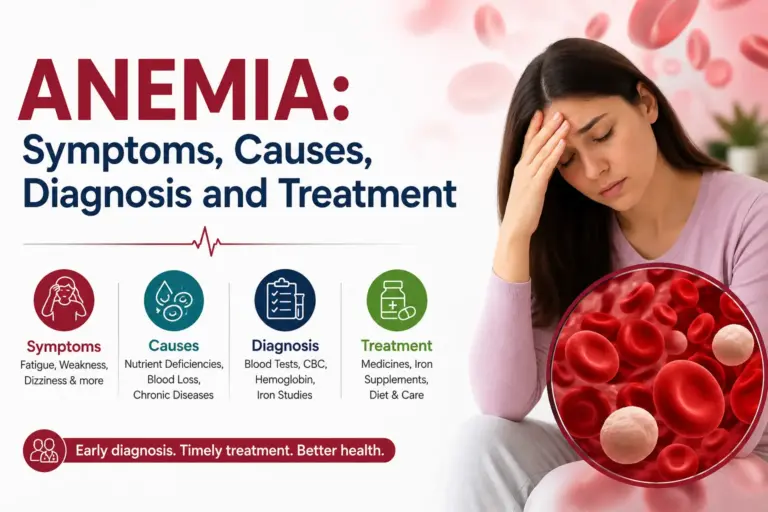
Symptoms of Low Blood Count
Before learning how to increase blood count, it helps to recognize the warning signs early. Many people dismiss these symptoms as stress or overwork, delaying diagnosis.
Common symptoms include:
- Persistent fatigue and weakness even after rest
- Pale or yellowish skin and nail beds
- Dizziness or lightheadedness when standing
- Frequent headaches
- Cold hands and feet
- Shortness of breath during routine activities
- Rapid or irregular heartbeat
- Difficulty concentrating (brain fog)
Seek immediate medical attention if you experience:
- Chest pain or tightening
- Fainting or near-fainting spells
- Severe breathlessness at rest
- Noticeable heart palpitations
These severe symptoms may indicate dangerously low hemoglobin levels that require professional intervention not just a dietary fix.
Common Causes of Low Blood Count
Understanding the root cause of your low blood count is essential for effective treatment. Diet alone may not be enough in every case.
- Nutritional deficiencies are the most common culprit particularly iron deficiency, vitamin B12 deficiency, and folate (vitamin B9) deficiency. Without these three nutrients, your body simply cannot produce healthy red blood cells in sufficient numbers.
- Blood loss through heavy menstrual periods, surgical procedures, gastrointestinal bleeding, or injury can rapidly deplete iron stores and reduce hemoglobin.
- Underlying medical conditions such as kidney disease (which reduces erythropoietin production), thyroid disorders, chronic inflammation, and cancer treatment side effects can all suppress red blood cell production.
- Special conditions including pregnancy, thalassemia, and sickle cell disease are also major contributors to low blood count in India, requiring specialized care and long-term management.
Best Foods to Increase Blood Count Naturally
Diet is the first line of defense when hemoglobin levels are mildly to moderately low. Here is a breakdown of the most effective food categories.
Iron-Rich Foods — The Foundation
Iron is an essential component required for the production of hemoglobin. There are two types:
Heme iron (animal sources — better absorbed by the body):
- Red meat and liver (highest iron content of all foods)
- Fish and shellfish
- Chicken and eggs
Non-heme iron (plant sources — effective when paired with vitamin C):
- Spinach, kale, fenugreek leaves, and mustard greens
- Lentils, chickpeas, kidney beans, and soybeans
- Tofu and tempeh
- Pumpkin seeds and sesame seeds
- Dates, raisins, and dried apricots
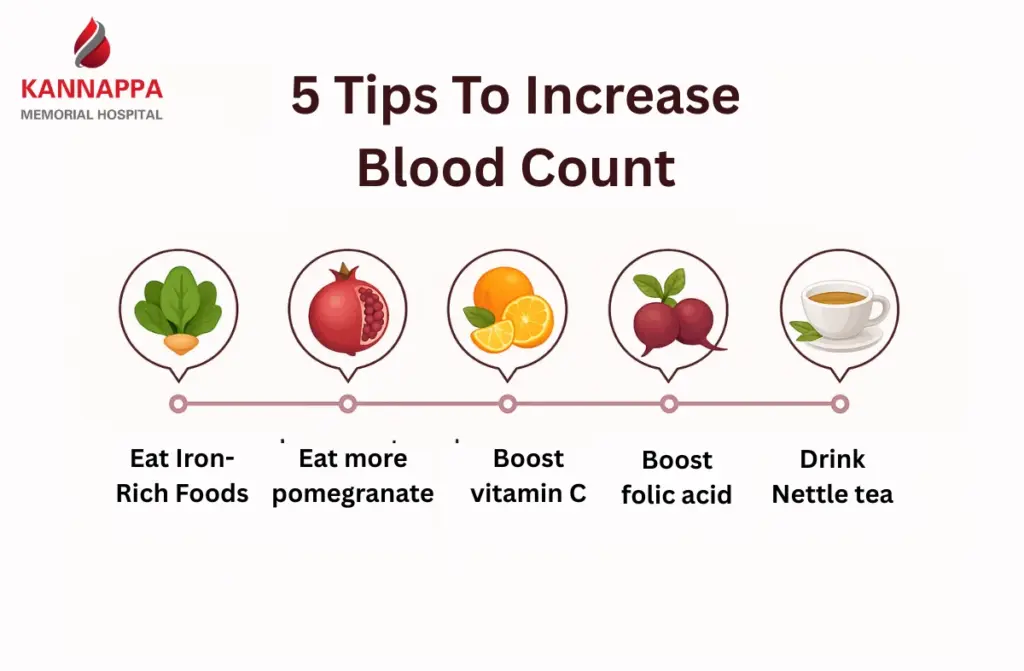
- Beetroot — a popular Indian remedy rich in iron and folate
If you follow a vegetarian or vegan diet, non-heme sources are your primary options. The key is pairing them strategically.
Vitamin C — Your Iron Absorption Booster
Vitamin C dramatically enhances the absorption of non-heme iron from plant foods. Including a vitamin C source at every iron-rich meal is a simple, powerful habit.
Excellent sources include oranges, lemon, amla (Indian gooseberry), guava, tomatoes, bell peppers, and strawberries.
Pro tip: Squeeze lemon over your dal or have a glass of orange juice with your spinach sabzi to maximize iron uptake.
Folate and Vitamin B12 — The Red Blood Cell Builders
Folate (B9) and vitamin B12 are both essential for the production and maturation of red blood cells. A deficiency in either of these nutrients can lead to megaloblastic anemia, a condition in which red blood cells become abnormally large and do not function properly.
- Folate-rich foods: Leafy greens, lentils, peanuts, avocados, broccoli, and whole grains.
- Vitamin B12 sources: Dairy products (milk, curd, paneer), eggs, fish, chicken, and fortified cereals. Those on a strict vegetarian diet are especially at risk of B12 deficiency and may need supplementation.
Supporting Nutrients — Copper and Vitamin A
Copper helps the body utilize iron efficiently. Find it in nuts, seeds, and shellfish. Vitamin A, found in carrots, sweet potatoes, and spinach, supports red blood cell development and complements iron metabolism.
Foods and Drinks to Avoid When Trying to Increase Blood Count
Knowing which foods and habits to limit is just as important as choosing the right foods for your diet.Certain foods and beverages actively interfere with iron absorption.
- Tea and coffee: Tannins bind to iron and prevent absorption. It is best to avoid consuming them during or right after meals.
- Excess calcium: High calcium intake (from dairy or supplements) during iron-rich meals competes with iron absorption.
- Alcohol: Regular alcohol consumption damages the gut lining and reduces the body’s ability to absorb and utilize nutrients.
- Highly processed foods: These are typically low in iron and micronutrients, offering little nutritional value for blood building.
Sample Daily Diet Plan to Increase Blood Count
Structuring your meals smartly can significantly accelerate improvement in hemoglobin levels.
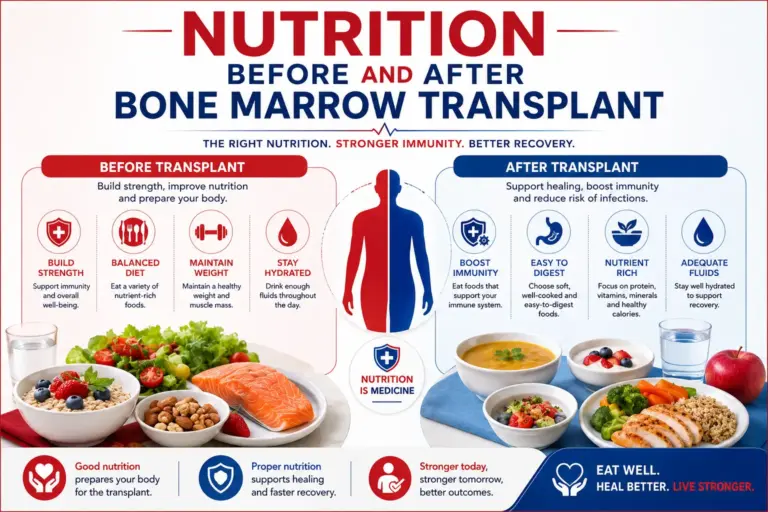
- Breakfast: Iron-rich smoothie (spinach + banana + dates + amla powder) or 2 boiled eggs with a glass of orange juice.
- Mid-Morning: A handful of pumpkin seeds or roasted chickpeas.
- Lunch: Spinach dal with brown rice + tomato and cucumber salad dressed with lemon.
- Evening Snack: 4–5 dates with a small portion of raisins, or a glass of fresh beetroot juice.
- Dinner: Grilled fish or chicken with sautéed leafy greens + a small serving of whole grain roti.
- Smart kitchen habit: Switch to cast iron cookware. Cooking acidic foods (like tomato-based curries) in cast iron pans measurably increases the iron content of the food.
Proven Home Remedies to Naturally Increase Blood Count
Several time-tested Indian home remedies have shown real value in supporting hemoglobin levels:
- Beetroot juice with lemon: Beets are rich in iron, folate, and nitrates that improve blood circulation. Adding lemon boosts vitamin C content, enhancing absorption. Drink daily on an empty stomach.
- Jaggery (Gur): A staple in Indian households, jaggery is a rich source of iron and can be taken with warm water, in sweets, or as a natural sweetener in beverages.
- Moringa (Drumstick leaves): A genuine superfood moringa leaves contain iron, calcium, vitamin C, and B vitamins that collectively support red blood cell production.
- Pomegranate juice: Rich in both iron and vitamin C, pomegranate is one of the most recommended fruits for increasing blood count naturally.
- Sesame seeds: Black sesame seeds, in particular, are dense in iron. Soaking them overnight and consuming in the morning as a paste with honey is a traditional remedy with nutritional backing.
- Copper-stored water: Drinking water stored overnight in a copper vessel is a traditional Indian practice believed to support mineral balance and improve iron utilization.
Lifestyle Changes That Support a Healthy Blood Count
Diet and remedies work best alongside consistent lifestyle habits.
- Exercise regularly: Moderate aerobic activity like walking, cycling, or yoga stimulates red blood cell production by increasing the body’s oxygen demand. Even 30 minutes of brisk walking daily makes a measurable difference.
- Stay well-hydrated: Adequate water intake supports healthy blood volume and circulation.
- Prioritize sleep: During deep sleep, the body helps regenerate and produce blood cells, making seven to nine hours of restful sleep important for overall health.
- Manage stress: Chronic stress elevates cortisol, which can suppress red blood cell production. Incorporate breathing exercises, meditation, or a hobby you enjoy.
- Avoid smoking and excess alcohol: Smoking reduces oxygen-carrying capacity in the blood, and alcohol interferes with nutrient metabolism both directly worsen hemoglobin levels.
Medical Treatments and Supplements
For moderate to severe deficiency, dietary changes alone may not be sufficient — or may take too long to produce results.
- Iron supplements are commonly prescribed in tablet, liquid, or injectable form. Side effects like constipation and nausea are manageable with the right dosage and timing. Never self-prescribe iron supplements — excessive iron can be harmful.
- Vitamin B12 injections or oral supplements are used when dietary intake is insufficient or absorption is impaired (as in pernicious anemia).
- Folic acid supplements are routinely recommended during pregnancy and in cases of folate-deficiency anemia.
- For severe or complex cases, medical treatment may include prescription erythropoiesis-stimulating agents (for kidney-related anemia), blood transfusions, or treatment of the underlying condition causing blood loss or suppression.
Diagnostic Tests for Low Blood Count
Accurate diagnosis is the foundation of successful treatment. Understanding why your blood count is low determines the right approach.
- Complete Blood Count (CBC): The first test ordered for suspected low hemoglobin. It measures red blood cells, white blood cells, platelets, and hemoglobin levels comprehensively.
- Serum Ferritin Test: Measures iron stores in the body ferritin levels drop before hemoglobin does, making this a critical early detection tool.
- Iron Studies (TIBC/Serum Iron): Evaluates how well your body transports and stores iron.
- Vitamin B12 and Folate Tests: Identifies nutritional anemia caused by B12 or folate deficiency.
Getting these tests done regularly especially if you belong to a high-risk group (women of reproductive age, vegetarians, elderly, pregnant women) is essential for staying ahead of the problem.
When Should You See a Doctor?
Do not wait for symptoms to become unbearable. Consult a doctor if you experience:
- Persistent fatigue that doesn’t improve with rest
- Breathlessness during routine activities
- Frequent dizziness or fainting
- Heavy menstrual bleeding (more than 7 days or soaking pads rapidly)
- Blood test results showing hemoglobin below 10 g/dL
- Symptoms that are not improving despite two to three months of dietary changes
Chest pain, severe weakness, or sudden fainting require emergency medical attention immediately.
Conclusion
Understanding how to increase blood count is not about relying on one superfood or quick fix. It requires a balanced approach that includes proper nutrition, healthy lifestyle habits, and timely medical attention. Adding iron-rich foods, pairing them with vitamin C, and avoiding foods that block iron absorption can naturally improve hemoglobin levels. Home remedies like beetroot juice and moringa may also support better blood health.
Most importantly, a Complete Blood Count (CBC) test can identify underlying issues early and guide the right treatment. Whether the cause is nutritional deficiency, hormonal imbalance, or a medical condition, accurate diagnosis is essential. For specialized care in Kannappa Memorial Hospital, patients can access advanced diagnostic services and experienced hematologists focused on improving blood health, boosting energy levels, and supporting overall well-being.
Read Also: Best Blood Cancer Hospital in Chennai