Vitamin deficiency anemia is a condition that develops when the body does not have enough essential vitamins needed to produce healthy red blood cells. Without adequate red blood cells, the body cannot carry sufficient oxygen to tissues and organs, leading to symptoms such as fatigue, weakness, dizziness, and shortness of breath. The condition commonly occurs due to deficiencies in vitamin B12, folate (vitamin B9), or sometimes vitamin C.
This type of anemia can affect people of all ages, but it is more common in older adults, individuals with poor nutrition, digestive disorders, strict vegetarian diets, alcohol dependence, or conditions that interfere with nutrient absorption. Early diagnosis and proper treatment are important because untreated vitamin deficiency anemia may lead to serious complications, including nerve damage and long term health problems. With proper nutrition, medical care, and lifestyle changes, most cases can be effectively treated and prevented.
What is Vitamin Deficiency Anemia?
Vitamin deficiency anemia occurs when the body lacks sufficient vitamins required for healthy red blood cell production. Red blood cells are responsible for transporting oxygen throughout the body. When vitamin levels become too low, the bone marrow cannot produce normal red blood cells efficiently.
As a result, red blood cells may become unusually large, weak, or unable to function properly. This reduces oxygen delivery to body tissues and causes symptoms associated with anemia.
The most common vitamin deficiencies linked to anemia include:
- Vitamin B12 deficiency
- Folate deficiency
- Vitamin C deficiency
Each type affects the body differently but can lead to reduced energy levels and poor overall health.
Types of Vitamin Deficiency Anemia
Vitamin B12 Deficiency Anemia
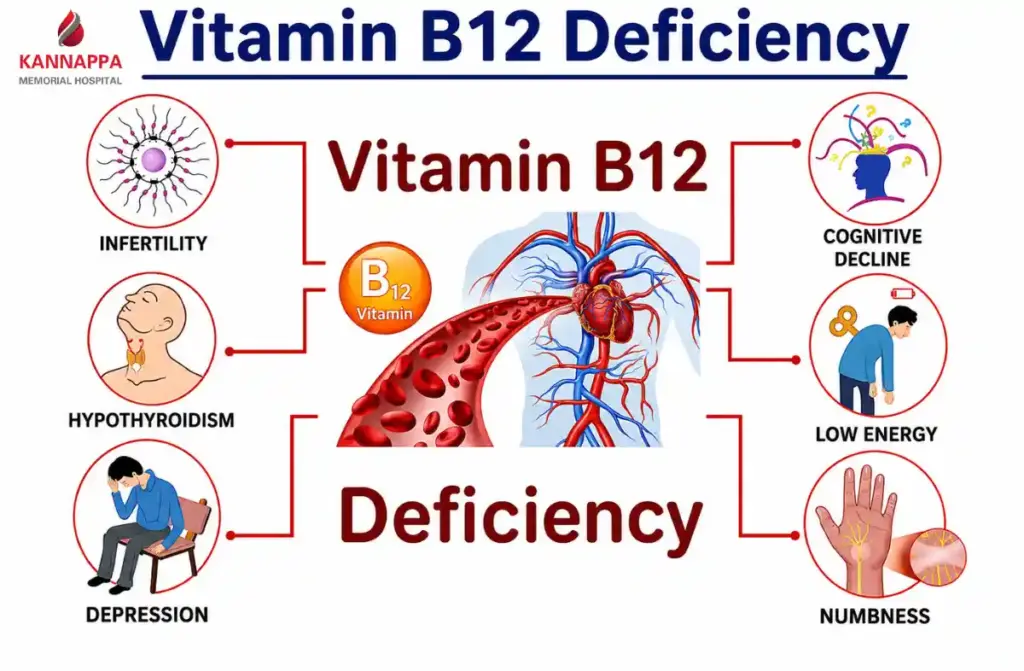
- Vitamin B12 deficiency anemia develops when the body lacks enough vitamin B12 to produce healthy red blood cells. Vitamin B12 is also essential for nerve function and brain health. Deficiency may occur due to poor dietary intake, digestive disorders, or conditions that affect absorption such as pernicious anemia.
- This condition is more common in older adults, strict vegetarians, and individuals with stomach or intestinal disorders.
Folate Deficiency Anemia
- Folate deficiency anemia occurs when the body does not get enough folate, also known as vitamin B9. Folate is important for DNA production and healthy cell growth.
- Poor diet, alcohol misuse, pregnancy, digestive disorders, or certain medications may reduce folate levels. Pregnant women especially require adequate folate to support healthy fetal development.
Vitamin C Deficiency Anemia
- Vitamin C helps the body absorb iron from food and supports healthy tissue repair. Severe vitamin C deficiency can contribute to anemia by reducing iron absorption and causing bleeding problems.
- Although less common today, it may occur in people with poor nutrition, smoking habits, or chronic illnesses.
Causes of Vitamin Deficiency Anemia
Several factors can contribute to vitamin deficiency anemia.
Poor Dietary Intake
- A diet lacking essential nutrients is one of the most common causes. People who consume limited fruits, vegetables, dairy products, eggs, meat, or fortified foods may develop deficiencies over time.
- Strict vegan diets without proper supplementation can increase the risk of vitamin B12 deficiency.
Digestive Disorders
Certain medical conditions interfere with nutrient absorption in the stomach or intestines. These include: Crohn’s disease, Celiac disease, Ulcerative colitis, Gastric surgery, Chronic pancreatitis When nutrients are not absorbed properly, vitamin levels gradually decline.
Pernicious Anemia
Pernicious anemia is an autoimmune condition where the body cannot absorb vitamin B12 properly because it lacks intrinsic factor, a protein needed for B12 absorption. Without treatment, this condition may lead to severe anemia and nerve damage.
Pregnancy
Pregnant women require increased amounts of folate to support fetal growth and development. Inadequate intake during pregnancy may lead to folate deficiency anemia.
Certain Medications
Some medications may affect vitamin absorption or metabolism, including: Antacids, Metformin, Anti seizure medications, Chemotherapy drugs. Long term use may increase the risk of deficiency.
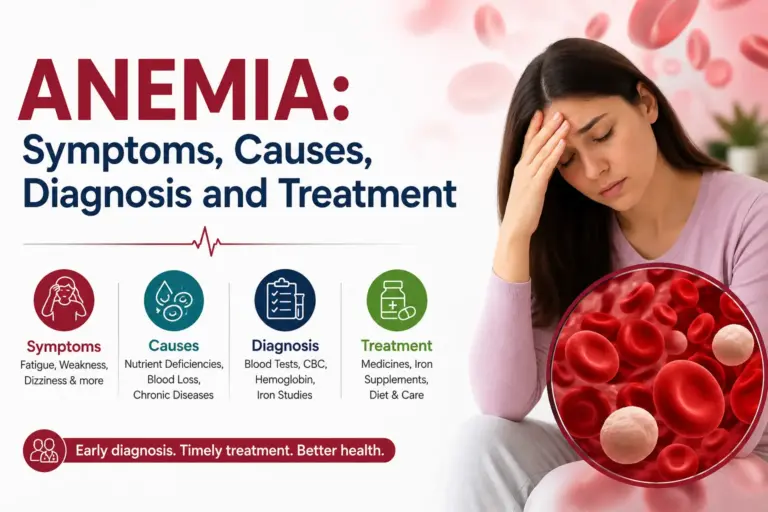
Symptoms of Vitamin Deficiency Anemia
Symptoms often develop gradually and may worsen over time if left untreated.
- Fatigue and Weakness: Low oxygen delivery to body tissues often causes persistent tiredness, weakness, and reduced stamina during daily activities.
- Pale Skin: Reduced red blood cell levels may cause the skin, lips, or nail beds to appear pale.
- Shortness of Breath: Patients may feel breathless during physical activity because the body struggles to supply enough oxygen.
- Dizziness and Headaches: Reduced oxygen circulation may lead to dizziness, lightheadedness, or frequent headaches.
- Rapid Heartbeat: The heart may work harder to compensate for low oxygen levels, causing palpitations or a fast heartbeat.
Symptoms Specific to Vitamin B12 Deficiency
Vitamin B12 deficiency may also affect the nervous system.
- Numbness and Tingling: Patients may experience tingling sensations or numbness in the hands and feet.
- Balance Problems: Difficulty walking, poor coordination, or balance issues may develop over time.
- Memory and Mood Changes: Confusion, forgetfulness, depression, or irritability can occur in severe cases.
How Vitamin Deficiency Anemia is Diagnosed
Doctors diagnose vitamin deficiency anemia through a combination of medical history evaluation, physical examination, and laboratory testing. Blood tests are commonly used to check hemoglobin levels, red blood cell size, vitamin B12 levels, folate levels, and iron levels to identify the exact cause of anemia. A peripheral blood smear may also be performed, where blood cells are examined under a microscope to detect unusually large or abnormal red blood cells. In some cases, additional tests may be recommended to identify nutrient absorption problems or underlying medical conditions that could be contributing to the deficiency.
Treatment for Vitamin Deficiency Anemia
Treatment depends on the type and severity of the deficiency.
Dietary Improvements
Eating vitamin rich foods is an important part of treatment.
Vitamin B12 Sources
- Fish
- Meat
- Eggs
- Dairy products
- Fortified cereals
Folate Sources
- Green leafy vegetables
- Beans
- Citrus fruits
- Lentils
- Avocados
Vitamin C Sources
- Oranges
- Tomatoes
- Strawberries
- Bell peppers
- Broccoli
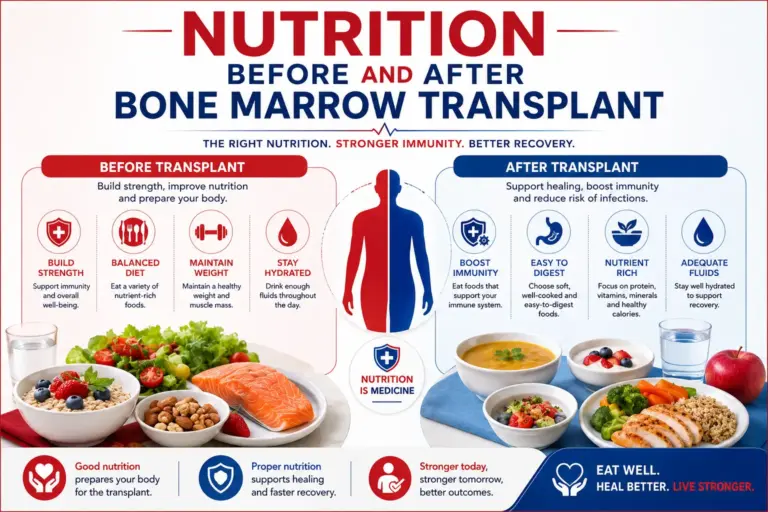
Balanced nutrition supports healthy blood cell production and recovery.
Vitamin Supplements
- Doctors may recommend oral vitamin supplements to restore normal levels.
- Patients with severe deficiencies may require higher doses initially before switching to maintenance therapy.
Vitamin B12 Injections
- Individuals with absorption problems or pernicious anemia may need vitamin B12 injections because oral supplements may not be absorbed properly.
- Regular injections help prevent complications and maintain healthy vitamin levels.
Treating Underlying Conditions
Managing digestive disorders, alcohol misuse, or medication related issues is essential for long term recovery and prevention.
Complications of Untreated Vitamin Deficiency Anemia
Without treatment, vitamin deficiency anemia may lead to serious health problems.
- Neurological Damage: Long term vitamin B12 deficiency can cause permanent nerve damage affecting movement, sensation, and memory.
- Heart Problems: Severe anemia may strain the heart and increase the risk of irregular heartbeat or heart complications.
- Pregnancy Complications: Folate deficiency during pregnancy may increase the risk of birth defects and premature delivery.
- Weakened Immunity: Poor nutrition and anemia can weaken the immune system and increase susceptibility to infections.
Prevention of Vitamin Deficiency Anemia
Many cases can be prevented through healthy lifestyle habits and proper nutrition.
- Eat a Balanced Diet: A diet rich in fruits, vegetables, whole grains, lean proteins, and fortified foods helps maintain healthy vitamin levels.
- Regular Health Checkups: Routine blood tests may help detect vitamin deficiencies early before severe symptoms develop.
- Manage Medical Conditions: Proper treatment of digestive disorders and chronic illnesses supports better nutrient absorption.
- Take Supplements When Needed: Pregnant women, older adults, and strict vegetarians may benefit from doctor recommended vitamin supplements.
When to see a Doctor
Seek medical attention if you experience:
- Persistent fatigue
- Weakness
- Shortness of breath
- Numbness or tingling
- Pale skin
- Dizziness
- Difficulty concentrating
Early diagnosis improves treatment outcomes and helps prevent long term complications.
Conclusion
Vitamin deficiency anemia is a common but treatable condition caused by inadequate levels of essential vitamins needed for healthy red blood cell production. Deficiencies in vitamin B12, folate, or vitamin C can affect energy levels, nerve function, and overall health if left untreated.
Proper nutrition, timely diagnosis, vitamin supplementation, and management of underlying conditions play important roles in recovery. With early treatment and regular medical care, most people can successfully restore healthy blood cell levels and prevent serious complications.