

Cancer spread to bones, also known as bone metastasis or metastatic bone disease, occurs when cancer cells from another part of the body travel to the bones. It is not considered bone cancer that starts in the bone itself. Instead, it develops when cancers such as breast, lung, prostate, thyroid, or kidney cancer spread through the bloodstream or lymphatic system and settle in the bones.
Bone metastasis can weaken the bones, cause pain, and affect mobility and quality of life. The spine, pelvis, ribs, arms, and legs are among the most commonly affected areas. Early diagnosis and proper treatment are important to control symptoms, slow disease progression, and prevent complications such as fractures or nerve compression. Advances in cancer treatment now help many patients manage bone metastases more effectively and maintain a better quality of life for longer periods.
What does it Mean when Cancer Spreads to Bones?
When cancer spreads to bones, cancer cells break away from the original tumor and travel to the skeletal system. These cells continue growing inside the bone and interfere with normal bone structure and function.
Healthy bones constantly rebuild and repair themselves through a balance between bone formation and breakdown. Metastatic cancer disrupts this process, causing bones to become either weak and fragile or abnormally dense and painful.
Bone metastases are more common in advanced stages of cancer, but early treatment can help control symptoms and reduce complications.
Common Cancers that Spread to Bones
Certain cancers are more likely to spread to bones than others.
- Breast Cancer: Breast cancer is one of the most common cancers associated with bone metastasis. Cancer cells often spread to the spine, ribs, pelvis, and long bones.
- Prostate Cancer: Prostate cancer frequently spreads to bones, particularly the spine and pelvis. It often causes abnormal bone formation and severe pain.
- Lung Cancer: Lung cancer may spread rapidly to bones and can lead to fractures or severe discomfort.
- Kidney Cancer: Kidney cancer can weaken bones significantly and increase the risk of bone destruction.
- Thyroid Cancer: Although less common, thyroid cancer may also spread to bones and affect mobility and bone strength.
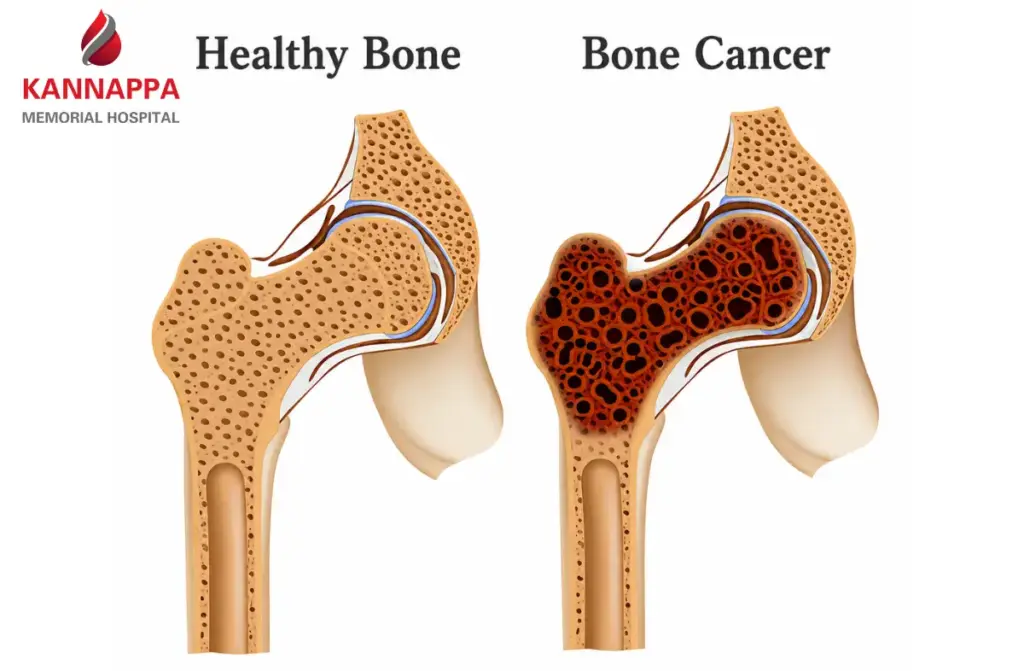
Symptoms of Cancer Spread to Bones
Symptoms may vary depending on the location and severity of bone involvement.
- Bone Pain: Persistent bone pain is the most common symptom. The pain may worsen at night or during movement and gradually become more severe over time.
- Weak Bones and Fractures: Cancer can weaken bones, making them more likely to break even with minor injuries or normal daily activities.
- Swelling and Tenderness: Some patients develop swelling, tenderness, or discomfort around the affected bone area.
- Difficulty Walking or Moving: Bone metastases in the legs, hips, or spine may reduce mobility and interfere with daily activities.
Nerve Compression Symptoms
If cancer spreads to the spine, it may compress nearby nerves or the spinal cord.
Symptoms may include:
- Numbness
- Weakness
- Tingling sensations
- Difficulty controlling bladder or bowel function
Spinal cord compression is a medical emergency and requires immediate treatment.
High Calcium Levels
Bone damage may release excess calcium into the bloodstream, causing:
- Nausea
- Constipation
- Excessive thirst
- Fatigue
- Confusion
This condition is known as hypercalcemia and requires urgent medical care.
How Cancer Spreads to Bones
- Cancer cells can separate from the primary tumor and enter the bloodstream or lymphatic system. Once they reach the bones, they begin multiplying and disrupt normal bone activity.
- Some cancers release substances that stimulate excessive bone breakdown, while others trigger abnormal bone formation. Both processes can damage bone strength and function.
- The spine, pelvis, ribs, skull, and upper leg bones are among the most commonly affected sites because they contain rich blood supply and active bone marrow.
Diagnosis of Bone Metastasis
Doctors use a combination of clinical evaluation and diagnostic tests to confirm whether cancer has spread to the bones. The process usually begins with a physical examination, where the doctor checks for symptoms such as persistent bone pain, swelling, weakness, tenderness, or difficulty with movement. Imaging tests including X-rays, CT scans, MRI scans, PET scans, and bone scans are commonly used to detect bone abnormalities, fractures, spinal involvement, or areas affected by metastatic cancer. Blood tests may also help identify high calcium levels or other markers linked to bone damage. In certain cases, a bone biopsy may be recommended, where a small sample of bone tissue is removed and examined to confirm the diagnosis and determine the exact type of cancer.
Treatment for Cancer Spread to Bones
Treatment focuses on controlling cancer growth, relieving symptoms, and preventing complications.
- Medications: Several medications help manage bone metastases.
- Pain Medications: Doctors may prescribe pain relievers ranging from mild medications to stronger opioids depending on pain severity.
- Bone-Strengthening Drugs: Drugs such as bisphosphonates or denosumab help reduce bone damage, lower fracture risk, and decrease bone pain.
- Chemotherapy: Chemotherapy targets cancer cells throughout the body and may help shrink bone metastases.
- Hormone Therapy: Certain cancers such as breast and prostate cancer respond well to hormone therapy, which slows cancer growth.
Targeted Therapy and Immunotherapy
Advanced cancer treatments may help control metastatic disease more effectively in some patients.
Radiation Therapy
Radiation therapy is commonly used to relieve bone pain and reduce tumor size. Targeted radiation can strengthen weakened bones and improve mobility, especially when only a few areas are affected.
Surgery for Bone Metastasis
Surgery may be recommended when bones become severely weakened or fractured.
Surgical Goals Include:
- Stabilizing bones
- Repairing fractures
- Relieving spinal cord compression
- Improving mobility
Metal rods, plates, screws, or joint replacements may be used to support damaged bones.
Rehabilitation and Supportive Care
Rehabilitation helps patients maintain strength, independence, and quality of life.
- Physical Therapy: Physical therapy improves movement, balance, and muscle strength while reducing the risk of falls.
- Pain Management Support: Pain specialists help patients manage chronic discomfort using medications, nerve blocks, or supportive therapies.
- Nutritional Support: Healthy nutrition supports strength, immunity, and overall recovery during cancer treatment.
Complications of Bone Metastasis
Bone metastases may lead to several serious complications if untreated.
- Pathological Fractures: Bones weakened by cancer may break easily even without major trauma.
- Spinal Cord Compression: Tumors affecting the spine can compress nerves and lead to paralysis if not treated quickly.
- Hypercalcemia: Excess calcium released from damaged bones may affect the kidneys, heart, and brain.
- Reduced Mobility: Pain and fractures can significantly limit independence and daily activities.
Can Bone Metastasis be Cured?
In many cases, cancer spread to bones is considered advanced cancer and may not be completely curable. However, treatment can often control the disease for extended periods, reduce symptoms, and improve quality of life.
Some patients live for many years with bone metastases through ongoing treatment and supportive care.
Outcomes depend on:
- Type of primary cancer
- Number of bones affected
- Response to treatment
- Overall health condition
Preventing Bone Complications
Patients with advanced cancers may reduce bone-related complications through regular medical care and monitoring.
Helpful Preventive Measures Include:
- Early cancer treatment
- Bone-strengthening medications
- Regular imaging tests
- Physical activity as advised by doctors
- Fall prevention strategies
- Proper nutrition
When to See a Doctor
Seek medical attention if you experience:
- Persistent bone pain
- Sudden fractures
- Weakness or numbness
- Difficulty walking
- Loss of bladder or bowel control
- Severe back pain
- Unexplained swelling
Early evaluation helps prevent serious complications and supports better treatment outcomes.
Conclusion
Cancer spread to bones is a serious condition that occurs when cancer cells travel from the original tumor site to the skeletal system. Bone metastases can cause pain, fractures, nerve compression, and mobility problems, but modern treatment options help many patients manage symptoms effectively and maintain quality of life.
Early diagnosis, proper medical care, pain management, rehabilitation, and supportive therapies all play important roles in improving outcomes. With advancements in cancer treatment, many individuals with bone metastases are able to live longer and more comfortably while continuing daily activities and supportive care.