
Receiving a blood test report that shows a high white blood cell (WBC) count can be worrying, especially if you were not expecting any abnormalities. Many people immediately fear that something serious is wrong, but in reality, an elevated WBC count does not always indicate a severe illness. In many cases, it simply reflects your immune system responding to an infection, inflammation, physical stress, or another temporary condition.
White blood cells play a vital role in protecting the body against bacteria, viruses, fungi, parasites, and other harmful substances. When the immune system detects a threat, the bone marrow often produces and releases more white blood cells into the bloodstream to help fight it. This increase is known as leukocytosis.
While temporary elevations are often harmless and return to normal once the underlying cause is resolved, persistently high WBC counts or extremely elevated levels may require further evaluation to rule out chronic inflammatory conditions, immune disorders, or blood-related diseases.
In this article, we’ll explain what a high white blood cell count means, why it occurs, its symptoms, common causes, diagnostic approach, treatment options, and when medical attention is necessary.
What Does a High White Blood Cell Count Mean?
A high white blood cell count, medically known as leukocytosis, refers to an increase in the number of white blood cells circulating in the bloodstream above the normal range. Rather than being a disease itself, leukocytosis is considered a clinical finding that signals your body’s response to an underlying condition.
White blood cells are an essential part of the immune system. They constantly circulate through the blood and tissues, identifying and destroying bacteria, viruses, fungi, parasites, and abnormal cells. Whenever the body encounters an infection, injury, inflammation, or other form of stress, the bone marrow responds by producing and releasing additional white blood cells to strengthen the body’s defenses.
Although infections are among the most common reasons for an elevated WBC count, they are certainly not the only cause. Physical stress, emotional stress, pregnancy, certain medications, smoking, autoimmune diseases, allergic reactions, and even intense exercise can temporarily increase white blood cell levels. In less common situations, persistent leukocytosis may be associated with bone marrow disorders or certain blood cancers, highlighting the importance of proper medical evaluation.
What a High WBC Count May Indicate
- An active immune response: The most common reason for leukocytosis is that the immune system is fighting an infection or responding to inflammation somewhere in the body.
- A temporary physiological change: Situations such as strenuous exercise, emotional stress, pregnancy, or recovery after surgery can briefly raise white blood cell levels without indicating serious illness.
- An underlying medical condition: Autoimmune diseases, chronic inflammatory disorders, allergies, or certain medications may also contribute to elevated WBC counts.
- A need for further investigation: When the elevation is persistent, unusually high, or accompanied by concerning symptoms, additional tests may be needed to identify the underlying cause.
Clinical Insight: A high white blood cell count should never be interpreted in isolation. Doctors evaluate your symptoms, medical history, physical examination findings, and other laboratory results before determining whether the elevation is temporary or requires further investigation.
Normal WBC Range and Variations
White blood cell counts naturally vary depending on a person’s age, overall health, and certain physiological conditions. Although laboratories may use slightly different reference ranges, most healthy adults have a WBC count between 4,000 and 11,000 cells per microliter (cells/µL) of blood.
Temporary fluctuations are common and often occur during pregnancy, physical exertion, emotional stress, or recovery from illness. These mild increases are usually short-lived and do not necessarily indicate disease.
| Population | Normal White Blood Cell Count (cells/µL) |
| Newborns | 9,000–30,000 |
| Children | 5,000–15,000 |
| Adults | 4,000–11,000 |
| Pregnancy | Mild physiological elevation may occur |
It’s also important to remember that a “normal” value may differ slightly from one laboratory to another due to variations in testing methods. For this reason, healthcare providers always interpret blood test results within the context of the laboratory’s reference range and the individual’s overall health.
Types of Leukocytosis
Not all white blood cell elevations are the same. Leukocytosis is classified according to which type of white blood cell is increased, and this distinction provides valuable clues about the underlying condition.
Understanding the specific type of leukocytosis helps doctors narrow down possible causes and determine whether additional investigations are needed.
Neutrophilia
Neutrophilia is the most common type of leukocytosis and occurs when the number of neutrophils—the body’s primary bacteria-fighting white blood cells—increases.
It is commonly associated with:
- Bacterial infections: Conditions such as pneumonia, urinary tract infections, appendicitis, or skin infections often stimulate the bone marrow to produce more neutrophils.
- Inflammation or tissue injury: Burns, trauma, surgery, or heart attacks can trigger neutrophilia as part of the body’s healing response.
- Certain medications: Corticosteroids and some other medications may temporarily increase circulating neutrophil levels.
Lymphocytosis
Lymphocytosis refers to an increased number of lymphocytes, which play a crucial role in defending the body against viruses and supporting long-term immune memory.
Common causes include:
- Viral infections: Influenza, infectious mononucleosis, COVID-19, and other viral illnesses commonly cause lymphocytosis.
- Chronic infections: Some long-standing infections stimulate prolonged lymphocyte production.
- Certain blood disorders: Persistent or marked lymphocytosis may require evaluation for underlying hematologic conditions.
Monocytosis
Monocytes help remove damaged cells, dead tissue, and infectious organisms from the body while supporting tissue repair.
Monocytosis may occur in:
- Chronic infections: Tuberculosis and certain fungal infections are well-known causes.
- Autoimmune diseases: Conditions such as rheumatoid arthritis and inflammatory bowel disease may elevate monocyte levels.
- Recovery from acute infections: Monocyte counts often rise during the healing phase after an infection begins to resolve.
Eosinophilia
Eosinophils play an important role in allergic reactions and protection against parasites.
Common causes include:
- Allergic conditions: Asthma, allergic rhinitis, eczema, and drug allergies frequently increase eosinophil levels.
- Parasitic infections: Certain intestinal parasites stimulate eosinophil production.
- Some autoimmune or inflammatory disorders: Less commonly, eosinophilia may occur in specific immune-related diseases.
Basophilia
Basophilia is the least common type of leukocytosis and involves an increase in basophils, cells that participate in allergic responses and inflammatory reactions.
Possible causes include:
- Chronic inflammatory conditions
- Certain endocrine disorders
- Bone marrow disorders, including some forms of leukemia and other myeloproliferative diseases
Although basophilia is uncommon, persistent elevations often require further evaluation by a healthcare professional.
Causes of High White Blood Cell Count
A high white blood cell count can result from many different conditions, ranging from temporary immune responses to chronic medical disorders. Identifying the underlying cause is one of the most important steps in determining whether treatment is necessary.
Infections
Infections are the leading cause of leukocytosis. When bacteria, viruses, fungi, or parasites enter the body, the immune system rapidly increases white blood cell production to help eliminate the invading organisms.
The degree of elevation often depends on the type and severity of the infection.
Inflammatory Conditions
Inflammation caused by injuries, burns, surgery, or chronic diseases stimulates the release of chemical messengers that encourage the bone marrow to produce additional white blood cells.
This response supports tissue repair while helping control inflammation.
Autoimmune Diseases
In autoimmune disorders, the immune system mistakenly attacks healthy tissues, resulting in chronic inflammation and increased white blood cell production.
Conditions such as rheumatoid arthritis, lupus, and inflammatory bowel disease may cause persistent leukocytosis during active disease.
Physical or Emotional Stress
The body’s stress response temporarily releases stored white blood cells into the bloodstream.
Situations such as major surgery, severe emotional stress, intense exercise, seizures, or significant trauma can produce short-term increases that usually normalize once the stress resolves.
Certain Medications
Some medications stimulate white blood cell production or cause white blood cells to move from body tissues into the bloodstream.
Examples include:
- Corticosteroids
- Epinephrine
- Lithium
- Certain colony-stimulating factors used during cancer treatment
Smoking
Long-term cigarette smoking is associated with chronic low-grade inflammation, which may contribute to persistently elevated white blood cell counts.
Pregnancy
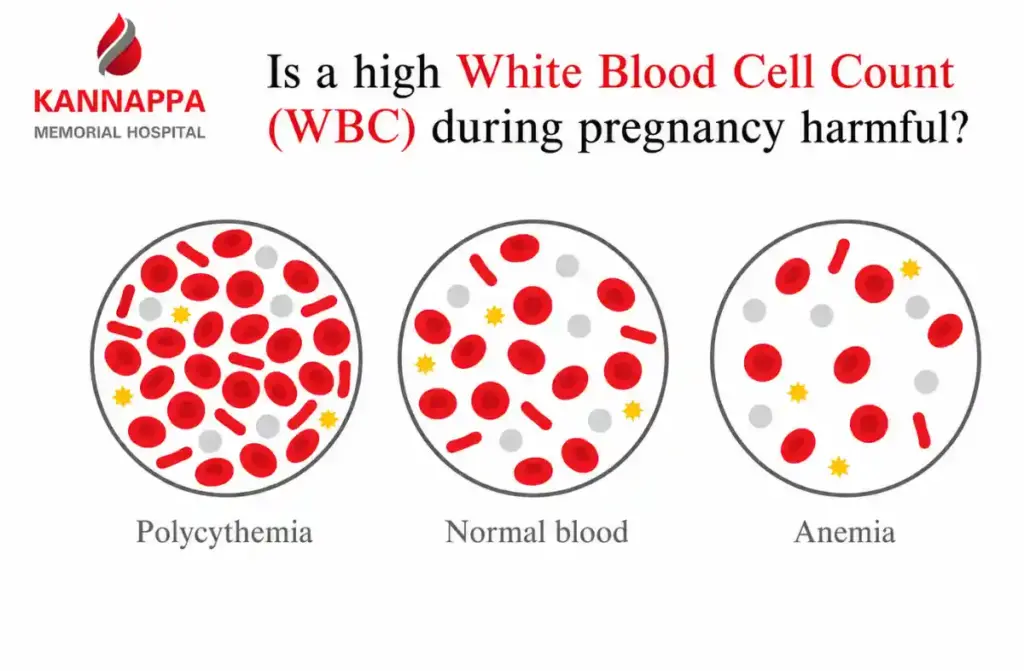
Pregnancy naturally places increased demands on the immune system. Mild leukocytosis, particularly during the later stages of pregnancy and labor, is considered a normal physiological finding in many healthy women.
Bone Marrow Disorders
Diseases affecting the bone marrow may interfere with the normal production and regulation of white blood cells, resulting in persistently elevated counts.
Examples include myeloproliferative disorders and other bone marrow abnormalities.
Leukemia and Other Blood Cancers
Although much less common than infections, certain leukemias and blood cancers can cause extremely high or persistent white blood cell counts.
These conditions often require specialized investigations and treatment by a hematologist.
Clinical Insight: Most cases of leukocytosis are caused by common conditions such as infections or inflammation—not cancer. However, persistent elevations, extremely high counts, or accompanying symptoms such as unexplained weight loss, persistent fever, or night sweats should always be evaluated by a healthcare professional.
Pathophysiology: Why Does Leukocytosis Occur?
Leukocytosis develops because the immune system is designed to respond quickly whenever the body detects infection, injury, inflammation, or other forms of physiological stress.
When harmful microorganisms or damaged tissues trigger the immune response, specialized immune cells release chemical messengers called cytokines and growth factors. These signaling molecules travel to the bone marrow, stimulating it to produce and release additional white blood cells into the bloodstream.
In acute conditions such as bacterial infections, this response happens rapidly to provide immediate protection. During chronic inflammatory diseases or ongoing immune activation, white blood cell production may remain elevated for a prolonged period.
In certain bone marrow disorders, however, the normal regulation of blood cell production is disrupted, resulting in persistently increased white blood cell counts even in the absence of infection.
Simply put, leukocytosis is the body’s attempt to strengthen its defenses—but understanding why that response has occurred is essential for determining the appropriate treatment.
Symptoms of High White Blood Cell Count
A high white blood cell count itself usually does not cause symptoms. Instead, the symptoms most people experience are related to the underlying condition responsible for the elevated count.
For example, someone with pneumonia may develop fever and cough, while a person with an autoimmune disease may experience joint pain and fatigue. Recognizing these associated symptoms helps doctors identify the cause of leukocytosis more accurately.
- Recurrent or Persistent Infections: Frequent infections despite an elevated white blood cell count may indicate that the immune system is not functioning normally and should be assessed by a healthcare professional.
- Fever: A persistent or high fever is one of the most common signs of infection, which remains the leading cause of elevated white blood cell counts.
- Fatigue and Weakness: The body’s increased immune activity requires significant energy, leaving many people feeling unusually tired or lacking their normal stamina.
- Swollen Lymph Nodes: Lymph nodes may enlarge as they filter infectious organisms and activate immune cells during an infection or inflammatory condition.
- Night Sweats: Excessive sweating during sleep may occur with certain infections, inflammatory diseases, or blood disorders and should not be ignored if persistent.
- Unexplained Weight Loss: Gradual, unintended weight loss may indicate a chronic infection, autoimmune disease, or, less commonly, an underlying blood disorder requiring further evaluation.
- Easy Bruising or Bleeding: Although not caused by leukocytosis itself, bruising or unusual bleeding may occur when elevated white blood cell counts are associated with certain bone marrow disorders.
- Shortness of Breath or Persistent Cough: Respiratory infections or inflammatory lung conditions that increase white blood cell production may also cause breathing difficulties or a prolonged cough.
Diagnosis and Investigations
A high white blood cell count is not a diagnosis by itself—it is a laboratory finding that prompts healthcare providers to look for the underlying cause. While infections are the most common reason for leukocytosis, doctors also consider inflammation, medications, autoimmune diseases, bone marrow disorders, and other medical conditions before reaching a diagnosis.
A thorough evaluation combines your symptoms, medical history, physical examination, and laboratory investigations to determine why the white blood cell count is elevated.
Medical History
The evaluation usually begins with a detailed discussion about your symptoms, recent illnesses, medications, and overall health.
Your doctor may ask about:
- Recent infections or fever: These often point toward bacterial or viral illnesses that stimulate white blood cell production.
- Current medications: Certain drugs, particularly corticosteroids and lithium, can temporarily increase WBC levels.
- Chronic medical conditions: Autoimmune diseases, inflammatory disorders, or previous blood disorders provide valuable diagnostic clues.
- Lifestyle factors: Smoking, recent surgery, intense exercise, or emotional stress may contribute to temporary leukocytosis.
Physical Examination
A comprehensive physical examination helps identify signs of infection, inflammation, or other underlying conditions.
Your healthcare provider may assess:
- Body temperature and vital signs to detect infection or systemic illness.
- Lymph nodes for swelling that may suggest infection or blood disorders.
- Heart and lungs for signs of respiratory or cardiovascular infections.
- Abdomen to evaluate the liver and spleen, which may enlarge in certain hematologic conditions.
- Skin and joints for rashes, swelling, or inflammation associated with autoimmune diseases.
Complete Blood Count (CBC) with Differential
A CBC with differential is the most important investigation for evaluating leukocytosis.
It provides information about:
- The total white blood cell count.
- The number of each type of white blood cell.
- Red blood cell and platelet counts.
- Whether one particular white blood cell type is predominantly elevated.
The differential count often provides valuable clues regarding the likely underlying cause.
Peripheral Blood Smear
A peripheral blood smear involves examining blood cells under a microscope.
This test helps identify:
- Immature white blood cells.
- Abnormal cell shapes.
- Signs of leukemia or other blood disorders.
- Evidence of severe infections.
Additional Blood Tests
Depending on your symptoms, your doctor may recommend additional investigations such as:
- Inflammatory markers (ESR and CRP) to assess ongoing inflammation.
- Blood cultures when a bloodstream infection is suspected.
- Liver and kidney function tests to evaluate overall health.
- Autoimmune markers if an immune-mediated condition is suspected.
Imaging Studies
Imaging tests may be recommended when the source of infection or inflammation is not immediately obvious.
These may include:
- Chest X-rays for suspected pneumonia.
- Ultrasound examinations for abdominal infections.
- CT or MRI scans to identify hidden abscesses, tumors, or inflammatory conditions.
Bone Marrow Examination
If blood tests suggest a bone marrow disorder or leukemia, a bone marrow aspiration and biopsy may be performed.
Although this investigation is only necessary in selected cases, it provides detailed information about blood cell production and helps diagnose various hematologic diseases.
Clinical Insight: Most people with a mildly elevated white blood cell count do not require extensive testing. The need for additional investigations depends on your symptoms, physical examination findings, and whether the elevated count persists over time.
Clinical Interpretation
A high white blood cell count should always be interpreted in context. The number alone cannot determine whether the cause is minor or serious. Doctors consider the degree of elevation, the type of white blood cells involved, associated symptoms, medical history, and other laboratory findings before making a diagnosis.
| White Blood Cell Count | Possible Clinical Interpretation |
| Mild elevation | Often seen with minor infections, stress, pregnancy, or temporary inflammation |
| Moderate elevation | May indicate significant infection, inflammatory disease, or medication effects |
| Marked elevation | Requires careful evaluation for severe infection, chronic inflammation, or blood disorders |
| Extremely high elevation | May suggest leukemia or another serious hematologic condition and requires urgent medical assessment |
Absolute vs Relative increase:
- Absolute increase: True rise in the total number of white blood cells in circulation.
- Relative increase: The total WBC count may be normal, but one type of WBC is higher compared to others due to a shift in proportions.
Pattern of WBC elevation:
The type of WBC that is increased helps in diagnosis. For example:
- Neutrophilia → bacterial infection
- Lymphocytosis → viral infection
- Eosinophilia → allergy or parasitic infection
This pattern recognition is important for identifying the underlying cause of leukocytosis.
It is also important to remember that the differential white blood cell count is often more informative than the total count alone. For example, elevated neutrophils commonly suggest bacterial infections, whereas increased lymphocytes are more frequently associated with viral illnesses.
A single abnormal result should never be interpreted without considering the complete clinical picture. In many cases, repeat testing after recovery from an illness shows that the white blood cell count has returned to normal.
Treatment and Management
Treatment for a high white blood cell count focuses on addressing the underlying cause rather than lowering the WBC count itself. Once the condition responsible for leukocytosis improves, the white blood cell count usually returns to its normal range.
The treatment approach varies depending on the diagnosis.
Treating Infections
Since infections are the most common cause of leukocytosis, treating the infection often restores normal white blood cell levels.
Management may include:
- Antibiotics for confirmed bacterial infections.
- Antiviral medications for selected viral illnesses when indicated.
- Antifungal or antiparasitic medications for fungal or parasitic infections.
- Supportive care, including adequate hydration, rest, and fever management.
Managing Inflammatory and Autoimmune Diseases
When chronic inflammation is responsible for elevated white blood cell counts, treatment focuses on controlling the underlying disease.
Depending on the condition, management may involve:
- Anti-inflammatory medications.
- Corticosteroids.
- Disease-modifying medications.
- Biologic therapies for autoimmune disorders.
Effective disease control often leads to gradual normalization of the white blood cell count.
Reviewing Medications
Certain medications can temporarily increase white blood cell levels.
If medication-induced leukocytosis is suspected, your doctor may:
- Review your current prescriptions.
- Adjust dosages when appropriate.
- Recommend alternative medications if necessary.
Never stop taking prescribed medication without consulting your healthcare provider.
Treating Blood Disorders
When leukocytosis is caused by leukemia or another bone marrow disorder, treatment is guided by a hematologist and depends on the specific diagnosis.
Management may include:
- Targeted therapies.
- Chemotherapy.
- Immunotherapy.
- Bone marrow or stem cell transplantation in selected patients.
Early diagnosis plays a crucial role in improving treatment outcomes.
Lifestyle Measures That Support Recovery
Although lifestyle changes cannot directly lower white blood cell counts, they support overall health and help the body recover from illness.
Healthy habits include:
- Eating a balanced, nutrient-rich diet to support immune function and healing.
- Staying well hydrated, especially during infections or fever.
- Getting adequate sleep, allowing the immune system to recover effectively.
- Managing stress, as chronic stress may influence immune function.
- Avoiding smoking, which contributes to ongoing inflammation.
- Attending follow-up appointments and repeating blood tests when recommended.
Clinical Insight: There is no specific diet or home remedy that directly lowers a high white blood cell count. Successful treatment depends on identifying and managing the underlying cause.
Prognosis
The outlook for individuals with a high white blood cell count depends almost entirely on what caused the elevation.
When leukocytosis results from a temporary infection, physical stress, or pregnancy, the white blood cell count usually returns to normal once the underlying condition resolves.
People with chronic inflammatory or autoimmune diseases may continue to experience intermittent elevations during disease flare-ups, but these can often be managed successfully with appropriate treatment.
If leukocytosis is caused by a blood disorder such as leukemia, the prognosis varies according to the specific diagnosis, stage of disease, overall health, and response to treatment. Advances in modern hematology have significantly improved outcomes for many patients.
With timely medical evaluation and appropriate management, most causes of leukocytosis can be effectively treated or controlled.
Prevention
Not every case of leukocytosis can be prevented, but maintaining good overall health can reduce the risk of infections and inflammatory conditions that commonly cause elevated white blood cell counts.
- Attend Routine Health Check-ups: Regular medical examinations and blood tests help identify abnormalities early, allowing prompt diagnosis and treatment when necessary.
- Practice Good Hygiene: Regular handwashing, safe food handling, and avoiding close contact with individuals who have contagious illnesses help reduce the risk of infection.
- Stay Up to Date with Vaccinations: Recommended vaccinations protect against many preventable infections that may otherwise trigger an increase in white blood cell production.
- Maintain a Healthy Lifestyle: Eating a balanced diet, exercising regularly, staying hydrated, and getting enough sleep help support normal immune function and overall well-being.
- Manage Chronic Health Conditions:Proper control of diabetes, autoimmune diseases, and other long-term medical conditions can reduce ongoing inflammation and minimize recurrent leukocytosis.
- Avoid Smoking: Smoking contributes to chronic inflammation and is associated with persistently elevated white blood cell counts. Quitting smoking offers numerous health benefits beyond improving blood test results.
When Should You See a Doctor?
Although mild elevations in white blood cell count are often temporary, medical evaluation is important if abnormal results persist or are accompanied by concerning symptoms.
Seek medical attention if you experience:
- Persistent or recurrent fever, particularly if the cause is unknown.
- Unexplained weight loss without changes in diet or exercise.
- Night sweats that occur repeatedly.
- Persistent fatigue or weakness affecting daily activities.
- Swollen lymph nodes that remain enlarged for several weeks.
- Frequent or recurrent infections that are difficult to recover from.
- An unusually high white blood cell count reported on blood tests.
- Easy bruising or unexplained bleeding, particularly when accompanied by abnormal blood counts.
Prompt medical evaluation helps identify the underlying cause and allows treatment to begin before complications develop.
Conclusion
A high white blood cell count is not a disease—it is a signal that your body is responding to something that deserves attention. In many cases, it reflects a normal immune response to infection, inflammation, or temporary physical stress. However, persistent or significantly elevated white blood cell counts may indicate conditions that require further medical evaluation.
Understanding the reason behind leukocytosis is far more important than focusing on the number alone. With timely diagnosis, appropriate investigations, and treatment directed at the underlying cause, most people achieve an excellent outcome.
If your blood test shows a high white blood cell count, avoid unnecessary worry or self-diagnosis. Discuss your results with your healthcare provider, who can interpret them in the context of your symptoms, medical history, and overall health to determine the most appropriate next steps.
Read also: Health Benefits of Donating Blood