Blood donation is one of the most impactful acts of voluntary healthcare support that directly contributes to saving human lives. It refers to the process of giving a portion of blood voluntarily, which is later used for patients requiring transfusions due to medical conditions or emergencies.
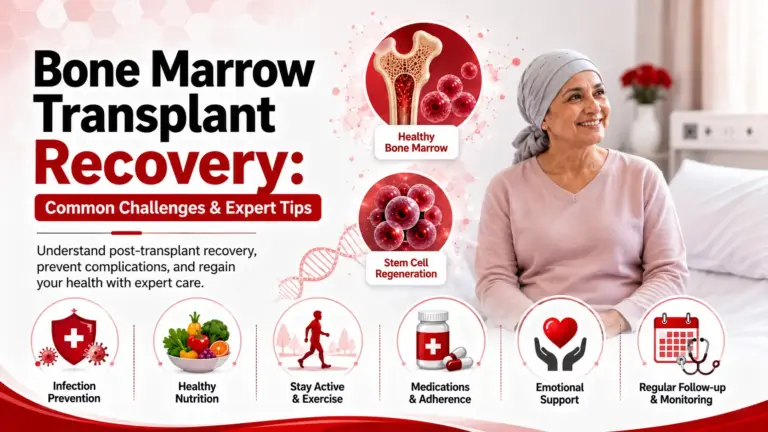
Blood is required in a wide range of situations, including road accidents, major surgeries, cancer treatments, anemia management, childbirth complications, and trauma care. In specialized medical treatments such as Bone Marrow Transplant Cost in Chennai-related procedures, blood and blood components play a critical supportive role in stabilizing patients during intensive therapy phases.
Hospitals in Chennai, including multi-specialty centers like Kannappa Memorial Hospital, emphasize the importance of maintaining sufficient blood supply, especially for high-risk treatments where transfusion support is essential.
Types of Blood Donation
Blood donation is not limited to a single type. It includes different methods depending on medical requirements:
- Whole Blood Donation: This is the most common type of donation where approximately 450 ml of blood is collected from a donor. It is later separated into components like red cells, plasma, and platelets.
- Platelet Donation: Platelets are crucial for patients undergoing chemotherapy, surgeries, or conditions affecting blood clotting. Platelet donation is often used in cancer care and transplant-related treatments.
- Plasma Donation: Plasma is the liquid component of blood and is rich in proteins that help in clotting and immunity. It is widely used for burn victims, liver disease patients, and critical care cases.
- Apheresis Process: Apheresis is an advanced method where blood is drawn, separated into components using a machine, and only the required component (platelets or plasma) is collected while the rest is returned to the donor.
These components are especially important in advanced medical procedures, including Bone Marrow Transplant Cost in Chennai treatment pathways, where patients require repeated transfusions during recovery phases.
Process of Blood Donation
The blood donation process is simple, safe, and usually completed within 30–45 minutes.
Registration and Basic Health Screening
Donors are first registered and asked basic health-related questions regarding medical history, lifestyle, and recent illnesses.
Health Check-up
Medical staff check vital signs such as:
- Blood Pressure: Measures force of blood in arteries; normal is about 120/80 mm
- HgPulse Rate: Number of heartbeats per minute; normal range is 60–100 bpm
- Body Temperature: Indicates body’s heat balance; normal is 36.5–37.5°C
- Hemoglobin Levels: Reflect oxygen-carrying capacity of blood; normal varies by age and gender
This ensures that the donor is fit for donation and that the blood collected is safe for patients.
Blood Collection Procedure
A sterile needle is inserted into a vein, usually in the arm, and blood is collected in a sterile bag. The process is safe and uses single-use equipment to prevent infection.
Rest and Recovery
After donation, the donor rests for 10–15 minutes and is given fluids or light refreshments. Most people can resume normal activities shortly after.
In major hospitals like Kannappa Memorial Hospital in Chennai, these procedures are conducted under strict medical supervision, especially when blood components are required for critical treatments such as cancer care or Bone Marrow Transplant Cost in Chennai-related procedures.
Health Benefits of Blood Donation
Blood donation is not only beneficial for patients but also for donors. It offers several physical, emotional, and preventive health advantages.
Physical Health Benefits
- Improves Cardiovascular Health: Regular blood donation helps maintain healthy blood viscosity, which can reduce strain on the heart and improve circulation.
- Reduces Risk of Heart Disease and Stroke: By lowering excess iron levels in the body, blood donation may reduce oxidative stress, which is linked to cardiovascular diseases.
- Maintains Healthy Iron Levels: Excess iron in the body can lead to organ damage. Donation helps regulate iron levels naturally.
- Prevents Iron Overload: Conditions like hemochromatosis, where iron accumulates excessively, can be managed effectively through periodic blood donation.
- Stimulates New Blood Cell Production: After donation, the body works to replace lost blood, stimulating the production of fresh blood cells, improving overall blood quality.
- Improves Liver Health: Balanced iron levels reduce oxidative stress on the liver, supporting better metabolic function.
- Detoxification Support: Blood donation may assist in removing certain harmful substances from the bloodstream, promoting better internal balance.
- Calorie Burning Effect:Each donation can burn approximately 600–650 calories as the body regenerates blood components.
In the context of advanced treatments such as Bone Marrow Transplant Cost in Chennai, maintaining healthy donors is essential because these patients depend heavily on repeated transfusions.
Early Health Detection Benefits
Before donation, individuals undergo a mini health screening, which offers preventive health advantages.
Free Health Check-up
Donors receive basic evaluation of vital health parameters at no cost.
Detection of Medical Conditions
Early signs of conditions like:
- Anemia
- Blood pressure abnormalities
- Infectious diseases
may be identified.
Disease Screening
Blood is tested for serious infections such as HIV, hepatitis B, and hepatitis C, ensuring safety for recipients and early awareness for donors.
Hospitals like Kannappa Memorial Hospital integrate these screenings into their blood bank systems, ensuring safe transfusion support for patients undergoing intensive treatments like cancer therapy and Bone Marrow Transplant Cost in Chennai procedures.
Mental and Emotional Benefits
- Reduces Stress:Donating blood has been associated with reduced stress levels due to emotional satisfaction.
- Improves Emotional Well-being:Helping others creates a positive psychological effect and enhances self-worth.
- Sense of Purpose:Knowing that a single donation can save multiple lives provides a strong sense of contribution.
- Reduces Loneliness: Participation in donation drives increases social engagement and community connection.
Additional benefits of donating blood
Not everyone is eligible to donate blood. Basic requirements include:
- Age between 18 and 65 years
- Minimum weight around 50 kg
- Good general health condition
- Normal hemoglobin levels
- No recent infections or major illnesses
Eligibility screening becomes even more important in hospitals managing critical care cases, including those associated with Bone Marrow Transplant Cost in Chennai, where patient safety depends on high-quality blood products.
Lifestyle Benefits of Blood Donation for Donors
Blood donation is not only a life-saving act for recipients but also offers several indirect health and lifestyle benefits for donors. While many of these benefits are supportive rather than guaranteed medical outcomes, they contribute positively to overall well-being:
- Supports healthy weight management due to calorie burn: During a single blood donation, the body expends energy to replenish the lost blood volume. This process involves the production of new blood cells and plasma, which results in a modest calorie burn.
- Improves blood circulation: Blood donation encourages the body to maintain efficient circulation by stimulating the production of fresh blood. The replacement of older blood cells with new ones may help maintain smoother blood flow and better oxygen delivery throughout the body.
- May contribute to reduced risk of certain chronic diseases : Some studies suggest that regular blood donation may help reduce iron overload in the body. Excess iron has been linked in some research to oxidative stress, which is associated with conditions such as heart disease. However, these findings are still being studied, and more evidence is needed before drawing firm conclusions.
- Encourages healthier lifestyle habits among regular donors: Regular donors often become more conscious of their health, since donation requires meeting basic eligibility standards like normal hemoglobin levels, healthy blood pressure, and overall fitness. This can indirectly encourage better diet, hydration, exercise, and routine health check-ups.
- Strengthens healthcare support systems and patient care cycles: In advanced healthcare environments, especially those managing complex treatments such as bone marrow transplants in cities like Chennai, a steady and healthy donor pool is critical. Patients undergoing such procedures often require repeated transfusions of blood components during treatment and recovery phases.
Precautions Before and After Donation
Taking proper precautions before and after blood donation is important to ensure donor safety, comfort, and quick recovery. These steps help minimize side effects such as dizziness, fatigue, or dehydration.
Before Donation:
- Eat a healthy, balanced meal: Having a nutritious meal before donating helps maintain stable blood sugar levels and reduces the risk of feeling weak or lightheaded during or after donation. Avoid donating on an empty stomach.
- Drink plenty of water: Good hydration increases blood volume and makes the donation process smoother. Drinking water or fluids before donation can also help prevent dehydration-related side effects.
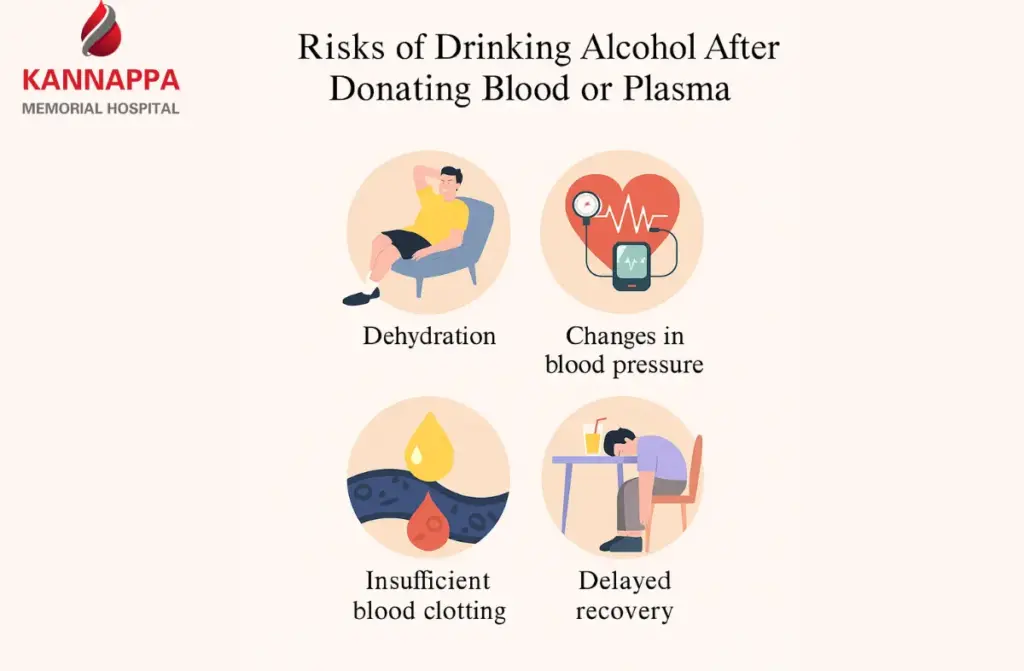
- Avoid alcohol and smoking: Alcohol can dehydrate the body and affect blood quality, while smoking may reduce oxygen levels in the blood. It is best to avoid both for at least 24 hours before donating.
- Get adequate rest: A well-rested body responds better to blood donation. Proper sleep helps maintain normal blood pressure and reduces fatigue during the procedure.
After Donation:
- Rest for 10–15 minutes: Sitting or lying down for a short period after donation allows the body to stabilize and reduces the risk of dizziness or fainting.
- Drink fluids to stay hydrated: Replenishing lost fluids is essential. Water, juices, or oral rehydration solutions help restore fluid balance in the body.
- Avoid heavy physical activity for 24 hours: Strenuous exercise, lifting heavy objects, or intense physical work should be avoided to allow the body time to recover.
- Eat iron-rich foods: Consuming foods like leafy greens, lentils, dates, nuts, and lean meat helps replenish iron levels and supports the production of new red blood cells.
These precautions ensure that blood donation remains a safe and positive experience, especially for regular donors who play a crucial role in supporting hospitals such as Kannappa Memorial Hospital, where consistent blood availability is essential for surgeries, emergencies, and long-term treatments.
Eligibility Criteria
Not everyone is eligible to donate blood, as donor safety and recipient health must both be carefully ensured. Blood donation centers follow standard screening guidelines to confirm that a donor is fit to give blood at the time of donation.
Basic Requirements:
- Age between 18 and 65 years: Donors must be legally adult and within the safe upper age limit, ensuring the body can tolerate blood loss and recover efficiently.
- Minimum weight of around 50 kg: Adequate body weight ensures that the donor has sufficient blood volume, reducing the risk of dizziness or weakness after donation.
- Good general health condition: Donors should be free from acute illness such as fever, cold, infections, or any ongoing medical condition that may affect safe donation.
- Normal hemoglobin levels: Sufficient hemoglobin is essential to ensure the donor is not anemic and can safely replenish red blood cells after donation.
- No recent infections or major illnesses: Individuals who have recently recovered from infections, surgeries, or serious medical conditions are usually advised to wait for a specific deferral period before donating.
Conclusion
Blood donation is a simple yet powerful act that has a life-saving impact. It supports emergency care, surgical procedures, cancer treatment, and advanced medical interventions. Beyond saving lives, it also provides measurable physical, emotional, and preventive health benefits to donors.
In modern healthcare systems, especially in cities like Chennai, blood donation plays a vital role in sustaining complex treatments such as oncology care and transplant procedures. The Bone Marrow Transplant Cost in Chennai is often associated with prolonged treatment phases where patients require continuous blood and platelet support, making donor availability critical.
Hospitals like Kannappa Memorial Hospital actively encourage voluntary blood donation programs to ensure that life-saving blood products are always available for patients in need.
Read also: High White Blood Cell Count