The Function of Bone Marrow is one of the most important biological processes that keeps the human body alive and working properly. Bone marrow is a soft, spongy tissue found inside your bones especially in the hip, thigh, and spine bones. Think of it like your body’s “hidden factory.” It never shuts down, constantly producing blood cells that your body needs every second. Without it, survival is basically impossible.Bone marrow is your body’s silent production system running 24/7 in the background, making sure your blood system doesn’t crash.This article breaks down the Function of Bone Marrow, its types, roles, diseases, and why it is critical for human health.
What is Bone Marrow
Bone marrow is a soft, spongy tissue found inside the bones. Unlike hard bone, it has a jelly like texture and plays an important role in keeping the body healthy.
Functions of Bone Marrow:
- It helps in producing blood cells (red blood cells, white blood cells, and platelets)
- It supports the immune system, helping the body fight infections
- It stores fat and stem cells, which help in growth and repair
Types of Bone Marrow:
There are two main types:
- Red bone marrow: Produces most of the body’s blood cells
- Yellow bone marrow: Mainly stores fat and can convert into red marrow when needed
Primary Function of Bone Marrow
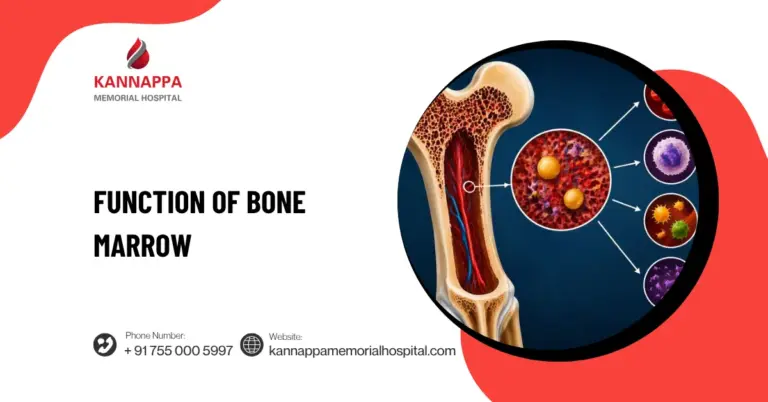
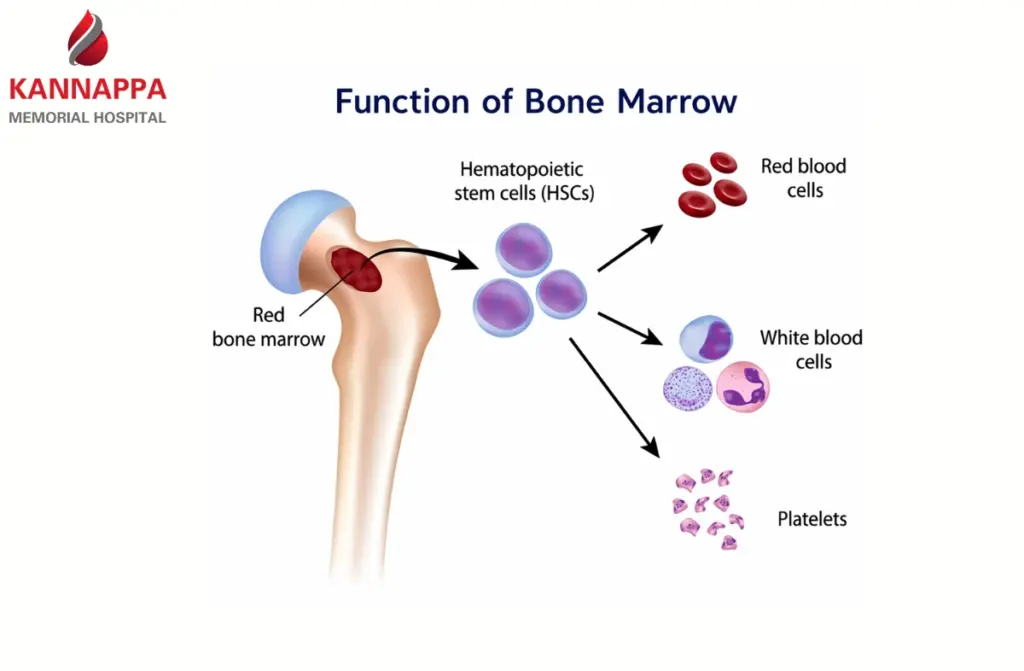
The primary function of bone marrow is blood cell production, a process called hematopoiesis. It works like a blood factory inside your bones, constantly producing new cells to keep the body alive and healthy.
Bone marrow produces three main types of blood cells:
Red Blood Cells (RBCs)
- Carry oxygen from lungs to the whole body
- Remove carbon dioxide
- Help maintain energy and strength
White Blood Cells (WBCs)
- Fight infections and germs
- Protect the body from diseases
- Support the immune system
Platelets
- Help blood clot after injury
- Prevent excessive bleeding
- Support wound healing
Types of Bone Marrow
Understanding the structure helps explain the Function of Bone Marrow better.
Red Bone Marrow (Active Factory)
This is the “working” part.
Functions:
- Produces RBCs, WBCs, and platelets
- Highly active in children
- Found in flat bones like ribs, skull, and pelvis
Yellow Bone Marrow (Energy Storage)
This is the “backup storage unit.”
Functions:
- Stores fat cells (energy reserve)
- Can convert into red marrow in emergencies like severe blood loss
- Found in long bones like femur
How Bone Marrow produces Blood Cells
Bone marrow produces blood cells using special cells called stem cells. These are known as “master cells” because they can change into different types of blood cells based on the body’s needs.
Process of Blood Cell Formation:
- Stem cells divide: Bone marrow stem cells multiply continuously.
- These cells develop into three main types of blood cells:
- Red blood cells (for oxygen transport)
- White blood cells (for immunity)
- Platelets (for clotting and healing)
- Mature cells enter blood: Fully developed cells are released into the bloodstream.
- Body uses them: These cells help with oxygen delivery, fighting infections, and healing injuries.
Immune System Support Role
One underrated Function of Bone Marrow is immune system regulation.
Bone marrow produces:
- Lymphocytes (B cells and T cells)
- Neutrophils
- Monocytes
These cells:
- Identify harmful pathogens
- Destroy infected cells
- Build long term immunity
Basically, bone marrow is the training ground for your immune army.
Bone Marrow and Oxygen Supply
Without bone marrow, oxygen transport would collapse.
Red blood cells produced in marrow contain hemoglobin, which:
- Binds oxygen in lungs
- Delivers it throughout the body
- Keeps organs alive and functional
So when people say “energy levels,” bone marrow plays a direct role in that.
Bone Marrows Role in Blood Clotting
Another important Function of Bone Marrow is producing platelets.
Platelets:
- Rush to injury sites
- Form a clot plug
- Stop bleeding
- Trigger healing process
Without this function, even minor injuries could become life threatening.
Bone Marrow and Fat Storage
Yellow bone marrow stores fat, which:
- Acts as energy reserve
- Supports metabolism
- Can be converted into blood producing marrow when needed
This adaptability is what keeps the body balanced during stress or illness.
Diseases affecting Bone Marrow
When bone marrow does not work properly, it affects the Function of Bone Marrow, which is to make red blood cells, white blood cells, and platelets. This can cause serious health problems.
Leukemia
Leukemia is a type of blood and bone marrow cancer. It causes the bone marrow to produce too many abnormal white blood cells, which interfere with normal blood cells and affect oxygen flow, immunity, and clotting.
Aplastic Anemia
Aplastic anemia happens when the bone marrow stops making enough blood cells. This leads to low red blood cells, white blood cells, and platelets, causing weakness, infections, and bleeding problems.
Myelodysplastic Syndromes (MDS)
MDS is a condition where bone marrow makes blood cells that are abnormal or not fully developed. These cells cannot work properly, so the body becomes weak and prone to illness.
Bone Marrow Failure
Bone marrow failure is when the bone marrow stops working properly or completely stops producing blood cells. This is very serious and can affect oxygen supply, immunity, and blood clotting.
Bone Marrow Transplant (BMT)
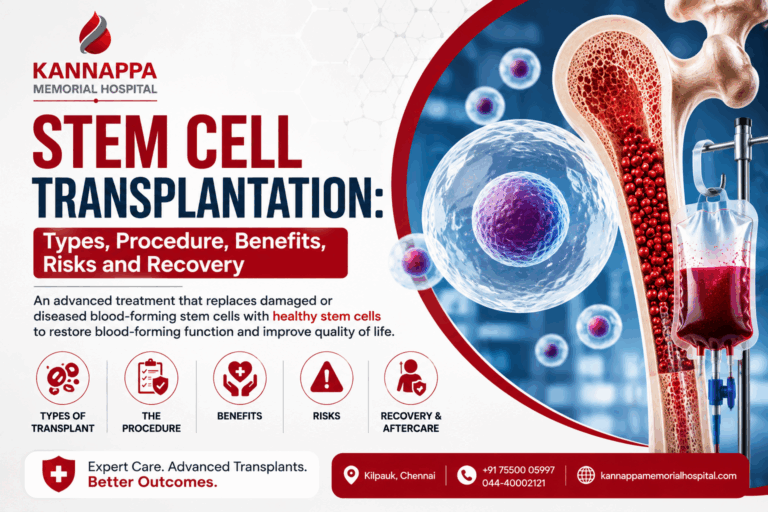
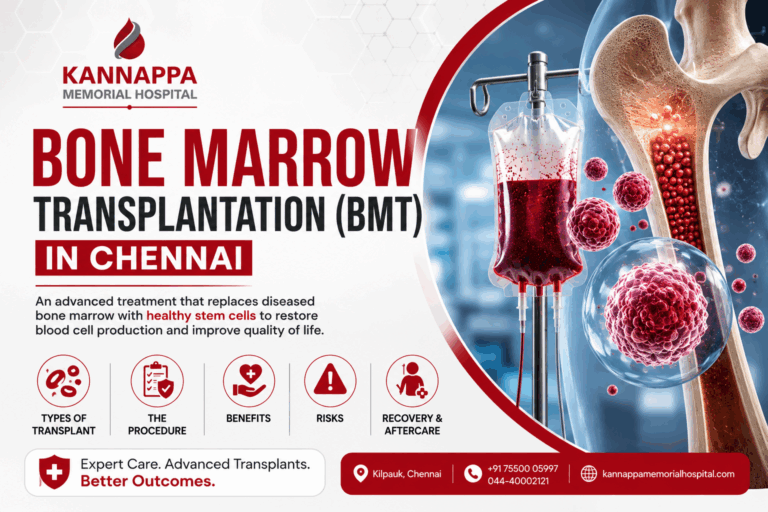
A Bone Marrow Transplant (BMT) is a medical procedure used when the bone marrow is severely damaged or no longer functioning properly. In such cases, the normal Function of Bone Marrow which is to produce healthy blood cells is disrupted, and a transplant becomes necessary to restore it.
Types of Bone Marrow Transplant:
- Autologous transplant: The patient’s own stem cells are collected, stored, and then reintroduced after treatment
- Allogeneic transplant: Stem cells are taken from a compatible donor and transplanted into the patient
Purpose of Bone Marrow Transplant:
- Restore normal blood cell production (red blood cells, white blood cells, and platelets)
- Restart or rebuild the immune system
- Treat life threatening blood disorders and cancers
- Improve survival in severe bone marrow failure conditions
A Bone Marrow Transplant clearly highlights how essential the Function of Bone Marrow is, as it directly supports life by maintaining blood formation and immune defense.
Importance of Bone Marrow in overall Health
The Function of Bone Marrow plays a vital role in maintaining overall health because it supports several essential body systems. It continuously produces blood cells that keep the body active, protected, and balanced.
- Oxygen circulation: Bone marrow produces red blood cells that carry oxygen to all organs and tissues, keeping the body energized and functional
- Immune defense: It produces white blood cells that protect the body from infections, bacteria, and viruses
- Healing process: Platelets formed in bone marrow help in blood clotting and wound healing
- Energy levels: Proper red blood cell production prevents fatigue and maintains stamina
- Blood stability: It ensures balanced levels of blood cells for smooth body functioning
Without a healthy bone marrow, the Function of Bone Marrow is disrupted, and no organ system can perform efficiently, making it essential for survival and overall well being.
Factors that affect Bone Marrow Health
Several factors can affect bone marrow health and disrupt the Function of Bone Marrow, which is essential for producing blood cells and maintaining overall body balance.
- Poor nutrition (lack of iron, vitamin B12, and folate) can reduce blood cell production and lead to anemia and fatigue
- Radiation exposure can damage bone marrow cells and reduce their ability to produce new blood cells
- Chronic infections can weaken bone marrow function by continuously stressing the immune system
- Autoimmune diseases may cause the body to attack its own bone marrow cells, leading to low blood cell counts
- Certain medications can affect bone marrow activity and lower the production of red blood cells, white blood cells, or platelets
How to keep Bone Marrow Healthy
Keeping bone marrow healthy is important because it directly supports the Function of Bone Marrow, including blood cell production, immunity, and oxygen transport. A strong bone marrow system helps the body stay energetic, resistant to infections, and properly balanced.
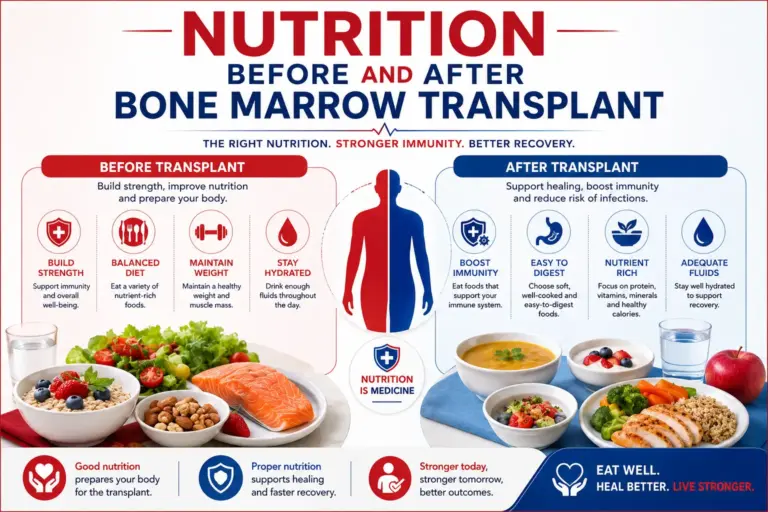
Eat a Nutrient Rich Diet
Good nutrition supports healthy blood cell formation.
Include:
- Leafy green vegetables (iron, folate)
- Eggs (vitamin B12, protein)
- Fish (omega 3 and protein)
- Beans and lentils (iron and plant protein)
- Nuts and seeds (minerals and healthy fats)
These nutrients help maintain strong blood production in the bone marrow.
Stay Physically Active
Regular exercise improves blood circulation and supports oxygen delivery throughout the body. Light activities like walking, cycling, or yoga can help maintain overall bone and blood health.
Avoid Smoking and Excess Alcohol
Smoking and alcohol can damage blood forming cells and reduce the efficiency of the Function of Bone Marrow, leading to weaker immunity and poor blood quality.
Stay Properly Hydrated
Drinking enough water helps maintain healthy blood flow and supports the movement of nutrients needed for blood cell production.
Regular Health Checkups
Routine blood tests help detect early changes in blood cell levels. Early diagnosis can prevent serious bone marrow related disorders.
Latest Medical Research
Modern science is improving how we understand the Function of Bone Marrow:
- Stem cell therapy advancements
- Gene editing research for blood disorders
- Improved bone marrow transplant success rates
- Artificial blood cell development experiments
These innovations are changing survival outcomes for blood related diseases.
Signs of Bone Marrow Problems
Bone marrow problems happen when the Function of Bone Marrow is not working properly, meaning it cannot produce healthy blood cells in the right amount. This affects oxygen supply, immunity, and blood clotting in the body.
Here are the key signs to watch for:
- Constant fatigue: The body feels tired all the time due to low red blood cells and reduced oxygen delivery.
- Frequent infections: Weak white blood cell production lowers immunity, making infections occur more often.
- Unusual bruising or bleeding: Low platelet levels make it easy to bruise and cause longer or excessive bleeding even from minor injuries.
- Pale skin: Reduced red blood cells lead to less oxygen in the blood, making the skin look pale or dull.
- Bone pain: Abnormal activity inside the bone marrow or underlying disease can cause deep, persistent bone pain.
Conclusion
The Function of Bone Marrow is essential for life because it produces red blood cells, white blood cells, and platelets that support oxygen transport, immunity, and blood clotting. It keeps the body strong, stable, and protected from infections and injuries. When bone marrow is healthy, the entire body functions properly, but any disorder can seriously affect energy levels, immunity, and overall health. Modern medical advancements have improved the diagnosis and treatment of bone marrow diseases, leading to better outcomes. Maintaining good nutrition and lifestyle habits helps support bone marrow health and overall body performance throughout life.