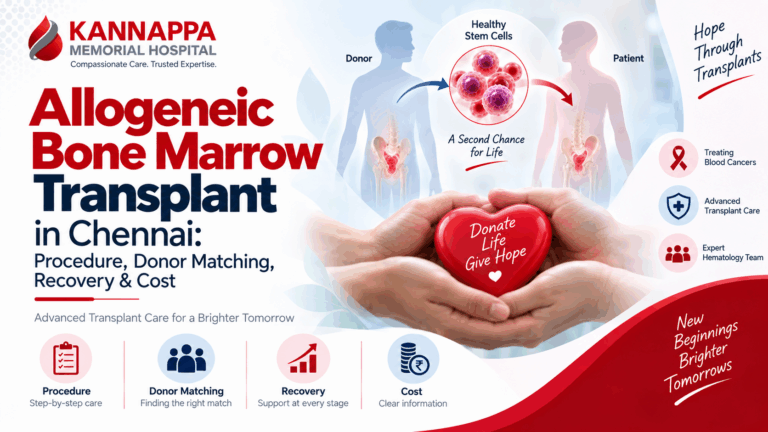
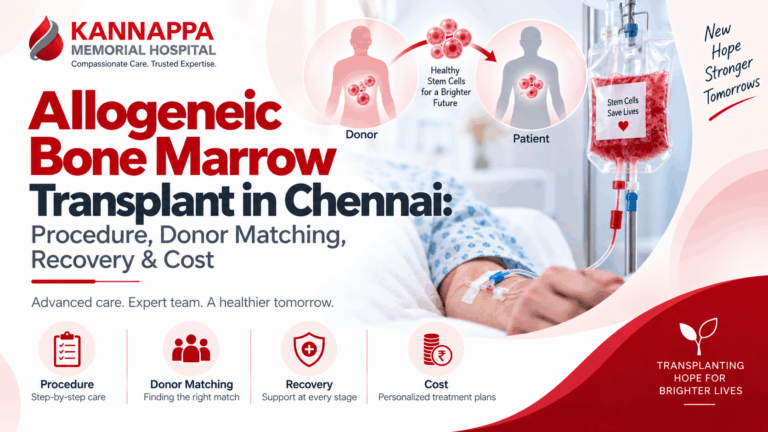
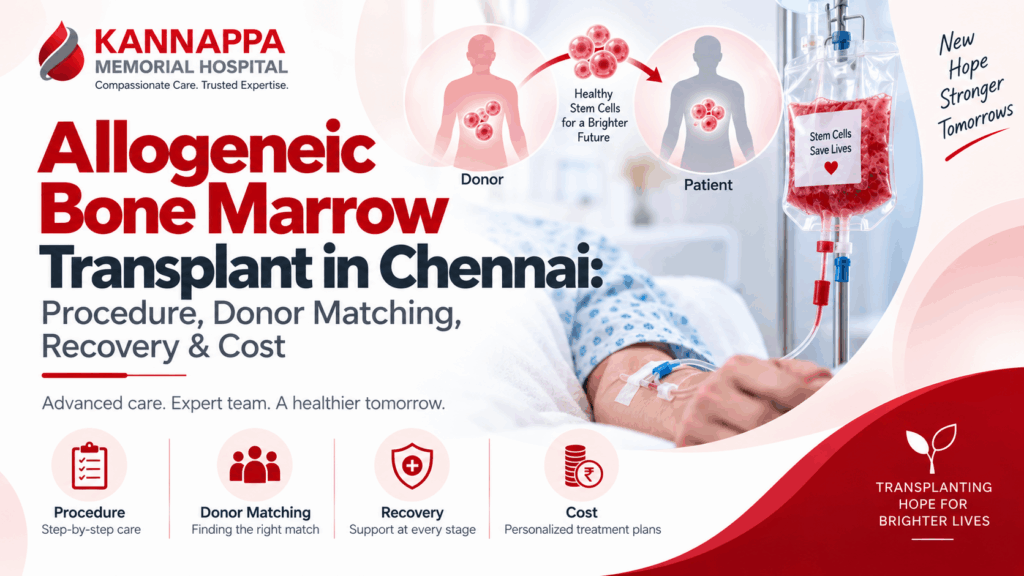
An allogeneic bone marrow transplant in Chennai is an advanced treatment in which healthy blood-forming stem cells are obtained from a suitable donor and infused into a patient whose bone marrow is affected by cancer, bone marrow failure, or certain inherited blood disorders. Unlike an autologous transplant, where a patient’s own stem cells are used, an allogeneic transplant uses cells from another person.
The success of an allogeneic transplant depends on several factors, including the patient’s disease, overall health, donor compatibility, conditioning treatment, infection prevention, and post-transplant monitoring. Understanding the process can help patients and families prepare for each stage of treatment.
What Is an Allogeneic Bone Marrow Transplant?
An allogeneic bone marrow transplant in Chennai involves replacing diseased or damaged blood-forming cells with healthy stem cells from a donor.
Blood-forming stem cells, also known as hematopoietic stem cells, can develop into:
- Red blood cells
- White blood cells
- Platelets
These cells are essential for oxygen transport, immunity, and blood clotting.
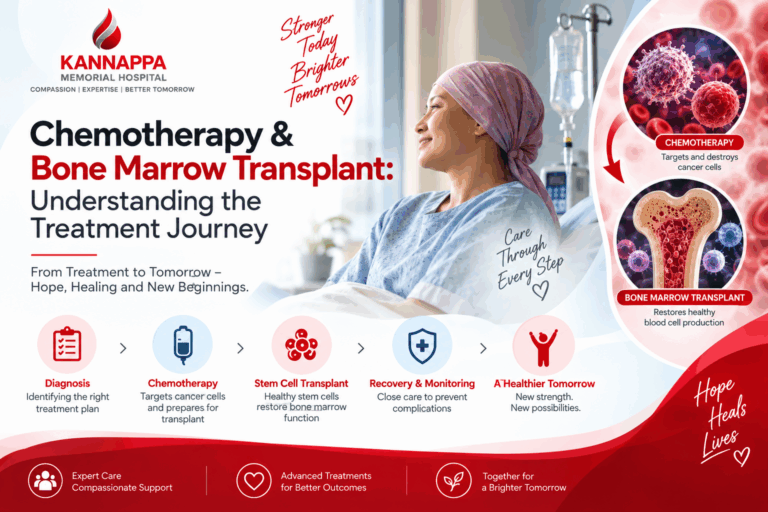
During an allogeneic transplant, the patient’s existing bone marrow is treated with conditioning therapy. Donor stem cells are then infused through the bloodstream. Over time, the donor cells can establish themselves in the bone marrow and begin producing healthy blood cells.
An allogeneic bone marrow transplant in Chennai may be recommended when conventional treatment is not sufficient or when transplantation offers an appropriate treatment option for the patient’s condition.
Who May Need an Allogeneic Bone Marrow Transplant?
An allogeneic bone marrow transplant in Chennai may be considered for selected patients with serious blood and bone marrow disorders.
Conditions that may be treated with an allogeneic transplant include:
- Acute myeloid leukemia (AML)
- Acute lymphoblastic leukemia (ALL)
- Myelodysplastic syndromes
- Aplastic anemia
- Certain lymphomas
- Selected inherited blood disorders
- Certain immune-system disorders
- Other high-risk hematological conditions
Not every patient with these diseases requires transplantation. The decision depends on the diagnosis, disease risk, response to previous treatment, age, general health, organ function, and availability of a suitable donor.
A specialist transplant team evaluates these factors before recommending an allogeneic bone marrow transplant in Chennai.
How Does Donor Matching Work?
Donor matching is one of the most important parts of an allogeneic transplant.
The transplant team primarily evaluates human leukocyte antigen (HLA) compatibility between the patient and potential donor. HLA markers help the immune system distinguish the body’s own cells from foreign cells.
Potential donors may include:
- Brothers or sisters
- Other family members
- Unrelated volunteer donors
- Haploidentical family donors, when appropriate
A fully matched sibling donor may be suitable for some patients, while other patients may require an unrelated or partially matched donor.
The transplant team performs detailed testing before confirming the donor.
What Is HLA Matching?
HLA matching is an important part of donor matching for bone marrow transplant. The closer the compatibility between donor and recipient, the better the chances of reducing certain transplant-related complications.
However, HLA matching is not the only consideration. The transplant team may also evaluate the donor’s health, age, blood group, infectious disease screening, and other clinical factors.
In some situations, a partially matched or haploidentical donor may be considered when a fully matched donor is unavailable.
What Happens Before the Transplant?
Before an allogeneic bone marrow transplant in Chennai, the patient undergoes a detailed pre-transplant evaluation.
This may include:
- Complete blood tests
- Bone marrow examination
- Imaging when required
- Heart evaluation
- Lung evaluation
- Kidney and liver function tests
- Infection screening
- HLA testing
- Dental evaluation
- Assessment of nutritional and general health
The purpose is to understand the patient’s current health and determine whether transplantation is appropriate.
The transplant team also discusses potential benefits, risks, treatment expectations, hospitalization, infection precautions, and follow-up requirements.
Conditioning Treatment
Conditioning is an important stage of an allogeneic bone marrow transplant in Chennai.
The patient receives chemotherapy, radiation therapy, or a combination of treatments depending on the transplant plan.
Conditioning serves several purposes:
- It helps destroy abnormal or diseased bone marrow cells.
- It suppresses the patient’s immune system.
- It prepares the bone marrow environment for donor stem cells.
- It helps donor cells establish themselves after infusion.
The intensity of conditioning varies from one patient to another. Some patients may receive myeloablative conditioning, while others may be suitable for reduced-intensity conditioning.
Stem Cell Infusion
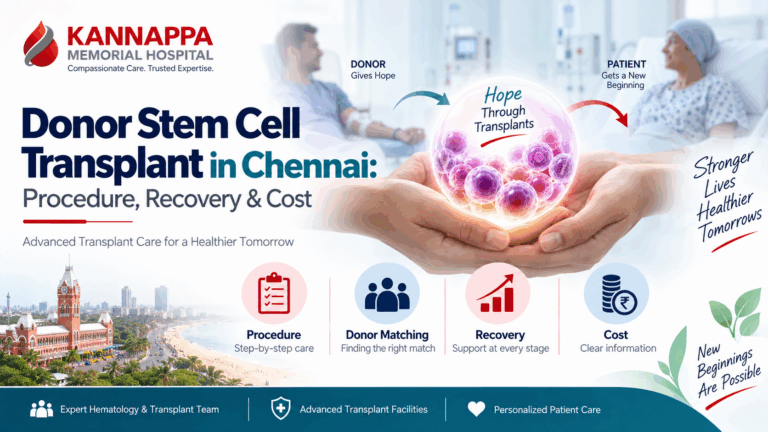
After conditioning is completed, the donor stem cells are infused into the patient’s bloodstream.
The procedure is generally similar to receiving an intravenous infusion. A central venous catheter may be used to administer the cells and other medicines.
The infused stem cells travel through the bloodstream and eventually reach the bone marrow, where they can begin producing new blood cells.
The actual infusion may not be the most difficult part of treatment. Much of the care surrounding transplantation involves monitoring the patient during the period before the donor cells successfully establish themselves.
Engraftment After Transplant
Engraftment after bone marrow transplant refers to the stage when donor stem cells begin producing new blood cells.
During the early post-transplant period, blood counts can remain very low. Patients may therefore require:
- Blood and platelet transfusions
- Antibiotics or antiviral medicines
- Antifungal medicines
- Nutritional support
- Close blood-count monitoring
- Management of treatment-related side effects
The transplant team monitors blood counts regularly to determine when the new marrow begins functioning.
Engraftment is an important milestone following an allogeneic bone marrow transplant in Chennai, but continued monitoring remains essential even after blood counts recover.
Possible Risks and Complications
An allogeneic bone marrow transplant in Chennai is a complex treatment and can involve significant risks. The transplant team discusses these risks with each patient before treatment.
Potential complications may include:
- Infections
- Bleeding
- Severe anemia
- Graft failure
- Graft-versus-host disease (GVHD)
- Organ complications
- Medication-related side effects
- Relapse of the underlying disease
- Long-term immune-system complications
One of the complications particularly associated with an allogeneic transplant is graft-versus-host disease.
GVHD occurs when donor immune cells recognize the patient’s tissues as foreign and attack them. It can affect organs such as the skin, liver, and gastrointestinal tract.
Preventive medicines and careful monitoring are important components of transplant care.
Recovery After Allogeneic Transplant
Recovery from an allogeneic bone marrow transplant in Chennai occurs gradually. The early recovery period can involve frequent medical assessments and infection precautions.
Patients may need to follow recommendations regarding:
- Hand hygiene
- Food safety
- Avoiding exposure to infections
- Medication schedules
- Physical activity
- Follow-up blood tests
- Vaccination planning
- Regular specialist appointments
Fatigue can persist for some time after transplantation. Blood counts, immune function, nutritional status, and overall strength may take time to recover.
Long-term follow-up is an essential part of allogeneic bone marrow transplant in Chennai, even after the patient returns home.
Diet and Lifestyle After Transplant
Nutrition plays an important supportive role during recovery.
Patients may be advised to consume nutritious foods with adequate protein and calories while following food-safety precautions recommended by the transplant team.
Lifestyle recommendations can include:
- Adequate rest
- Gradual physical activity
- Avoiding smoking
- Following medication schedules
- Maintaining personal hygiene
- Attending every follow-up appointment
The exact recommendations vary according to the patient’s recovery, immune status, medications, and complications.
Allogeneic Bone Marrow Transplant Cost in Chennai
The allogeneic bone marrow transplant cost in Chennai can vary considerably between patients because transplantation involves multiple stages of care.
Factors that may affect the overall cost include:
- Type of transplant
- Donor matching and donor-related procedures
- Conditioning medicines
- Hospitalization duration
- Laboratory investigations
- Blood and platelet transfusions
- Infection treatment
- Immunosuppressive medicines
- Management of complications
- Follow-up care
- Intensive care requirements, if necessary
Therefore, an exact allogeneic bone marrow transplant cost in Chennai cannot be determined without assessing the patient’s diagnosis and proposed transplant plan.
Families should request an individualized estimate from the transplant centre after the patient’s evaluation.
Choosing a Bone Marrow Transplant Hospital in Chennai
Choosing the appropriate bone marrow transplant hospital in Chennai is an important decision because transplantation requires coordinated care before, during, and after the procedure.
Patients and families may consider:
- Experience of the transplant team
- Availability of hematology specialists
- Transplant infrastructure
- Infection-control facilities
- Laboratory and blood-bank support
- Donor evaluation services
- Critical-care support
- Long-term follow-up
- Management of transplant complications
Kannappa Memorial Hospital provides specialized hematology and bone marrow transplant care for patients requiring advanced treatment. The transplant team can evaluate the patient’s condition and determine whether transplantation is appropriate.
Why Follow-Up Is Important
Following an allogeneic bone marrow transplant in Chennai, regular follow-up helps doctors monitor blood counts, immune recovery, medication effects, infections, GVHD, and possible recurrence of the underlying disease.
Follow-up appointments may become less frequent as recovery progresses, but long-term monitoring remains important.
Patients should promptly report symptoms such as fever, skin rashes, persistent diarrhea, breathing difficulties, unusual bleeding, or other new symptoms to their transplant team.
Conclusion
An allogeneic bone marrow transplant in Chennai can be an important treatment option for selected patients with leukemia, bone marrow failure, inherited blood disorders, and other serious hematological conditions.
The process involves several stages, including disease assessment, donor matching, conditioning, stem-cell infusion, engraftment, supportive treatment, and long-term follow-up. Because transplantation is highly individualized, treatment decisions should always be made by an experienced transplant team.
The bone marrow transplant hospital in Chennai you choose should have appropriate hematology expertise, transplant facilities, infection-control measures, supportive care, and long-term follow-up services.
Kannappa Memorial Hospital offers specialized care for patients requiring evaluation and treatment for blood and bone marrow disorders, including transplantation when clinically appropriate.