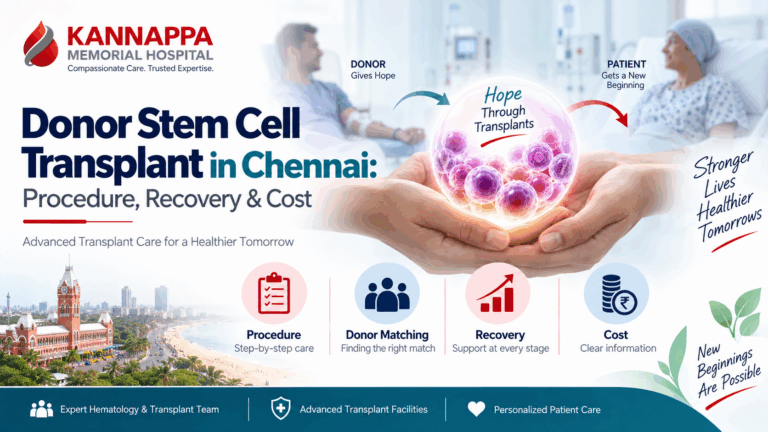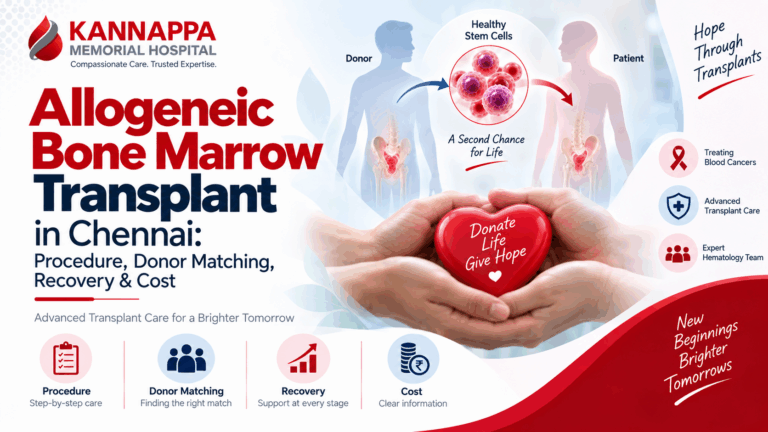
Bone marrow donation can provide healthy blood-forming stem cells for patients with serious blood cancers and bone marrow disorders. For some patients, a suitable donor may be the difference between having access to a potentially life-saving transplant and not having that option.
Many people have questions about who can donate bone marrow, whether donation is painful, how donor matching works, and whether the process is safe. This guide explains donor eligibility, HLA matching, stem-cell collection methods, recovery, and what happens when someone is identified as a potential match. The information below follows the uploaded source material.
What Is Bone Marrow Donation?
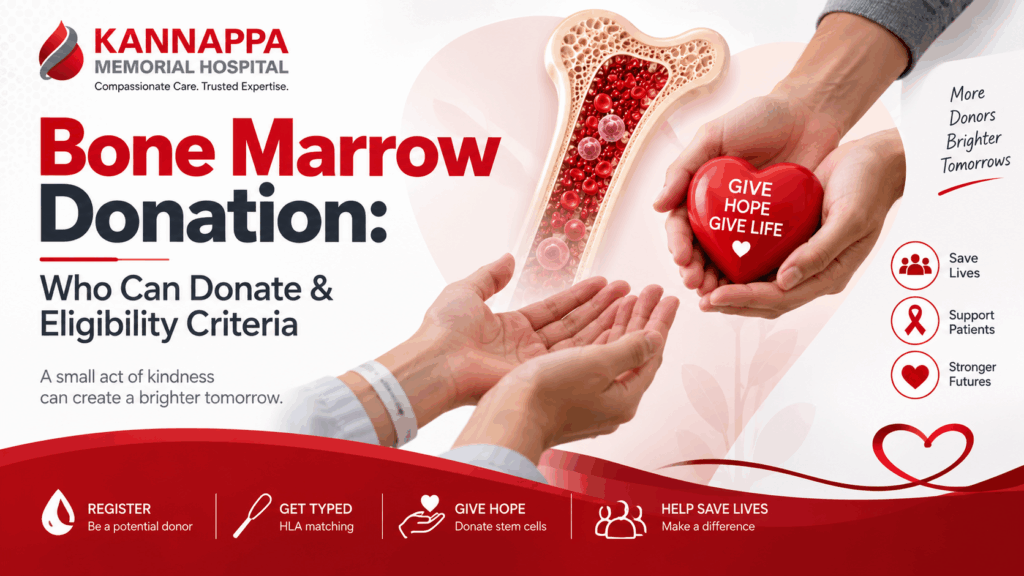
Bone marrow donation involves collecting healthy blood-forming stem cells from a donor so they can be transplanted into a patient whose blood-forming system is damaged or diseased.
Bone marrow contains haematopoietic stem cells, which can develop into red blood cells, white blood cells, and platelets. These cells are essential for producing healthy blood and supporting the immune system.
Although the term bone marrow donation is commonly used, stem cells are not always collected directly from bone marrow. In many cases, they are collected from the bloodstream through peripheral blood stem cell (PBSC) donation.
Why Is Bone Marrow Donation Important?
Patients with conditions such as leukemia, selected lymphomas, aplastic anemia, myelodysplastic syndromes, thalassemia, sickle cell disease, and certain inherited immune disorders may require an allogeneic stem cell transplant using cells from another person.
A patient’s doctors may first look for a suitable family donor. If one is unavailable, a compatible unrelated donor may be identified through a stem-cell donor registry.
This makes bone marrow donation an important way for healthy individuals to potentially help patients with serious diseases.
Who Can Donate Bone Marrow?
Bone marrow donor eligibility varies between donor registries and depends on medical screening.
According to the source material, DATRI states that healthy individuals aged 18–50 years can register as potential blood stem-cell donors, subject to its eligibility criteria and medical assessment. Other registries may have different age requirements.
A potential donor generally needs to:
- Meet the registry’s age requirements
- Be in generally good health
- Meet applicable weight requirements
- Complete registration
- Provide a sample for HLA typing
- Complete medical screening if identified as a potential match
- Provide informed consent
Registration does not mean that a person will definitely be selected. A donor may remain registered for years without being identified as a suitable match.
Does the Donor’s Blood Group Need to Match?
One common misconception about bone marrow donation is that the donor and recipient must have the same blood group.
In stem-cell transplantation, HLA compatibility is a major factor in donor selection rather than simply matching the ABO blood group. HLA molecules help the immune system distinguish the body’s own cells from foreign cells.
Doctors and donor registries consider several factors when selecting the most appropriate donor.
How Does HLA Matching Work?
HLA matching is an important part of bone marrow donor matching.
When a person registers as a potential donor, a sample such as a cheek swab may be used to determine their HLA characteristics. The information is entered into a donor registry. If a patient requires a transplant, the registry can search for potential matches.
The process generally includes:
- Donor registration
- HLA typing
- Entry into the donor registry
- Identification as a potential match
- Confirmatory testing
- Detailed medical evaluation
- Informed consent
- Stem-cell collection if medically cleared
Being identified as a potential match does not immediately mean that donation will take place. Additional testing and medical evaluation are required first.
What Are the Different Ways to Donate Stem Cells?
There are two major methods of collecting blood-forming stem cells from an adult donor.
1. Peripheral Blood Stem Cell Donation
Peripheral blood stem-cell donation is a commonly used collection method.
Before collection, the donor receives injections of granulocyte-colony stimulating factor (G-CSF) for several days. This temporarily increases the number of blood-forming stem cells circulating in the bloodstream.
The donor then undergoes apheresis. Blood is taken through an appropriate access, stem cells are separated by a machine, and the remaining blood components are returned to the donor.
2. Bone Marrow Donation
During a traditional bone marrow harvest, stem cells are collected directly from the bone marrow, usually from the back of the pelvic bone.
The procedure is performed under anaesthesia. A needle is used to collect bone marrow containing blood-forming stem cells. Importantly, this is different from a spinal procedure—the collection is performed from the pelvic bone rather than the spinal cord.
You can also learn about the different types of bone marrow transplant offered and the differences between autologous and allogeneic transplantation.
Is Bone Marrow Donation Painful?
The experience depends on the collection method.
With peripheral blood stem-cell donation, temporary effects from G-CSF may include:
- Bone or muscle aches
- Headache
- Tiredness
- Mild flu-like symptoms
For traditional bone marrow harvesting, the procedure is performed under anaesthesia. Temporary soreness or discomfort around the collection area may occur afterward.
Before donation, potential donors undergo medical assessment to determine whether donation is appropriate and safe.
Who May Not Be Eligible to Donate?
Not everyone who wishes to register will be medically eligible. Requirements vary between donor organisations and countries.
Conditions that may prevent registration or donation in some programmes include:
- HIV infection
- Certain hepatitis infections
- Significant heart disease
- Serious kidney or liver disease
- Certain autoimmune disorders
- Some blood or immune-system disorders
- Certain bleeding or clotting disorders
- Some cancers
- Serious respiratory conditions
- Certain neurological disorders
These requirements are primarily designed to protect both donor and recipient. Potential donors should provide complete medical information rather than deciding their eligibility based only on online information.
Can Women Donate Bone Marrow?
Yes. Both women and men can potentially become stem-cell donors.
Gender by itself does not prevent someone from donating. Eligibility is determined by the donor registry’s requirements and medical assessment.
Pregnancy may temporarily affect donor availability, so women should provide accurate information about pregnancy and other relevant health circumstances during screening.
What Happens If You Are a Match?
Being identified as a potential match is only the beginning of the donor evaluation process.
Additional assessments may include:
- Confirmatory HLA testing
- Medical history
- Physical examination
- Blood tests
- Infection screening
- General health assessment
- Other tests depending on the collection method
The purpose is to make sure donation is safe for the donor and appropriate for the recipient.
Is Bone Marrow Donation Safe?
For healthy donors who successfully complete medical screening, stem-cell donation is a well-established procedure. However, as with any medical procedure, it is not completely free of risk.
Possible short-term effects may include:
- Tiredness
- Headache
- Muscle or bone aches
- Temporary discomfort
- Bruising or soreness
- Effects related to anaesthesia during bone marrow harvesting
Donor safety is a fundamental part of the donation process.
Recovery After Bone Marrow Donation
Most donors gradually return to their normal routine. Recovery depends on the collection method, overall health, and individual circumstances.
After peripheral blood stem-cell collection, recovery is generally relatively quick. After bone marrow harvesting, temporary soreness and tiredness may occur.
The collection centre provides guidance about physical activity, hydration, medication, follow-up, and returning to work or exercise.
Bone Marrow Donation and Stem Cell Transplantation
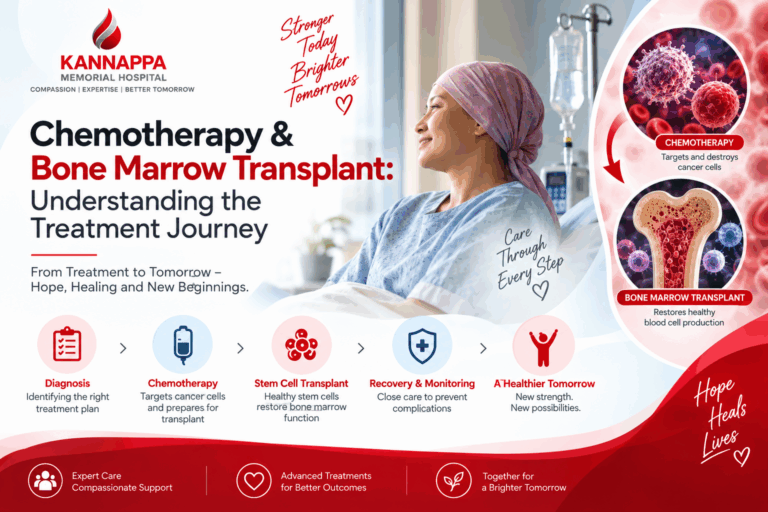
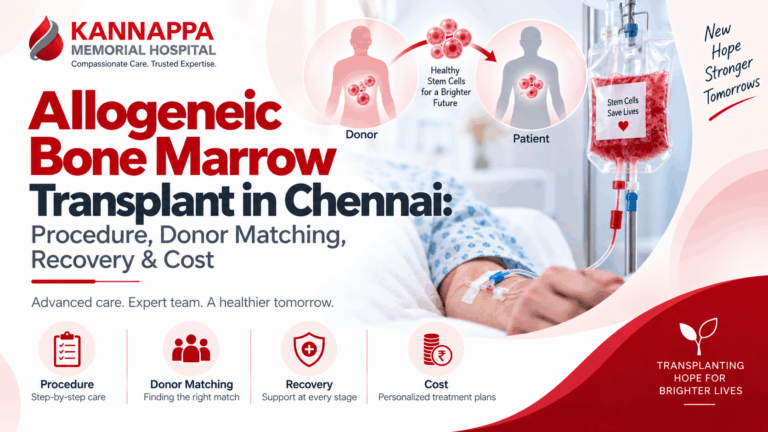
Once collected, donated stem cells may be used for an allogeneic stem cell transplant. The patient usually receives conditioning treatment before the donor cells are infused.
The transplanted cells can then travel to the bone marrow and begin producing new blood cells. Kannappa Memorial Hospital describes autologous and allogeneic transplantation, along with pre-transplant evaluation, conditioning, stem-cell infusion, and post-transplant monitoring.
For patients and families seeking specialist care, explore Bone Marrow Transplant treatment at Kannappa Memorial Hospital.
You can also read about the bone marrow transplant procedure and the stages involved in transplantation.
How to Become a Bone Marrow Donor in India
For people considering bone marrow donation in India, the process generally starts with registration with an appropriate blood stem-cell donor registry.
The basic process includes:
- Check eligibility
- Register with a donor registry
- Provide a cheek-swab sample for HLA typing
- Remain available in the registry
- Complete confirmatory testing if identified as a potential match
- Undergo medical screening
- Provide informed consent
- Donate stem cells if medically cleared
Registration does not guarantee that you will be selected, but becoming a registered donor can potentially give a patient another opportunity to find a compatible match.
Why Become a Bone Marrow Donor?
For an eligible healthy person, becoming a potential stem-cell donor can be an opportunity to help someone living with a serious blood disorder.
Patients waiting for transplantation may depend on finding a compatible donor. You may never be identified as a match, but if you are matched with a patient and medically cleared, your donation could become an important part of that person’s treatment journey.
Kannappa Memorial Hospital for Bone Marrow Transplant Care
Kannappa Memorial Hospital provides specialized bone marrow transplant and hematology services in Chennai. Its transplant programme includes donor-related evaluation, stem-cell collection, transplantation, engraftment monitoring, and post-transplant care.
Patients can explore the hospital’s bone marrow transplant services or learn more about different types of transplantation.
Conclusion
Bone marrow donation is an important part of modern stem-cell transplantation for selected blood cancers, bone marrow failure conditions, inherited blood disorders, and other serious diseases.
Healthy adults who meet the requirements of a recognised donor registry may be able to register as potential donors. Eligibility depends on age, health, weight, medical history, HLA typing, and other registry requirements.
Stem cells may be collected from peripheral blood or directly from bone marrow. Potential donors undergo appropriate screening before donation, and donor safety remains a central part of the process.
For patients who require transplantation, Kannappa Memorial Hospital provides specialized BMT and hematology care in Chennai.