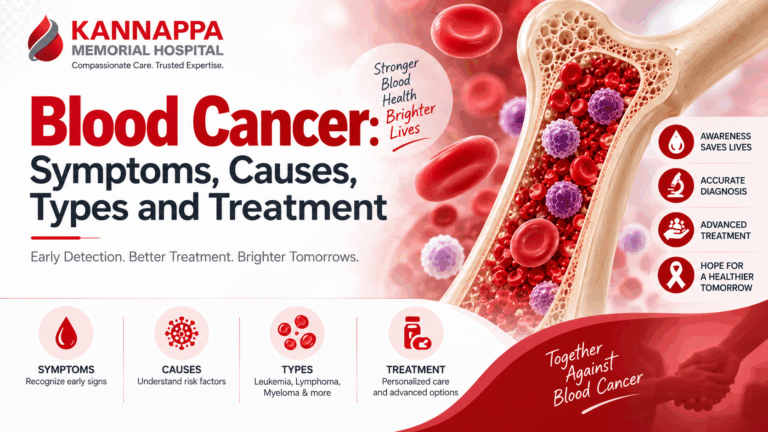
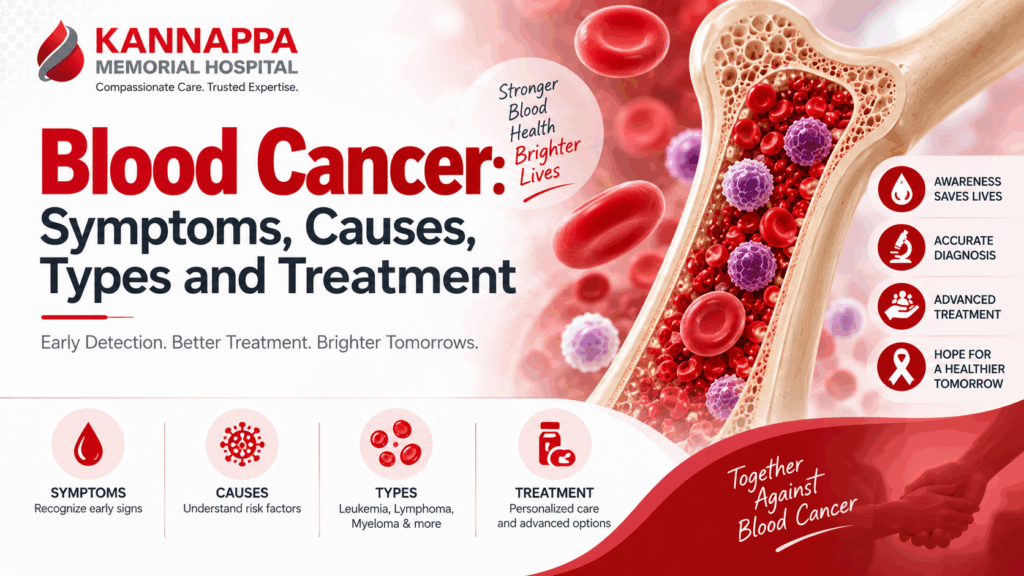
Blood cancer is a serious medical condition that affects the blood, bone marrow, lymphatic system, or other blood-forming tissues. It develops when abnormal blood cells grow uncontrollably and interfere with the production and function of healthy blood cells.
Depending on the type of cancer, blood cancer symptoms may include persistent fatigue, frequent infections, unexplained weight loss, swollen lymph nodes, easy bruising, bleeding, fever, night sweats, or bone pain. Since these symptoms can also occur with other medical conditions, timely evaluation is important.
With advances in diagnosis and treatment, many blood cancers can be managed effectively, and some can be cured. Blood cancer treatment in Chennai may include chemotherapy, targeted therapy, immunotherapy, radiation therapy, or stem cell and bone marrow transplantation, depending on the individual’s diagnosis and condition.
Blood Cancer Treatment in Chennai
What Is Blood Cancer?
Blood cancer, also called hematologic cancer, is a group of cancers that develop in blood-forming tissues such as the bone marrow and lymphatic system.
Unlike many solid cancers, blood cancers may not form a single tumor or mass. Instead, abnormal cells can circulate through the bloodstream or accumulate in the bone marrow and lymph nodes.
The bone marrow normally produces:
- Red blood cells, which carry oxygen
- White blood cells, which help fight infections
- Platelets, which help control bleeding
When abnormal cancer cells interfere with normal blood-cell production, the body may not have enough healthy cells to perform these essential functions.
Understanding the types of blood cancer is important because each condition has different characteristics, treatment approaches, and expected outcomes.
Types of Blood Cancer
Blood cancer is not one single disease. The major types of blood cancer include leukemia, lymphoma, multiple myeloma, and myelodysplastic syndromes.
1. Leukemia
Leukemia begins in the bone marrow and affects blood-forming cells. Abnormal blood cells, often white blood cells, multiply uncontrollably and interfere with normal blood-cell production.
Major types include:
- Acute lymphoblastic leukemia (ALL)
- Acute myeloid leukemia (AML)
- Chronic lymphocytic leukemia (CLL)
- Chronic myeloid leukemia (CML)
Acute leukemia can progress quickly and usually requires prompt treatment, whereas chronic leukemia may develop more slowly.
Treatment depends on the leukemia subtype and may include chemotherapy, targeted therapy, immunotherapy, or stem cell transplantation.
2. Lymphoma
Lymphoma develops in the lymphatic system and commonly affects lymphocytes, a type of white blood cell.
The two major categories are:
- Hodgkin lymphoma
- Non-Hodgkin lymphoma
Common blood cancer symptoms associated with lymphoma may include painless swollen lymph nodes, persistent fever, night sweats, unexplained weight loss, and fatigue.
Treatment may involve chemotherapy, immunotherapy, targeted therapy, radiation therapy, or stem cell transplantation.
3. Multiple Myeloma
Multiple myeloma develops in plasma cells, which are specialized white blood cells located mainly in the bone marrow.
Abnormal plasma cells can produce excessive amounts of abnormal proteins and interfere with healthy blood-cell production. Multiple myeloma may affect the bones, kidneys, immune system, and blood counts.
Treatment can include targeted medicines, immunotherapy, chemotherapy, corticosteroids, and autologous stem cell transplantation for eligible patients.
4. Myelodysplastic Syndromes
Myelodysplastic syndromes, or MDS, are conditions in which the bone marrow produces abnormal or poorly functioning blood cells. Some forms may progress to acute leukemia.
Treatment depends on the specific type of MDS, risk category, age, general health, and other individual factors.
Blood Cancer Symptoms
The blood cancer symptoms experienced by a patient can vary depending on the type and stage of disease. Some people may have only mild or nonspecific symptoms initially.
Common warning signs include:
Persistent Fatigue
Reduced production of healthy red blood cells can cause anemia. This may result in tiredness, weakness, dizziness, or shortness of breath.
Frequent Infections
Abnormal white blood cells may not function normally, reducing the body’s ability to fight infections. Repeated or prolonged infections may occur.
Easy Bruising or Bleeding
A low platelet count can interfere with normal clotting. Patients may notice unexplained bruises, nosebleeds, bleeding gums, or prolonged bleeding.
Swollen Lymph Nodes
Persistent, painless swelling in the neck, armpit, or groin can occur with some lymphomas and other blood cancers.
Unexplained Weight Loss
Unintentional weight loss without changes in diet or exercise should be evaluated, particularly when combined with other symptoms.
Fever and Night Sweats
Unexplained or recurrent fever and excessive night sweating may occur in some blood cancers.
Bone or Joint Pain
Certain leukemias and multiple myeloma can affect the bone marrow and cause bone or joint discomfort.
Shortness of Breath
Anemia caused by reduced red blood cell production can make patients feel breathless, especially during physical activity.
What Causes Blood Cancer?
In many cases, there is no single identifiable cause of blood cancer. The disease generally develops when genetic changes cause blood-forming cells to grow and multiply abnormally.
Factors that may increase the risk of certain blood cancers include:
- Increasing age
- Certain inherited genetic conditions
- Previous chemotherapy or radiation therapy
- Exposure to certain chemicals
- Some viral infections
- Family history of specific blood cancers
- Certain immune-system disorders
Having a risk factor does not mean that a person will definitely develop cancer.
How Is Blood Cancer Diagnosed?
Accurate diagnosis is essential for selecting appropriate treatment. Blood cancer diagnosis may involve several tests depending on the suspected condition.
Complete Blood Count
A CBC measures red blood cells, white blood cells, hemoglobin, and platelets. Abnormal results may indicate that further evaluation is needed.
Peripheral Blood Smear
A blood smear allows specialists to examine blood cells under a microscope and identify abnormal or immature cells.
Bone Marrow Aspiration and Biopsy
A bone marrow examination can determine whether abnormal cells are present in the marrow. It is particularly important for diagnosing many leukemias and other blood disorders.
Flow Cytometry
Flow cytometry identifies specific markers on abnormal blood cells and can help classify certain leukemias and lymphomas.
Genetic and Molecular Testing
Cytogenetic and molecular tests can identify genetic changes associated with particular blood cancers. These results may help doctors select targeted therapies.
Imaging Tests
CT, PET, MRI, or other imaging studies may be recommended, particularly for lymphoma and multiple myeloma, to evaluate lymph nodes, organs, bones, or other areas.
Understanding the results of blood cancer diagnosis helps the specialist determine disease type, risk category, and treatment strategy.
Blood Cancer Treatment Options
Blood cancer treatment options are highly individualized. The treatment plan depends on the cancer type, genetic characteristics, stage or risk category, age, general health, and response to therapy.
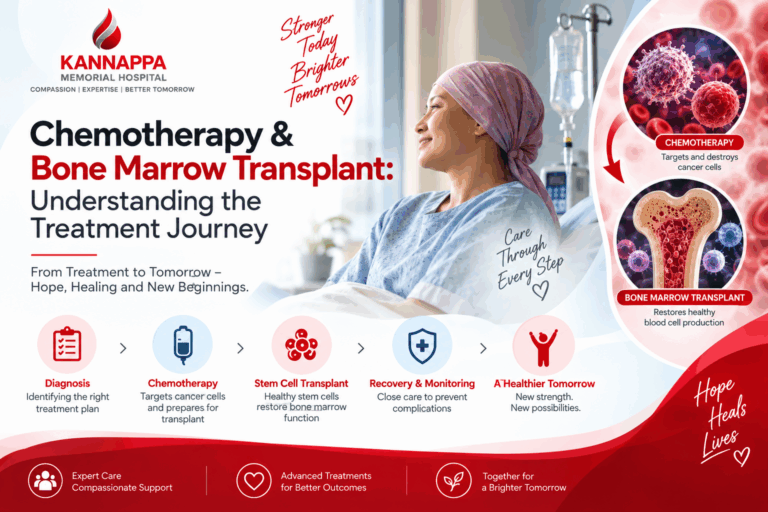
Chemotherapy
Chemotherapy uses medicines to destroy cancer cells or stop their growth. It remains an important treatment for many leukemias, lymphomas, and other blood cancers.
Targeted Therapy
Targeted medicines act on specific molecular or cellular features involved in cancer growth. They may be used alone or alongside other treatments.
Immunotherapy
Immunotherapy helps the immune system recognize and attack cancer cells. Certain antibody-based treatments and cellular therapies may be used for selected blood cancers.
Radiation Therapy
Radiation therapy uses high-energy radiation to destroy cancer cells. It may be recommended in selected lymphoma cases or when treatment is required for a specific area.
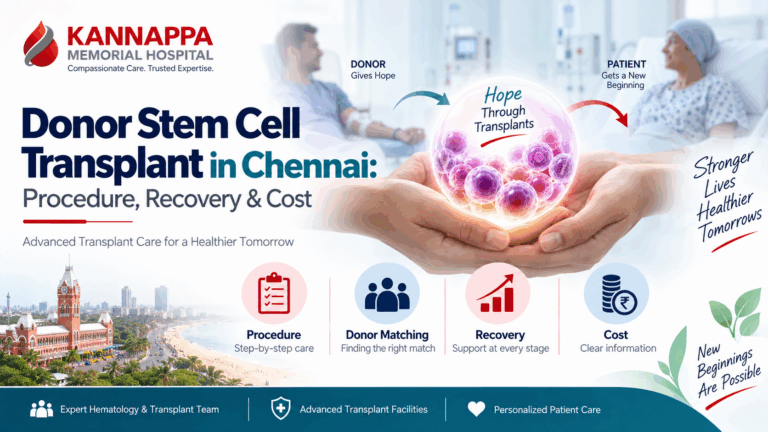
Stem Cell or Bone Marrow Transplant
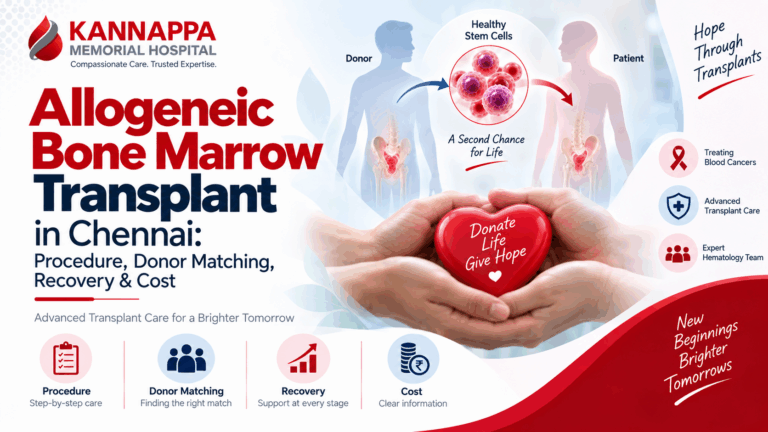
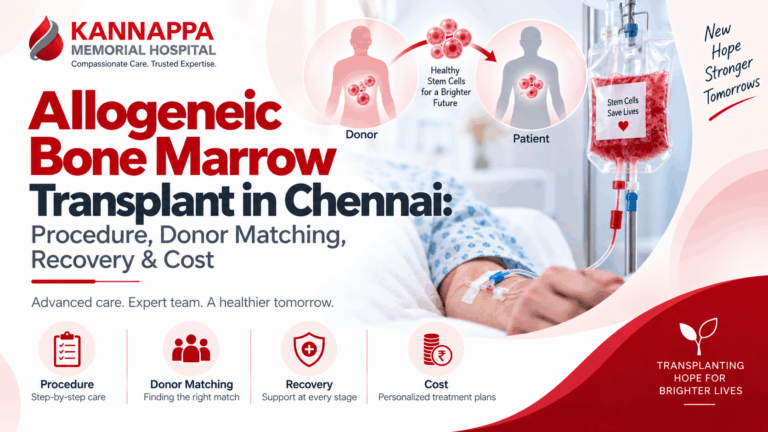
A hematopoietic stem cell transplant, commonly called a bone marrow transplant, may be considered for certain high-risk, relapsed, or treatment-resistant blood cancers.
There are two broad approaches:
- Autologous transplant: The patient’s own stem cells are collected and later returned after intensive treatment.
- Allogeneic transplant: Stem cells are obtained from a suitable donor.
The decision to perform transplantation depends on cancer type, disease status, overall health, donor availability, and other clinical factors.
Why Early Diagnosis Matters
Some blood cancer symptoms can initially appear mild or may resemble common infections, anemia, or other health problems. Persistent fatigue, recurrent infections, unexplained bruising, prolonged fever, swollen lymph nodes, unexplained weight loss, or bone pain should not be ignored.
Early medical evaluation can help identify the underlying cause and allow appropriate treatment to begin when necessary.
A CBC and other blood tests can provide important clues, but a definitive blood cancer diagnosis may require additional investigations such as bone marrow examination, flow cytometry, genetic testing, or tissue biopsy.
Blood Cancer Treatment in Chennai
Patients looking for blood cancer treatment in Chennai should consider a medical centre with experienced hematologists and oncologists, appropriate diagnostic facilities, chemotherapy services, supportive care, and access to stem cell transplantation when clinically indicated.
Kannappa Memorial Hospital provides specialized hematology and blood cancer services for conditions including leukemia, lymphoma, and myeloma. Treatment may include chemotherapy, targeted therapy, immunotherapy, and stem cell or bone marrow transplantation when appropriate.
The hospital’s services are designed around individualized treatment planning and multidisciplinary care.
Patients searching for a blood cancer hospital in Chennai can explore Kannappa Memorial Hospital’s specialized services and discuss their diagnosis and treatment options with an experienced medical team.
Can Blood Cancer Be Cured?
Whether blood cancer can be cured depends on the specific disease and its characteristics. Some blood cancers can be cured with appropriate treatment, while others can be controlled for many years with modern therapies.
Certain forms of leukemia and lymphoma may have high cure rates with appropriate treatment. Multiple myeloma is generally considered a long-term condition that can often be controlled effectively with modern treatment, although ongoing monitoring and therapy may be required.
Advances in targeted therapy, immunotherapy, cellular therapy, and stem cell transplantation continue to expand blood cancer treatment options.
When Should You See a Doctor?
You should consider medical evaluation if you experience persistent or unexplained:
- Fatigue or weakness
- Fever
- Recurrent infections
- Bruising or bleeding
- Swollen lymph nodes
- Night sweats
- Weight loss
- Bone or joint pain
- Shortness of breath
These symptoms do not necessarily indicate cancer. However, when they persist or occur together, appropriate evaluation can help determine the cause.
Conclusion
Blood cancer includes several different diseases, including leukemia, lymphoma, multiple myeloma, and myelodysplastic syndromes. Recognizing possible blood cancer symptoms and seeking timely medical evaluation can help support early and accurate diagnosis.
Modern blood cancer treatment options include chemotherapy, targeted therapy, immunotherapy, radiation therapy, and stem cell or bone marrow transplantation. The appropriate treatment depends on the individual diagnosis, disease characteristics, overall health, and response to therapy.
For patients seeking blood cancer treatment in Chennai, Kannappa Memorial Hospital provides specialized hematology and blood cancer care supported by diagnostic, treatment, and transplant services.