Introduction
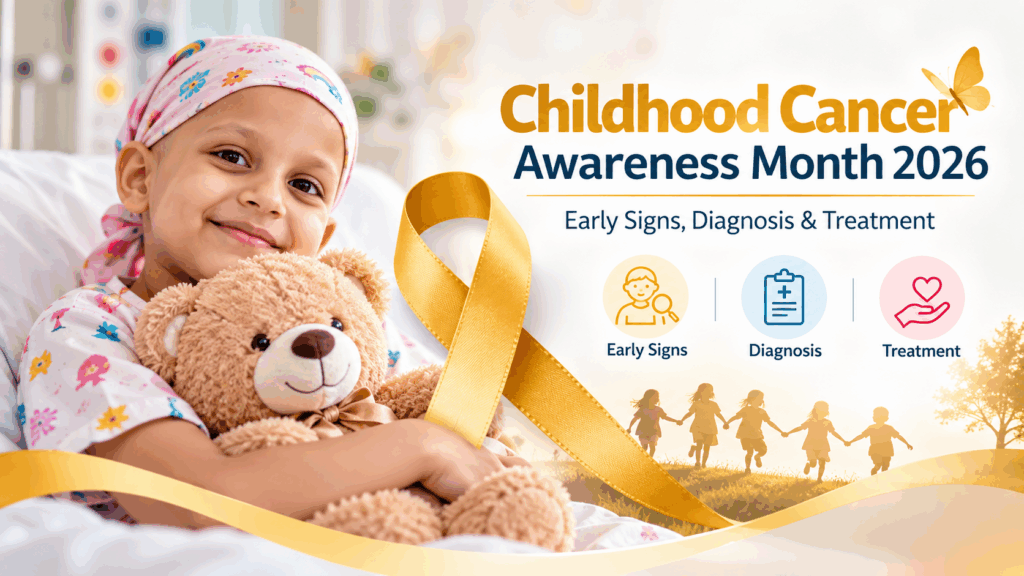
Childhood Cancer Awareness Month is observed every September to raise awareness about cancers affecting children, encourage timely medical evaluation, and highlight the importance of appropriate cancer care and support for young patients and their families.
Childhood cancer is different from many cancers seen in adults. It can affect different organs and tissues, and the approach to diagnosis and treatment depends on the specific cancer, its characteristics, and the child’s individual needs. According to the National Cancer Institute (NCI), common childhood cancers include leukemia, brain and central nervous system tumors, lymphoma, neuroblastoma, Wilms tumor, retinoblastoma, and bone and soft-tissue cancers.
During Childhood Cancer Awareness Month, parents, caregivers, healthcare professionals, and communities can help by learning about possible warning signs and understanding when medical evaluation may be necessary.
What Is Childhood Cancer?
Childhood cancer refers to cancers that develop during childhood. NCI defines childhood cancer as cancer occurring from birth through age 14. These cancers can differ from adult cancers in how they develop, spread, respond to treatment, and are managed.
Unlike many adult cancers, the causes of most childhood cancers are not known. NCI notes that a small proportion are associated with inherited genetic mutations, while identifying environmental causes for most childhood cancers remains difficult.
This is why parents should avoid assuming that a child’s cancer is caused by a particular food, activity, or lifestyle factor without medical evidence.
Common Types of Pediatric Cancer
Pediatric cancer includes several different diseases. Some of the more common types include:
1. Childhood Leukemia
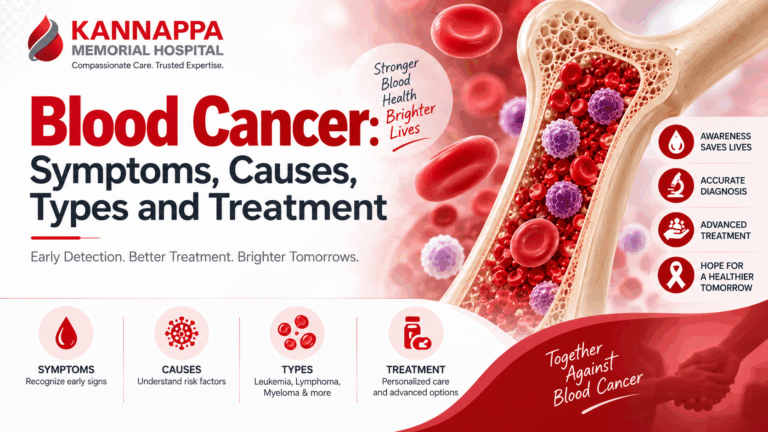
Leukemia is a cancer of blood-forming tissues and is among the most common cancers diagnosed in children. Acute lymphoblastic leukemia (ALL) and acute myeloid leukemia (AML) are important types of childhood leukemia.
2. Brain and Central Nervous System Tumors
Brain and spinal cord tumors can affect children and may cause symptoms depending on the location and size of the tumor.
3. Lymphoma
Lymphoma affects the lymphatic system. Hodgkin lymphoma and non-Hodgkin lymphoma are two broad categories.
4. Neuroblastoma
Neuroblastoma develops from immature nerve cells and is most commonly diagnosed in infants and young children.
5. Wilms Tumor
Wilms tumor is a type of kidney cancer that primarily affects children.
6. Retinoblastoma
Retinoblastoma is a cancer affecting the retina of the eye and can occur in young children.
7. Bone and Soft-Tissue Cancers
Some children develop cancers affecting bones or soft tissues. These include conditions such as osteosarcoma and certain sarcomas.
Because different childhood cancers behave differently, Childhood Cancer Treatment must be tailored to the specific diagnosis.
Childhood Cancer Symptoms Parents Should Know
Recognizing possible Childhood Cancer Symptoms does not mean assuming that a child has cancer. Many symptoms associated with childhood cancer can also occur because of common infections, injuries, nutritional problems, or other non-cancerous conditions.
However, persistent or unusual symptoms should be discussed with a doctor.
Possible warning signs can include:
- Persistent or unexplained fever
- Unusual tiredness or weakness
- Unexplained weight loss
- Persistent headaches
- Repeated vomiting
- Unusual bruising or bleeding
- Pale skin
- Persistent bone or joint pain
- A lump or swelling
- Swollen lymph nodes
- Changes in vision
- Difficulty walking or maintaining balance
- Persistent abdominal swelling or pain
- Frequent or unexplained infections
The National Cancer Institute notes that cancer symptoms can have many other causes, but symptoms that do not improve after several weeks should be medically evaluated.
When Should Parents Consult a Doctor?
Parents should consider consulting a pediatrician when symptoms are persistent, unusual, recurrent, worsening, or significantly affecting the child’s daily activities.
For example, unexplained bruising accompanied by fatigue or persistent fever deserves medical attention. Similarly, a persistent lump, unexplained weight loss, or ongoing pain should not simply be ignored.
A medical evaluation does not automatically mean that cancer is suspected. The purpose is to understand the cause of the symptoms and determine whether further investigation is necessary.
How Is Childhood Cancer Diagnosed?
The diagnosis of childhood cancer usually involves several steps.
Medical History and Physical Examination
The doctor may ask about symptoms, their duration, previous illnesses, family history, and changes in the child’s health.
Blood Tests
Blood tests may help identify abnormalities in blood cells and other indicators that require further evaluation.
Imaging Tests
Depending on the symptoms, doctors may recommend imaging studies such as ultrasound, CT, MRI, or other appropriate tests.
Biopsy
For certain cancers, a biopsy may be necessary. During a biopsy, a sample of tissue is examined to determine whether cancer cells are present.
Additional Tests
Depending on the suspected cancer, additional laboratory, genetic, molecular, or specialized tests may be recommended.
A confirmed diagnosis allows the healthcare team to determine the cancer type and develop an appropriate treatment plan.
Childhood Cancer Treatment Options
Childhood Cancer Treatment depends on several factors, including the type of cancer, its characteristics, whether it has spread, and the child’s overall situation.
NCI identifies several major cancer treatment approaches, including surgery, chemotherapy, radiation therapy, immunotherapy, targeted therapy, and blood stem cell transplantation.
Chemotherapy
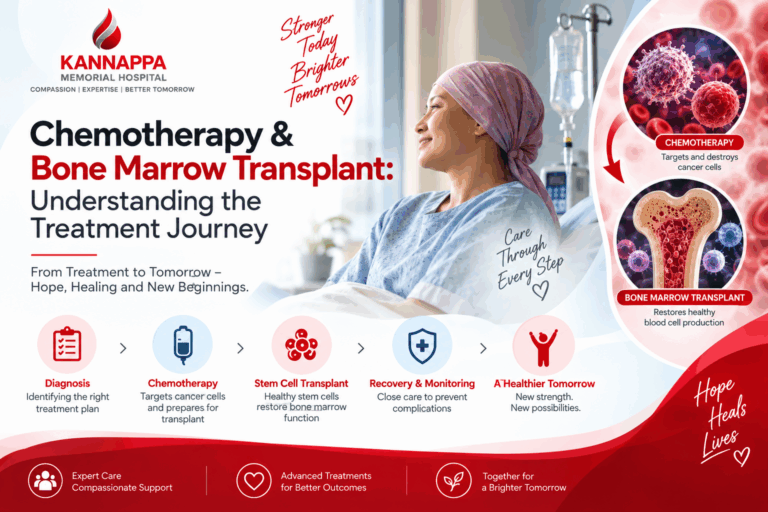
Chemotherapy uses medicines to kill cancer cells or stop their growth. It may be used alone or together with other treatments depending on the cancer.
Surgery
Surgery may be used to remove a tumor when appropriate.
Radiation Therapy
Radiation therapy uses high-energy radiation to destroy cancer cells or slow their growth. Its use depends on the type and location of the cancer.
Immunotherapy
Immunotherapy helps the immune system recognize or fight cancer cells. Certain immunotherapy approaches are used for selected childhood cancers.
Targeted Therapy
Targeted therapies are designed to act on specific changes or molecules involved in cancer-cell growth. They may be appropriate for selected cancers based on testing.
Stem Cell Transplantation
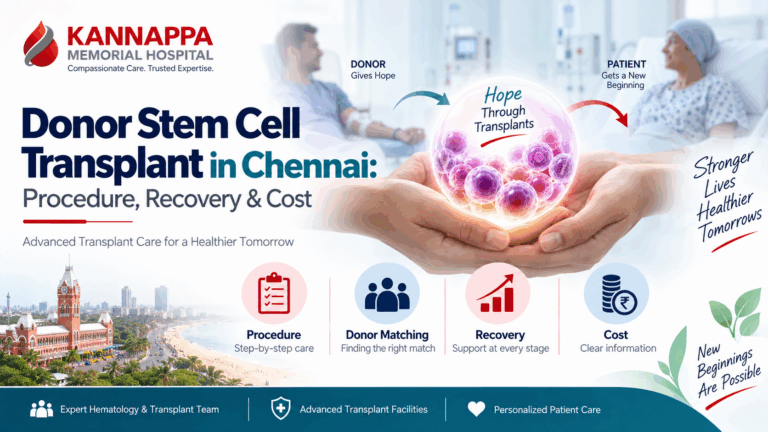
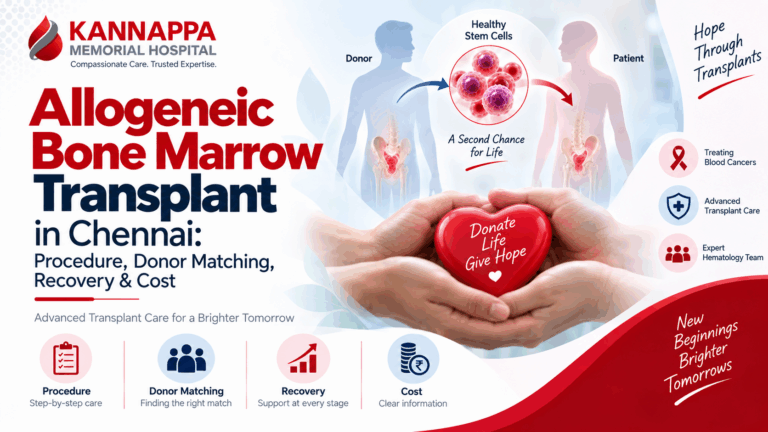
Blood stem cell transplantation may be considered for certain childhood blood cancers and other conditions. The decision depends on the specific diagnosis and treatment plan.
Why Specialized Pediatric Cancer Care Matters
Children are not simply small adults. Their bodies are developing, and cancer and cancer treatments can affect children differently from adults.
NCI notes that pediatric oncology is a specialized field focused on treating children with cancer. Pediatric cancer centers may bring together pediatric oncologists, hematologists, surgeons, radiation oncologists, nurses, rehabilitation specialists, social workers, and other professionals.
A multidisciplinary approach can help address not only the cancer itself but also nutrition, infection prevention, emotional wellbeing, education, rehabilitation, and follow-up care.
Supporting a Child During Cancer Treatment
Cancer treatment can be challenging for children and families. Supportive care is therefore an important part of the treatment journey.
Parents and caregivers can help by:
- Maintaining familiar routines when medically possible
- Explaining procedures in age-appropriate language
- Encouraging questions
- Supporting adequate nutrition as advised by the medical team
- Following medication and appointment instructions
- Taking precautions recommended by the healthcare team
- Keeping communication open with teachers and caregivers
- Seeking emotional and psychological support when needed
Families should discuss concerns directly with the child’s healthcare team rather than relying on unverified online information.
Childhood Cancer Survivorship and Follow-Up
Finishing treatment is an important milestone, but follow-up care remains important.
Some childhood cancer survivors may experience health effects months or years after treatment. NCI explains that these late effects can vary depending on factors such as the child’s age, cancer type, and treatments received.
Regular follow-up helps healthcare professionals monitor recovery, identify potential late effects, and provide appropriate support.
The Role of Awareness During Childhood Cancer Awareness Month
The purpose of Childhood Cancer Awareness Month is not simply to focus on cancer itself. It is also an opportunity to promote awareness, encourage timely medical evaluation, support families, and recognize the importance of continued research.
Research has contributed to advances in childhood cancer treatment. NCI-supported research includes studies of immunotherapies, targeted therapies, and other approaches for selected pediatric cancers.
Awareness can encourage parents to seek medical advice when something about their child’s health seems unusual or persistent.
When Should You Seek Specialist Advice?
Parents should seek medical advice if a child has persistent or unexplained symptoms, particularly when symptoms continue, worsen, recur frequently, or are accompanied by several concerning changes.
Only a qualified healthcare professional can determine whether symptoms require further investigation.
If childhood cancer is diagnosed, treatment should be planned by an appropriate specialist team based on the child’s diagnosis and individual circumstances.
Conclusion
Childhood Cancer Awareness Month provides an important opportunity to understand pediatric cancers and the importance of timely medical evaluation.
Childhood cancer can involve different diseases, including leukemia, lymphoma, brain tumors, neuroblastoma, kidney tumors, and bone or soft-tissue cancers. Symptoms can vary widely, and many symptoms have causes unrelated to cancer. However, persistent or unexplained changes in a child’s health should be discussed with a doctor.
Modern Childhood Cancer Treatment may involve chemotherapy, surgery, radiation therapy, immunotherapy, targeted therapy, stem cell transplantation, or combinations of these approaches depending on the diagnosis.
During this Childhood Cancer Awareness Month, increasing awareness, supporting families, and encouraging appropriate medical care can help create a more informed approach to childhood cancer.