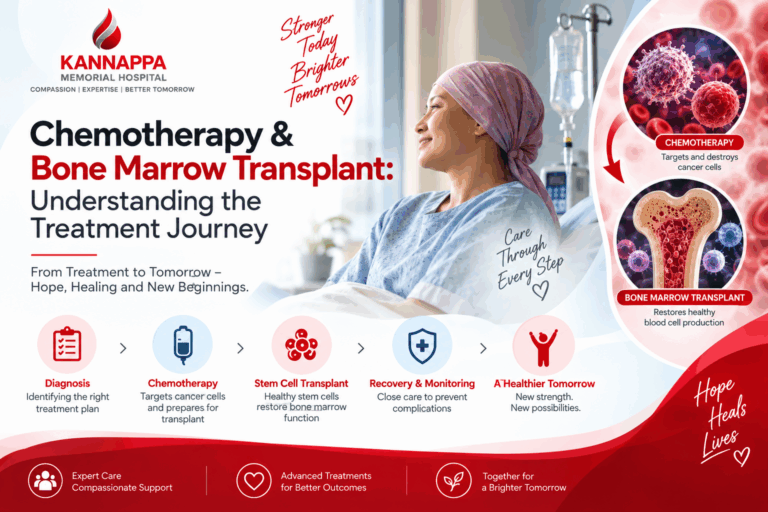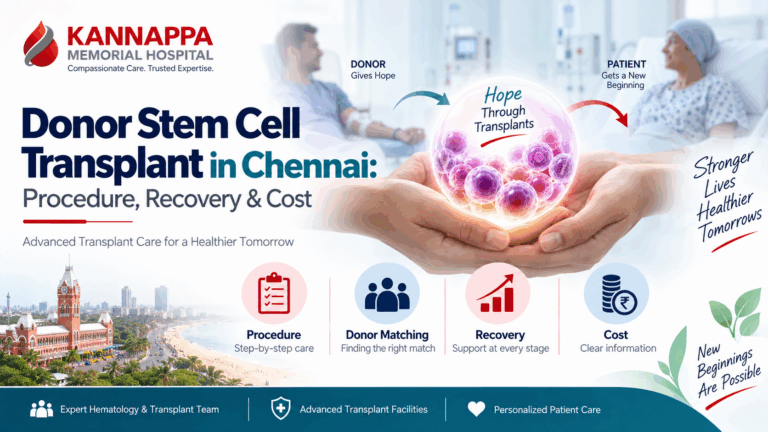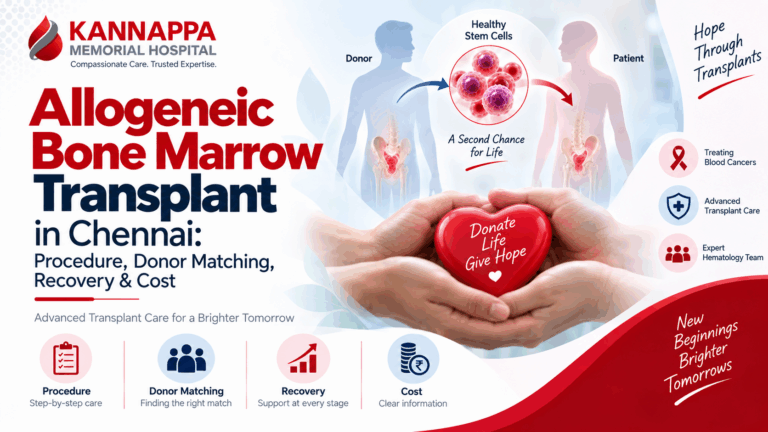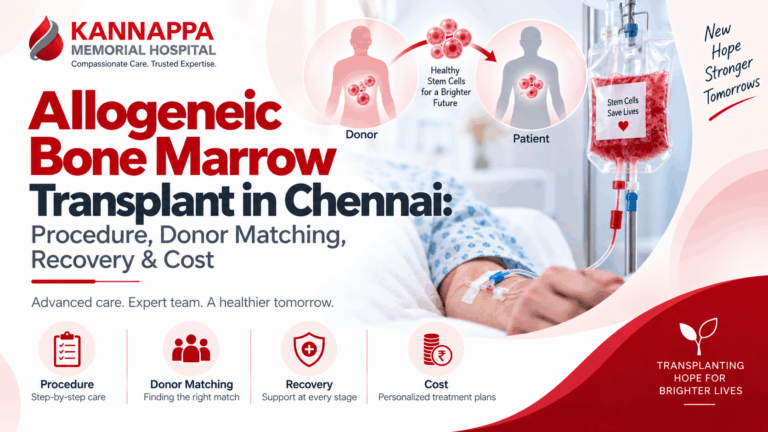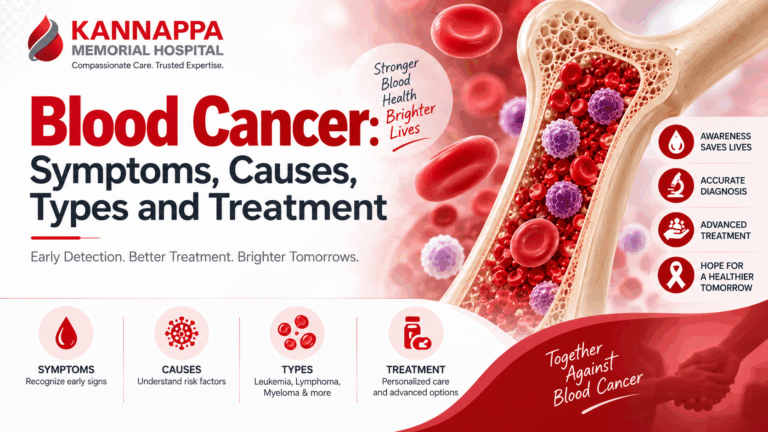
Blood Cancer Awareness Month is a time to raise awareness about leukemia, lymphoma, multiple myeloma, and other blood-related cancers while highlighting the importance of early diagnosis, advanced treatment, and ongoing medical research. Every year, advances in cancer research bring new diagnostic tools and treatment approaches that offer hope to patients and their families.
Blood cancers can affect people of all ages. Understanding the warning signs, knowing available treatment options, and seeking timely medical evaluation can make an important difference in patient care.
What Is Blood Cancer?
Blood cancer is a group of cancers that affect blood cells, bone marrow, or the lymphatic system. These cancers occur when abnormal blood cells grow uncontrollably and interfere with the body’s normal blood-cell production and immune functions.
The three major types of blood cancer are:
- Leukemia
- Lymphoma
- Multiple myeloma
Each type has different subtypes, symptoms, risk factors, and treatment approaches. Modern blood cancer treatment is increasingly personalized according to the specific disease and characteristics of each patient.
Types of Blood Cancer
Leukemia
Leukemia is a cancer of blood-forming tissues, particularly the bone marrow. It causes abnormal blood cells to multiply rapidly or abnormally, affecting the production of healthy red blood cells, white blood cells, and platelets.
Leukemia may be classified as acute or chronic. Some forms progress rapidly and require immediate treatment, while others develop more slowly.
Lymphoma
Lymphoma affects the lymphatic system, an important part of the immune system. The two broad categories are Hodgkin lymphoma and non-Hodgkin lymphoma.
Common symptoms may include swollen lymph nodes, persistent fever, night sweats, unexplained weight loss, and fatigue.
Multiple Myeloma
Multiple myeloma affects plasma cells, which are immune cells produced in the bone marrow. Abnormal plasma cells can accumulate in the bone marrow and interfere with healthy blood-cell production.
Bone pain, anemia, recurrent infections, and kidney-related problems may occur in some patients.
Blood Cancer Warning Signs
Recognizing potential symptoms is an important part of blood cancer awareness. Some symptoms can be caused by common conditions and do not necessarily indicate cancer. However, persistent or unexplained symptoms should be evaluated by a healthcare professional.
Possible warning signs include:
- Persistent fatigue or weakness
- Unexplained fever
- Frequent infections
- Easy bruising
- Unusual bleeding
- Pale skin
- Unexplained weight loss
- Persistent swollen lymph nodes
- Night sweats
- Bone or joint pain
- Abdominal discomfort or fullness
Because symptoms vary between different blood cancers, professional evaluation is essential.
Why Early Diagnosis Matters
Early and accurate diagnosis is a key component of effective cancer care. Depending on the symptoms and suspected diagnosis, doctors may recommend blood tests, peripheral blood examination, bone marrow tests, lymph node biopsy, imaging, flow cytometry, cytogenetic testing, or molecular testing.
These investigations help doctors determine the exact type and characteristics of the blood cancer.
Modern diagnostic testing can also identify genetic and molecular changes that may influence prognosis and treatment decisions.
Advances in Blood Cancer Treatment
The field of blood cancer treatment has changed significantly because of advances in medical research. Traditional chemotherapy remains important for many patients, but doctors may now have access to targeted therapies, immunotherapy, cellular therapies, and stem cell transplantation for selected conditions.
Targeted Therapy
Targeted therapies are designed to act on specific molecules or biological pathways involved in cancer development and growth.
Because these treatments focus on particular characteristics of cancer cells, they may provide an effective option for patients whose disease has an appropriate target.
Immunotherapy
Immunotherapy uses or enhances the body’s immune response to identify and attack cancer cells.
Several forms of immunotherapy have become important in the treatment of selected blood cancers. Research continues to identify new immune targets and develop more effective approaches.
CAR-T Cell Therapy
CAR-T cell therapy is an advanced form of cellular immunotherapy.
In this treatment, T cells are collected from the patient and modified in a specialized laboratory so they can recognize specific cancer cells. The modified cells are then administered back to the patient.
CAR-T therapy has become an important treatment option for certain blood cancers, particularly for selected patients whose disease has returned or has not responded adequately to previous treatments.
Stem Cell Transplantation
Stem cell transplantation is another important treatment approach for selected blood cancers.
A transplant may use the patient’s own stem cells, known as an autologous stem cell transplant, or stem cells obtained from a suitable donor, known as an allogeneic stem cell transplant.
Depending on the disease, transplantation may be considered when high-dose treatment is required or when the patient’s disease characteristics indicate that transplantation could provide a potential benefit.
Advances in donor matching, conditioning approaches, infection prevention, and supportive care continue to improve transplant outcomes.
The Importance of Stem Cell Donation
For patients who require an allogeneic transplant, finding a suitable donor can be an important part of the treatment process.
A donor is selected based on genetic compatibility and other medical factors. A suitable match may come from a family member or, when an appropriate family donor is unavailable, from an unrelated donor registry.
Greater awareness about stem cell donation and donor registration can help increase the possibility of finding suitable donors for patients who need transplantation.
Personalized Blood Cancer Treatment
Modern cancer care increasingly focuses on personalized treatment.
Two patients diagnosed with the same broad type of blood cancer may have different genetic characteristics, disease risks, previous treatment histories, and responses to therapy.
Doctors may consider:
- Blood cancer subtype
- Genetic and molecular findings
- Disease stage and risk
- Patient’s age
- General health
- Previous treatment
- Response to treatment
- Minimal residual disease findings
- Stem cell donor availability
This information can help the medical team develop a treatment plan suited to the patient’s individual circumstances.
Supportive Care During Blood Cancer Treatment
Blood cancer treatment involves more than controlling abnormal cells. Supportive care is an essential part of the overall treatment journey.
Patients may need monitoring and management of:
- Infections
- Anemia
- Low platelet counts
- Treatment-related side effects
- Nutrition
- Pain
- Fatigue
- Emotional well-being
- Transplant-related complications
A multidisciplinary medical team can help manage these issues and support the patient’s recovery.
The Role of Families and Caregivers
A blood cancer diagnosis can be challenging for both patients and their families.
Caregivers can provide valuable support by helping patients attend appointments, follow medication schedules, maintain appropriate nutrition, and communicate concerns to the healthcare team.
Emotional support is equally important. Encouraging patients to discuss their concerns with doctors, counselors, or support groups can help them cope with the challenges associated with diagnosis and treatment.
Blood Cancer Research: Creating New Possibilities
Medical research continues to transform the treatment of blood cancers.
Researchers are studying:
- Precision medicine
- New targeted therapies
- Immunotherapy
- CAR-T cell therapy
- Other cellular therapies
- Stem cell transplantation
- Minimal residual disease monitoring
- Genetic testing
- Novel drug combinations
The goal is to improve treatment effectiveness, reduce complications, identify disease earlier, and provide better long-term outcomes.
Continued research is essential because every blood cancer is different, and treatments that work well for one patient may not be appropriate for another.
How Can You Support Blood Cancer Awareness Month?
Everyone can contribute to blood cancer awareness.
1. Learn the Warning Signs
Understanding possible symptoms can encourage people to seek medical attention when something unusual persists.
2. Share Reliable Information
Use trusted healthcare sources when sharing information about blood cancer diagnosis and treatment.
3. Encourage Timely Medical Evaluation
Persistent or unexplained symptoms should not be ignored. A healthcare professional can determine whether further tests are necessary.
4. Learn About Stem Cell Donation
Eligible individuals can learn more about stem cell donor registration through recognized donor registries.
5. Support Patients and Families
Emotional, practical, and social support can make a meaningful difference throughout treatment and recovery.
Conclusion
Blood Cancer Awareness Month is more than an awareness campaign. It is an opportunity to educate communities, encourage timely diagnosis, support patients, and highlight the progress being made through medical research.
From targeted therapies and immunotherapy to CAR-T cell therapy and stem cell transplantation, advances in blood cancer treatment are creating new possibilities for many patients.
Awareness can encourage earlier medical evaluation. Research can lead to better treatments. And compassionate, specialized care can help patients and families navigate the treatment journey.
If you or someone you know has persistent or unexplained symptoms, consult a qualified healthcare professional for appropriate evaluation and advice.
Awareness creates understanding. Research creates hope. Better treatment can help save lives.