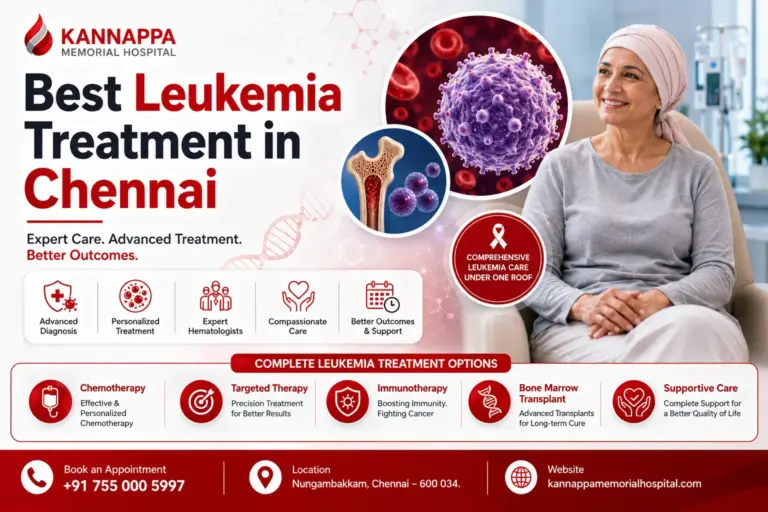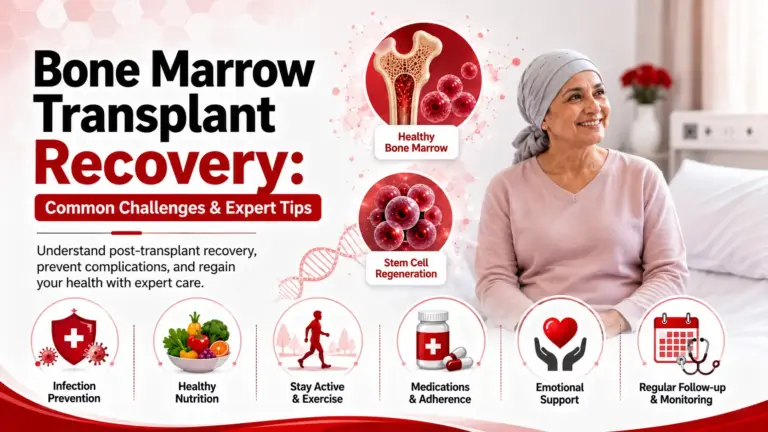

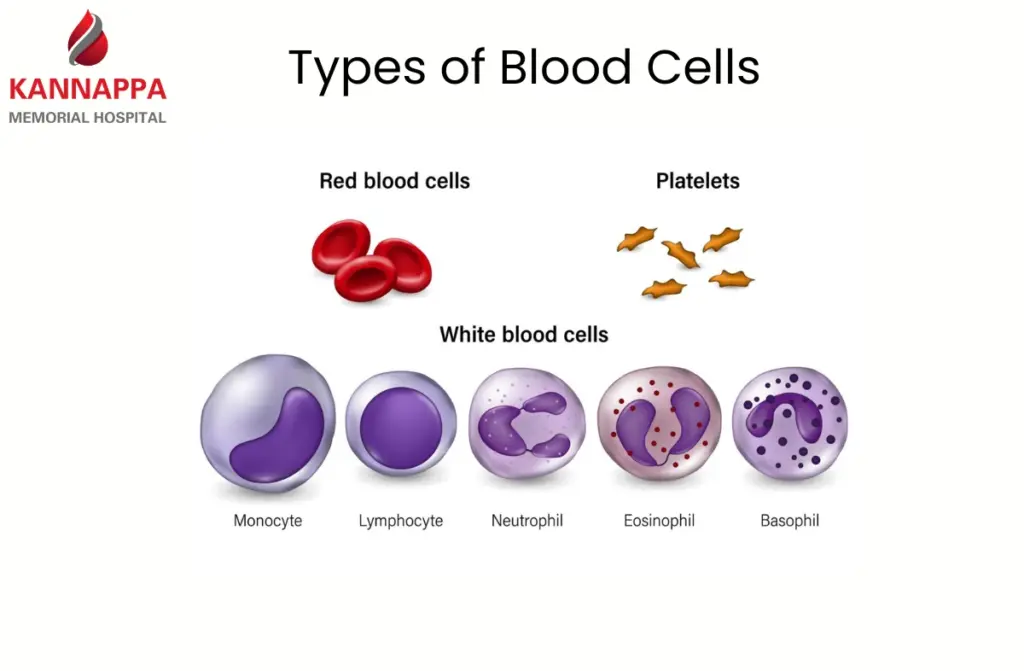
Hematology is a highly specialized field of medicine dedicated to the study, diagnosis, treatment, and prevention of diseases related to blood and its components, including red blood cells, white blood cells, platelets, bone marrow, and the lymphatic system. Blood plays a critical role in maintaining overall health by transporting oxygen, fighting infections, and regulating bodily functions. Any abnormality in blood composition or function can lead to serious health complications, making timely diagnosis and expert intervention essential.
With access to advanced diagnostic technologies, modern treatment protocols, and multidisciplinary care, patients in Kilpauk benefit from world class hematology services. Whether dealing with common conditions like anemia or complex diseases such as leukemia, lymphoma, or clotting disorders, choosing the Best Hematologist in Kilpauk ensures accurate diagnosis, effective treatment, and improved quality of life.
Top Hematologists in Kilpauk, Chennai
Kilpauk has established itself as a center for advanced medical care, attracting highly qualified hematologists who specialize in treating a wide spectrum of blood disorders. These specialists combine clinical expertise with compassionate care, offering personalized treatment plans tailored to each patient’s condition.
Dr. Margaret Chellaraj
Senior Consultant: Haematologist & Bone Marrow Transplant Physician
- Specialization: Anemia, hematologic malignancies, bone marrow transplantation
- Qualifications: MD (General Medicine), DM (Hematology)
- Experience: 39+ years
- Treatment Approach: Chemotherapy, targeted therapy, immunotherapy, bone marrow transplantation
Dr. Margaret Chellaraj is widely regarded as one of the most experienced hematologists in Kilpauk. With nearly four decades of expertise, she has successfully treated thousands of patients with various blood disorders. Her areas of focus include anemia related to chronic illness, nutritional deficiencies, and liver disorders, as well as complex hematologic cancers. She is particularly known for her precision driven treatment strategies, integrating advanced therapies like immunotherapy and bone marrow transplantation to achieve optimal outcomes.
Dr. A. Steve Thomas
Consultant Hematologist
- Specialization: Leukemia, lymphoma, multiple myeloma, bleeding and clotting disorders
- Qualifications: MD (General Medicine), DM (Clinical Hematology)
- Experience: 10+ years
- Treatment Approach: Chemotherapy, immunotherapy, targeted therapy, stem cell transplantation
Dr. A. Steve Thomas is a highly respected hematologist in Kilpauk known for his expertise in managing complex blood cancers and hematologic conditions. His clinical practice focuses on delivering personalized care through accurate diagnosis and evidence based treatment plans. He is skilled in advanced therapies, including stem cell transplantation and targeted treatments, ensuring patients receive cutting edge care tailored to their condition.
Dr. R. Jesu Pandian
Senior Hematology Specialist
- Specialization: Anemia, myeloma, thrombocytopenia, leukemia, clotting disorders
- Qualifications: MD (Internal Medicine), DM (Hematology)
- Experience: 14+ years
- Treatment Approach: Chemotherapy, immunotherapy, targeted therapy, anticoagulation management
Dr. R. Jesu Pandian is known for his strong diagnostic abilities and patient centric approach. He has extensive experience in managing chronic and complex blood disorders, including thrombocytopenia and myeloma. His treatment philosophy emphasizes individualized care plans, ensuring that each patient receives therapies suited to their specific medical condition and overall health profile.
Dr. Anuragaa S
Pediatric Hematologist
- Specialization: Advanced diagnosis and treatment of blood cancers using therapies such as chemotherapy, targeted therapy, and bone marrow transplantation, supported by multidisciplinary care teams.
- Qualifications: MD (Pediatrics), DM (Hematology)
- Experience: 8+ years
- Treatment Approach: Chemotherapy, transfusion therapy, iron chelation, bone marrow transplantation
Dr. Anuragaa S specializes in pediatric hematology and is highly regarded for her compassionate approach to treating children with blood disorders. She has expertise in managing genetic conditions like thalassemia and sickle cell anemia, as well as childhood leukemia. Her patient friendly approach and focus on long term care make her a trusted specialist for families in Kilpauk.
Understanding Blood Disorders
Blood disorders can range from mild conditions to life threatening diseases. Understanding these conditions helps in recognizing symptoms early and seeking appropriate care.
Common Blood Disorders
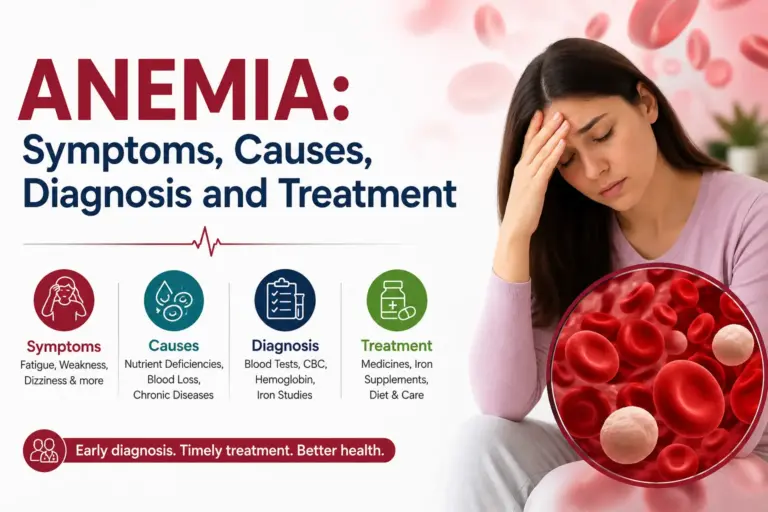
- Anemia: A condition characterized by low red blood cell count or hemoglobin levels, leading to fatigue and weakness
- Thalassemia: A genetic disorder affecting hemoglobin production
- Sickle Cell Disease: A hereditary condition causing abnormal red blood cell shape
Blood Cancers
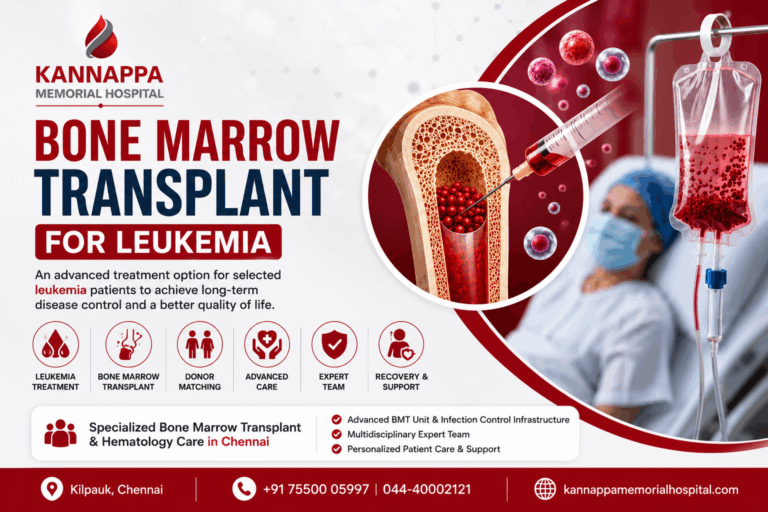
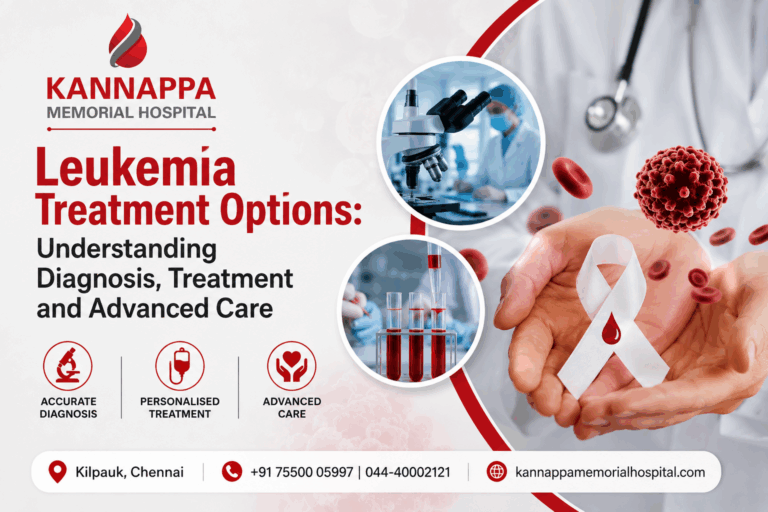
- Leukemia: A type of cancer that develops in blood forming tissues, leading to the abnormal production and function of white blood cells.
- Lymphoma: Cancer of the lymphatic system
- Multiple Myeloma: Cancer affecting plasma cells in the bone marrow
Clotting and Bleeding Disorders
- Hemophilia: A genetic disorder affecting blood clotting
- Thrombocytopenia: Low platelet count leading to excessive bleeding
- Deep Vein Thrombosis (DVT): Formation of blood clots in deep veins
Early diagnosis and treatment by an experienced hematologist in Kilpauk can significantly improve outcomes and prevent complications.
Importance of Consulting a Hematologist
Consulting a hematologist is crucial for individuals experiencing symptoms such as persistent fatigue, unexplained bruising, frequent infections, or abnormal bleeding. Hematologists specialize in identifying underlying causes and providing targeted treatment.
Key Benefits of Expert Hematology Care
- Early Detection of Serious Conditions
Hematologists use advanced diagnostic tools to detect diseases like leukemia and lymphoma at an early stage, improving survival rates and treatment success. - Management of Chronic Disorders
Conditions like thalassemia and sickle cell anemia require lifelong monitoring. Hematologists ensure consistent care through regular check ups and therapy adjustments. - Personalized Treatment Plans
Every patient’s condition is unique. Hematologists design customized treatment strategies based on medical history, genetic factors, and disease progression. - Multidisciplinary Approach
Hematologists often collaborate with oncologists, radiologists, and transplant specialists to provide comprehensive care. - Support during Surgery and Transplants
Proper blood management is essential during major surgeries and organ transplants. Hematologists play a key role in ensuring patient safety.
Advanced Diagnostic Technologies in Kilpauk
Modern hematology relies on advanced diagnostic tools to ensure precise and accurate diagnosis. Hematologists in Kilpauk utilize cutting edge technologies to improve patient outcomes.
Molecular and Genetic Testing
These tests identify gene mutations and chromosomal abnormalities, helping diagnose conditions like leukemia and inherited blood disorders. This enables targeted therapies tailored to the patient’s genetic profile.
Flow Cytometry
Flow cytometry analyzes blood cells at a microscopic level, identifying abnormal cell populations. It is widely used in diagnosing leukemia and lymphoma.
Next Generation Sequencing (NGS)
NGS provides detailed genetic analysis, allowing hematologists to detect rare mutations and predict disease progression. This technology supports precision medicine.
Automated Hematology Analyzers
These machines provide quick and accurate blood counts, enabling faster diagnosis of conditions like anemia and infections.
Digital Pathology and AI
Artificial intelligence enhances the analysis of blood samples, improving diagnostic accuracy and enabling early detection of complex disorders.
Treatment Options in Hematology
Hematologists in Kilpauk provide a comprehensive range of advanced treatment options tailored to the specific type and severity of blood disorders. These treatments are designed to improve patient outcomes, manage symptoms, and enhance overall quality of life.
- Chemotherapy
A widely used treatment for blood cancers, chemotherapy works by destroying or slowing the growth of abnormal cells. - Immuno Therapy
This approach strengthens the body’s immune system, enabling it to identify and effectively fight cancer cells. - Targeted Therapy
Targeted therapy focuses on specific genetic mutations or proteins involved in disease progression, minimizing damage to surrounding healthy cells. - Blood Transfusion
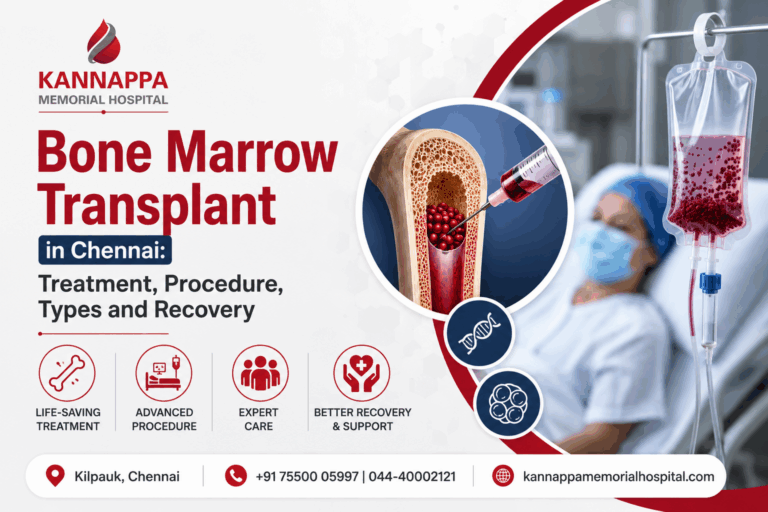
Used to restore healthy blood components such as red cells, white cells, or platelets in patients with deficiencies or blood loss. - Bone Marrow Transplantation
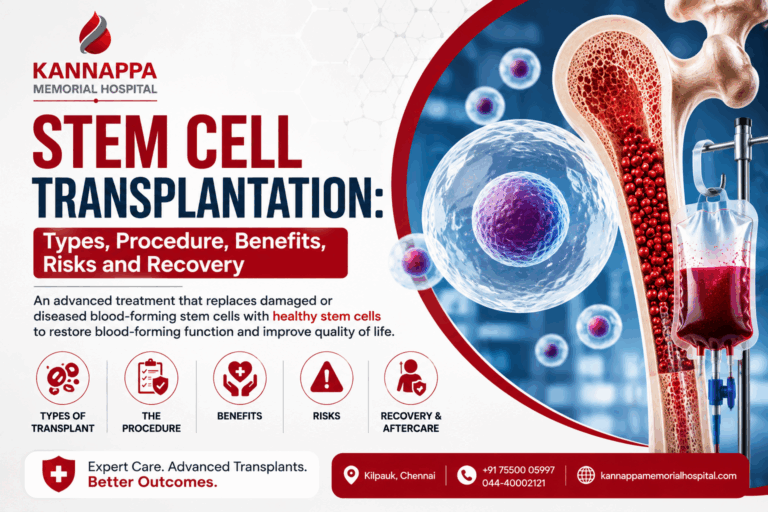
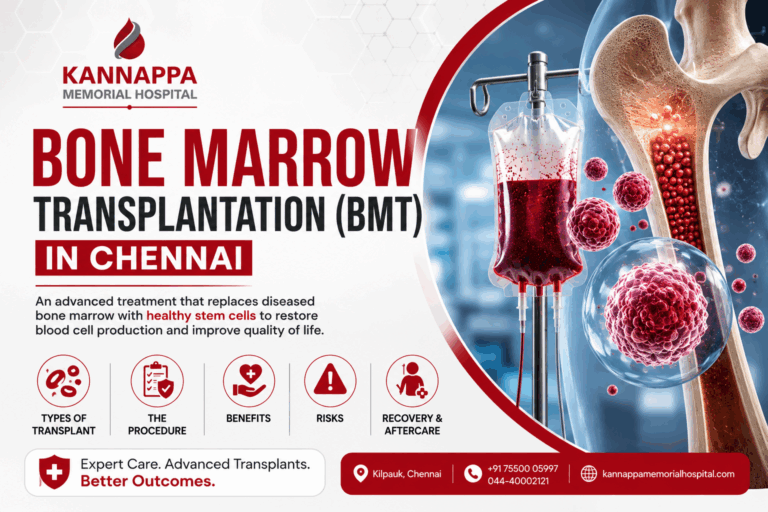
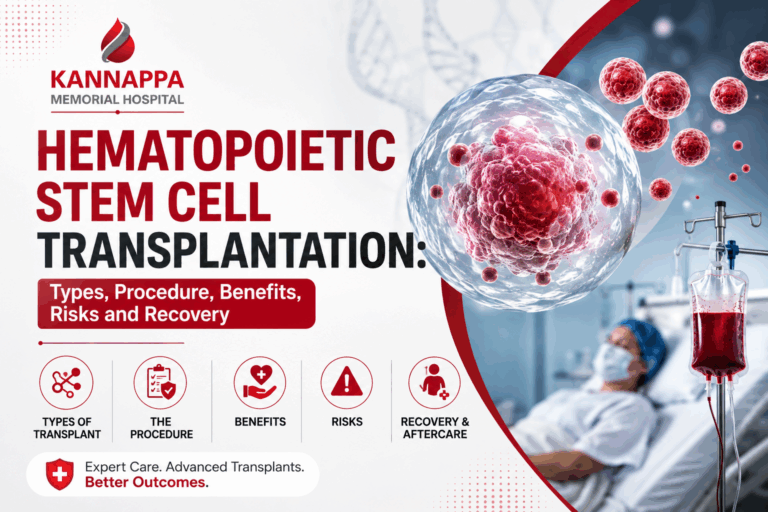
A specialized procedure that replaces damaged or diseased bone marrow with healthy stem cells, commonly used in conditions like leukemia and other serious blood disorders. - Anticoagulation Therapy
This treatment helps prevent the formation of harmful blood clots in patients with clotting disorders, reducing the risk of complications such as stroke or deep vein thrombosis.
Pediatric Hematology Care in Kilpauk
- Children with blood disorders require more than routine treatment they need specialized, compassionate care tailored to their developing bodies. Pediatric hematology focuses on the accurate diagnosis and effective management of blood related conditions in children, ensuring timely and appropriate medical support.
- In Kilpauk, pediatric hematology specialists are experienced in treating a wide range of conditions, including:
- Nutritional Anemia: One of the most common childhood blood disorders, often caused by iron or vitamin deficiencies. Early diagnosis and treatment can quickly restore energy levels and support normal growth and development.
- Thalassemia: A genetic blood disorder that impacts the production of hemoglobin.Children with thalassemia may require regular monitoring, blood transfusions, and long term care.
- Sickle Cell Disease: A hereditary condition where red blood cells become abnormally shaped, leading to pain episodes, anemia, and increased susceptibility to infections.
- Pediatric Leukemia: A serious form of blood cancer in children that requires prompt diagnosis and specialized treatments such as chemotherapy and supportive care.
- Bone Marrow Failure Syndromes: Conditions in which the bone marrow does not produce enough healthy blood cells, often requiring advanced therapies and close medical supervision.
- Early diagnosis is essential for effective treatment and better outcomes. With continuous medical care and monitoring, children can achieve improved growth, stronger immunity, and enhanced quality of life.
Lifestyle and Preventive Care
Some blood disorders are inherited and cannot be prevented, but many can be managed or avoided with simple lifestyle habits and regular medical care. Taking small preventive steps can help maintain healthy blood and reduce the risk of complications.
Healthy Diet
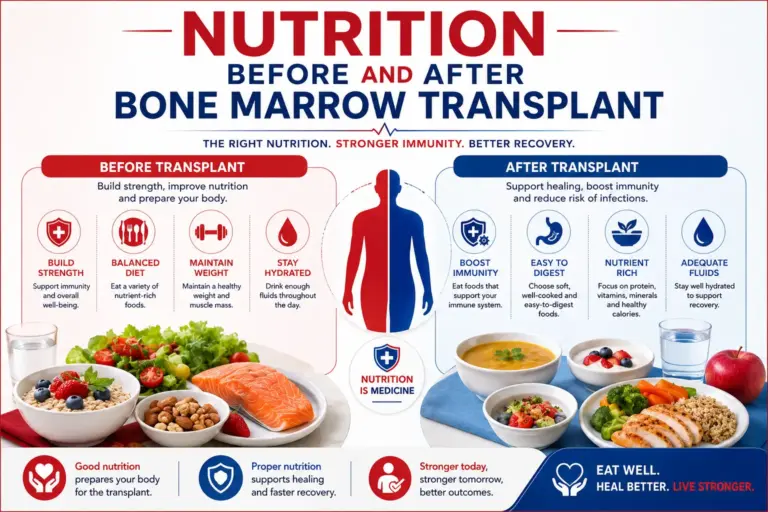
Maintaining good blood health requires a balanced and nutritious diet. Foods rich in iron, vitamin B12, and folic acid help produce healthy red blood cells and prevent conditions like anemia. Include green leafy vegetables, fruits, whole grains, nuts, and lean meats in your daily meals. Drinking enough water also helps maintain proper blood circulation.
Regular Check ups
Regular health check ups and blood tests help detect problems early. Many blood disorders do not show symptoms in the beginning, so routine tests like a complete blood count (CBC) are important.
Avoiding Risk Factors
Unhealthy habits can affect blood health. Limiting alcohol and avoiding smoking are important steps, as they can damage blood cells and increase health risks. Regular exercise and maintaining a healthy weight also improve blood circulation.
Managing Chronic Conditions
Conditions like diabetes, liver disease, and kidney problems can affect blood health. Proper treatment, regular monitoring, and following medical advice can help prevent complications and keep your blood healthy.
Why Choose Kilpauk for Hematology Care?
- Kilpauk has emerged as a trusted destination for hematology care, offering a blend of medical expertise, advanced technology, and patient focused services. Here’s what makes it a preferred choice:
- Experienced Hematologists: Kilpauk is home to highly qualified and experienced hematologists who specialize in diagnosing and treating a wide range of blood disorders, ensuring accurate care and better outcomes.
- Advanced Diagnostic & Treatment Facilities: Healthcare facilities in the area feature advanced laboratories and state of the art technology, allowing for early diagnosis and efficient treatment of complex medical conditions.
- Multispecialty Hospitals: Kilpauk features well established multispecialty hospitals where hematologists collaborate with oncologists, pathologists, and other specialists to provide comprehensive, integrated care.
- Personalized Patient Care: A strong emphasis is placed on patient centered treatment, with customized care plans designed according to individual health needs and medical history.
- Bone Marrow Transplant & Cancer Care Infrastructure: The region offers robust infrastructure for advanced procedures like bone marrow transplantation, along with dedicated cancer care units for managing serious hematological conditions.
Conclusion
Finding the best hematologist in Kilpauk is essential for accurate diagnosis, effective treatment, and long term management of blood disorders. With a combination of experienced specialists, modern medical technologies, and a patient focused approach, Kilpauk offers comprehensive hematology care for individuals of all age groups. Whether you are dealing with a common condition like anemia or a complex disease such as leukemia, consulting a skilled hematologist ensures timely intervention and improved health outcomes. From advanced diagnostics to innovative treatment methods, hematologists in Kilpauk are committed to delivering high quality care that prioritizes patient well being and recovery.
Read also: Best Hematologist in India