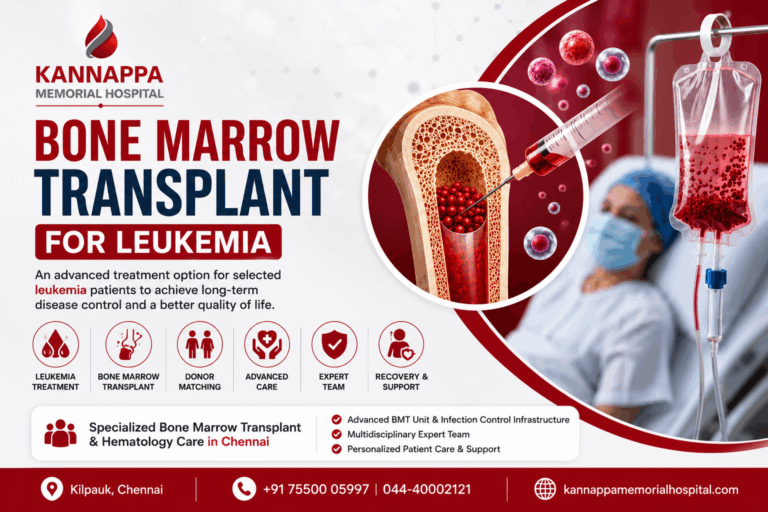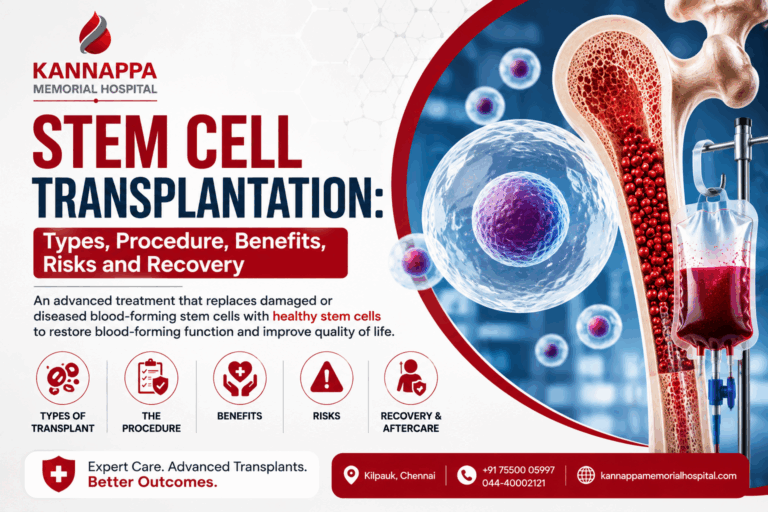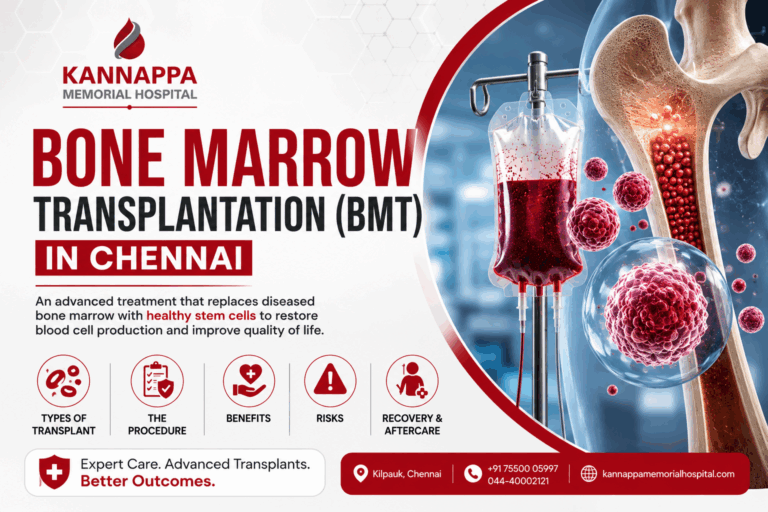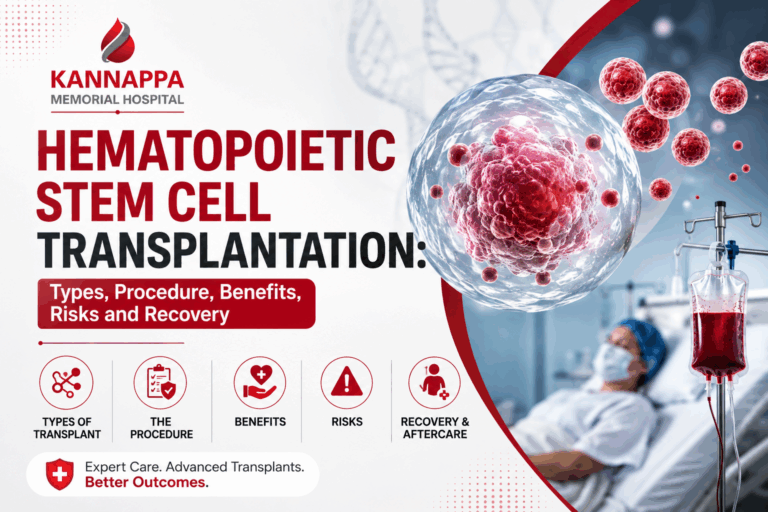

A hematologist is a medical specialist who studies, diagnoses, treats, and helps prevent diseases related to blood and blood-forming organs. These conditions range from common disorders such as anemia and clotting problems to more complex illnesses like leukemia, lymphoma, and other blood cancers. In India, including cities like Chennai, access to the Best Hematologist in India is vital for accurate diagnosis and advanced treatment. Skilled specialists use modern diagnostic tools and clinical expertise to create personalized treatment plans for each patient. Since blood disorders can seriously affect overall health, early consultation with a qualified hematology expert is important for effective care, improved outcomes, and long-term disease management.
What is Hematology?
Hematology is a branch of internal medicine that studies blood, bone marrow, lymph nodes, and the coagulation system. It focuses on how blood cells are formed, function, and what happens when these processes are disrupted. A hematologist is a medical specialist who diagnoses and treats disorders of the blood and blood-forming organs. They manage conditions ranging from anemia and clotting disorders to serious blood cancers like leukemia. Hematologists also perform procedures such as bone marrow biopsies and interpret complex lab results. Their expertise supports accurate diagnosis and effective treatment across both non-cancerous and malignant blood diseases in patients of all ages.
Top 5 Hematologists in India
India is home to some of the most highly skilled and experienced hematologists, offering world-class care for a wide range of blood disorders. From anemia, leukemia, and lymphoma to complex clotting and bone marrow diseases, these specialists are known for their clinical expertise, advanced diagnostic approach, and personalized treatment strategies. Below is a list of some of the top hematologists in India, recognized for their excellence in hematology and commitment to patient care.
1. Dr. Ashok Vaid
Specialization: Medical Oncology, Pediatric Hematology, Hemato-Oncology, Bone Marrow Transplantation
Qualifications: MBBS, MD, DM (Clinical Hematology)
Experience: 35+ years
Treatment Methods: Chemotherapy, targeted therapy, immunotherapy, stem cell transplantation, bone marrow transplantation
Dr. Ashok Vaid is the Chairman of the Division of Medical and Pediatric Oncology, Hematology, and Bone Marrow Transplant at Medanta – The Medicity, Gurgaon. He is one of India’s most distinguished oncologists and hematologists and was awarded the Padma Shri in 2009 for his contribution to medicine. He is widely respected for treating complex conditions such as leukemia, lymphoma, and organ-specific malignancies, making him a leading expert in hematology and oncology in India.
2. Dr. Dharma Choudhary
Specialization: Bone Marrow Transplantation, Hemato-Oncology, Leukemia, Pediatric Hematology
Qualifications: MBBS, MD, DM, Fellowship (Leukemia/BMT Program, Vancouver General Hospital, Canada)
Experience: 20+ years
Treatment Methods: Bone marrow transplantation, chemotherapy, immunotherapy, targeted therapy, graft-versus-host disease management
Dr. Dharma Choudhary is a highly reputed hematologist and bone marrow transplant specialist in India, known for handling complex and high-risk blood disorders. He is recognized for his expertise in advanced transplant procedures and patient-focused care, especially in conditions like thalassemia major and leukemia. Having worked at premier institutes such as AIIMS, New Delhi, he is regarded as one of the leading experts in hematology and bone marrow transplantation in the country.
3. Dr. Margaret Chellaraj
Specialization: Anemia, hematologic cancers, blood disorders, bone marrow transplantation
Qualifications: MD (General Medicine), DM (Hematology)
Experience: 39+ years
Treatment Methods: Chemotherapy, targeted therapy, immunotherapy, bone marrow transplantation
Dr. Margaret Chellaraj is one of India’s most respected hematology experts with over three decades of experience. She is known for managing complex blood disorders, especially anemia linked to chronic diseases and nutritional deficiencies. Her expertise in advanced therapies like chemotherapy and immunotherapy makes her a leading name in hematology care.
4. Dr. A. Steve Thomas
Specialization: Leukemia, lymphoma, multiple myeloma, bleeding and clotting disorders
Qualifications: MD (General Medicine), DM (Clinical Hematology)
Experience: 10+ years
Treatment Methods: Chemotherapy, immunotherapy, targeted therapy, stem cell transplantation
Dr. A. Steve Thomas is a renowned hematologist in India specializing in blood cancers and complex hematological conditions. He is known for his precision in diagnosis and advanced treatment methods, including stem cell transplantation and targeted therapies, offering highly personalized patient care.
5. Dr. R. Jesu Pandian
Specialization: Anemia, myeloma, thrombocytopenia, leukemia, clotting disorders
Qualifications: MD (Internal Medicine), DM (Hematology)
Experience: 14+ years
Treatment Methods: Chemotherapy, immunotherapy, targeted therapy, anticoagulation therapy
Dr. R. Jesu Pandian is a highly experienced hematology specialist in India, known for treating a wide range of blood disorders. His patient-focused approach and expertise in managing chronic and complex conditions have made him a trusted name in the field.
Scope of Hematology
Hematology covers a broad spectrum of conditions, broadly divided into two categories:
- Benign Blood Disorders: Include anemia (iron deficiency, vitamin B12 deficiency, aplastic anemia, hemolytic anemia), bleeding disorders such as hemophilia and von Willebrand disease, clotting disorders (deep vein thrombosis, pulmonary embolism), platelet abnormalities like immune thrombocytopenic purpura (ITP), and genetic conditions such as thalassemia and sickle cell anemia.
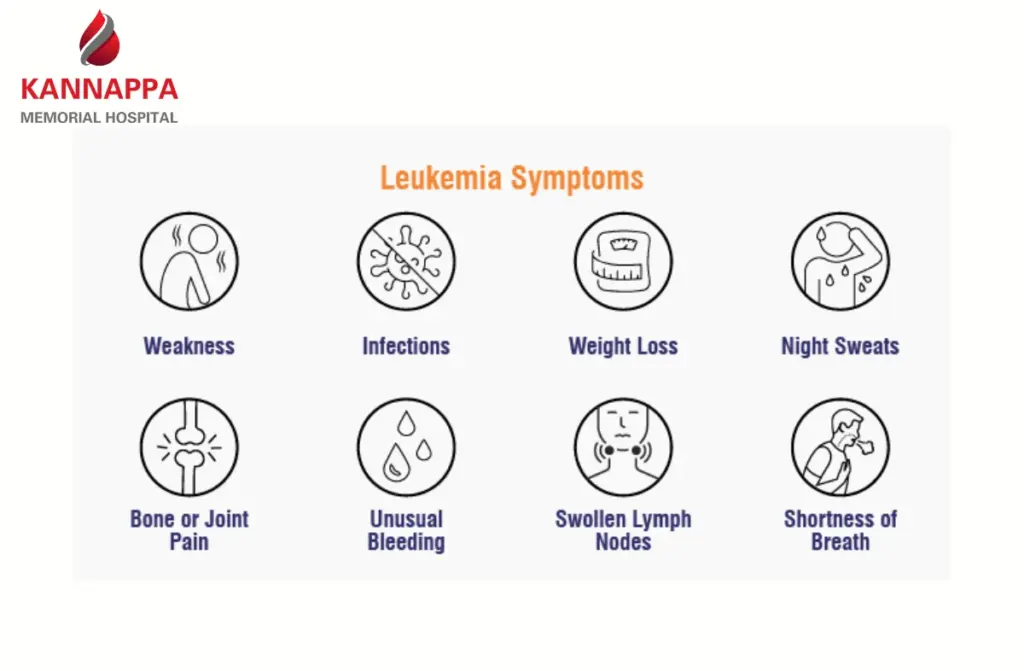
- Malignant Blood Disorders (Blood Cancers): Include leukemia (acute and chronic), lymphoma (Hodgkin and non-Hodgkin), multiple myeloma, and myelodysplastic syndromes. These conditions involve the uncontrolled proliferation of abnormal blood cells and require intensive, multi-modal treatment.
Together, these fields highlight the importance of consulting the Best Hematologist in India for comprehensive and effective blood disorder management.
Diagnostic Excellence in Hematology
Accurate diagnosis is the foundation of effective hematology care. A missed or delayed diagnosis of leukemia, for instance, can dramatically worsen outcomes. That is why a leading hematology hospital must invest in advanced, high-precision diagnostic infrastructure.
- Bone Marrow Biopsy and Aspiration remain the gold standard for evaluating blood cancers, aplastic anemia, and unexplained cytopenias. This procedure involves sampling the bone marrow typically from the posterior iliac crest to examine cellular architecture and identify abnormal cell populations.
- Flow Cytometry is a powerful technique that analyzes thousands of cells per second, identifying specific cell surface markers. It is indispensable in classifying leukemia and lymphoma subtypes, which directly determines the treatment protocol.
- Cytogenetic and Molecular Testing including FISH (fluorescence in situ hybridization), PCR (polymerase chain reaction), and next-generation sequencing (NGS) detect chromosomal abnormalities and genetic mutations at the molecular level. These tests are critical for identifying high-risk disease, predicting treatment response, and monitoring for relapse after therapy.
Additional diagnostics include complete blood count (CBC) with peripheral smear review, coagulation panels (PT, aPTT, fibrinogen), serum protein electrophoresis for myeloma, lactate dehydrogenase (LDH), and beta-2 microglobulin levels each providing a distinct window into the blood’s health status. These tests are essential tools used by the Best Hematologist in India to accurately diagnose, monitor, and guide treatment for a wide range of blood disorders.
Treatment Approaches
Hematology treatments have improved a lot in recent years, giving patients more effective and safer options with better quality of life.
- Blood transfusions: Used to treat severe anemia and blood-related problems by replacing missing or damaged blood cells. A safe blood bank and proper testing are very important for this process.
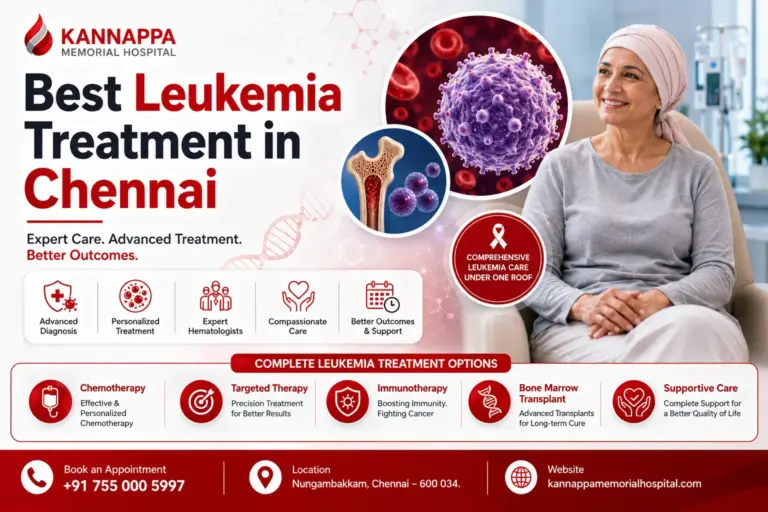
- Chemotherapy: Uses medicines to kill or control fast-growing cancer cells. Treatment plans are different for each condition like leukemia, lymphoma, and myeloma, depending on the patient’s health.
- Immunotherapy: Helps the body’s immune system fight cancer cells more effectively. It is often more targeted and may have fewer side effects than traditional treatments.
- Targeted therapy: Uses special drugs that attack specific parts of cancer cells. This helps control diseases like chronic myeloid leukemia in a more precise way.
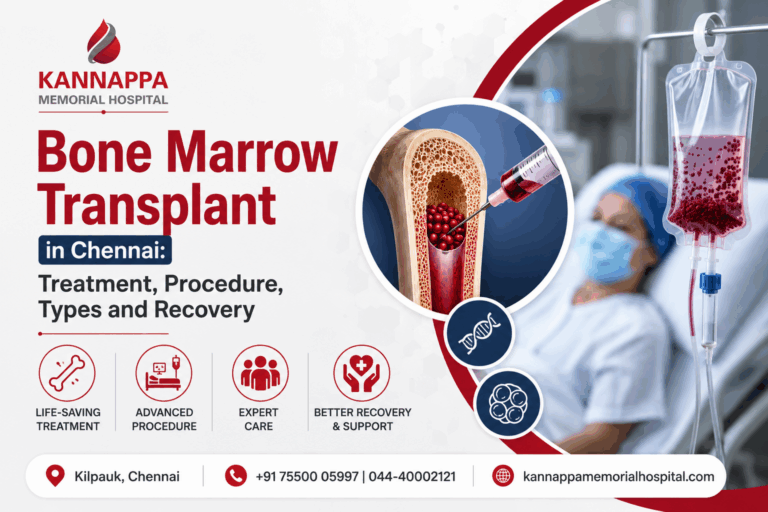
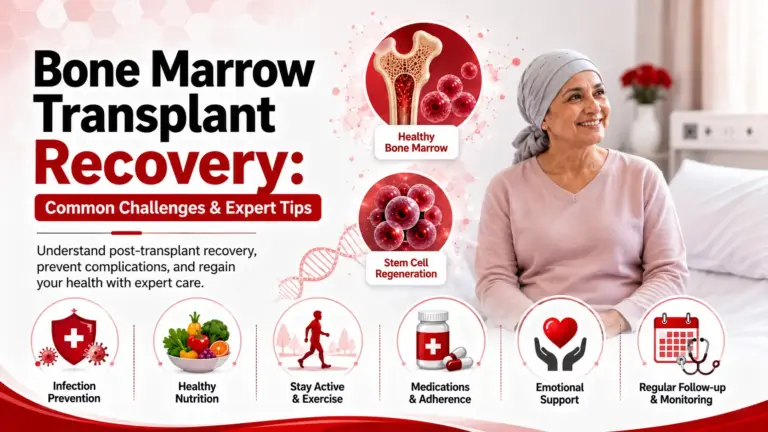
- Bone marrow transplant: Replaces damaged bone marrow with healthy stem cells. It can come from the patient or a donor and is often used for serious blood cancers and genetic blood disorders.
Management of Chronic and Genetic Blood Disorders
Many people who visit a hematologist are not cancer patients but have long-term inherited blood disorders that need regular care from the best hematologist in India.
- Thalassemia is a genetic blood disorder where the body cannot make enough healthy hemoglobin. Patients often need regular blood transfusions and medicines to remove extra iron. Bone marrow transplant can be a cure in some cases.
- Sickle Cell Anemia is a condition where red blood cells become sickle-shaped, causing pain, anemia, and organ problems. Treatment includes medicines, regular check-ups, vaccines, and sometimes bone marrow transplant.
- Immune Thrombocytopenic Purpura (ITP) is a condition where the body destroys its own platelets, leading to easy bruising and bleeding. It is treated with steroids, IVIG, and other medicines depending on severity.
These conditions need long-term care from a team of specialists working together to provide safe and complete treatment.
Conditions Treated
Kannappa Memorial Hospital manages the full spectrum of blood disorders, including:
- Anemia: Iron deficiency anemia, vitamin B12/folate deficiency anemia, aplastic anemia, hemolytic anemia, and anemia of chronic disease. Each type requires a distinct diagnostic workup and treatment approach.
- Leukemia and Blood Cancers: Acute myeloid leukemia (AML), acute lymphoblastic leukemia (ALL), chronic myeloid leukemia (CML), chronic lymphocytic leukemia (CLL), Hodgkin lymphoma, non-Hodgkin lymphoma, and multiple myeloma.
- Clotting and Bleeding Disorders: Deep vein thrombosis, pulmonary embolism, disseminated intravascular coagulation (DIC), von Willebrand disease, and acquired coagulation factor deficiencies.
- Hemophilia and Platelet Disorders: Hemophilia A and B, Factor VII deficiency, immune thrombocytopenic purpura (ITP), and thrombotic thrombocytopenic purpura (TTP).
- Chronic and Genetic Blood Diseases: Thalassemia, sickle cell anemia, hemoglobinopathies, myelodysplastic syndromes, and myeloproliferative neoplasms.
How to Choose the Best Hematology Hospital
For patients navigating a serious blood disorder diagnosis, the choice of hospital can be daunting. Here are the key factors that distinguish a truly excellent hematology centre:
- Experienced Specialists: Look for hematologists with formal subspecialty training (DM in Clinical Hematology or equivalent), extensive case experience, and expertise in both benign and malignant conditions.
- Advanced Diagnostic Technology: Accurate diagnosis drives correct treatment. Hospitals equipped with flow cytometry, molecular diagnostics, and cytogenetics deliver faster, more precise results.
- Comprehensive Treatment Under One Roof: Patients should not have to travel between facilities for their chemotherapy, blood transfusions, and BMT consultations. Integrated care reduces delays and improves outcomes.
- Blood Bank and Emergency Support: A functioning, 24/7 blood bank is non-negotiable for hematology care. Emergency support for acute bleeding episodes, neutropenic fever, and sickle cell crises is equally essential.
- Patient-Centered Reputation: Reviews, patient testimonials, and outcomes data reflect the real-world quality of care. Hospitals that invest in communication, counseling, and psychological support demonstrate genuine commitment to patient welfare.
Why Choose Kannappa Memorial Hospital
Kannappa Memorial Hospital is a trusted center for hematology care, offering both advanced treatment and personalized attention for patients in Chennai and nearby regions.
- The hospital has an experienced team of hematology and hemato-oncology specialists who manage a wide range of blood disorders, from common conditions to complex blood cancers.
- It provides advanced diagnostic tests that help in accurate and detailed diagnosis for better treatment planning.
- Treatments like chemotherapy and bone marrow transplant are available within the hospital, so patients receive complete care in one place.
- The hospital also offers 24/7 support, including emergency care, blood bank services, and nursing assistance, ensuring patients are always cared for when needed.
Patient-focused care ensures dignity and transparency, while the best hematologist in India combines skill with compassionate doctor–patient partnership.
Procedures and Interventions
Kannappa Memorial Hospital offers the following specialized hematology procedures:
- Bone Marrow Transplantation (BMT): Both autologous and allogeneic transplants are performed with comprehensive pre-transplant evaluation, conditioning regimens, and post-transplant monitoring including graft-versus-host disease (GvHD) management.
- Chemotherapy and Immunotherapy: Administered under the supervision of hemato-oncologists, with strict protocols for dose calculation, infusion safety, and side-effect monitoring.
- Blood Disorder Management: Personalized protocols for transfusion-dependent conditions, anticoagulation therapy, and factor replacement in bleeding disorders.
- Diagnostic Testing: Full hematological investigation including bone marrow biopsy, flow cytometry, FISH, molecular panels, and coagulation studies.
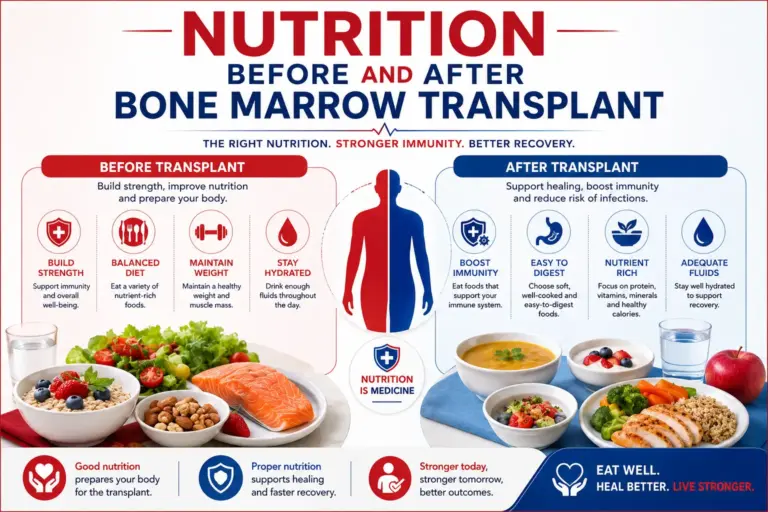
- Supportive Care: Nutritional counseling for hematology patients, infection prevention protocols during immunosuppression, pain management for sickle cell crises, and psychosocial support throughout the treatment journey.
Conclusion
Blood disorders, whether benign or malignant, demand a level of specialized expertise that goes far beyond general medicine. Early diagnosis backed by precision diagnostics and timely, evidence-based treatment are the two pillars that determine how well patients recover and how fully they return to normal life. For patients in Chennai seeking the best hematologist in India-level care closer to home, Kannappa Memorial Hospital represents a compelling choice: a dedicated team, advanced infrastructure, and a genuine commitment to each patient’s recovery.
Read also: Best Oncologist in Chennai