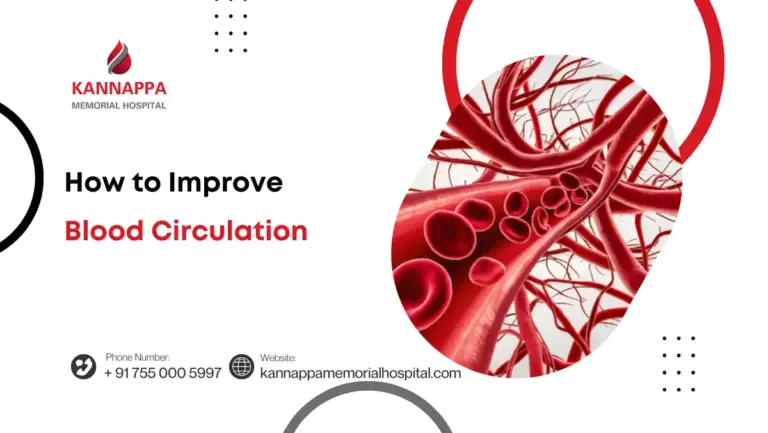
How to improve blood circulation is an essential concern for anyone looking to maintain good health and vitality. Blood circulation plays a crucial role in transporting oxygen and nutrients throughout the body, helping every organ function properly. Poor circulation can lead to a number of issues like fatigue, muscle cramps, and in more severe cases, heart disease and stroke. In this blog, we will explore ways to improve blood circulation, the signs of poor circulation, and lifestyle changes you can make to boost your circulation naturally.
What is Blood Circulation?
Blood circulation refers to the movement of blood throughout your body, pumped by the heart. It involves two primary circulatory systems: systemic circulation, which delivers blood from heart to the entire body, and pulmonary circulation, which sends blood from heart to the lungs and receives oxygenated blood back to heart in a short cyclic manner. Proper blood circulation is critical for providing oxygen and nutrients to your cells and removing waste products. When blood circulation problems arise, it can affect how well the body’s organs function, leading to discomfort or more serious health issues. Understanding how to improve blood circulation is key to preventing such issues.
Signs of Poor Circulation
Recognizing the signs of poor circulation is important for early intervention. Some common symptoms include:
- Cold hands and feet: Often a sign that blood isn’t reaching the extremities effectively.
- Swelling: Swelling in the legs, ankles, or feet may indicate poor circulation.
- Fatigue: If you’re feeling tired constantly, your blood may not be circulating properly, reducing oxygen and nutrient flow to your body.
- Tingling or numbness: Sensations of pins and needles, especially in the limbs, can signal circulation issues.
- Muscle cramps or stiffness: Poor circulation leads to muscle stiffness and cramps due to a lack of adequate blood flow.
These are common signs that suggest blood circulation problems, and if they persist, it’s crucial to take action on how to improve blood circulation.
Why Blood Circulation is Important
Proper blood circulation is vital for every part of your body. Blood carries oxygen, nutrients, and hormones to your organs, and it removes waste products like carbon dioxide. Without good circulation, your heart, brain, and other organs wouldn’t receive the necessary oxygen and nutrients they need to function. If you’re wondering how to improve blood circulation, keep in mind that healthy circulation supports overall health, reduces the risk of chronic diseases, and helps you maintain a high energy level throughout the day.
How to Improve Blood Circulation
There are several ways to improve blood circulation, and most of them are simple lifestyle changes. Here are a few tips:
- Exercise Regularly: One of the most effective ways to improve blood circulation is through regular physical activity. Exercise strengthens the heart and blood vessels, allowing the body to pump blood more efficiently. Cardiovascular exercises like walking, swimming, and cycling help boost circulation.
- Stay Hydrated: Dehydration makes it harder for blood to circulate. Drinking plenty of water throughout the day helps keep your blood flowing smoothly, preventing thickening that can occur when you’re dehydrated. Staying hydrated is one of the simplest and most effective ways to improve blood circulation.
- Eat a Heart-Healthy Diet: Consuming foods rich in omega-3 fatty acids, like salmon and flaxseeds, can help boost circulation. Eating fruits, vegetables, and nuts also promotes healthy blood flow. Avoid foods high in processed sugars and fats, as they can contribute to circulation issues and increase the risk of heart disease.
- Massage and Acupressure: Massage and acupressure are two natural ways to stimulate blood flow. Regular massage increases circulation by promoting relaxation and reducing muscle tension. Acupressure targets pressure points in the body that encourage blood flow, helping to improve circulation.
- Avoid Smoking and Excessive Alcohol: Smoking restricts blood flow by damaging blood vessels, and excessive alcohol intake can raise blood pressure. Both habits contribute significantly to blood circulation problems. Cutting back on smoking and drinking can improve circulation and overall health.
Lifestyle Changes to Support Circulation
To support how to improve blood circulation, adopting a few lifestyle changes can be very helpful:
- Wear Comfortable Clothing: Avoid tight clothes, as they can restrict blood flow. Opt for loose-fitting clothes to allow blood to circulate freely.
- Take Breaks: If you sit or stand for long periods, make sure to take breaks and move around. This prevents blood from pooling in your legs, improving circulation.
- Manage Stress: Chronic stress can narrow your blood vessels, hindering circulation. Practicing stress-relief techniques like yoga, deep breathing, or meditation helps reduce stress and improve blood flow.
Natural Remedies to Boost Circulation
Incorporating natural remedies into your daily routine is another effective way to improve circulation. Here are some herbal remedies that can help:
- Ginger: Ginger is known for its ability to stimulate blood flow and reduce inflammation. It’s a great addition to any diet for improving circulation.
- Cayenne Pepper: Cayenne pepper contains capsaicin, which helps improve circulation by dilating blood vessels, making blood flow more easily.
- Ginkgo Biloba: This herb has been shown to improve blood flow and increase oxygen delivery to cells, which can enhance circulation throughout the body.
Before trying these remedies, it’s important to consult with your doctor to ensure they’re suitable for your health needs.
When to Seek Medical Advice
If you experience persistent symptoms like severe pain, swelling, or numbness in your limbs, it may indicate a serious blood circulation problem that requires medical attention. Conditions like deep vein thrombosis (DVT) or peripheral artery disease (PAD) can lead to complications if not addressed promptly. Consulting a healthcare provider can help prevent long-term damage and ensure that your circulation is healthy.
Conclusion
Maintaining healthy circulation is essential for overall health, and how to improve blood circulation should be a priority for everyone. By adopting simple lifestyle changes such as regular exercise, a healthy diet, and staying hydrated, you can significantly boost your circulation and reduce the risk of circulation-related problems. If you’re experiencing blood circulation problems, don’t hesitate to seek medical advice. Taking action early can help improve your circulation and enhance your overall well-being.