When your body’s blood-making factory the bone marrow, stops working properly due to cancer or a severe immune disorder, life takes a sharp, overwhelming turn. That’s where a bone marrow transplant steps in, offering not just hope, but a second chance at life. Whether battling leukemia, lymphoma, or aplastic anemia, choosing the best bone marrow transplant hospital in India is a decision that can define outcomes. It’s not just about cutting-edge treatment, it’s about trust, care, and survival.
What is a Bone Marrow Transplant?
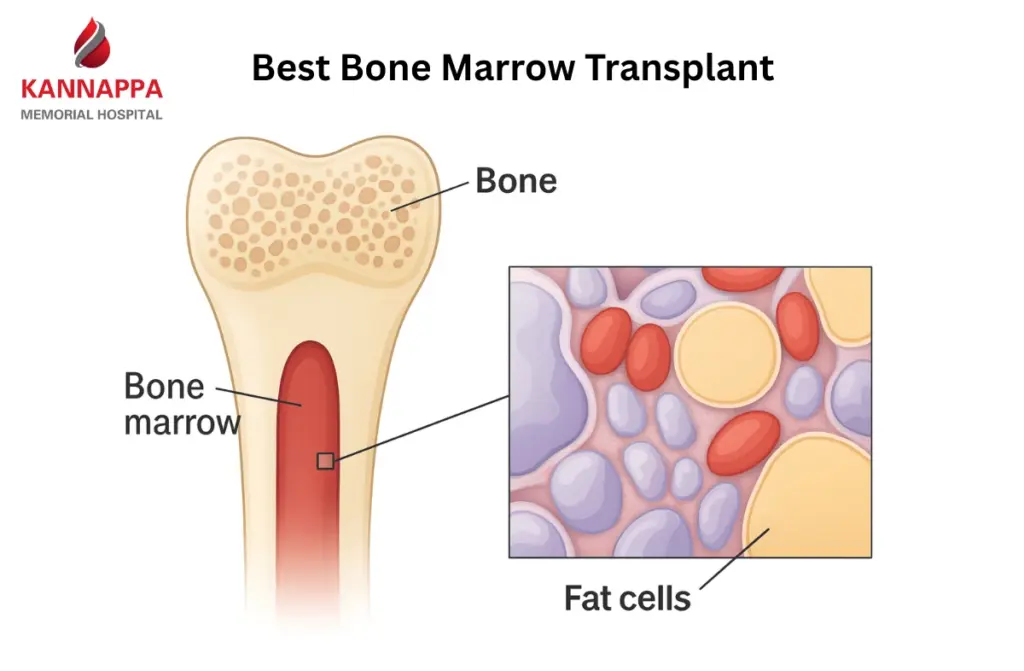
A Bone Marrow Transplant (BMT) is a specialized medical procedure used to replace damaged or destroyed bone marrow with healthy stem cells. These stem cells may come from the patient (autologous transplant) or a donor (allogeneic transplant), and are used to restore the body’s ability to produce normal blood cells after intensive treatments like chemotherapy or radiation.
- Purpose and Conditions Treated: Bone marrow transplants are primarily used to treat blood cancers such as leukemia, lymphoma, and multiple myeloma, as well as severe aplastic anemia and certain genetic blood disorders. The procedure restores the body’s hematopoietic system, enabling the patient to regenerate healthy blood cells after the diseased marrow is eliminated.
- Types of Transplants: There are three main types: autologous (using the patient’s own stem cells), allogeneic (using a donor’s stem cells), and haploidentical (using a partially matched donor). Leading centers like those ranked among the Top Bone Marrow Transplant Hospitals in India are equipped to handle all three with advanced precision.
- Stem Cell Sources and Collection: Stem cells used in BMT may be collected from bone marrow, peripheral blood, or umbilical cord blood. At the Best Hospital for Stem Cell Transplant in India, collection and preservation are performed under stringent protocols using state-of-the-art cryopreservation facilities to maintain stem cell viability.
- Procedure and Hospitalization: The transplant process involves high-dose chemotherapy or radiation to eliminate diseased cells, followed by stem cell infusion. Patients typically stay in isolation in sterile, HEPA-filtered transplant units for several weeks, as practiced in the Best Bone Marrow Transplant Hospital in India.
- Recovery and Immune Rebuilding: Post-transplant, patients require continuous follow-up to monitor graft success, manage side effects, and rebuild immunity. The Best Bone Marrow Transplant Hospital in India provides individualized recovery programs, including nutritional counseling, psychological support, and immune system rehabilitation to help patients regain strength and long-term wellness.
Top Bone Marrow Transplant Hospitals in India
When choosing the best bone marrow transplant hospital in India, expertise, infrastructure, survival rates, and patient-centric care matter more than anything. These hospitals are known for offering comprehensive transplant services with exceptional outcomes, state-of-the-art facilities, and multidisciplinary teams. Below are the Top Bone Marrow Transplant Hospitals in India known for their clinical excellence and compassionate care.

Kannappa Memorial Hospital, Chennai
Kannappa Memorial Hospital stands among the Top Bone Marrow Transplant Hospitals in India, offering expert care in bone marrow and stem cell transplant treatments. Located in Chennai, the hospital is known for its ethical approach, advanced infrastructure, and patient-first care model. It offers both autologous and allogeneic transplants in ultra-sterile HEPA filtered environments. Each case is reviewed by a panel of experienced specialists to ensure the best outcomes.
Key features include:
- 24/7 dedicated transplant ICU with skilled nursing staff
- On-site diagnostic lab and HLA typing for swift donor matching
- Rigorous infection control measures improving survival rates
- Personalized post-transplant care and nutritional counseling
- Financial aid programs for underprivileged patients
Recognized as the Best Bone Marrow Transplant Hospital in India and a Best Hospital for Stem Cell Transplant in India, Kannappa Memorial Hospital blends medical excellence with compassionate, affordable care.
When is a Bone Marrow Transplant Needed?
A bone marrow transplant becomes necessary when the bone marrow fails to produce healthy blood cells or when a strong therapeutic approach is required to remove malignant cells. It is commonly recommended in life-threatening blood cancers such as acute leukaemia, lymphomas, and multiple myeloma. Patients with immune system disorders, aplastic anemia, thalassemia major, sickle cell disease, and some metabolic diseases may also require this treatment for long-term recovery.
- Blood Cancers: Transplant helps restore healthy blood-forming cells after chemotherapy or radiation eliminates harmful cancer cells.
- Bone Marrow Failure Disorders: Conditions like severe aplastic anemia benefit from donor stem cells to restore blood cell production.
- Genetic Blood Disorders: Diseases such as thalassemia and sickle cell disease can be a cured by replacing defective marrow with healthy donor cells.
- Immune and Metabolic Diseases: In certain immune deficiencies and metabolic disorders, transplant provides a functioning immune defense and normal metabolism.
Choosing the Best Bone Marrow Transplant Hospital in India ensures skilled specialists, advanced labs, and strong infection-control measures for better survival outcomes.
What are the Different Types of Bone Marrow Transplants?
Bone marrow transplants are categorized based on donor source and treatment goals. Each method is selected after assessing disease severity, patient age, donor match availability, and long-term recovery needs.
- Autologous Transplant: The patient’s own stem cells are collected and reinfused after high-dose therapy. This eliminates rejection risks and is widely used in multiple myeloma and some lymphomas.
- Allogeneic Transplant: Cells are obtained from a full-matched sibling, matched unrelated donor, or partially matched family donor. It provides a powerful immune-based response against cancer.
- Cord Blood Transplant: Stem cells from umbilical cord blood are used especially for children or adults lacking a fully matched donor.
- Bone Marrow vs Peripheral Blood Stem Cells: Peripheral blood collection enables faster recovery, while bone marrow collection can reduce certain complications like chronic GVHD.
Treatment at Top Bone Marrow Transplant Hospitals in India helps patients access both conventional and advanced donor sources for better transplant outcomes.
Preparation for a Bone Marrow Transplant
Before transplant, the medical team performs a comprehensive evaluation to ensure the patient is physiologically and psychologically ready. Preparation may take weeks or months based on donor identification and treatment planning.
- Medical Fitness & Diagnostic Tests: Heart, lung, liver, and kidney function tests, dental evaluation, and infectious disease screenings are performed to reduce risks.
- Donor Search & Matching: Sibling donors, global donor registries, or cord blood banks are evaluated early to prevent treatment delay.
- Conditioning Treatment: Chemotherapy ± radiation is given to destroy diseased marrow and prepare the body for new stem cells.
- Counselling & Support Arrangements: Nutrition guidance, fertility preservation discussions, caregiver planning, and education on infection prevention are provided.
Receiving treatment from the best hospital for bone marrow transplant in India ensures accurate donor matching, strong monitoring systems, and highly trained transplant specialists.
Bone Marrow Transplant Techniques
Modern advancements in transplant techniques have improved survival, reduced complications, and enabled treatment for a wider range of patients, including older adults.
- Stem Cell Collection Methods: Peripheral blood apheresis allows faster cell recovery, while bone marrow harvest may reduce chronic transplant-related complications in selected cases.
- Graft Engineering: Techniques like T-cell depletion help reduce graft-versus-host disease in high-risk immune settings.
- Conditioning Approaches: Full-intensity conditioning eliminates more disease in younger patients, while reduced-intensity conditioning enables safe transplants in older or frail patients.
- Supportive Care Protocols: Antibiotics, growth factors, transfusions, and continuous monitoring ensure early detection and management of complications during recovery.
Centres recognized as the Best hospital for stem cell transplant in India follow global transplant protocols, advanced infection control, and rigorous post-transplant follow-up to enhance long-term success.
What are the Risks After a Bone Marrow Transplant?
While a bone marrow transplant can be life-saving, it carries several post-procedure risks. Selecting the Best Bone Marrow Transplant Hospital in India is crucial to minimizing complications, thanks to their expertise, sterile infrastructure, and advanced monitoring systems. Below are the primary risks patients may face after the procedure:
- Graft-versus-Host Disease (GVHD): Common in allogeneic transplants, GVHD occurs when donor cells attack the recipient’s tissues, affecting the skin, liver, or intestines. The Top Bone Marrow Transplant Hospitals in India manage this effectively using immunosuppressive therapies and close monitoring.
- Infections: A weakened immune system post-transplant increases vulnerability to bacterial, viral, and fungal infections. The Best Hospital for Bone Marrow Transplant in India offers HEPA-filtered rooms, protective isolation, and preventive medications.
- Organ Damage: Pre-transplant chemotherapy may affect vital organs like the liver, lungs, or kidneys. At the Best Hospital for Stem Cell Transplant in India, patients undergo thorough pre-transplant assessments to reduce this risk.
- Graft Failure: Failure of the new marrow to engraft can result in persistent low blood counts. Top hospitals use advanced donor matching and conditioning regimens to lower the chances of graft failure.
- Emotional Impact: Long recovery periods, isolation, and physical stress can lead to anxiety or depression. The Top Bone Marrow Transplant Hospitals in India provide psychosocial counseling and support services to address mental health concerns.
Choosing the right facility, such as the Best Hospital for Bone Marrow Transplant in India, is essential to managing these risks and improving outcomes.
Conclusion
Choosing the best bone marrow transplant hospital in India is not just about advanced infrastructure; it’s about placing your trust in a team that understands the complexity of each patient’s journey. From diagnosis to post-transplant recovery, these hospitals offer comprehensive, multidisciplinary care designed to improve survival and quality of life. With expert hematologists, strict infection protocols, and supportive services, patients receive more than just treatment; they receive hope backed by precision.
If you or a loved one is navigating the path of a bone marrow transplant, prioritize institutions known for experience, ethical practices, and compassionate care. The right hospital can make all the difference in both outcomes and the overall experience. Choose wisely. Choose expertise. Choose life.
Read Also: Best Hematology Hospital in Chennai.