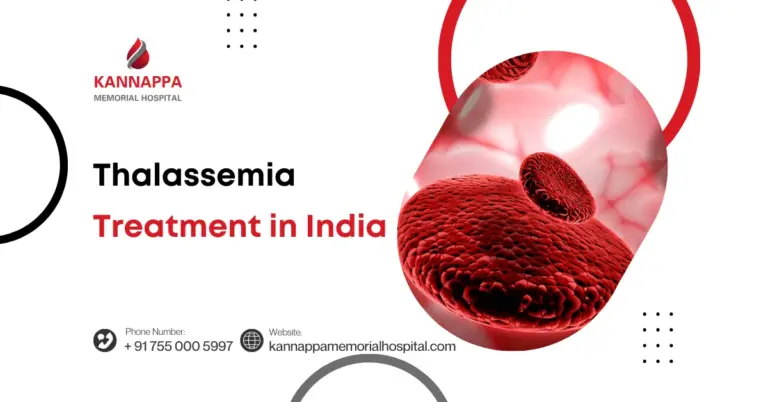
Thalassemia is a hereditary blood disorder that affects the body’s ability to produce healthy hemoglobin, the protein in red blood cells responsible for carrying oxygen. Families often discover it early in childhood, leaving them searching for answers, stability, and hope. With advanced medical care and compassionate support systems, thalassemia treatment in India has become a dependable lifeline for many. From modern transfusion therapies to bone marrow transplant options, India offers pathways that help patients live strong, fulfilling lives.
What is Thalassemia?
Thalassemia is an inherited blood disorder where the body makes fewer healthy red blood cells and less hemoglobin than required. This leads to chronic anemia, fatigue, and developmental challenges, particularly in children. Access to quality thalassemia treatment in India enables early diagnosis, better symptom control, and long-term disease management through expert hematologists and advanced therapies.
Key Points:
- A condition passed through genes: Thalassemia occurs when a child inherits faulty hemoglobin-producing genes from one or both parents. It isn’t contagious, and managing it requires lifelong medical support.
- Results in reduced oxygen supply: Low hemoglobin affects how much oxygen reaches body tissues, often causing weakness, breathlessness, and pale skin. Continuous care helps maintain normal growth and daily functioning.
- Wide variation in severity levels: Some individuals experience mild symptoms, while others face more complex health needs requiring regular medical intervention. Personalized treatment ensures the best outcomes for different forms of the disease.
Types of Thalassemia
Understanding the type of thalassemia helps guide the right treatment and long-term care plan. Access to advanced diagnostic tools and expert care teams providing thalassemia treatment in India ensures accurate classification and better outcomes. Many leading healthcare centers are recognized for offering some of the Best Thalassemia Treatment in India using modern hematology practices.
Main Types:
- Alpha Thalassemia: This condition occurs when one or more of the four alpha-globin genes are missing or damaged. Mild forms may go unnoticed, but severe forms can impact organ development and lead to life-threatening complications before birth. Early intervention and continuous monitoring help patients maintain stable health.
- Beta Thalassemia: Caused by faulty beta-globin genes, this type can vary widely, from mild anemia to severe transfusion dependency. Beta Thalassemia Major, the most serious form, requires lifelong medical attention including regular transfusions and iron-removal therapy. India offers advanced bone marrow transplant programs that provide hope for long-term cure.
What are the Symptoms of Thalassemia?
Symptoms often begin early in life, especially in severe forms. Getting access to thalassemia treatment in India ensures that families receive support to manage the condition without compromising growth and well-being. Modern facilities offering the Best Thalassemia Treatment in India focus on preventing progression and improving daily energy levels.
Common Symptoms:
- Chronic Fatigue and Weakness: Due to low hemoglobin, the body struggles to carry enough oxygen, resulting in persistent tiredness. Children may have difficulty keeping up with physical activities or show reduced interest in play.
- Slow Growth and Bone Changes: The bone marrow becomes overactive in producing red blood cells, causing bone deformities, especially in the face and skull. Proper medical care helps support healthy development and reduces long-term skeletal risks.
- Jaundice and Pale Skin: Rapid breakdown of abnormal red blood cells can cause yellowing of the skin and eyes. This often becomes one of the early indicators prompting further examination.
- Frequent Infections: Enlarged spleen and reduced immune defense make patients more prone to illnesses. Routine monitoring and preventive treatment help maintain better immunity and overall protection.
What Causes Thalassemia?
Thalassemia is passed from parents to children through genetic inheritance. The disorder begins when the genes responsible for hemoglobin formation undergo mutations. Access to expert care and counseling through thalassemia treatment in India helps families better understand the condition, plan care, and support the child’s long-term future. With evolving therapies and reduced Thalassemia Major Treatment Cost in India, patients have more opportunities for stronger and healthier lives through the Best Thalassemia Treatment in India.
Key Causes:
- Genetic Mutation Passed from Parents: Children develop thalassemia when one or both parents carry the faulty hemoglobin gene. Carriers may not show symptoms but can pass the mutation unknowingly. Genetic screening before or during pregnancy can help families prepare early.
- Faulty Production of Hemoglobin Chains: The body struggles to produce enough alpha or beta globin chains, leading to abnormal red blood cells. This results in reduced oxygen transport and persistent anemia. Medical treatments focus on supplementing red blood cell production and maintaining healthy hemoglobin levels.
- Family History Increases Risk: Families with a known history of thalassemia are at higher risk of having children affected. Awareness programs and early blood tests make it easier to identify carriers and take preventive steps.
How is Thalassemia Diagnosed?
Early detection plays a crucial role in improving long-term outcomes. With access to advanced screening and laboratory support, thalassemia treatment in India focuses on timely diagnosis, accurate classification, and preventative family counseling. Centers offering the Best Thalassemia Treatment in India use a combination of tests to understand the severity and tailor the right medical approach.
Diagnostic Methods:
- Complete Blood Count (CBC): This basic test identifies low hemoglobin, reduced red blood cell size, and anemia patterns suggesting thalassemia. It serves as the first step in screening children who show slow growth or persistent fatigue.
- Hemoglobin Electrophoresis: This advanced test examines the type and amount of hemoglobin in the blood, helping distinguish between alpha and beta thalassemia. It enables doctors to create an accurate treatment plan from the beginning.
- Genetic Testing & Family Screening: Advanced DNA testing helps identify the precise gene mutation causing thalassemia, enabling early diagnosis and informed family decisions about future risks. Families undergo screening to assess future risks and make informed medical decisions for upcoming pregnancies.
- Prenatal Testing for At-Risk Couples: Techniques like chorionic villus sampling or amniocentesis detect severe forms of thalassemia before birth. It supports early care planning and prevents unexpected health complications for newborns.
How is Thalassemia Treated in India?
Families across the world rely on thalassemia treatment in India because of the expertise in advanced hematology care and affordability. The approach combines lifelong management and potential cures, depending on the severity of the disorder. Treatments are customized to reduce complications and enhance quality of life while keeping the cost of thalassemia treatment in India accessible for families in need.
Major Treatment Options:
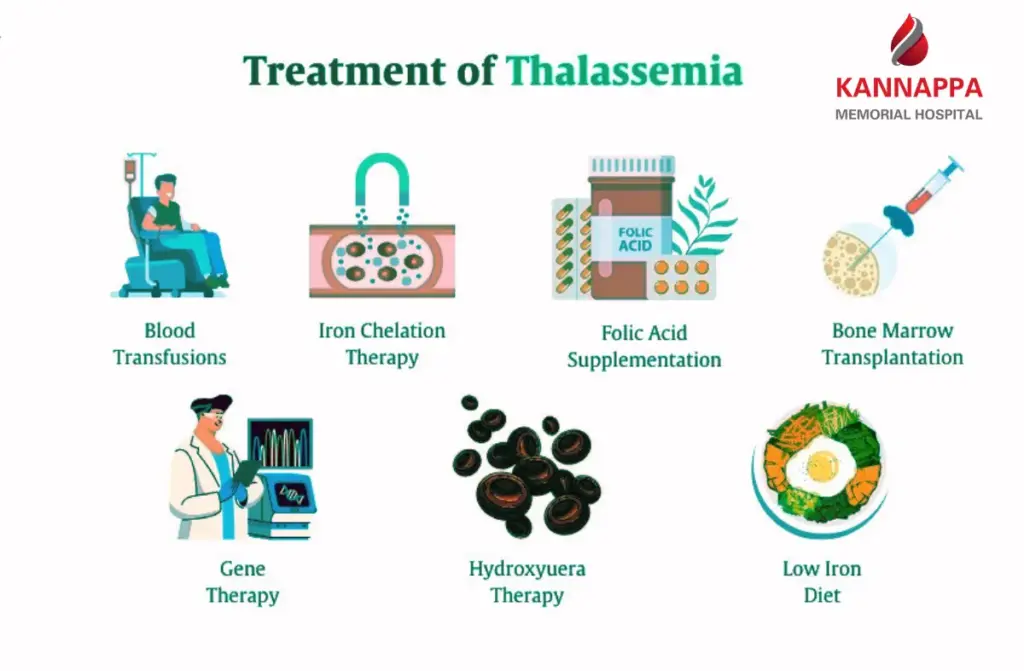
- Regular Blood Transfusions: Patients with severe thalassemia often require transfusions every few weeks to maintain healthy hemoglobin levels. This reduces fatigue, supports organ growth, and helps children participate in school and daily life. Hospitals ensure safe blood matching to prevent transfusion reactions.
- Iron Chelation Therapy: Frequent transfusions can cause iron overload in organs like the heart, liver, and endocrine glands. Chelation medicines help remove excess iron from the body and prevent long-term damage. Treatment plans focus on balancing transfusion benefits with organ safety.
- Bone Marrow or Stem Cell Transplant: This remains the only potential cure for thalassemia major, replacing faulty blood-forming cells with healthy donor cells. India offers this treatment at comparatively lower Thalassemia Major Treatment Cost in India, making it more accessible for families from other nations. Success depends on early transplantation and a fully matched donor.
- Gene Therapy Advancements: Emerging medical research in India explores replacing or repairing the faulty gene responsible for the disease. While still evolving, this approach holds promise for future permanent treatment options.
- Supportive & Preventive Care: Hormone therapy, infection prevention, spleen management, and nutritional guidance help patients stay active and stable. Emotional support is equally prioritized to help families navigate lifelong care needs confidently.
How Much Does Thalassemia Treatment Cost in India?
The affordability of healthcare makes cost of thalassemia treatment in India a major relief for families, especially compared to many developed nations. Treatment expenses vary depending on the severity of the disease, choice of hospital, and type of procedure. Many centers offer financial guidance and support systems to ease the Thalassemia Major Treatment Cost in India for families who depend on long-term care.
Cost Breakdown:
- Blood Transfusions & Chelation Therapy: Regular transfusions along with iron chelation medicines form the main expense for most patients. Costs depend on transfusion frequency and medication dosing requirements. With government and private healthcare support, the Cost of treatment for thalassemia in India remains comparatively manageable.
- Bone Marrow Transplant: As a curative option, transplant costs are higher but significantly more affordable in India than in Western countries. The price varies based on donor matching, hospital facilities, and supportive care during recovery. Despite the investment, many families choose this path for the chance of long-term freedom from transfusions.
- Diagnostic & Monitoring Expenses: Routine tests and specialist consultations ensure complications are detected early and treatment stays on track. These recurring costs are essential for maintaining quality of life and preventing organ issues.
Conclusion
Thalassemia may be a lifelong condition, but timely care and the right medical guidance can transform the journey. The expertise, advanced technology, and compassionate support available through thalassemia treatment in India empower patients to lead healthier, more fulfilling lives. Families can take a confident step forward, knowing that hope, progress, and better health outcomes are truly within reach.
Read also Bone Marrow Transplant Success Rate in India.