
Shoulder pain is one of the most common musculoskeletal complaints affecting people of all age groups. The shoulder is a highly flexible joint that allows a wide range of motion, but this flexibility also makes it vulnerable to injury and degeneration. Pain can originate from the shoulder joint itself or from surrounding muscles, ligaments, tendons, or even distant organs.
Understanding shoulder pain early is essential, as timely diagnosis and treatment can prevent long-term complications and restore normal function.
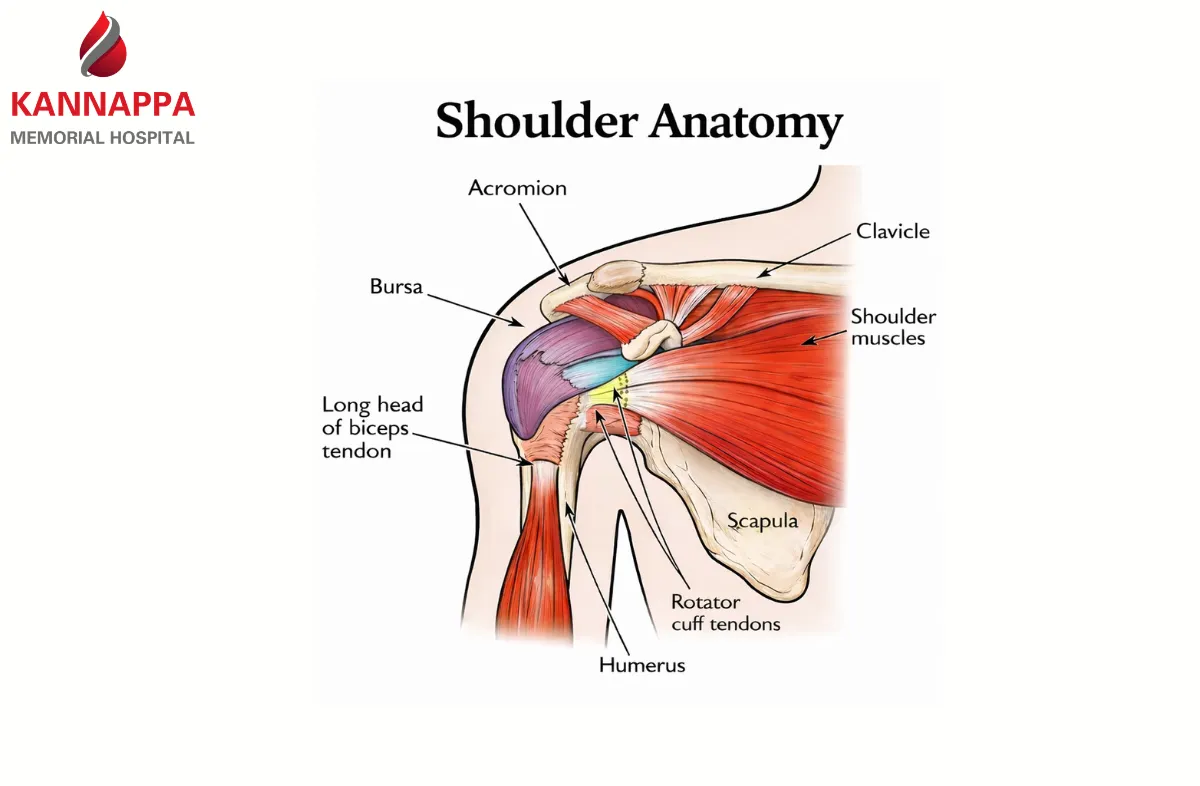
To understand shoulder pain, it is important to have a basic idea of how the shoulder works.
The shoulder consists of three primary bones:
Surrounding these structures are soft tissues, including the rotator cuff muscles, tendons, ligaments, and bursae. These components provide stability, support movement, and reduce friction. Any damage or inflammation in these structures can lead to shoulder pain.
Shoulder pain can be categorized based on its duration and cause:
Soft tissue injuries are among the most common causes of shoulder pain.
Joint-related conditions can severely impact shoulder function.
Trauma can lead to immediate and severe shoulder pain.
Not all shoulder pain originates in the shoulder.
The symptoms of shoulder pain can vary depending on the underlying condition, severity, and duration of the problem. Recognizing these symptoms early can help in timely diagnosis and effective treatment.
Common symptoms include:
In more severe cases, shoulder pain can interfere with daily life, making simple activities such as lifting objects, getting dressed, or even sleeping uncomfortable and challenging. Early recognition of these symptoms is key to preventing further complications and ensuring proper recovery.
Several factors can increase the likelihood of developing shoulder pain, especially when the joint is repeatedly stressed or not properly maintained. Understanding these risk factors helps in early prevention and long-term joint health.
Identifying and addressing these risk factors early can significantly reduce the chances of developing chronic shoulder pain and help maintain long-term mobility and strength.
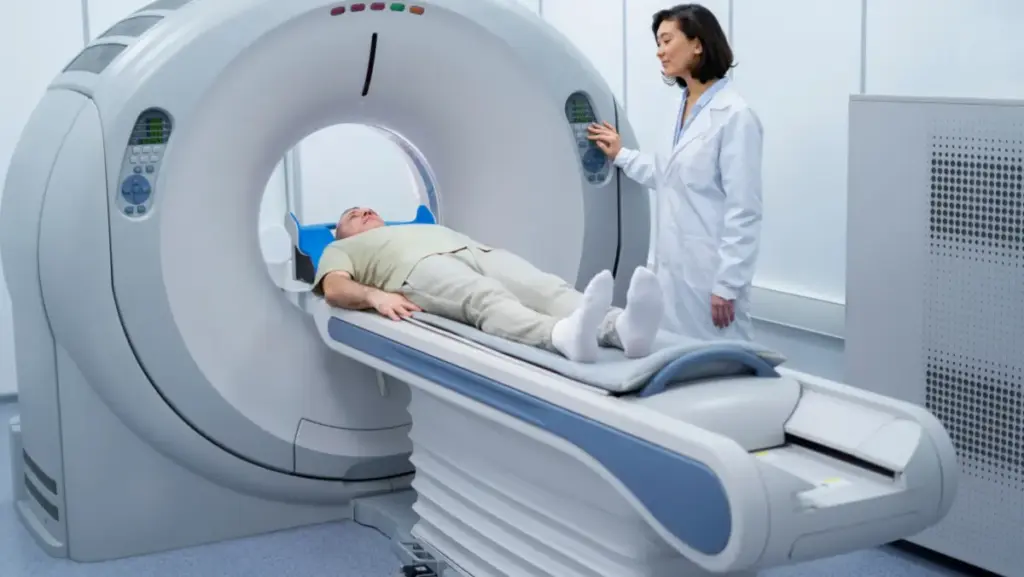
Accurate diagnosis is essential for effective treatment of shoulder pain.
At advanced healthcare centers like Kannappa Memorial Hospital, comprehensive diagnostic approaches ensure precise identification of the underlying issue.
Most cases of shoulder pain can be managed without surgery.
Medications may be prescribed to relieve pain and inflammation.
For severe or persistent cases:
Specialized care at institutions like Kannappa Memorial Hospital ensures patients receive tailored treatment plans based on their condition severity.
Preventing shoulder pain is often achievable through simple yet consistent lifestyle habits. By taking proactive steps, you can protect the shoulder joint, maintain flexibility, and reduce the risk of injuries.
These preventive measures play a crucial role in maintaining long-term shoulder health, reducing the risk of chronic shoulder pain, and ensuring better mobility in daily life.
Immediate medical attention is necessary if you experience:
Early consultation can prevent complications and speed up recovery.
If shoulder pain is ignored or left untreated, it can progress into more serious conditions that affect both physical function and overall well-being. Early attention and proper care are essential to prevent long-term damage.
Timely diagnosis and appropriate treatment are crucial to prevent these complications and to maintain healthy, pain-free shoulder function.
Shoulder pain is a multifaceted condition with a wide range of causes, from minor injuries to serious underlying health issues. Understanding its symptoms, risk factors, and treatment options is key to effective management.
Early diagnosis, proper medical care, and preventive measures can significantly improve outcomes. Seeking expert care from trusted healthcare providers such as Kannappa Memorial Hospital ensures accurate diagnosis and personalized treatment, helping individuals regain mobility and live pain-free lives.
Shoulder pain is one of the most common musculoskeletal complaints affecting people of all age groups. The shoulder is a highly flexible joint that allows a wide range of motion, but this flexibility also makes it vulnerable to injury and degeneration. Pain can originate from the shoulder joint itself or from surrounding muscles, ligaments, tendons, or even distant organs.
Understanding shoulder pain early is essential, as timely diagnosis and treatment can prevent long-term complications and restore normal function.
Anatomy of the Shoulder
Types of Shoulder Pain
Causes of Shoulder Pain
Symptoms of Shoulder Pain
Risk Factors
Diagnosis
Management and Treatment
Prevention
When to Seek Medical Help
Complications
Conclusion
To understand shoulder pain, it is important to have a basic idea of how the shoulder works.
The shoulder consists of three primary bones:
Surrounding these structures are soft tissues, including the rotator cuff muscles, tendons, ligaments, and bursae. These components provide stability, support movement, and reduce friction. Any damage or inflammation in these structures can lead to shoulder pain.
Shoulder pain can be categorized based on its duration and cause:
Soft tissue injuries are among the most common causes of shoulder pain.
Joint-related conditions can severely impact shoulder function.
Trauma can lead to immediate and severe shoulder pain.
Not all shoulder pain originates in the shoulder.
The symptoms of shoulder pain can vary depending on the underlying condition, severity, and duration of the problem. Recognizing these symptoms early can help in timely diagnosis and effective treatment.
Common symptoms include:
In more severe cases, shoulder pain can interfere with daily life, making simple activities such as lifting objects, getting dressed, or even sleeping uncomfortable and challenging. Early recognition of these symptoms is key to preventing further complications and ensuring proper recovery.
Several factors can increase the likelihood of developing shoulder pain, especially when the joint is repeatedly stressed or not properly maintained. Understanding these risk factors helps in early prevention and long-term joint health.
Identifying and addressing these risk factors early can significantly reduce the chances of developing chronic shoulder pain and help maintain long-term mobility and strength.
Accurate diagnosis is essential for effective treatment of shoulder pain.
At advanced healthcare centers like Kannappa Memorial Hospital, comprehensive diagnostic approaches ensure precise identification of the underlying issue.
Most cases of shoulder pain can be managed without surgery.
Medications may be prescribed to relieve pain and inflammation.
For severe or persistent cases:
Specialized care at institutions like Kannappa Memorial Hospital ensures patients receive tailored treatment plans based on their condition severity.
Preventing shoulder pain is often achievable through simple yet consistent lifestyle habits. By taking proactive steps, you can protect the shoulder joint, maintain flexibility, and reduce the risk of injuries.
These preventive measures play a crucial role in maintaining long-term shoulder health, reducing the risk of chronic shoulder pain, and ensuring better mobility in daily life.
Immediate medical attention is necessary if you experience:
Early consultation can prevent complications and speed up recovery.
If shoulder pain is ignored or left untreated, it can progress into more serious conditions that affect both physical function and overall well-being. Early attention and proper care are essential to prevent long-term damage.
Timely diagnosis and appropriate treatment are crucial to prevent these complications and to maintain healthy, pain-free shoulder function.
Shoulder pain is a multifaceted condition with a wide range of causes, from minor injuries to serious underlying health issues. Understanding its symptoms, risk factors, and treatment options is key to effective management.
Early diagnosis, proper medical care, and preventive measures can significantly improve outcomes. Seeking expert care from trusted healthcare providers such as Kannappa Memorial Hospital ensures accurate diagnosis and personalized treatment, helping individuals regain mobility and live pain-free lives.
Shoulder pain can occur due to various reasons, including muscle strain, rotator cuff injuries, tendinitis, bursitis, arthritis, and frozen shoulder. It may also result from trauma such as fractures or dislocations. Repetitive movements, poor posture, and overuse are common causes. In some cases, pain can be referred from the neck, heart, or internal organs.
The strongest muscle in the shoulder region is the deltoid muscle. It forms the rounded contour of the shoulder and is responsible for lifting the arm, rotating it, and moving it in different directions. The rotator cuff muscles also play a vital role in stabilizing the shoulder joint, but the deltoid provides the main power for arm movement.
To strengthen shoulder muscles, perform regular exercises like shoulder presses, lateral raises, front raises, and rows. Include rotator cuff strengthening with resistance bands. Maintain proper form to avoid injury. Gradually increase weights for progressive overload. Stretch before and after workouts to improve flexibility. A balanced diet rich in protein supports muscle growth and recovery. Rest adequately between sessions.