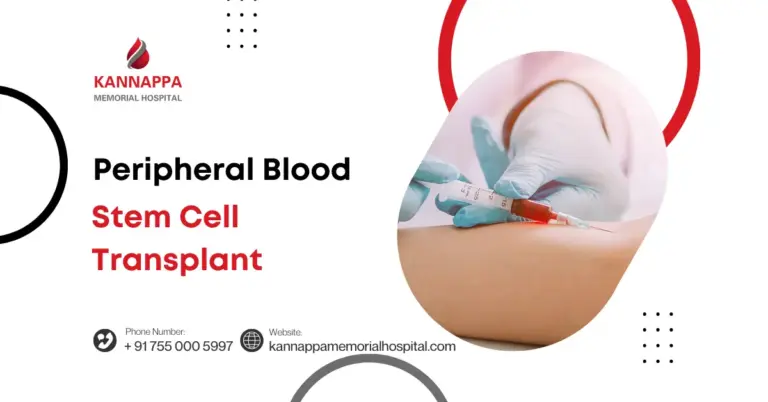
A peripheral blood stem cell transplant is a treatment that uses stem cells collected from the bloodstream to help rebuild healthy bone marrow. It is often recommended for people living with conditions like leukemia, lymphoma, multiple myeloma, and severe blood disorders that weaken or damage their marrow. In this approach, the patient receives specially collected stem cells capable of restoring normal blood cell production. A peripheral blood stem cell transplant offers hope when standard therapies are no longer enough, giving many individuals a chance to regain strength, stability, and long-term health.
What Are Peripheral Blood Stem Cells?
Peripheral blood stem cells are immature cells circulating in the bloodstream that have the unique ability to develop into red blood cells, white blood cells, and platelets. Although most stem cells live inside the bone marrow, a small portion naturally moves into the blood, where they can be collected for a peripheral blood stem cell transplant.
- They act as the body’s internal repair system, constantly replacing worn-out or damaged blood cells. These stem cells respond quickly when the body needs extra support—for example, during infections, bleeding, or after intensive treatments—making them crucial in restoring healthy blood production.
- They can be mobilized in larger numbers when needed, especially during medical preparation for a peripheral blood stem cell transplant. Special medications encourage stem cells to leave the marrow and enter the bloodstream, allowing doctors to collect them safely and effectively for treatment.
- They offer a faster recovery pathway for many patients, since peripheral blood stem cells tend to rebuild the immune system more quickly than bone marrow–derived cells. This accelerated recovery is one reason why this method has become widely preferred in modern transplant practices.
What is a PBSC Donation?
A PBSC donation is the process of collecting stem cells from a donor’s bloodstream so they can be used in a peripheral blood stem cell transplant. Unlike traditional bone marrow collection, this method does not require anesthesia or surgery. The donor’s blood is circulated through a machine that separates stem cells and returns the remaining components back to the donor. This approach allows for a steady and safe collection of the cells needed for a peripheral blood stem cell transplant procedure.
- It begins with mobilizing stem cells into the bloodstream, usually through a series of injections that encourage the stem cells to move out of the bone marrow. This step ensures that enough cells are available for the collection process, which is essential for creating a strong graft for transplantation.
- The collection itself is performed through apheresis, a procedure where blood is drawn from one arm, processed to extract stem cells, and returned through the other arm. Donors are awake the entire time, and the process may take several hours depending on the number of cells required for the transplant.
- PBSC donation allows for quicker engraftment in recipients, as these cells tend to grow and rebuild the immune system at a faster rate. This can make a significant difference for patients undergoing intensive treatments, helping them regain stability sooner and lowering certain risks during recovery.

The Impact of a PBSC Donation
A PBSC donation does more than provide cells—it can completely reshape a patient’s medical future. For individuals undergoing a peripheral blood stem cell transplant, these donated cells may be their only chance to restore healthy marrow function and rebuild immunity. Whether used in an autologous or allogeneic peripheral blood stem cell transplant, the impact can extend far beyond physical recovery.
- It gives patients a renewed opportunity for remission, especially those fighting aggressive diseases like leukemia or lymphoma. When the donated stem cells begin to engraft, they replace diseased or damaged marrow with healthy, functioning cells. This renewal can halt disease progression and open the door to long-term stability.
- It strengthens the body’s ability to recover after intensive treatments, as the donated cells rebuild blood counts faster than traditional bone marrow grafts. This quicker immune recovery lowers the risk of life-threatening infections and helps patients regain their independence sooner.
- It carries emotional significance for both donor and recipient, particularly in an allogeneic peripheral blood stem cell transplant. Donors often describe a sense of purpose knowing their cells may save a life, while recipients experience profound gratitude for the second chance they’ve been given.
Step-by-Step PBSC Donation Process
A PBSC donation follows a structured sequence designed to ensure safety, comfort, and effective collection. This pathway supports various transplant types—including autologous peripheral blood stem cell transplantation, allogeneic peripheral blood stem cell transplant, and comparisons often discussed in bone marrow versus peripheral blood stem cell transplant decisions.
- Initial evaluation and screening include a thorough medical assessment, blood tests, and health history review. This ensures the donor is healthy and that their stem cells will be suitable for the recipient.
- Mobilization of stem cells occurs through prescribed injections over several days, encouraging stem cells to move from the bone marrow into the bloodstream. Donors may feel mild bone or muscle aches during this phase, indicating successful mobilization.
- Apheresis preparation and setup involve placing needles in the arms or using a central line if necessary. The collection machine separates stem cells while returning the remaining blood components to the donor.
- The stem cell collection session can last several hours or multiple days depending on the quantity needed. Donors remain awake, and the process is non-surgical and painless for most individuals.
- Post-donation observation and recovery help ensure donors are stable before leaving the center. Mild fatigue or tingling is common but temporary. Collected cells are then prepared for transplantation as part of the peripheral blood stem cell transplant procedure.
What Are the Side Effects and Risks?
A peripheral blood stem cell transplant, whether autologous or allogeneic, carries specific side effects and risks at different stages.
- Side effects of mobilization: Bone and muscle aches, headache, and fatigue are common and temporary.
- Apheresis-related symptoms: Lightheadedness, numbness from anticoagulant, and mild bruising may occur but resolve quickly.
- Infection risk: During neutropenia, patients are highly vulnerable to infections, requiring careful monitoring.
- Graft-versus-host disease (GvHD): In allogeneic transplants, donor cells may attack recipient tissues; preventive medications are essential.
- Graft failure or delayed engraftment: May require additional interventions, transfusions, or supportive therapy.
- Organ toxicity: Chemotherapy or radiation may affect heart, liver, kidneys, or lungs; careful evaluation minimizes risk.
- Mucositis and gastrointestinal effects: Pain, difficulty eating, nausea, and diarrhea occur but can be managed with support.
- Bleeding or clotting issues: Low platelets increase bleeding risk; regular monitoring and transfusions are critical.
- Long-term effects: Fertility changes, organ dysfunction, or secondary cancers may occur, requiring long-term follow-up.
- Psychosocial impact: Anxiety, depression, and caregiver strain may arise; support services improve recovery and quality of life.
What Complications Should You Look Out For?
- Severe infections: Persistent fever, cough, or localized pain requires immediate attention.
- Acute GvHD: Rashes, jaundice, or severe diarrhea may indicate immune complications in allogeneic transplants.
- Chronic GvHD: Dry eyes, lung issues, or skin tightening may develop months later.
- Graft failure: Continued need for transfusions signals poor engraftment.
- Liver issues: Rapid weight gain, abdominal pain, and jaundice could indicate veno-occlusive disease.
- Pulmonary complications: Shortness of breath or low oxygen levels require urgent assessment.
- Clotting disorders: Bruising, low platelets, or neurological changes may indicate thrombotic microangiopathy.
- Severe mucositis: Nutritional compromise may necessitate supplemental feeding.
- Relapse or secondary cancers: Long-term monitoring is crucial.
- Psychological strain: Depression, anxiety, or caregiver burnout impacts overall recovery.
When to Call Your Healthcare Provider
Knowing when to seek medical help is crucial during recovery from a peripheral blood stem cell transplant. Quick action often prevents complications and protects long-term health, especially when comparing bone marrow versus peripheral blood stem cell transplant recovery timelines.
- Sudden fever or chills: A temperature spike can signal infection during a vulnerable period. Even mild fever should not be ignored, as infections may progress quickly.
- Unusual bleeding or bruising: Nosebleeds, blood in urine, or sudden bruises may mean low platelets or clotting issues. Early evaluation helps prevent serious bleeding events.
- Severe nausea, vomiting, or dehydration: Inability to keep fluids down can rapidly worsen weakness and electrolyte imbalance. Medical care ensures hydration and symptom control.
- Shortness of breath or chest discomfort: Breathing difficulty may indicate lung complications or infection. Immediate assessment is necessary to rule out urgent conditions.
- New rashes, jaundice, or persistent diarrhea: These may be early signs of GvHD or organ irritation. Early reporting helps prevent escalation.
- Extreme fatigue or confusion: Sudden neurological or energy changes warrant urgent attention, as they may signal infection, metabolic imbalance, or drug toxicity.
Conclusion
A peripheral blood stem cell transplant represents hope, renewal, and the possibility of restored health for those facing serious blood disorders. It combines advanced science and human generosity, creating a pathway toward recovery that many patients depend on. While the journey involves challenges, the outcomes can be life-changing with the right support, monitoring, and guidance. Take the next step by seeking expert guidance and trusted transplant care.