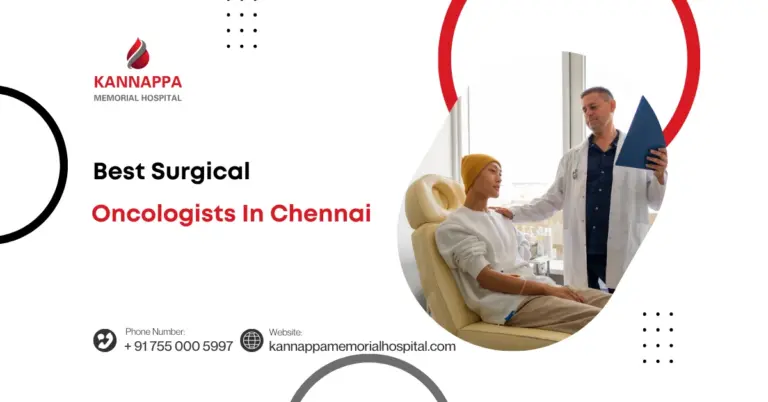
Surgical oncologists are highly trained medical specialists who diagnose, stage, and treat cancer through surgical procedures. Their role extends beyond removing tumors they also work to evaluate the spread of cancer, relieve symptoms, and improve the patient’s quality of life. By collaborating with medical and radiation oncologists, they create comprehensive treatment plans tailored to each patient’s needs. Known for their precision and expertise, the Best Surgical Oncologists In Chennai combine advanced surgical techniques with compassionate care, ensuring patients receive world-class treatment while navigating one of life’s most challenging journeys.
What does a surgical oncologist do?
A surgical oncologist is a medical specialist who focuses on the surgical treatment of cancer. These experts play a critical role in managing and treating various types of cancer through surgery and other advanced techniques. Their work extends beyond just performing surgeries; they are involved in diagnosis, staging, perioperative care, palliation, and post-treatment care. Below are the key areas in which a surgical oncologist is involved:
1. Diagnosis & Staging
Surgical oncologists are often the first specialists involved in the diagnosis and staging of cancer. They utilize various diagnostic tools, including imaging tests (CT scans, MRIs) and biopsies, to identify the presence and extent of cancer. Accurate staging is crucial for determining the appropriate treatment plan and predicting outcomes.
2. Operative Treatment
The primary role of a surgical oncologist is to perform surgeries that remove tumors or cancerous tissue from the body. These procedures can range from minimally invasive surgeries, such as laparoscopy, to more complex open surgeries. Surgical oncologists are skilled in removing tumors while preserving as much healthy tissue as possible, which can improve recovery and reduce the likelihood of recurrence.
3. Perioperative Coordination
Surgical oncologists play an integral role in the perioperative period—before, during, and after surgery. They work closely with anesthesiologists, nurses, and other healthcare professionals to ensure that patients are properly prepared for surgery and receive comprehensive care throughout the process.
4. Palliation
In some cases, cancer may be advanced or not amenable to curative surgery. Surgical oncologists are also trained in palliative care, focusing on alleviating symptoms and improving the quality of life for patients with advanced cancer. This may involve debulking tumors, relieving blockages, or performing surgeries to manage symptoms such as pain, bleeding, or difficulty swallowing.
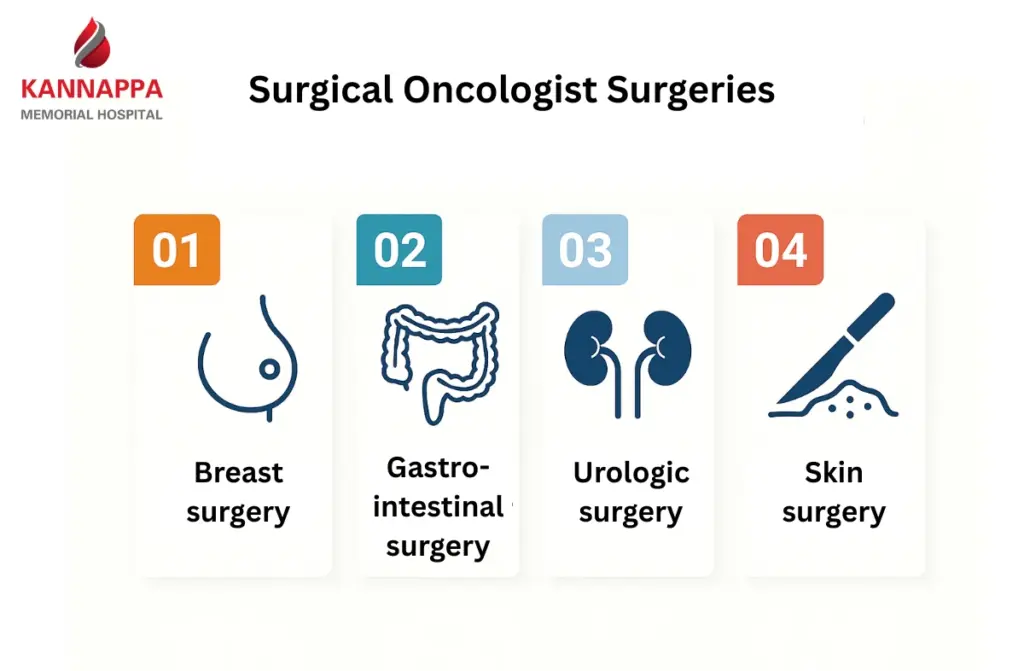
Top 4 Surgical Oncologists in Chennai
Choosing the right surgical oncologist can significantly influence a patient’s treatment journey, recovery experience, and long-term prognosis. The following specialists are widely recognized for their expertise, advanced surgical techniques, and commitment to integrating surgery with comprehensive oncology care in Chennai.
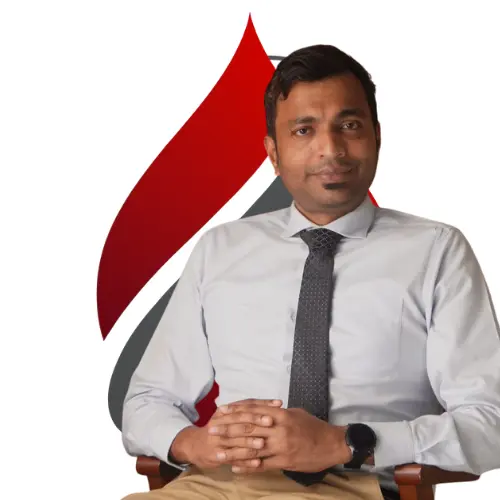
Dr. Kenneyy Robert
- Specialization: Advanced tumor removal, restorative surgical procedures, and cancer surgeries aimed at preserving organ function.
- Qualifications: MS (General Surgery), MCh (Surgical Oncology)
- Experience: Over 13+ years
- Treatment Methods: Minimally invasive cancer surgeries, robotic-assisted procedures, advanced reconstructive techniques
Dr. Kenneyy Robert is a highly regarded surgical oncology specialist in chennai known for his expertise in handling intricate cancer surgeries with precision and care. Recognized among the Best Surgical Oncologists In Chennai, he is adept at performing advanced tumor resections while preserving organ function and appearance. His approach integrates detailed preoperative assessment, cutting-edge surgical methods, and structured postoperative care to ensure optimal recovery and long-term outcomes for patients.
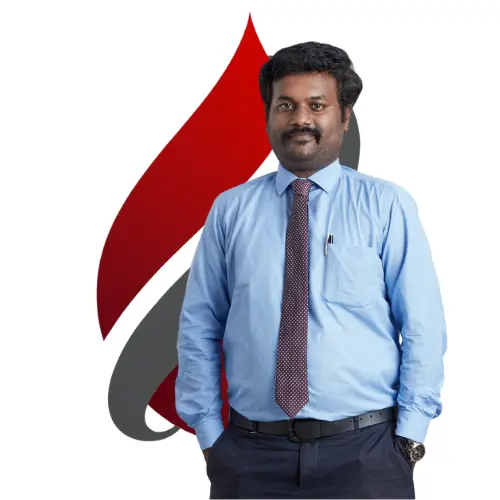
Dr. Venkatachalam Veerappan
- Specialization: Surgeries for breast cancer, gastrointestinal malignancies, and cancers affecting the head and neck.
- Qualifications: MS (General Surgery), MCh (Surgical Oncology)
- Experience: Over 10+ years
- Treatment Methods: Organ-conserving surgery, sentinel lymph node biopsy, multidisciplinary oncology treatment planning
Dr. Venkatachalam Veerappan is recognized among the Best Surgical Oncologist Doctors in Chennai for his patient-focused approach and precise surgical execution. He is known for blending evidence-based oncology treatments with meticulous surgical planning to improve survival rates and preserve quality of life. His commitment to accurate staging, complete tumor clearance, and proactive follow-up care has made him a trusted name in the Chennai oncology community.
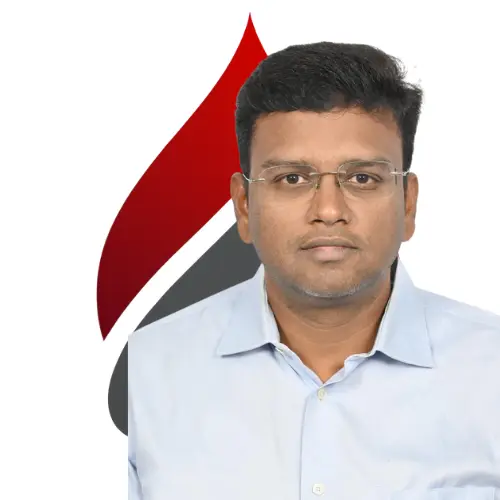
Dr. Thirumanikandan
- Specialization: Minimally invasive cancer surgeries, organ-preserving techniques, breast and gastrointestinal oncology
- Qualifications: MS (General Surgery), MCh (Surgical Oncology)
- Experience: Over 5+ years
- Treatment Methods: Laparoscopic cancer surgery, breast conservation surgery, targeted surgical approaches
Dr. Thirumanikandan is a dedicated surgical oncology specialist in chennai known for applying minimally invasive and organ-preserving methods to manage complex cancers. His expertise lies in balancing complete tumor removal with functional preservation, ensuring patients experience improved recovery and sustained quality of life. Collaborative care with other oncology specialists allows him to design treatment pathways tailored to each patient’s unique needs.
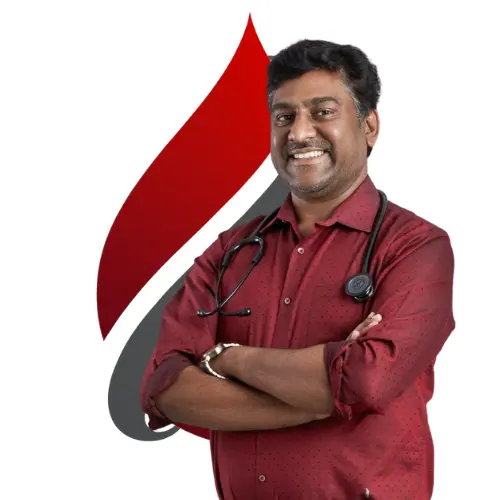
Dr. R. Jesu Pandian
- Specialization: Breast cancer, gastrointestinal cancer, gynecological cancer surgeries
- Qualifications: MS (General Surgery), MCh (Surgical Oncology)
- Experience: Over 14+ years
- Treatment Methods: Breast-conserving surgery, minimally invasive techniques, palliative cancer surgeries
An experienced surgical oncologist in chennai, Dr. R. Jesu Pandian is respected for his precise operative techniques and commitment to patient education. He actively participates in tumor board discussions to develop integrated oncology treatment plans combining surgery with chemotherapy or radiotherapy. His focus on clear communication, meticulous surgical planning, and enhanced recovery protocols ensures patients receive comprehensive and compassionate cancer care.
List of Treatments
Kannappa Memorial Hospital (example framework) offers a comprehensive surgical oncology program that combines cutting-edge techniques with multidisciplinary planning. Treatments are tailored to tumor type, stage, and patient fitness, with an emphasis on organ preservation, functional outcomes, and evidence-based protocols.
- Curative resections (solid tumor surgery): Major procedures such as partial or total resections of the breast, lung lobectomy, hepatectomy (liver resection), pancreaticoduodenectomy (Whipple procedure), and colectomy are performed with precise margin assessment and intraoperative strategies to reduce blood loss and complications. These surgeries aim for complete tumor removal while maintaining as much normal tissue and function as possible, guided by preoperative imaging and tumor board consensus. Many patients are evaluated by a multidisciplinary team that includes medical oncology, radiation oncology, pathology, and specialized nursing to optimize perioperative care.
- Minimally invasive and robotic-assisted oncologic surgery: Laparoscopic and robotic approaches are used for selected colorectal, gynecologic, urologic, and hepatobiliary cancers to reduce postoperative pain, shorten hospital stays, and speed recovery. For example, robotic radical prostatectomy and laparoscopic colectomy provide fine dissection around critical structures, lowering rates of incontinence and nerve damage when compared to more invasive approaches in suitable candidates.
- Oncoplastic and reconstructive procedures: Breast-conserving surgery paired with oncoplastic reconstruction, immediate flap or implant-based reconstruction after mastectomy, and complex soft-tissue reconstruction after wide excisions are available to restore form and function. Reconstruction planning occurs preoperatively so oncologic and aesthetic goals are aligned, which has been shown to improve quality-of-life outcomes.
- Cytoreductive surgery and HIPEC: For selected patients with peritoneal surface malignancies (such as pseudomyxoma peritonei or peritoneal carcinomatosis from colorectal origin), cytoreductive surgery followed by hyperthermic intraperitoneal chemotherapy (HIPEC) offers a combined local–regional approach intended to remove visible disease and treat microscopic residuals. Patient selection is critical and is based on disease distribution and functional status.
- Palliative surgical procedures: Procedures intended to relieve symptoms—such as bypasses for obstructing tumors, tumor debulking to alleviate pain or neurological compromise, and insertion of feeding access—are provided with attention to improving quality of life and enabling other treatments like chemotherapy or radiotherapy.
Whether a patient seeks care from the Best Surgical Oncologists in Chennai or from an experienced surgical oncologist in chennai, the focus remains on evidence-based, patient-centered decision making.
Conditions and Procedures
This section maps common cancer types to the surgical procedures typically employed, plus procedural nuances that influence outcomes and recovery.
- Breast cancer: Procedures range from lumpectomy with sentinel lymph node biopsy to mastectomy with immediate reconstruction. Oncoplastic techniques combine tumor excision with plastic surgery principles to preserve breast appearance and symmetry; sentinel node mapping reduces morbidity compared with full axillary dissection.
- Gastrointestinal cancers (esophagus, stomach, colon, rectum, pancreas, liver): Surgeries include endoscopic mucosal resection for early lesions, segmental colectomy, low anterior resection with total mesorectal excision, hepatic resection for metastases, and pancreatic resections for pancreatic cancers. Enhanced recovery protocols (ERAS) are used to accelerate return to function, reduce complication rates, and shorten hospital length of stay.
- Thoracic malignancies: Lobectomy with lymph node dissection for lung cancer and esophagectomy for esophageal cancer are standard; video-assisted thoracoscopic surgery (VATS) and robotic techniques are used where oncologically appropriate to minimize chest wall trauma and improve pulmonary recovery.
- Head and neck cancers: Wide local excision combined with microvascular free flap reconstruction is used for advanced tumors to restore form and swallowing or speech function. Neck dissection addresses regional nodal disease and is planned based on tumor subsite and stage.
- Gynecologic oncology: Radical hysterectomy, debulking for ovarian cancer, and pelvic exenteration for locally advanced disease are performed with specialization in preserving urinary and sexual function when oncologic safety permits.
Patients who consult with the Best Surgical Oncologist Doctors in Chennai or a surgical oncology specialist in chennai can expect individualized procedure planning that balances curative intent with functional preservation.
Diagnosis
Accurate diagnosis underpins every decision in surgical oncology; it integrates imaging, pathology, and functional assessment.
- Imaging modalities: Multiphase CT scans, MRI (including diffusion-weighted imaging), PET-CT for staging and detection of occult disease, and ultrasound for targeted biopsies form the backbone of preoperative assessment. Imaging guides resectability, maps vascular anatomy, and assists in planning minimally invasive approaches.
- Histopathology and molecular profiling: Core needle biopsy or excisional biopsy provides tissue for histologic diagnosis and biomarker testing (e.g., hormone receptors in breast cancer, KRAS/NRAS/BRAF in colorectal cancer, HER2 status), which informs both systemic therapy choices and surgical strategy. Molecular profiling can identify targetable alterations and prognostic markers that may alter the timing or extent of surgery.
- Staging and multidisciplinary evaluation: Clinical TNM staging combined with tumor board review ensures that surgery is offered when it provides a clear benefit and that neoadjuvant (preoperative) therapies are used when they increase resectability or survival. Functional assessments—cardiopulmonary testing, nutritional evaluation, and geriatric assessment for older patients—determine perioperative risk and optimization needs.
- Minimally invasive diagnostic procedures: Endoscopic ultrasound-guided biopsy, bronchoscopic biopsy, laparoscopy for staging peritoneal disease, and sentinel lymph node mapping are used to minimize invasive testing while maximizing diagnostic yield.
Symptoms
Early recognition of alarm symptoms enables prompt diagnosis and timely surgical management; signs vary by cancer location but share common red flags.
- Local mass or lump: Palpable masses in the breast, neck, abdomen, or extremities that are new, growing, or associated with skin changes warrant urgent evaluation. Persistent, enlarging lumps often indicate underlying neoplastic growth and should be assessed with imaging and biopsy.
- Unexplained bleeding or discharge: Hemoptysis, melena or rectal bleeding, abnormal vaginal bleeding, or hematuria are symptomatic cues that require rapid diagnostic workup, as they can reflect mucosal tumors or advanced disease. Early endoscopic or radiologic evaluation helps localize the source and plan surgical or endoscopic intervention.
- Constitutional symptoms and functional decline: Unintended weight loss, persistent fatigue, anorexia, or progressive pain—especially when combined with localized symptoms—may indicate systemic cancer burden. Pain due to mass effect, nerve involvement, or bone metastases often necessitates palliative surgical or interventional measures to restore comfort and mobility.
- Obstructive symptoms: Progressive dysphagia, bowel obstruction, urinary obstruction, or airway compromise are surgical emergencies where procedures such as bypass, stenting, or decompression can be life-saving and restore essential functions.
When evaluating these symptoms, an experienced surgical oncologist in chennai will coordinate rapid diagnostic steps and frame a treatment plan that may involve the Best Surgical Oncologists in Chennai or multidisciplinary centers with specialized support services.
Why would I need to see a surgical oncologist?
You should see a surgical oncologist when cancer is suspected, confirmed, or when an operation could materially affect prognosis or quality of life; many patients consult the Best Surgical Oncologists In Chennai or an experienced surgical oncologist in chennai to get clear guidance on surgical options.
- Suspicion or new diagnosis of cancer: When imaging or biopsy suggests malignancy, a surgical oncologist assesses operability, obtains accurate staging, and plans tissue-preserving approaches where possible.
- Curative-intent surgery is being considered: For cancers that are potentially curable by resection, these specialists determine the extent of removal, lymph node strategy, and reconstruction needs while balancing functional outcomes.
- Complex, recurrent, or borderline cases: Tumors that are large, locally advanced, or previously treated often require novel strategies such as neoadjuvant therapy, staged operations, or reconstructive planning; an experienced surgical oncologist in chennai brings the technical skill and multidisciplinary perspective needed for such decisions.
- Symptom relief, emergencies, and survivorship planning: When cancer causes bleeding, obstruction, or severe pain, palliative surgical procedures can restore function and improve quality of life, and management requires careful integration with systemic therapy.
What types of surgeries do surgical oncologists perform?
Surgical oncologists perform a wide range of operations tailored to tumor type, location, and the patient’s goals, and the Best Surgical Oncologists In Chennai strive to combine oncologic clearance with preservation of function.
- Wide excisions & tumor resections: These procedures remove the primary tumor with a margin of healthy tissue to minimize recurrence while preserving as much normal anatomy as possible. An experienced surgical oncologist in chennai plans the extent of resection and lymph node removal, coordinating reconstruction when required to restore function.
- Minimally invasive and robotic procedures: Laparoscopic and robot-assisted techniques enable precise dissection through small incisions, resulting in less pain, lower infection risk, and faster recovery—advantages especially valued in gastrointestinal and pelvic cancers. Patients often seek the Best Surgical Oncologist Doctors in Chennai for these advanced approaches because they aim to match open-surgery outcomes with quicker return to normal activities.
- Breast-conserving and oncoplastic surgery: Lumpectomy combined with oncoplastic reconstruction removes cancer while reshaping the breast to maintain cosmetic appearance and symmetry. A surgical oncology specialist in chennai emphasizes margin assessment and sentinel node evaluation to reduce unnecessary removal and support long-term quality of life.
- Complex resections and multivisceral surgery: For locally advanced tumors that involve adjacent organs, en bloc resections or multivisceral operations may be necessary to achieve clear margins and improve survival chances. These high-complexity surgeries require multidisciplinary planning and are usually performed by the Best Surgical Oncologists In Chennai because of the technical skill and perioperative resources involved.
- Reconstructive, palliative, and emergency procedures: Reconstruction (flaps, grafts, prostheses) restores form and function after major resections, while palliative operations relieve obstruction, bleeding, or pain to improve daily living. An experienced surgical oncologist in chennai balances immediate symptom relief with the overall cancer care plan, ensuring interventions align with both survival goals and patient preferences.
Conclusion
Choosing the Best Surgical Oncologists In Chennai can make a significant difference in treatment outcomes, recovery, and overall quality of life. These specialists combine advanced surgical techniques with personalized care, ensuring that each patient receives a plan tailored to their specific diagnosis and health needs. At Kannappa Memorial Hospital, patients benefit from a multidisciplinary approach, cutting-edge technology, and the expertise of highly qualified surgical oncologists dedicated to delivering optimal results. Whether it’s a complex tumor resection, minimally invasive surgery, or reconstructive procedure, the hospital prioritizes both survival and long-term well-being, guiding patients with expertise, compassion, and unwavering commitment to excellence.
Read Also: Best Hematologist in Chennai.