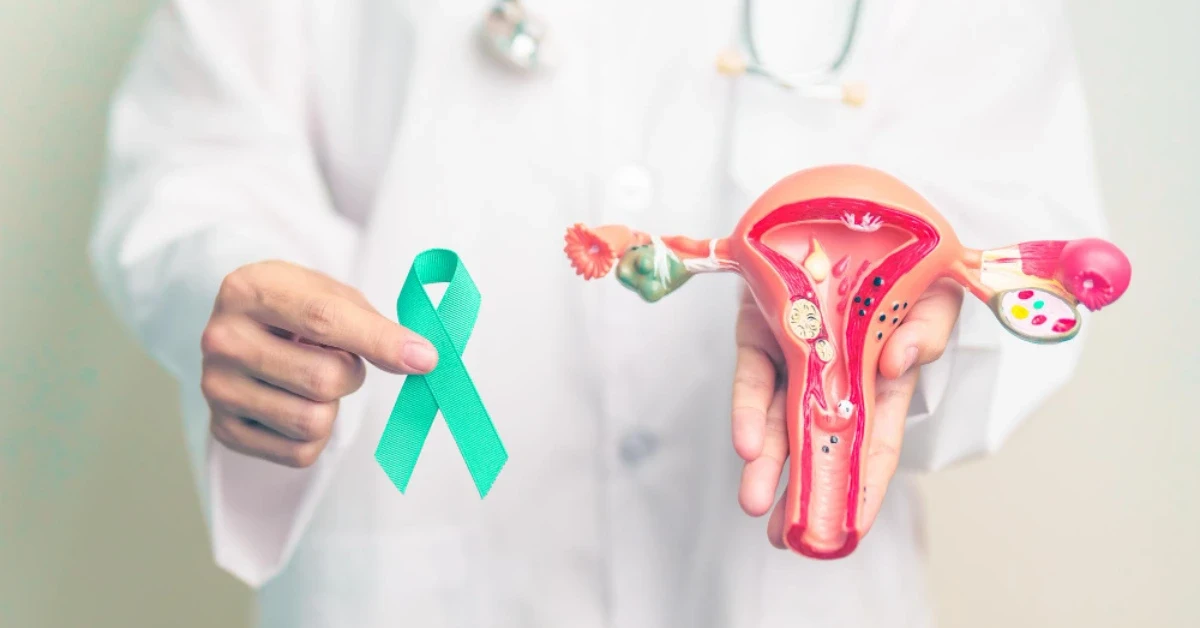
Cervical cancer begins in the cervix, the lower part of the uterus that connects to the vagina. It often develops slowly, starting with precancerous changes in the cervical cells. Regular Pap smears and HPV tests can catch these early changes before they become cancer, making early detection a key to effective treatment.
Cervical cancer may not cause symptoms in its earliest stages, which is why screening is important. When signs do appear, they may include:
- Bleeding between periods or after menopause
- Pelvic pain or pain during intercourse
- Persistent vaginal discharge with unusual color or odor
- Longer or heavier menstrual cycles
Any of these symptoms should be checked promptly by a healthcare provider.
The leading cause of cervical cancer is persistent infection with human papillomavirus (HPV). Other contributing factors include:
- Smoking, which increases risk by damaging cervical cells
- Weakened immunity, such as in patients with chronic illnesses
- Long-term use of certain contraceptives without regular screening
Some women have a higher risk, including:
- Those with a family history of cervical or gynecological cancers
- Women who began sexual activity at a young age or have multiple partners
- Patients who have not received the HPV vaccine
- Women without regular Pap smear or HPV test follow-ups
If not treated early, cervical cancer may:
- Spread to nearby organs such as the bladder or rectum
- Affect fertility or pregnancy outcomes
- Cause fatigue, bleeding, or pain
- Lead to emotional stress for patients and families
Fortunately, early diagnosis and access to specialized cervical cancer treatment in Chennai can prevent most of these complications.
Treatment depends on the stage, overall health, and personal needs of the patient. Doctors often use a combination of methods to achieve the best results. Common options include:
- Surgery – This may involve removing small abnormal tissue (conization), part of the cervix, or in advanced cases, the entire uterus (hysterectomy). Surgery is highly effective in early stages and can often cure the cancer before it spreads.
- Radiation therapy – High-energy beams target and destroy cancer cells. It can be used alone or with chemotherapy to shrink tumors before surgery. Radiation is also effective for women who cannot undergo surgery due to other health conditions.
- Chemotherapy – Uses powerful medicines to stop cancer growth or shrink tumors. It is often combined with radiation for better results in advanced cases. Side effects are carefully managed by doctors to keep patients as comfortable as possible during treatment.
- Immunotherapy and targeted therapy – These are advanced treatments that boost the body’s immune system or directly target cancer cells without harming healthy ones. They are often recommended for women with recurrent or resistant cervical cancer, offering new hope where traditional methods may not be enough.
Specialized centers for cervical cancer treatment in Chennai offer personalized care, modern surgical methods, and holistic support for women at every stage.
Many women treated for cervical cancer go on to live healthy, fulfilling lives. Recovery times vary, but with timely care, outcomes are improving every year. The combination of skilled oncologists, modern technology, and compassionate follow-up in Chennai ensures women receive the best chance for healing.